Joint Tenancy Definition In Law In Kings
Description

Get your form ready online
Our built-in tools help you complete, sign, share, and store your documents in one place.
Make edits, fill in missing information, and update formatting in US Legal Forms—just like you would in MS Word.
Download a copy, print it, send it by email, or mail it via USPS—whatever works best for your next step.
Sign and collect signatures with our SignNow integration. Send to multiple recipients, set reminders, and more. Go Premium to unlock E-Sign.
If this form requires notarization, complete it online through a secure video call—no need to meet a notary in person or wait for an appointment.
We protect your documents and personal data by following strict security and privacy standards.

Make edits, fill in missing information, and update formatting in US Legal Forms—just like you would in MS Word.

Download a copy, print it, send it by email, or mail it via USPS—whatever works best for your next step.

Sign and collect signatures with our SignNow integration. Send to multiple recipients, set reminders, and more. Go Premium to unlock E-Sign.

If this form requires notarization, complete it online through a secure video call—no need to meet a notary in person or wait for an appointment.

We protect your documents and personal data by following strict security and privacy standards.
Looking for another form?










Form popularity
FAQ
To <your landlord's name> I'm writing to you to end my tenancy at <your address>. I have checked the legal notice period, and I'm giving <your notice period> notice to end my tenancy. I will move out of the property by <date>.
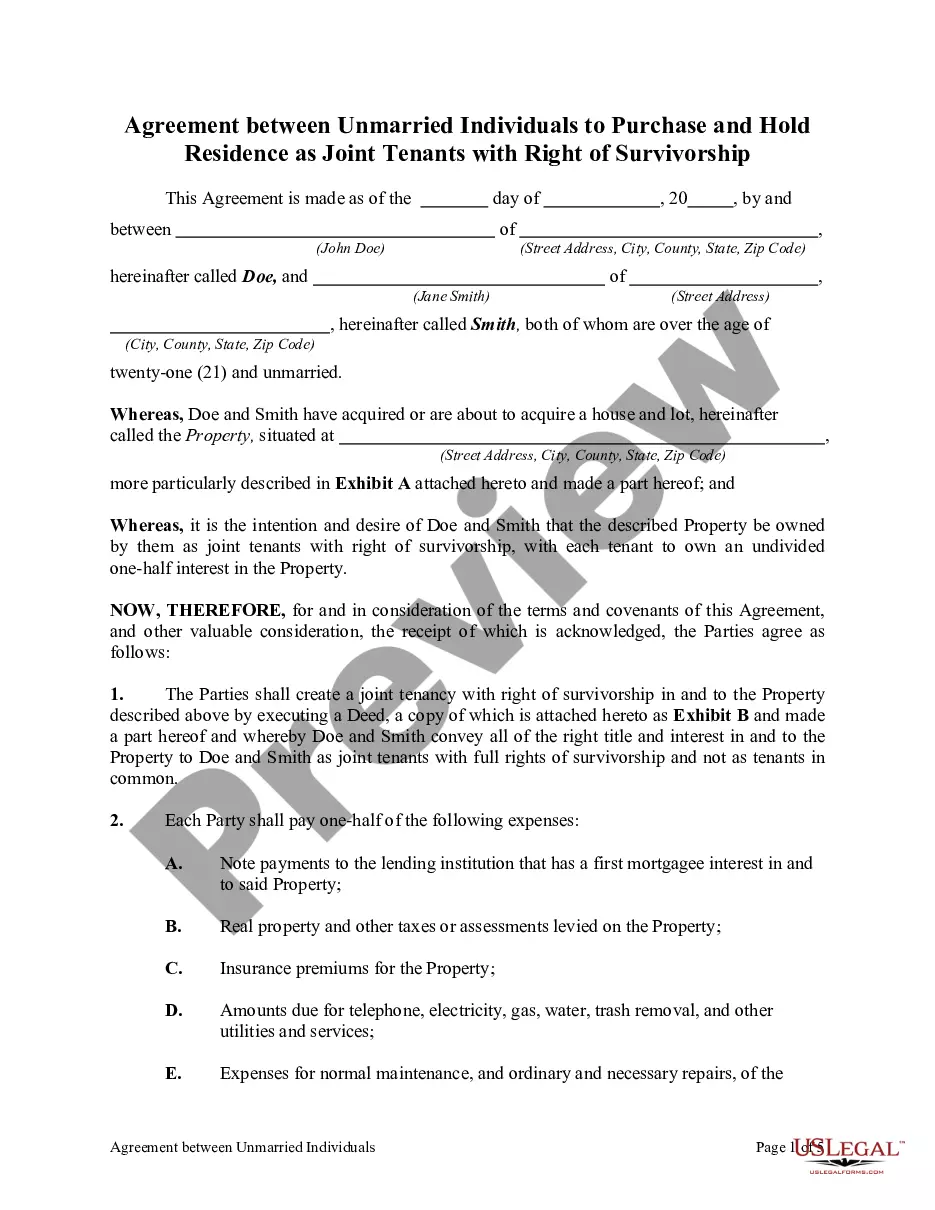
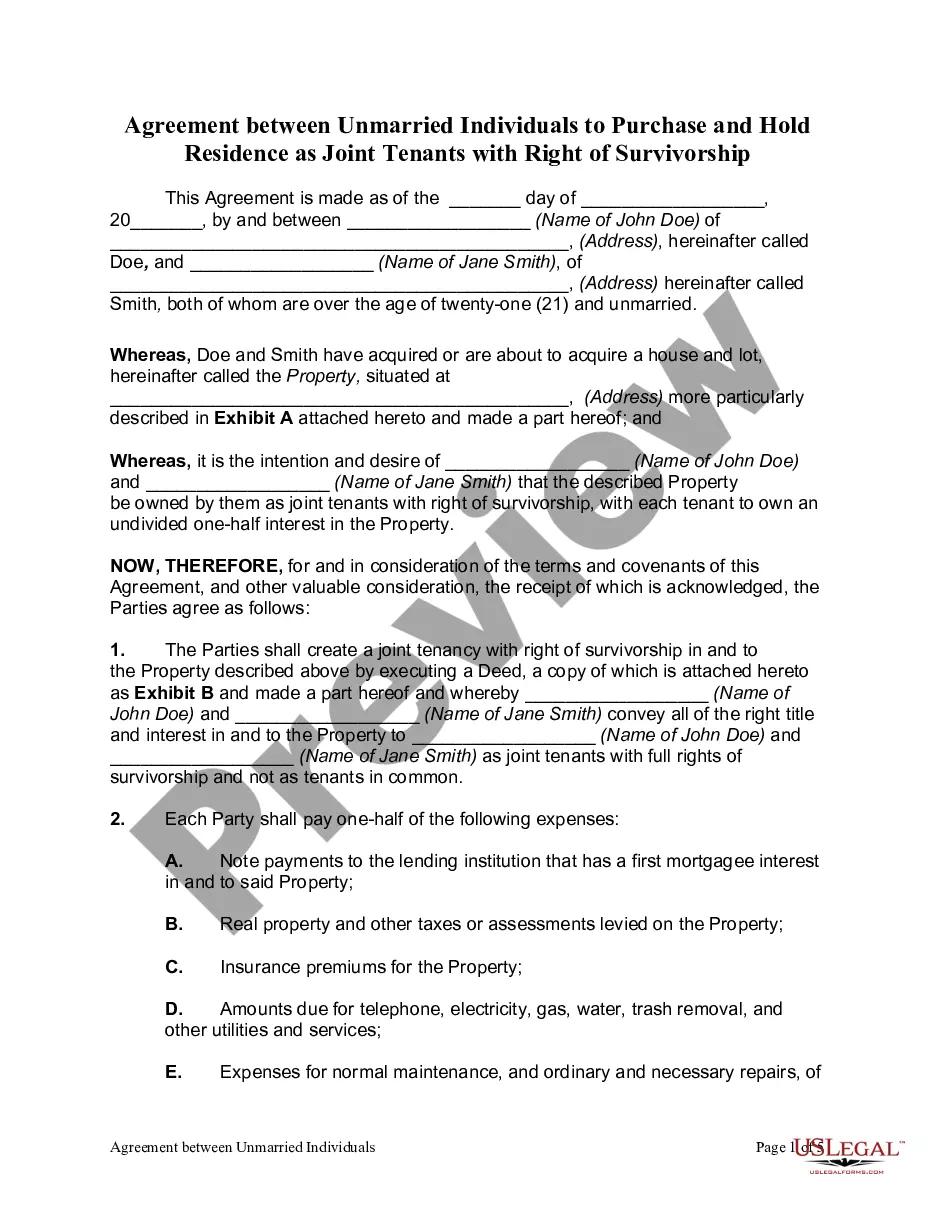
Historically, the common law required that in order for a joint tenancy to be created, the co-owners must share the “four unities” of (1) time – the property interest must be acquired by both tenants at the same time; (2) title - both tenants must have the same title to the property in the deed; (3) interest - both ...
If you're married or in a civil partnership Your partner will have rights in the home after they move in, even if they're not on the tenancy agreement: you cannot end the tenancy without their permission, unless you apply for a court order.
A type of joint ownership of property, where each owner is called a "joint tenant" and each owns the whole of the asset, rather than a distinct fractional share. When a joint tenant dies, the asset in question does not pass to their personal representatives as part of their estate.
You can end the agreement at any time by serving a written 'notice to quit'. The notice period will depend on the tenancy or agreement, but it's usually at least 4 weeks.
This is called 'severance of joint tenancy'. You should apply for a 'Form A restriction'. You can make this change without the other owners' agreement. A solicitor, conveyancer or legal executive can help you check what type of joint ownership you have if you're unsure.
If your joint tenancy is for a fixed term (for example, 12 months), you must normally get the agreement of your landlord and the other tenants to give notice to end the tenancy. If you end your tenancy it ends for everyone.
For instance, if you're married, the most common way to title your home is Tenancy by the Entirety (TBE).
