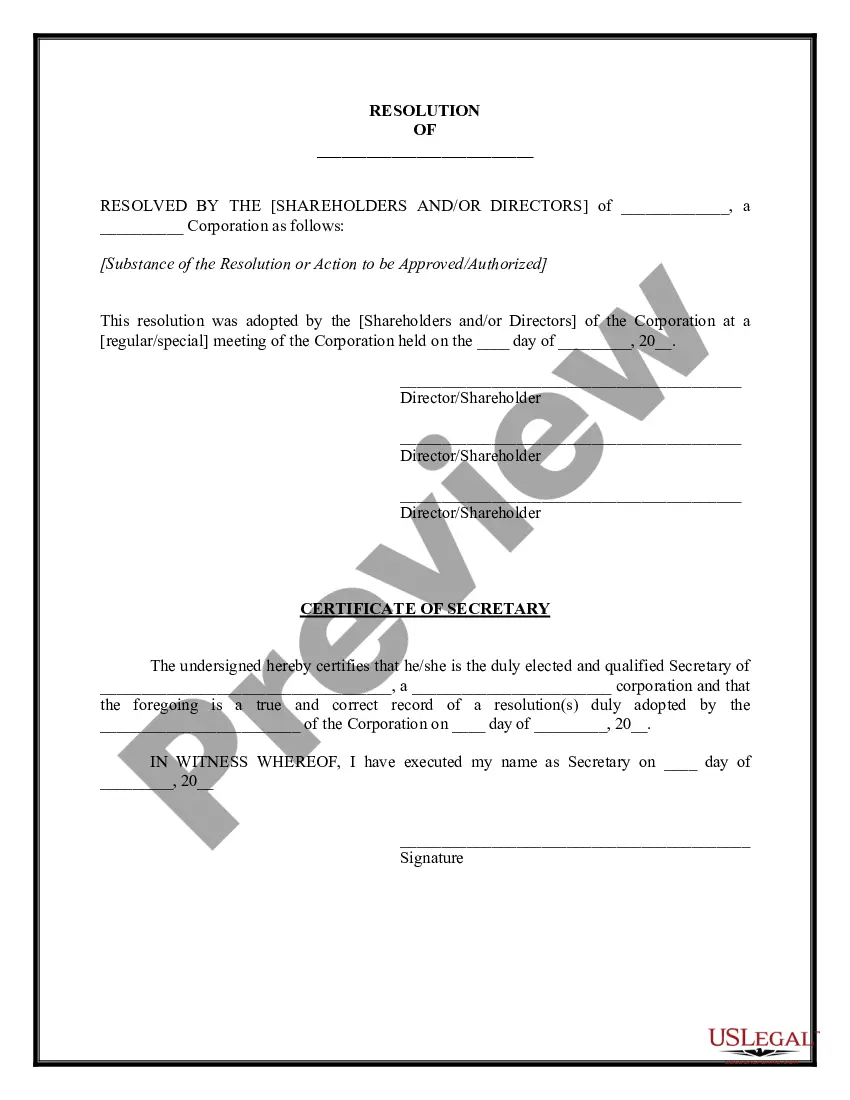
Agreement Unmarried With Child Filing Taxes In Kings
Description

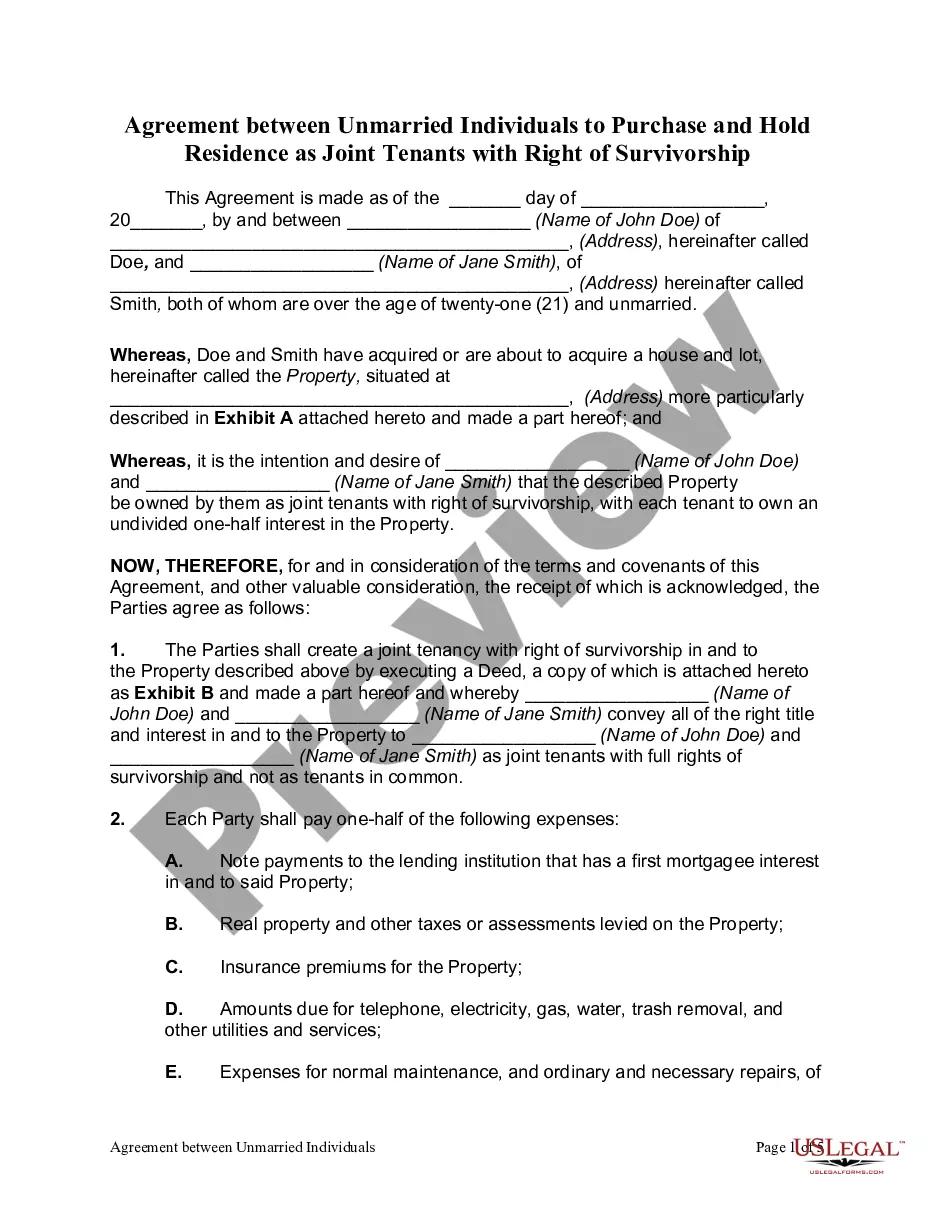
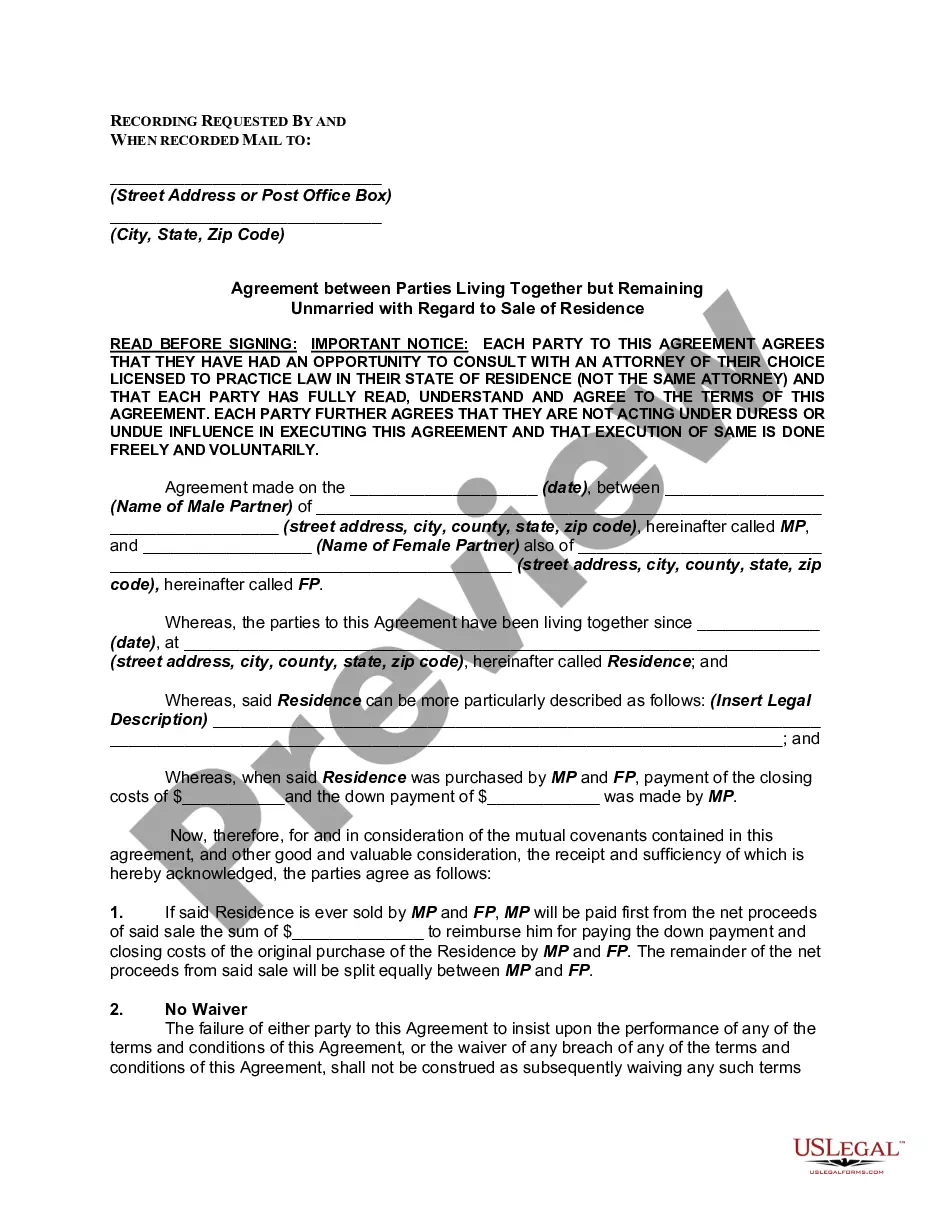
Get your form ready online
Our built-in tools help you complete, sign, share, and store your documents in one place.
Make edits, fill in missing information, and update formatting in US Legal Forms—just like you would in MS Word.
Download a copy, print it, send it by email, or mail it via USPS—whatever works best for your next step.
Sign and collect signatures with our SignNow integration. Send to multiple recipients, set reminders, and more. Go Premium to unlock E-Sign.
If this form requires notarization, complete it online through a secure video call—no need to meet a notary in person or wait for an appointment.
We protect your documents and personal data by following strict security and privacy standards.

Make edits, fill in missing information, and update formatting in US Legal Forms—just like you would in MS Word.

Download a copy, print it, send it by email, or mail it via USPS—whatever works best for your next step.

Sign and collect signatures with our SignNow integration. Send to multiple recipients, set reminders, and more. Go Premium to unlock E-Sign.

If this form requires notarization, complete it online through a secure video call—no need to meet a notary in person or wait for an appointment.

We protect your documents and personal data by following strict security and privacy standards.
Looking for another form?
Form popularity
FAQ
The child must be: (a) under age 19 at the end of the year and younger than you (or your spouse, if filing jointly), (b) under age 24 at the end of the year, a full- time student, and younger than you (or your spouse, if filing jointly), or (c) any age if permanently and totally disabled.
Age: Be under age 19 or under 24 if a full-time student, or any age if permanently and totally disabled. Residency: Live with you for more than half the year, with some exceptions. Support: Get more than half their financial support from you.
The IRS defines a dependent as a qualifying child (under age 19 or under 24 if a full-time student, or any age if permanently and totally disabled) or a qualifying relative. A qualifying dependent cannot provide more than half of their own annual support.
You and your spouse can file a joint federal return. The address you choose to use on the federal return should belong to one of you who prefers to receive any mail from the IRS.
Cohabiting couples often think they have the protection of being a 'common law' husband or wife. The fact is that if you aren't married or in a civil partnership, you have virtually no protection in law and you may need a cohabitation agreement to protect your future.
No you have to be married in most cases. Trying the claim you as a qualifying relative when your not related will cause an IRS audit. If bf has a CPA skills, and has all his paperwork correct he might win the audit; otherwise you both would be looking at major penalties.
In most cases, the IRS requires couples to be legally married to file a joint tax return. However, the IRS also allows couples who aren't legally married but are considered married by common law to also file jointly. As of publication, only 10 US states, plus the District of Columbia, recognize common law marriages.