Joint Ownership Form Meaning
Description

Get your form ready online
Our built-in tools help you complete, sign, share, and store your documents in one place.
Make edits, fill in missing information, and update formatting in US Legal Forms—just like you would in MS Word.
Download a copy, print it, send it by email, or mail it via USPS—whatever works best for your next step.
Sign and collect signatures with our SignNow integration. Send to multiple recipients, set reminders, and more. Go Premium to unlock E-Sign.
If this form requires notarization, complete it online through a secure video call—no need to meet a notary in person or wait for an appointment.
We protect your documents and personal data by following strict security and privacy standards.

Make edits, fill in missing information, and update formatting in US Legal Forms—just like you would in MS Word.

Download a copy, print it, send it by email, or mail it via USPS—whatever works best for your next step.

Sign and collect signatures with our SignNow integration. Send to multiple recipients, set reminders, and more. Go Premium to unlock E-Sign.

If this form requires notarization, complete it online through a secure video call—no need to meet a notary in person or wait for an appointment.

We protect your documents and personal data by following strict security and privacy standards.
Looking for another form?





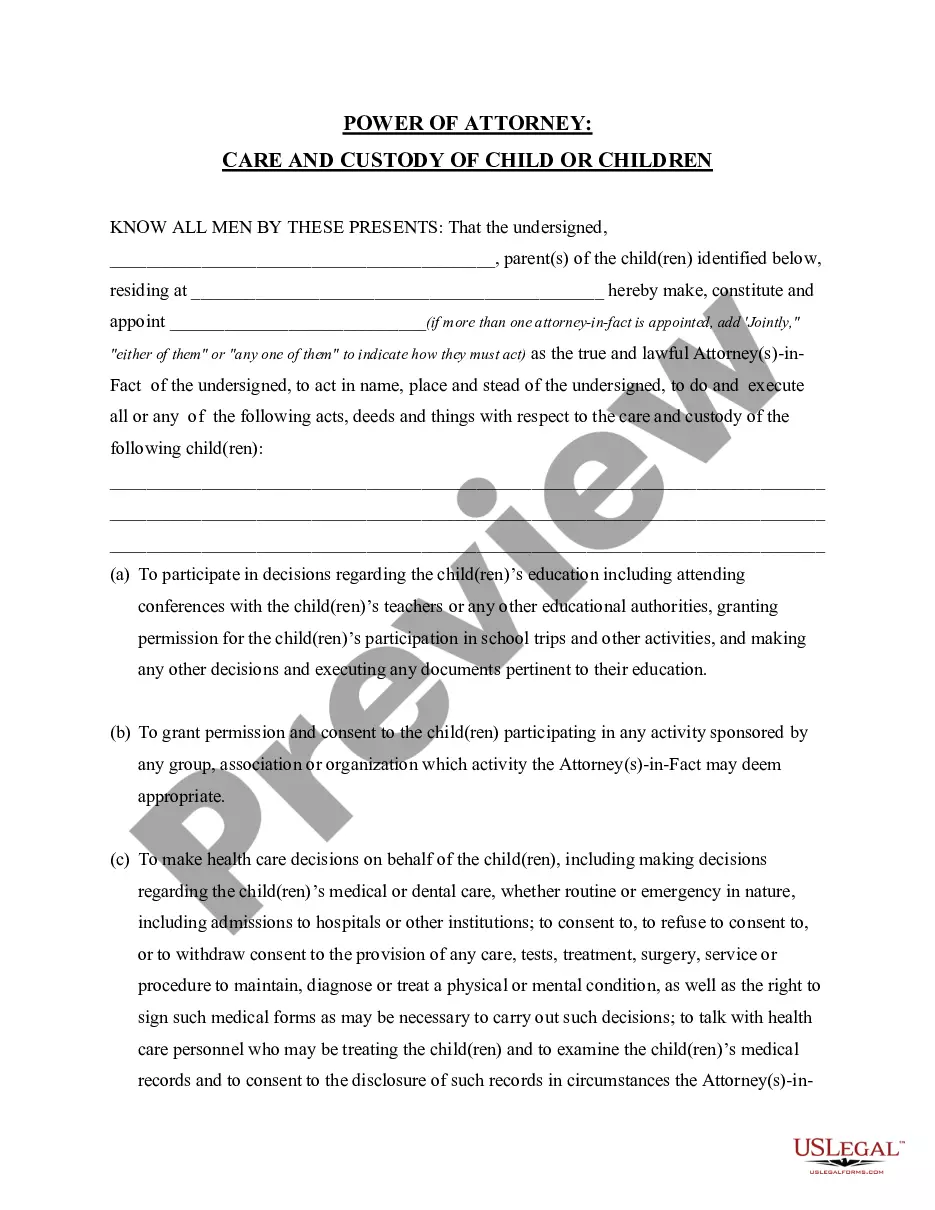
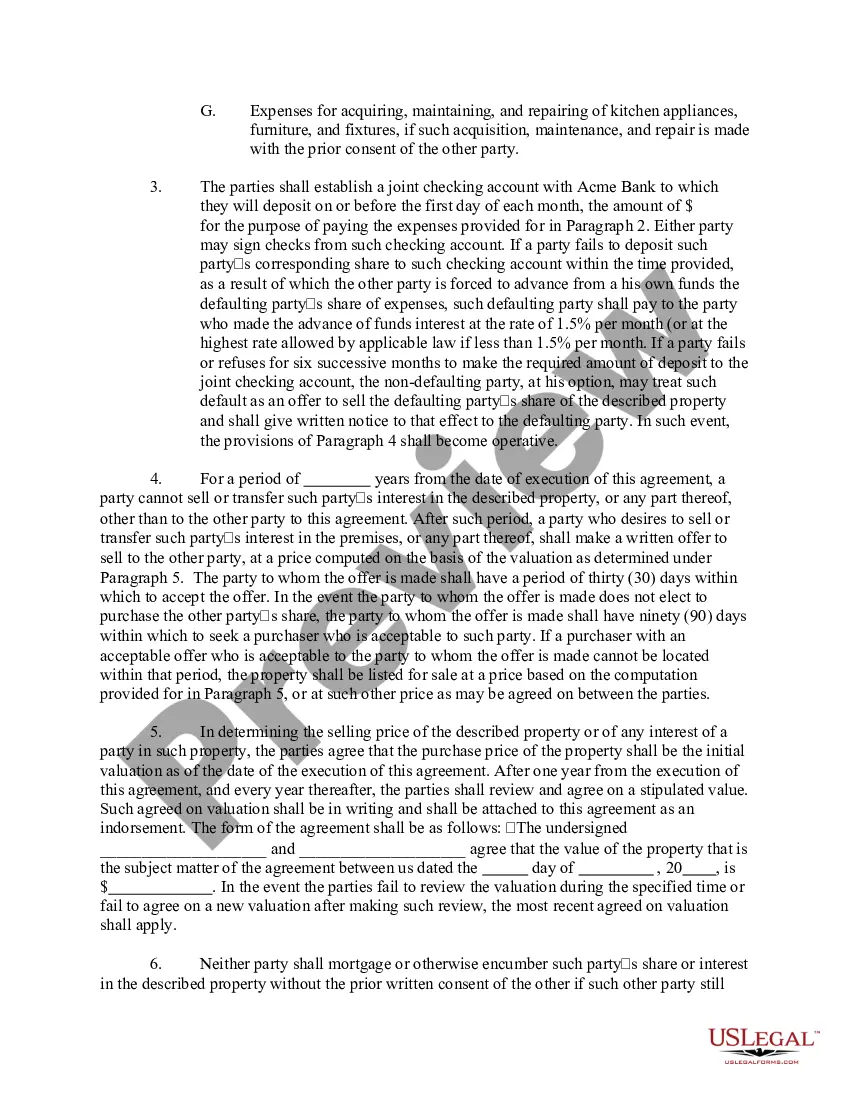
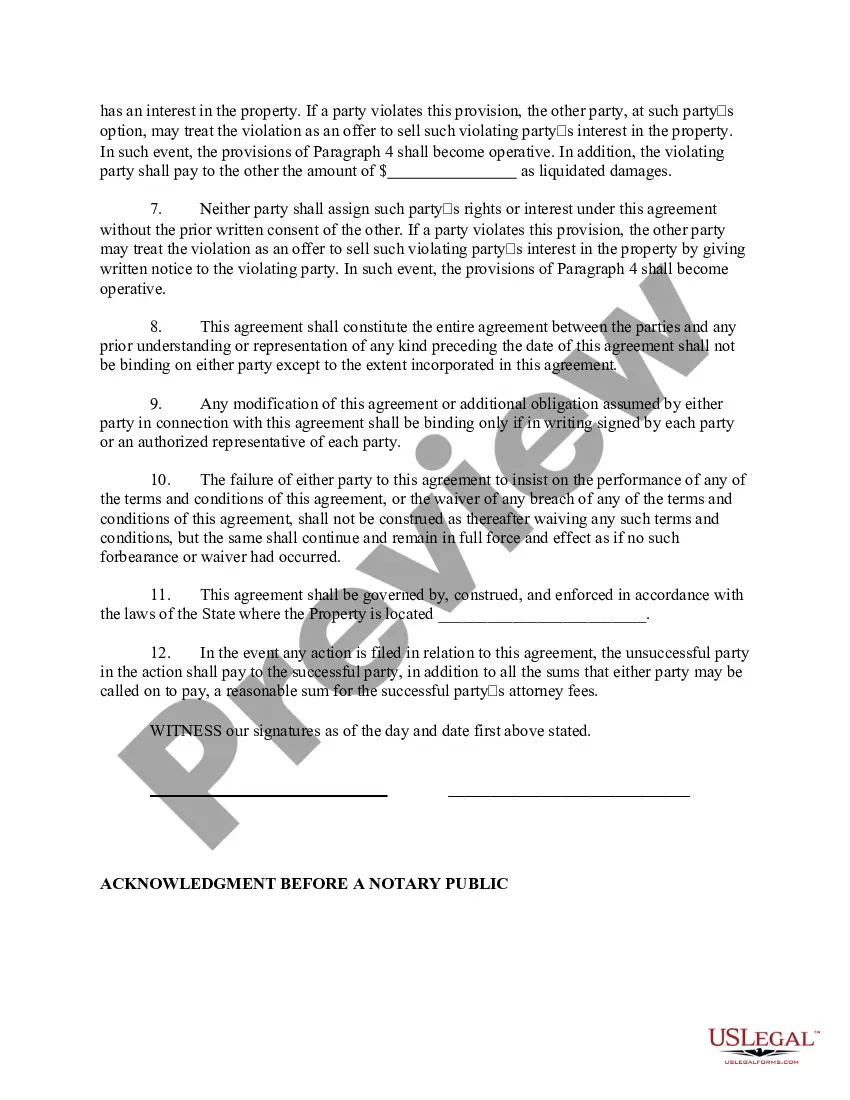
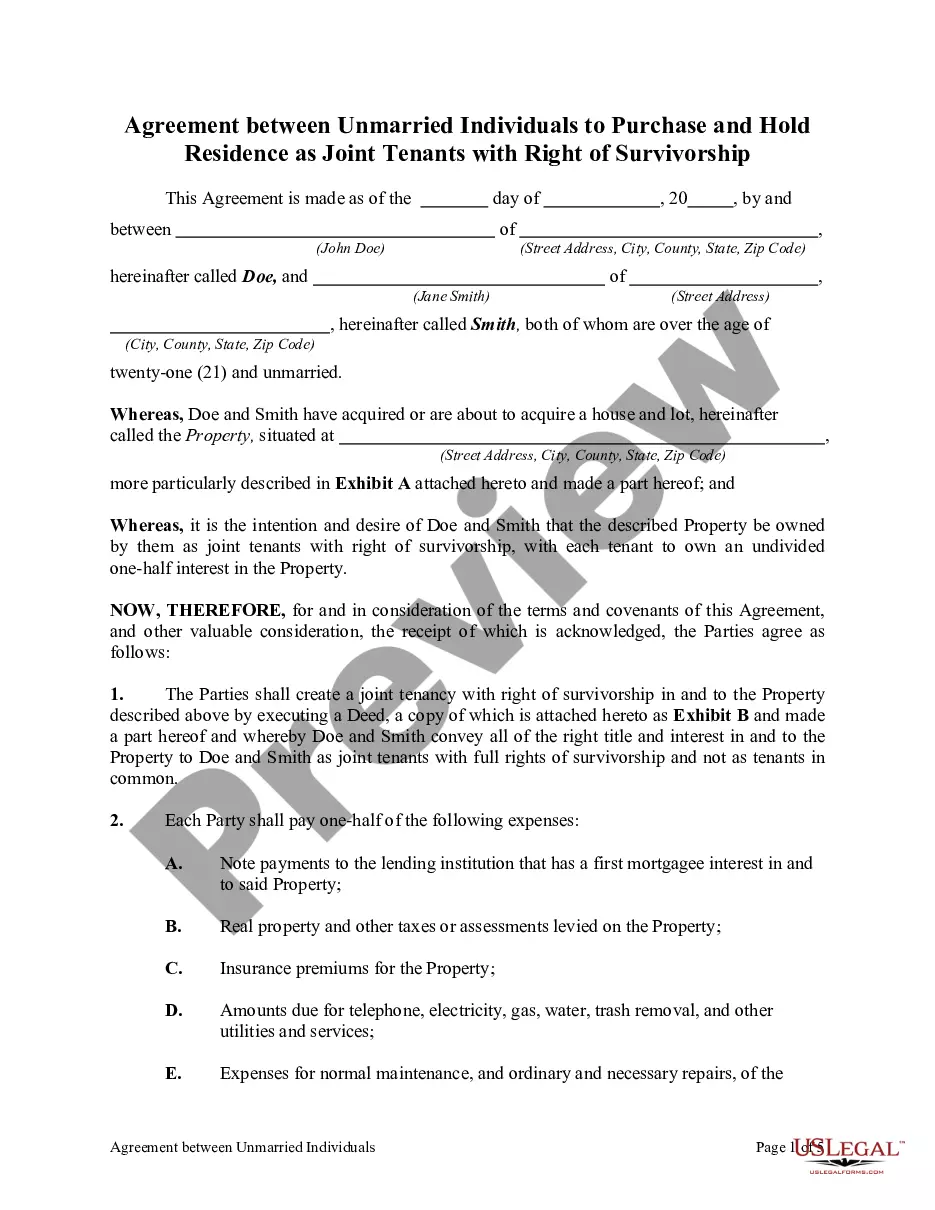
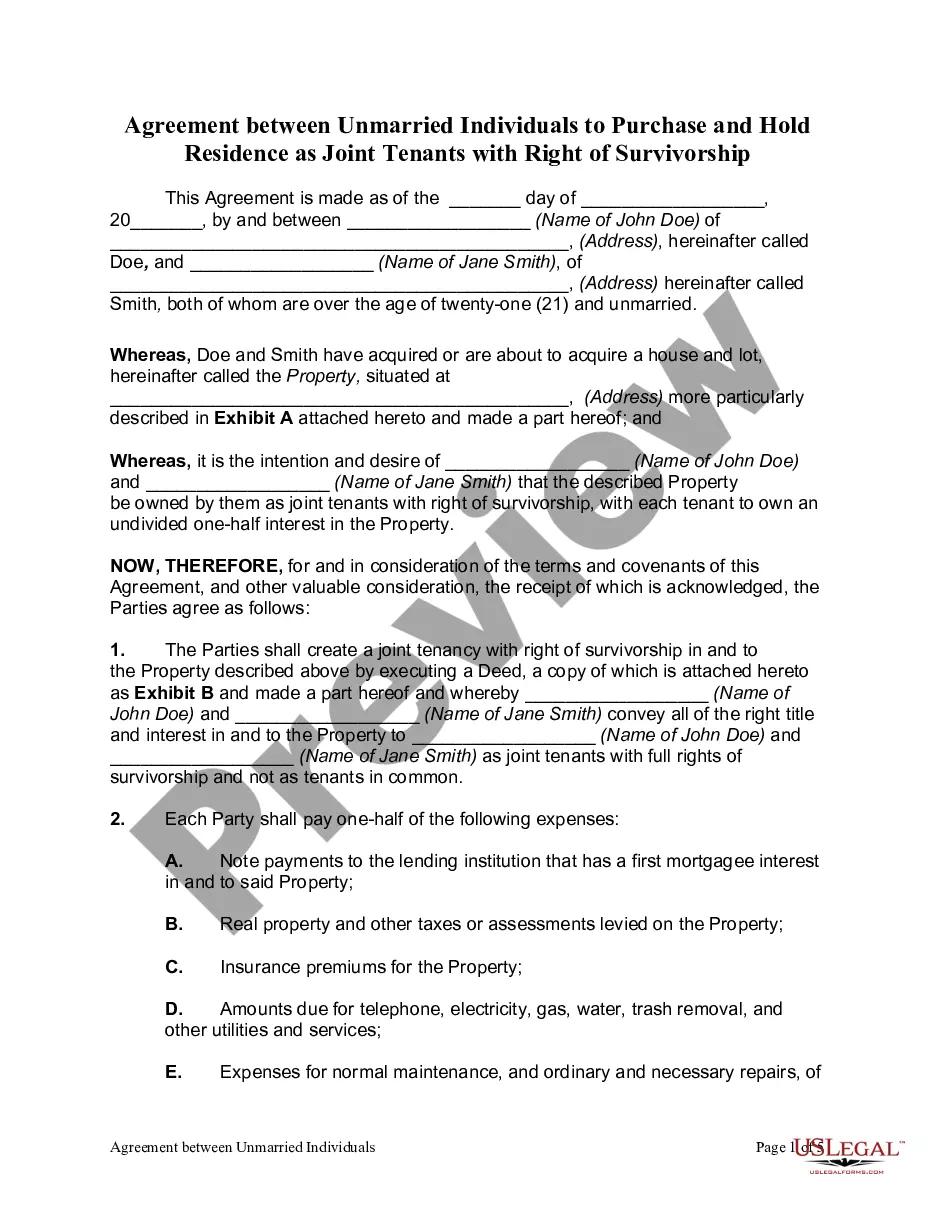
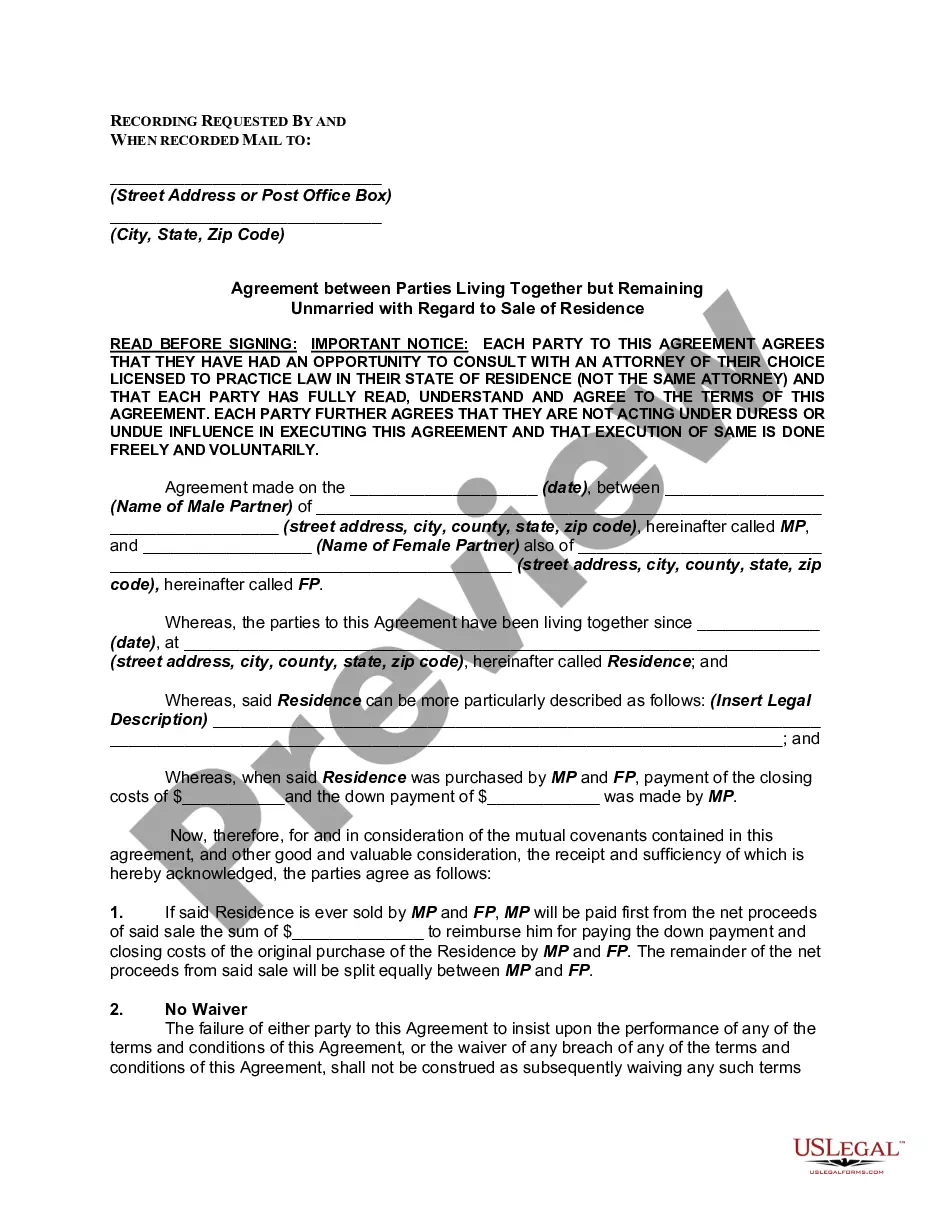
How to fill out Agreement By Unmarried Individuals To Purchase And Hold Residence As Joint Tenants?
It's clear that you can't become a legal specialist instantly, nor can you quickly understand how to draft a Joint Ownership Form Meaning without possessing a specific skill set.
Assembling legal documents is a lengthy process that necessitates specialized training and expertise. So why not entrust the creation of the Joint Ownership Form Meaning to the professionals.
With US Legal Forms, one of the largest collections of legal document templates, you can obtain everything from court papers to office communication formats. We recognize how crucial it is to comply with federal and state laws and regulations.
You can regain access to your documents from the My documents section at any time. If you're an existing customer, you can simply Log In, and find and download the template from the same section.
Regardless of the aim of your forms—whether financial and legal, or personal—our website has everything you need. Try US Legal Forms today!
- Locate the form you require by using the search feature at the top of the page.
- View it (if this option is available) and read the accompanying description to determine if Joint Ownership Form Meaning is what you need.
- Restart your search if you require another template.
- Create a complimentary account and choose a subscription plan to purchase the form.
- Click Buy now. Once the payment is complete, you can download the Joint Ownership Form Meaning, complete it, print it, and dispatch or mail it to the required individuals or entities.
Form popularity
FAQ
If the property is owned by more than one person, it is called joint ownership. In case of coparcenary, the male members and daughters have a common and an equal interest in ancestral property.
To add a co-owner, a new deed has to be created, which must be registered at the sub-registrar's office for it to be legal under the Transfer of Property Act. This can be done either by creating a sale deed or a gift deed. Sale deed: The first way is to sell a portion of the property to the other person.
In addition to failing to avoid probate, joint ownership can great other problems during a lifetime. By jointly owning property, you may find yourself party to a lawsuit if your co-owner is sued or the asset could be lost to a creditor of your co-owner.
Key Takeaways Joint owned property is any property held in the name of two or more parties, like husband and wife, or business partners, friends, or family members. The risks of joint owned property are the potential for financial issues with partial ownership of a property, like one party wanting to sell their share.
(1) The joint tenants own an undivided interest in the property as a whole; each share is equal, and no one joint tenant can ever have a larger share. (2) The estates of the joint tenants are vested (meaning fixed and unalterable by any condition) for exactly the same period of time?in this case, the tenants' lifetime.