Joint Tenants Without Right Of Survivorship In Georgia
Description

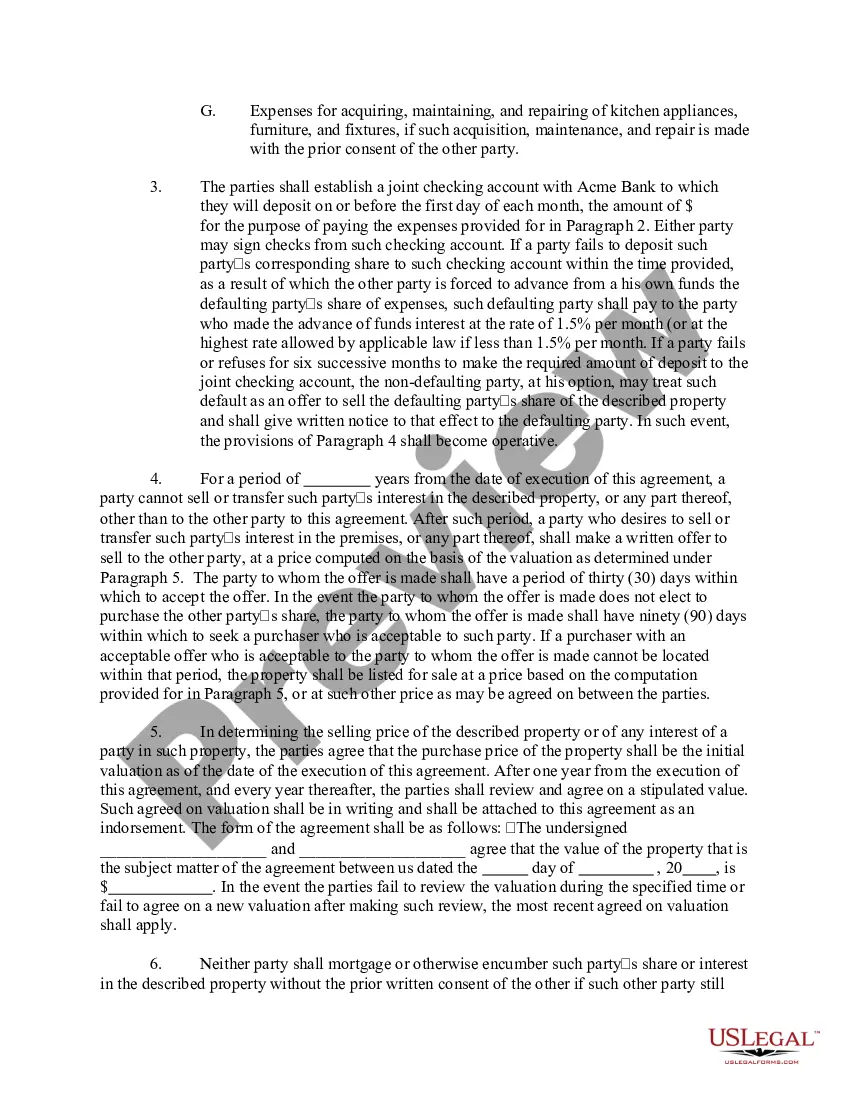
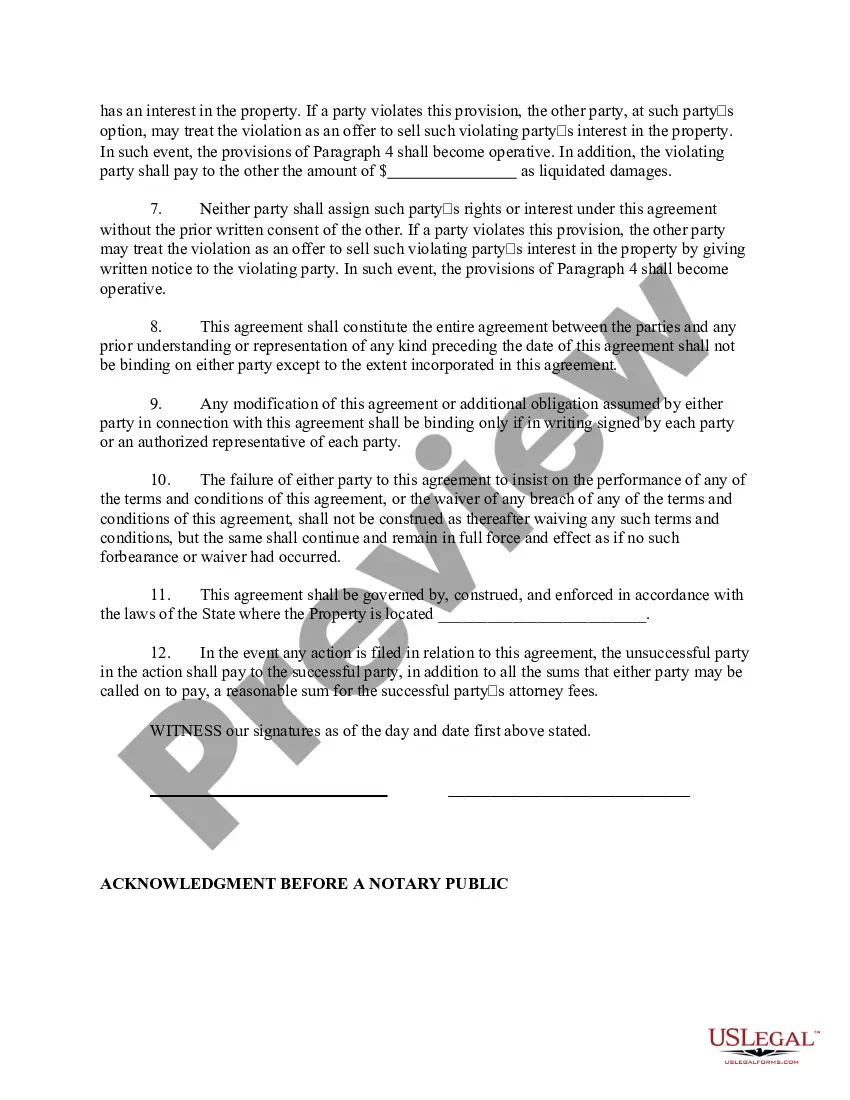
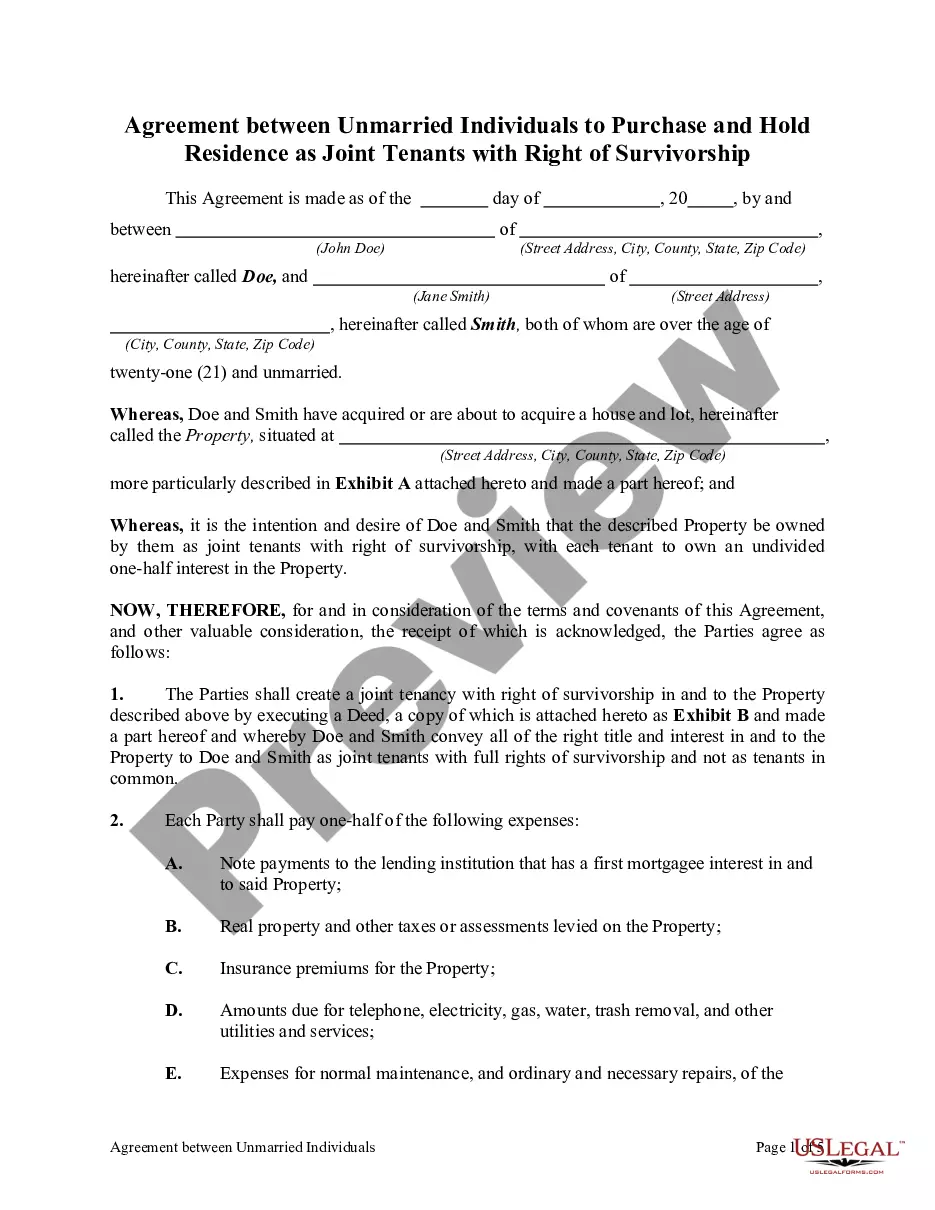
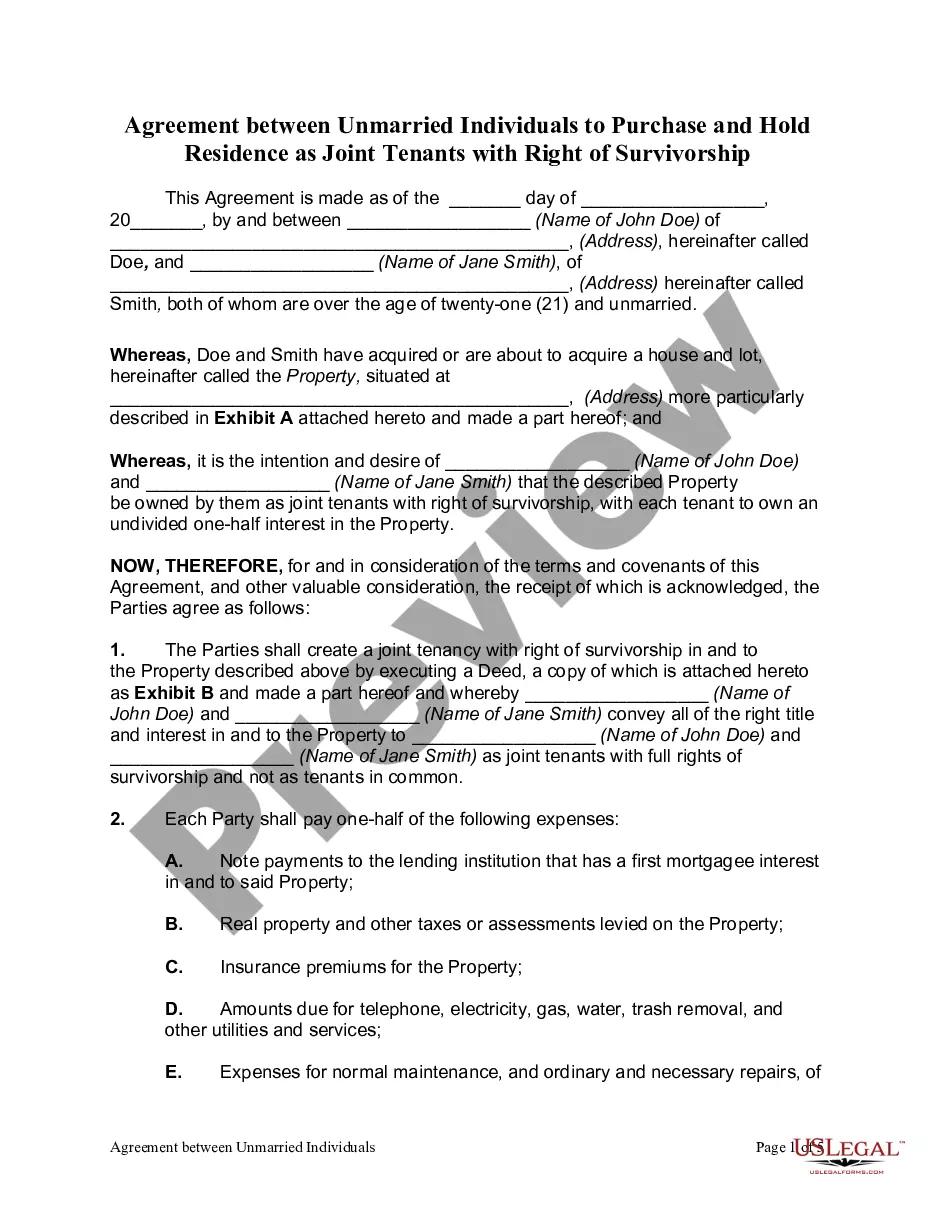
Get your form ready online
Our built-in tools help you complete, sign, share, and store your documents in one place.
Make edits, fill in missing information, and update formatting in US Legal Forms—just like you would in MS Word.
Download a copy, print it, send it by email, or mail it via USPS—whatever works best for your next step.
Sign and collect signatures with our SignNow integration. Send to multiple recipients, set reminders, and more. Go Premium to unlock E-Sign.
If this form requires notarization, complete it online through a secure video call—no need to meet a notary in person or wait for an appointment.
We protect your documents and personal data by following strict security and privacy standards.

Make edits, fill in missing information, and update formatting in US Legal Forms—just like you would in MS Word.

Download a copy, print it, send it by email, or mail it via USPS—whatever works best for your next step.

Sign and collect signatures with our SignNow integration. Send to multiple recipients, set reminders, and more. Go Premium to unlock E-Sign.

If this form requires notarization, complete it online through a secure video call—no need to meet a notary in person or wait for an appointment.

We protect your documents and personal data by following strict security and privacy standards.
Looking for another form?



Form popularity
FAQ
Joint Tenancy with Right of Survivorship (JTWROS) in Georgia This form of ownership allows two or more people to own property equally, with the assurance that the property will transfer directly to the surviving owner(s) upon the death of any co-owner.
If you have a spouse and/or kids, your whole estate goes to them. If you had a child who died before you, their share will be split among their children. If you die with: A spouse but no children, your spouse will inherit your entire estate.
Some states have community property laws that cause shared assets to be split equally with half going to one spouse and half going to the other. But Georgia doesn't recognize community property laws and is, instead, an equitable distribution state. This means that equity is more important than an equal split of assets.
You can add someone as a joint tenant if: they're your husband, wife or civil partner, or. they've been living with you as part of your household for at least a year, or. they lived with you when you first moved into your home.
Although other types of ownership are available, the most two common forms of tenancy in Georgia are the joint tenancy and tenancy in common. Did You Know that Tenancy Can be Changed at Any Time? Sometimes life or estate plans change and it becomes necessary to switch the tenancy.
Jointly owned real estate goes automatically to your husband/wife. It is possible for jointly held property to go automatically to a spouse in Georgia.
In the state of Georgia, there is no specific deadline for transferring property after someone's death. It all depends on the evolution of the probate process. Usually, a non-dispute estate takes between 12 and 18 months to complete, but estate administration may take years for more complex cases.
Under Georgia law, there are two types of joint ownership. The first, known as “Joint Ownership with Rights of Survivorship” means that two or more parties have simultaneous ownership of a property. When one of those parties dies, their share of the property passes to the surviving owner(s).
Yes. Generally, the right of survivorship will take precedence over a Last Will and Testament if the jointly-owned property is distributed wrongfully in someone's estate plans. Therefore, you shouldn't list any property in your Will that you and another person(s) jointly own with the right of survivorship.
The difference between a joint tenancy and tenancy in common is significant. Under a joint tenancy with rights to survivorship, upon the death of the first owner, it automatically passes to the surviving owner. In a tenancy in common situation, you each own 50% of the property.
