Joint Tenancy Definition With Right Of Survivorship In Georgia
Description

Get your form ready online
Our built-in tools help you complete, sign, share, and store your documents in one place.
Make edits, fill in missing information, and update formatting in US Legal Forms—just like you would in MS Word.
Download a copy, print it, send it by email, or mail it via USPS—whatever works best for your next step.
Sign and collect signatures with our SignNow integration. Send to multiple recipients, set reminders, and more. Go Premium to unlock E-Sign.
If this form requires notarization, complete it online through a secure video call—no need to meet a notary in person or wait for an appointment.
We protect your documents and personal data by following strict security and privacy standards.

Make edits, fill in missing information, and update formatting in US Legal Forms—just like you would in MS Word.

Download a copy, print it, send it by email, or mail it via USPS—whatever works best for your next step.

Sign and collect signatures with our SignNow integration. Send to multiple recipients, set reminders, and more. Go Premium to unlock E-Sign.

If this form requires notarization, complete it online through a secure video call—no need to meet a notary in person or wait for an appointment.

We protect your documents and personal data by following strict security and privacy standards.
Looking for another form?










Form popularity
FAQ
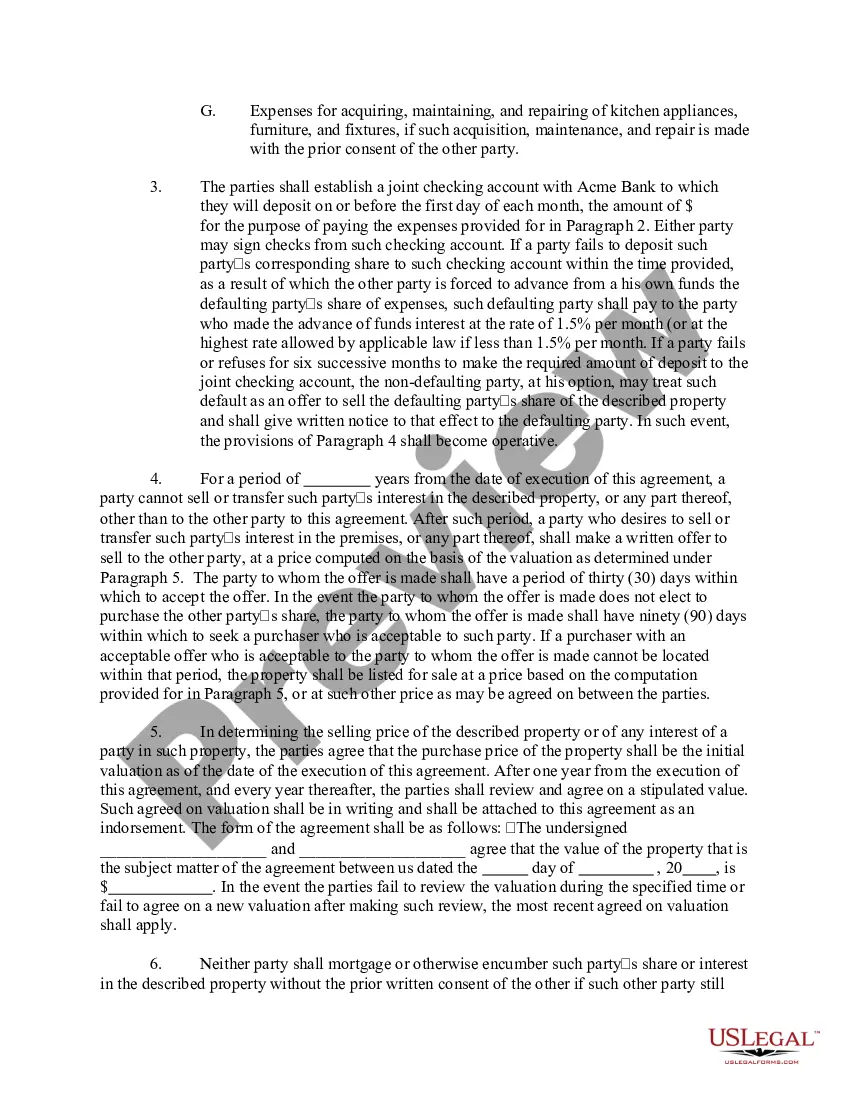
The main difference between JT and JTWROS is what happens if one person on the deed dies. If you are JTWROS the other person on the deed becomes the full owner.
A valid right of survivorship always overrides a Will. This is because a property that has a right of survivorship passes automatically to the surviving owner, and legally so. Thus, the property legally cannot be included as a part of the deceased owner's estate.
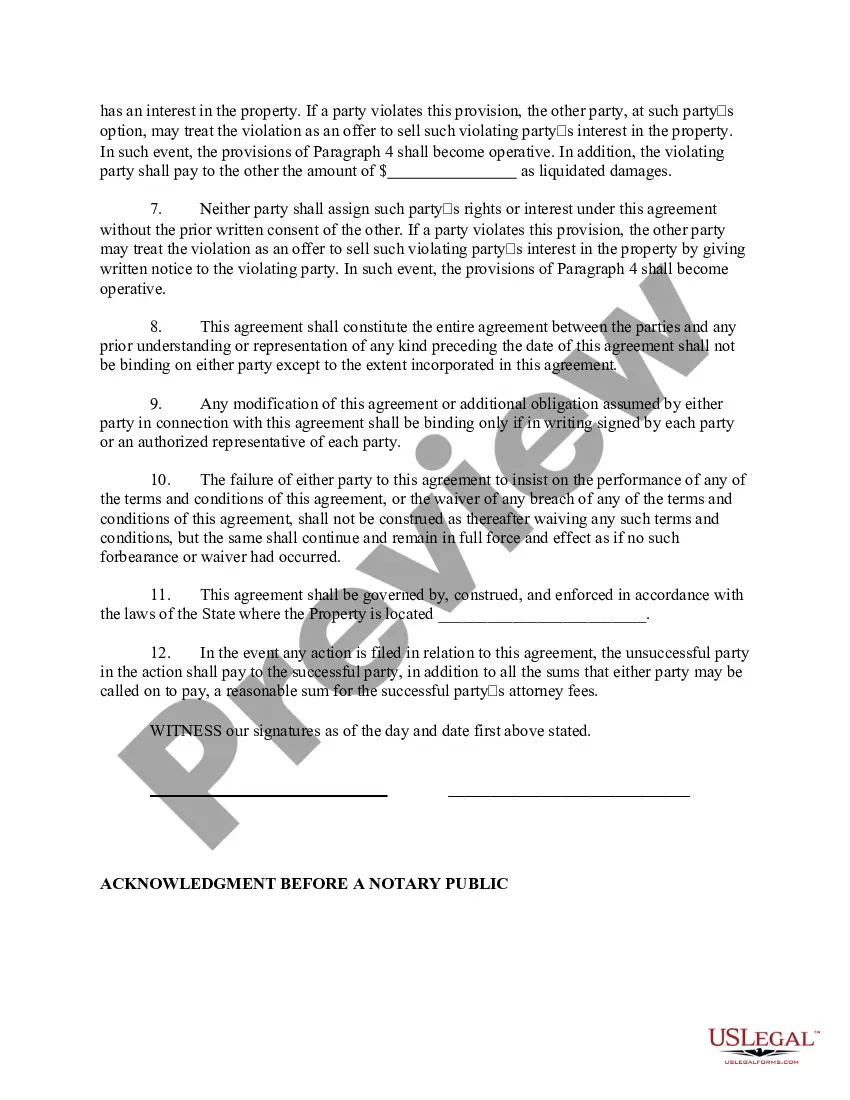
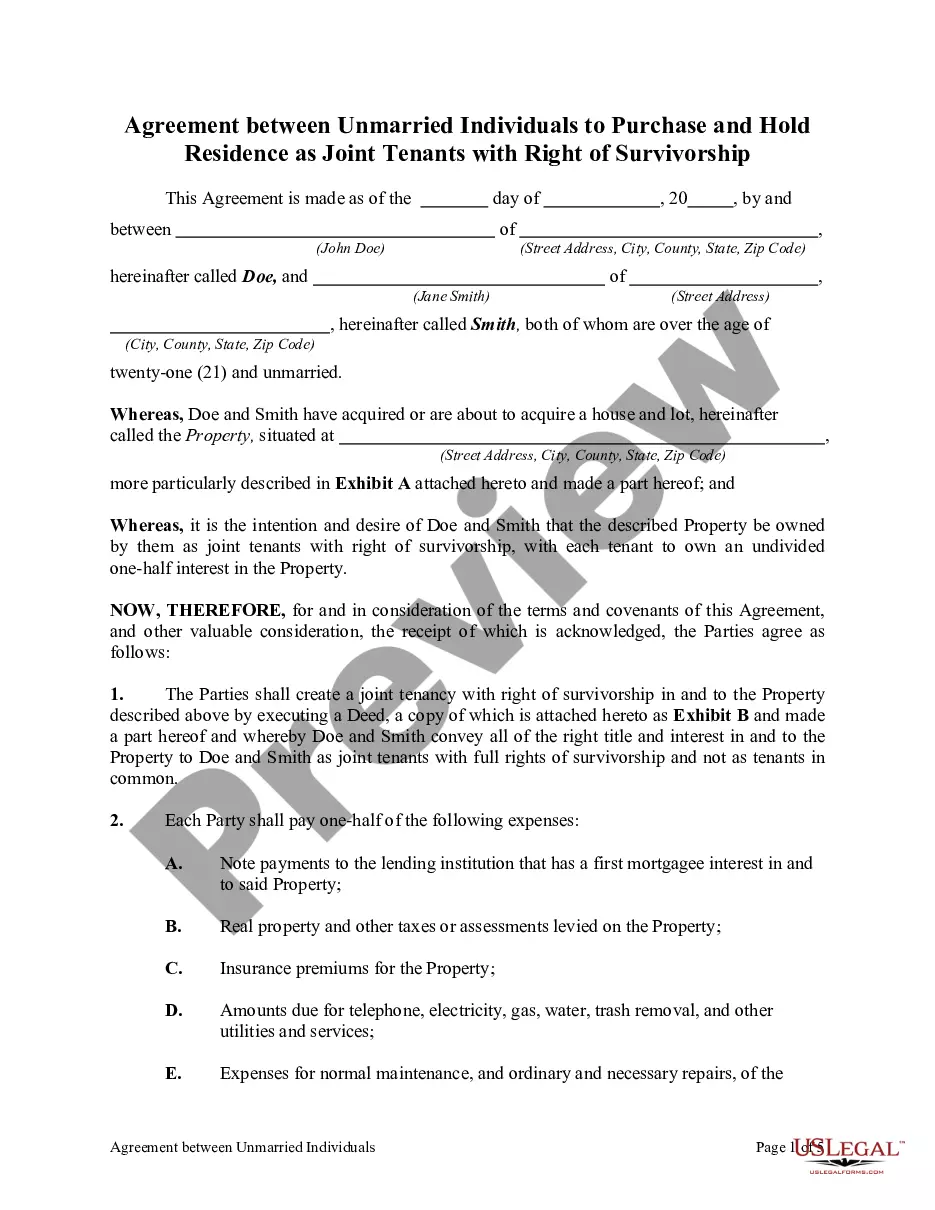
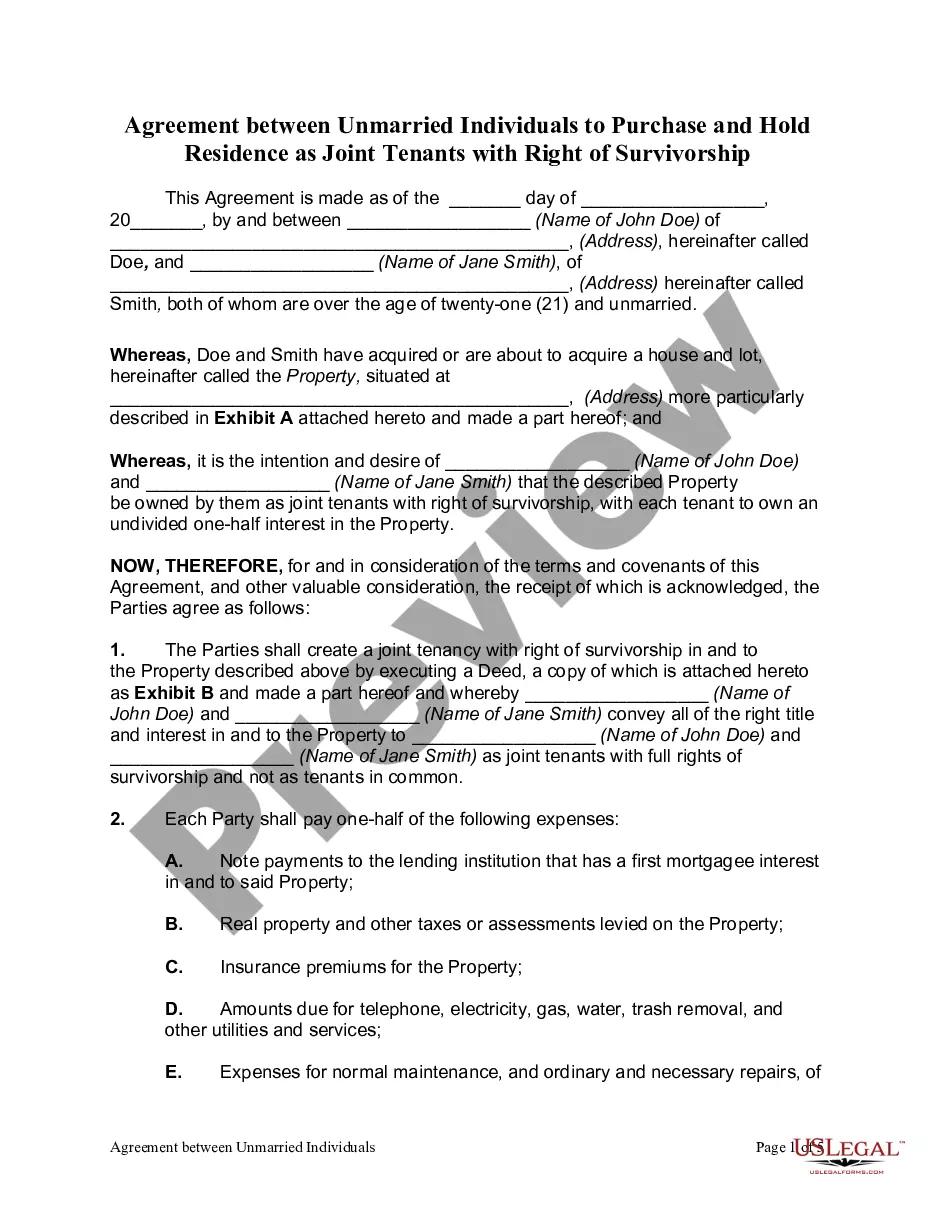
Under Georgia law, there are two types of joint ownership. The first, known as “Joint Ownership with Rights of Survivorship” means that two or more parties have simultaneous ownership of a property. When one of those parties dies, their share of the property passes to the surviving owner(s).
Georgia Survivorship Deed A property owner who creates a survivorship deed for an estate plan typically quitclaims the property to the owner and another person who the owner wants to ultimately own the property—such as the owner's spouse or child.
The difference between a joint tenancy and tenancy in common is significant. Under a joint tenancy with rights to survivorship, upon the death of the first owner, it automatically passes to the surviving owner. In a tenancy in common situation, you each own 50% of the property.
Since each tenant holds an “equal and undivided share” of the property, each tenant reports an equal share of any income and deductions on their tax returns, regardless of how much they originally contributed. When the property sells or when it transfers upon one owner's death, the full value transfers to the survivor.
By jointly owning property, you may find yourself party to a lawsuit if your co-owner is sued or the asset could be lost to a creditor of your co-owner. If your co-owner becomes incapacitated, you could find yourself “owning” the property with the co-owner's guardian or the courts.
Under Georgia law, there are two types of joint ownership. The first, known as “Joint Ownership with Rights of Survivorship” means that two or more parties have simultaneous ownership of a property. When one of those parties dies, their share of the property passes to the surviving owner(s).
Joint Tenancy with Right of Survivorship (JTWROS)
