Agreement Condominium Rental With Tenants In San Diego
Description

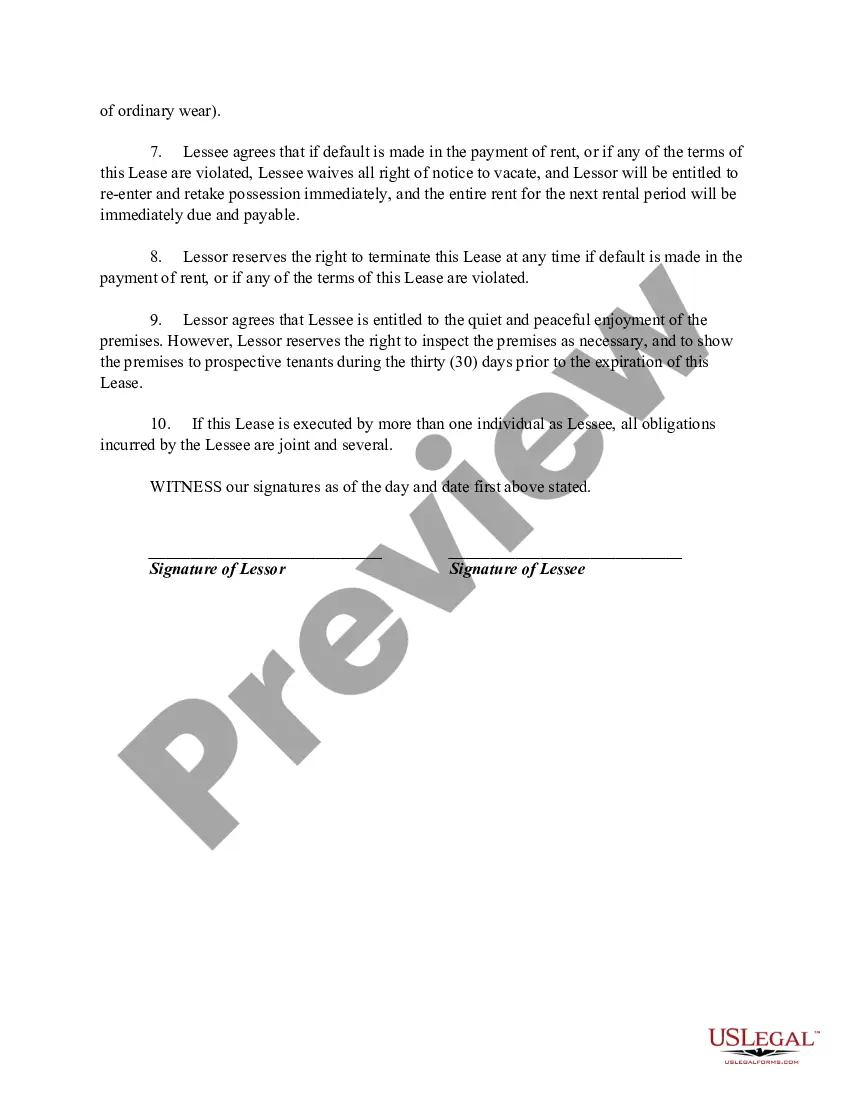
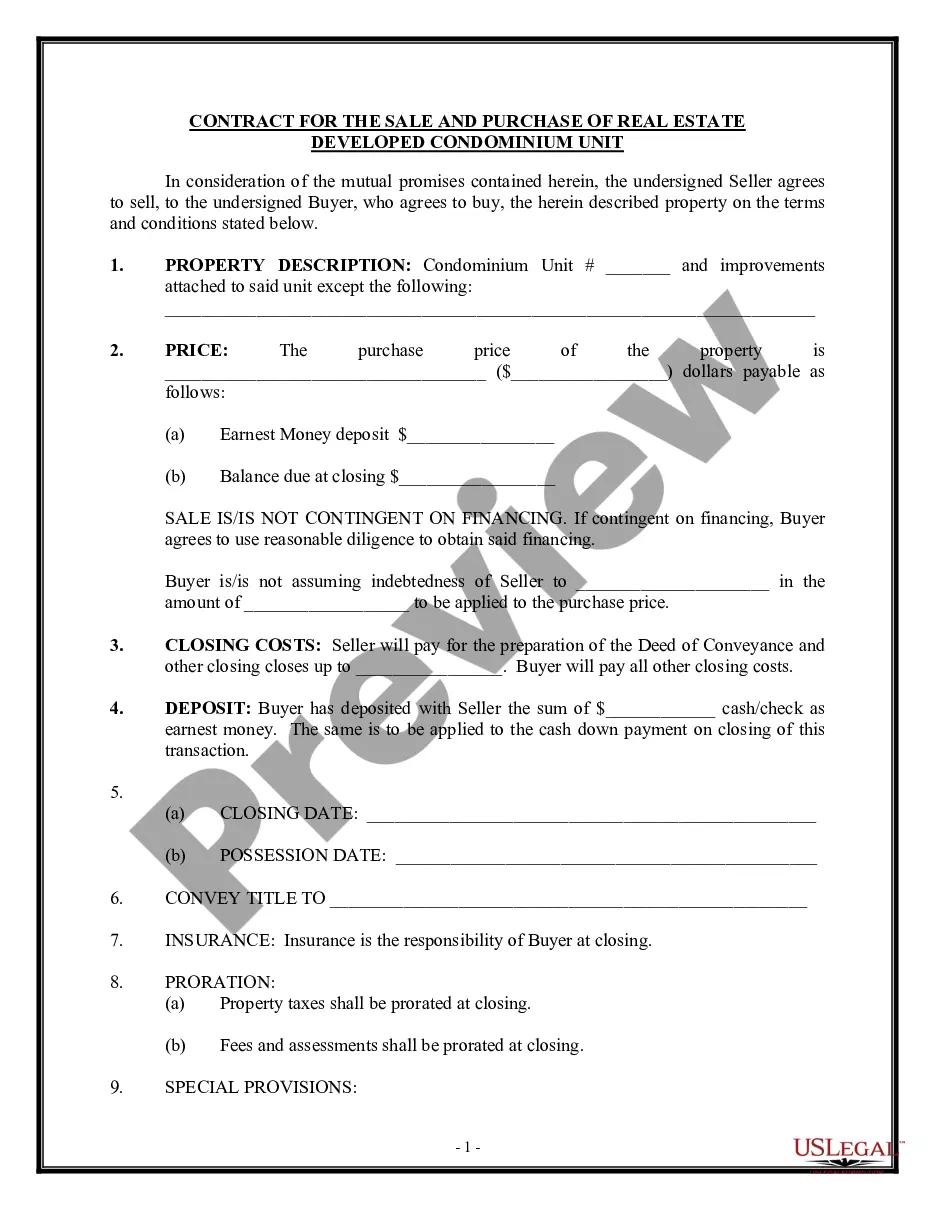
Get your form ready online
Our built-in tools help you complete, sign, share, and store your documents in one place.
Make edits, fill in missing information, and update formatting in US Legal Forms—just like you would in MS Word.
Download a copy, print it, send it by email, or mail it via USPS—whatever works best for your next step.
Sign and collect signatures with our SignNow integration. Send to multiple recipients, set reminders, and more. Go Premium to unlock E-Sign.
If this form requires notarization, complete it online through a secure video call—no need to meet a notary in person or wait for an appointment.
We protect your documents and personal data by following strict security and privacy standards.

Make edits, fill in missing information, and update formatting in US Legal Forms—just like you would in MS Word.

Download a copy, print it, send it by email, or mail it via USPS—whatever works best for your next step.

Sign and collect signatures with our SignNow integration. Send to multiple recipients, set reminders, and more. Go Premium to unlock E-Sign.

If this form requires notarization, complete it online through a secure video call—no need to meet a notary in person or wait for an appointment.

We protect your documents and personal data by following strict security and privacy standards.
Looking for another form?
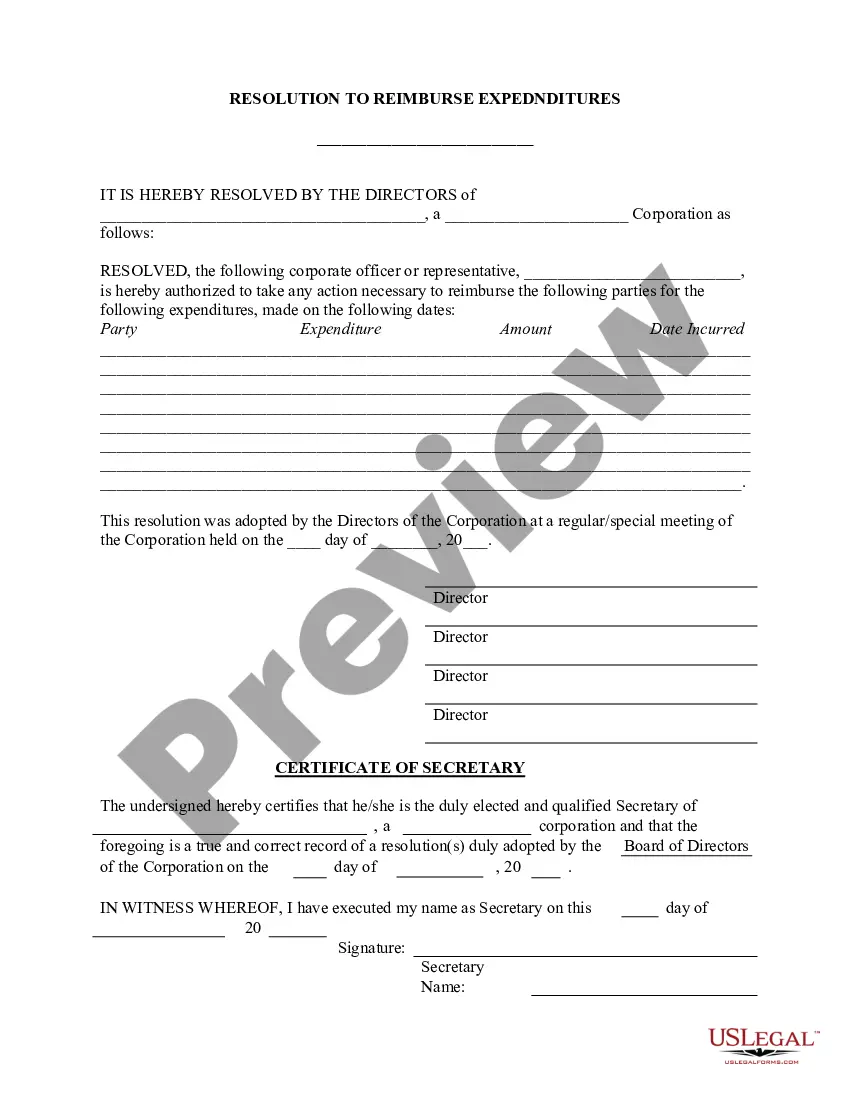
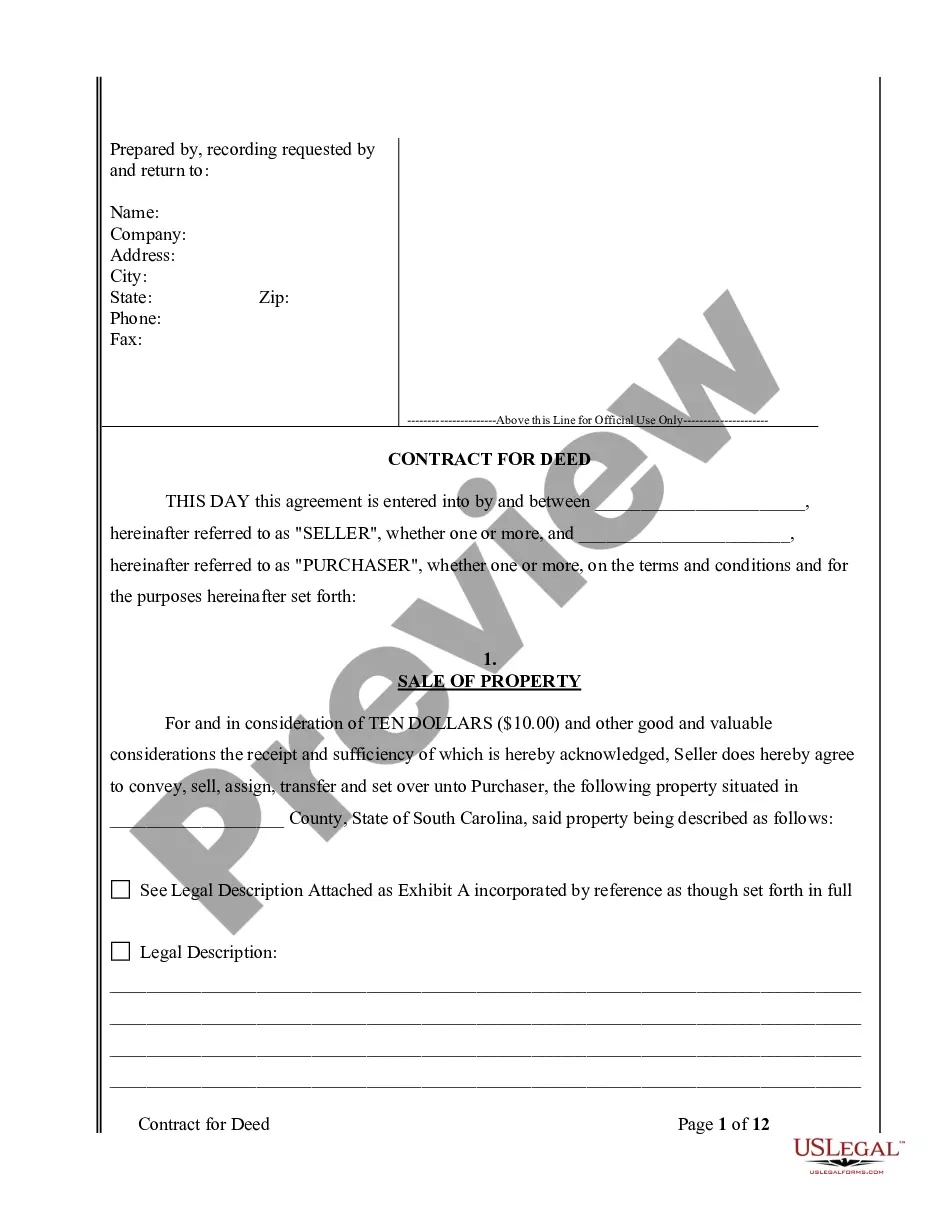
Form popularity
FAQ
Do you find yourself daydreaming of cashing out and taking this golden opportunity to divest into some other form of investment without first having to evict your current tenants? Well, Osborne Homes has good news! 1) It is possible to legally sell your property with tenants in California.
The most common types include joint tenancy, tenancy in common, tenants by entirety, sole ownership, and community property.
What specific requirements must be met in a rental lease agreement in California? Lease agreements must clearly state the terms of rent, responsibilities for maintenance, and conditions under which the lease can be terminated. They must comply with the amended local and state housing laws.
The tenancy agreement should include: the deposit amount and how it will be protected. when the deposit can be fully or partly withheld, for example to repair damage caused by tenants. the property address. the start and end date of the tenancy. any tenant or landlord obligations. which bills your tenants are responsible for.
Assured Tenancy (AT) and Assured Shorthold Tenancy (AST) agreements offer more security than other tenancies as they offer the tenant more rights. For an agreement to be an Assured Tenancy, the tenant needs to occupy the property as their sole residence, and they have to be an individual, not a company.
Whilst an AST can last for any duration, tenants have a legal right to stay in a property for a minimum of six months. This applies whether the AST was for a shorter term than this or not.
At a glance: What a landlord cannot do in California in 2024 Landlords can't raise rent more than 10% total or 5% + CPI increase (whichever is lower) over a 12-month period. No-fault evictions are prohibited, so landlords can't evict a tenant without cause.
The Ellis Act (California Government Code Chapter 12.75) is a 1985 California state law that allows landlords to evict residential tenants to "go out of the rental business" in spite of desires by local governments to compel them to continue providing rental housing.
Yes, it is perfectly legal for a housing provider to require a minimum household income. Most housing providers require that the combined income of all household members equal 2.5 to 3 times the monthly rental amount. It is also legal to rent to the person with the highest income.
In some states, notarization isn't necessary for leases shorter than one year. For example, California does not require notarization for standard residential leases, while Ohio may require it for some lease types.