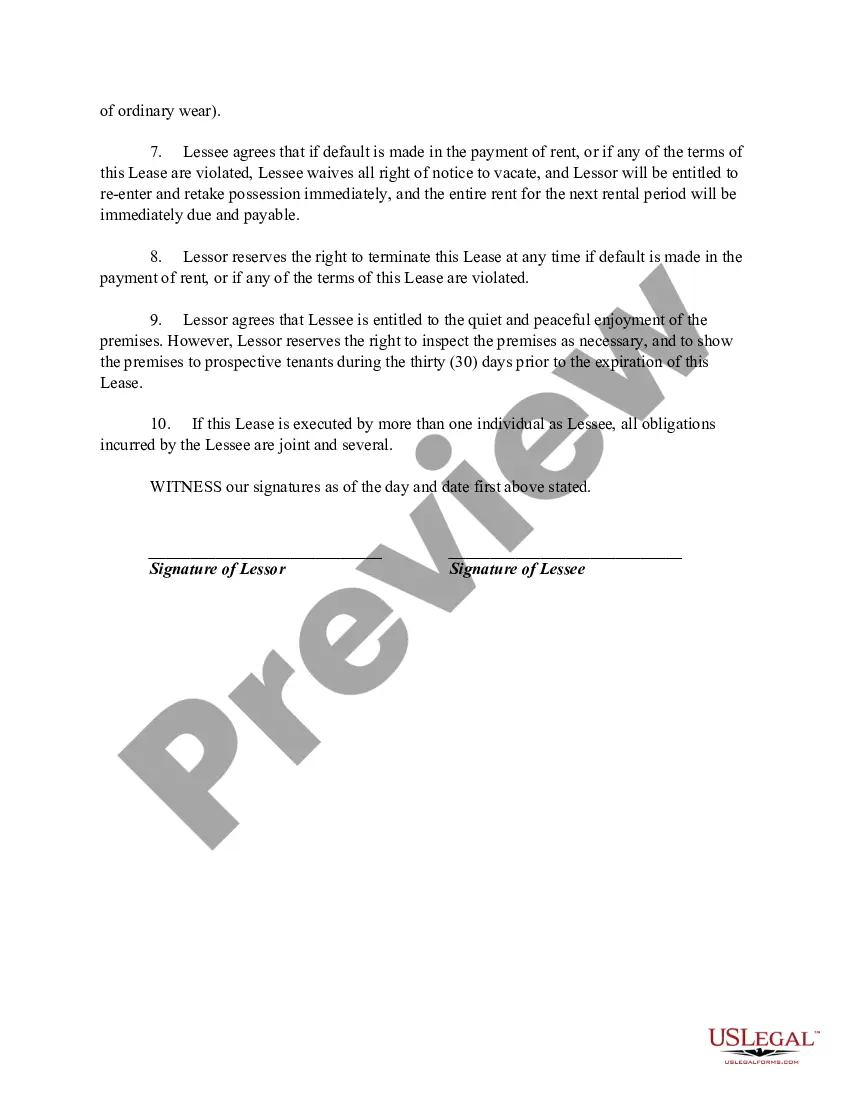
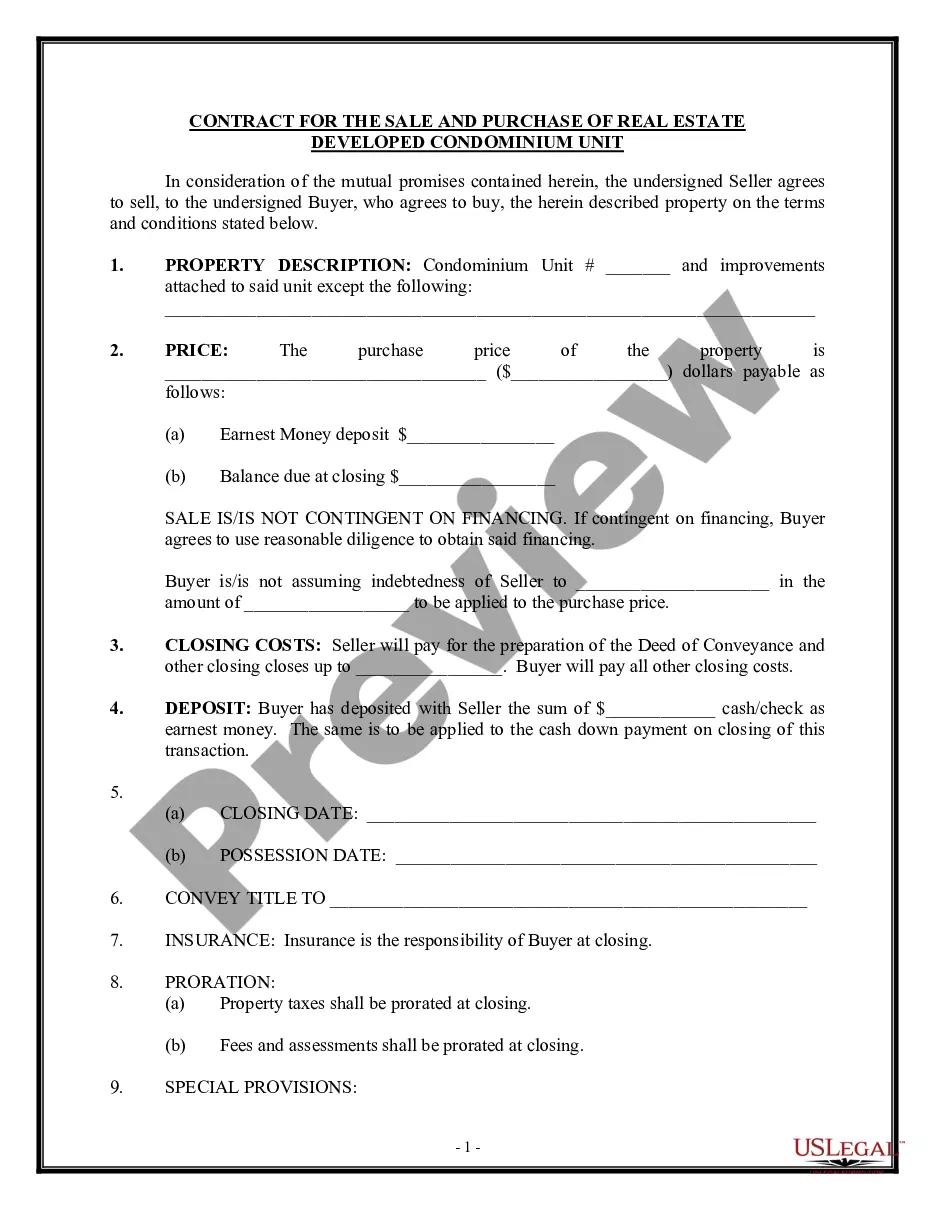
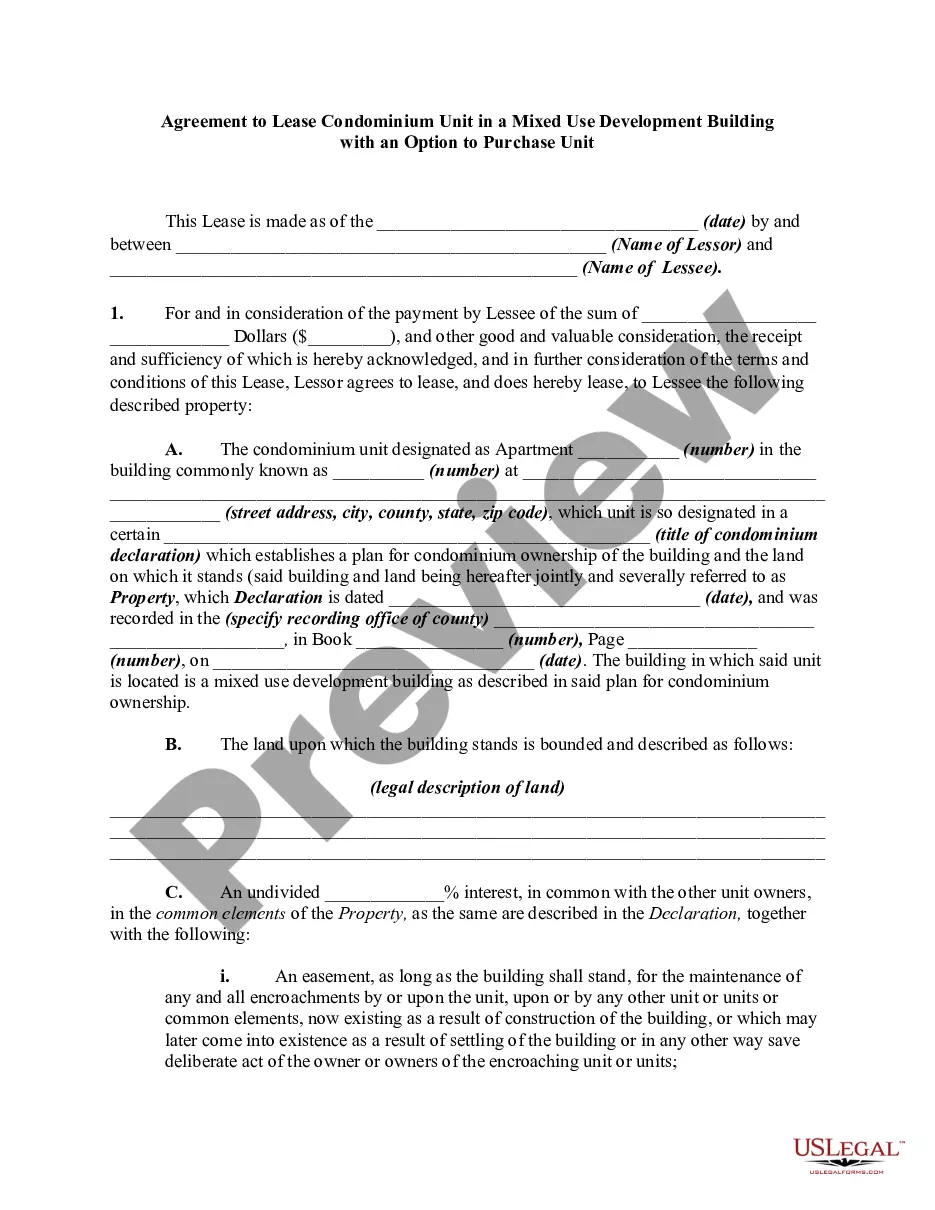
Agreement Condominium Rental With Tenants In Franklin
Description

Get your form ready online
Our built-in tools help you complete, sign, share, and store your documents in one place.
Make edits, fill in missing information, and update formatting in US Legal Forms—just like you would in MS Word.
Download a copy, print it, send it by email, or mail it via USPS—whatever works best for your next step.
Sign and collect signatures with our SignNow integration. Send to multiple recipients, set reminders, and more. Go Premium to unlock E-Sign.
If this form requires notarization, complete it online through a secure video call—no need to meet a notary in person or wait for an appointment.
We protect your documents and personal data by following strict security and privacy standards.

Make edits, fill in missing information, and update formatting in US Legal Forms—just like you would in MS Word.

Download a copy, print it, send it by email, or mail it via USPS—whatever works best for your next step.

Sign and collect signatures with our SignNow integration. Send to multiple recipients, set reminders, and more. Go Premium to unlock E-Sign.

If this form requires notarization, complete it online through a secure video call—no need to meet a notary in person or wait for an appointment.

We protect your documents and personal data by following strict security and privacy standards.
Looking for another form?

Form popularity
FAQ
Overview of Tenancy Contracts in the Philippines A tenancy contract, also known as a lease agreement, is a legal agreement between a landlord and a tenant wherein the landlord allows the tenant to occupy and use a property for a specified period in exchange for rent.
The tenancy agreement should include: the deposit amount and how it will be protected. when the deposit can be fully or partly withheld, for example to repair damage caused by tenants. the property address. the start and end date of the tenancy. any tenant or landlord obligations. which bills your tenants are responsible for.
If you're married or in a civil partnership Your partner will have rights in the home after they move in, even if they're not on the tenancy agreement: you cannot end the tenancy without their permission, unless you apply for a court order.
Lease Agreements and Their Binding Nature in Philippine Law. Under the Philippine Civil Code, a lease agreement is a binding contract that specifies the rights and obligations of both the lessor (landlord) and the lessee (tenant).
Republic Act 9653, known as the Rent Control Act of 2009, protects tenants from unreasonable rent increases and provides the eviction rules that both landlords and tenants must observe. The law covers housing units with a monthly rent of up to Php 10,000 in Metro Manila and other highly urbanized cities.
Use a professional tone when writing a letter to request repairs. State clearly what needs repair, why it's needed, and include a deadline for completing it. Also, consider including a reminder that repairs may need to be completed for the tenant to remain compliant with their lease agreement.
Tenants in the Philippines, especially those with long-term occupancy of agricultural lands, have robust legal rights, including the potential for land ownership under certain conditions. The rights are anchored in the principles of security of tenure, fair rent, and due process in cases of eviction.
