Job Application With Resume Example In North Carolina
Description

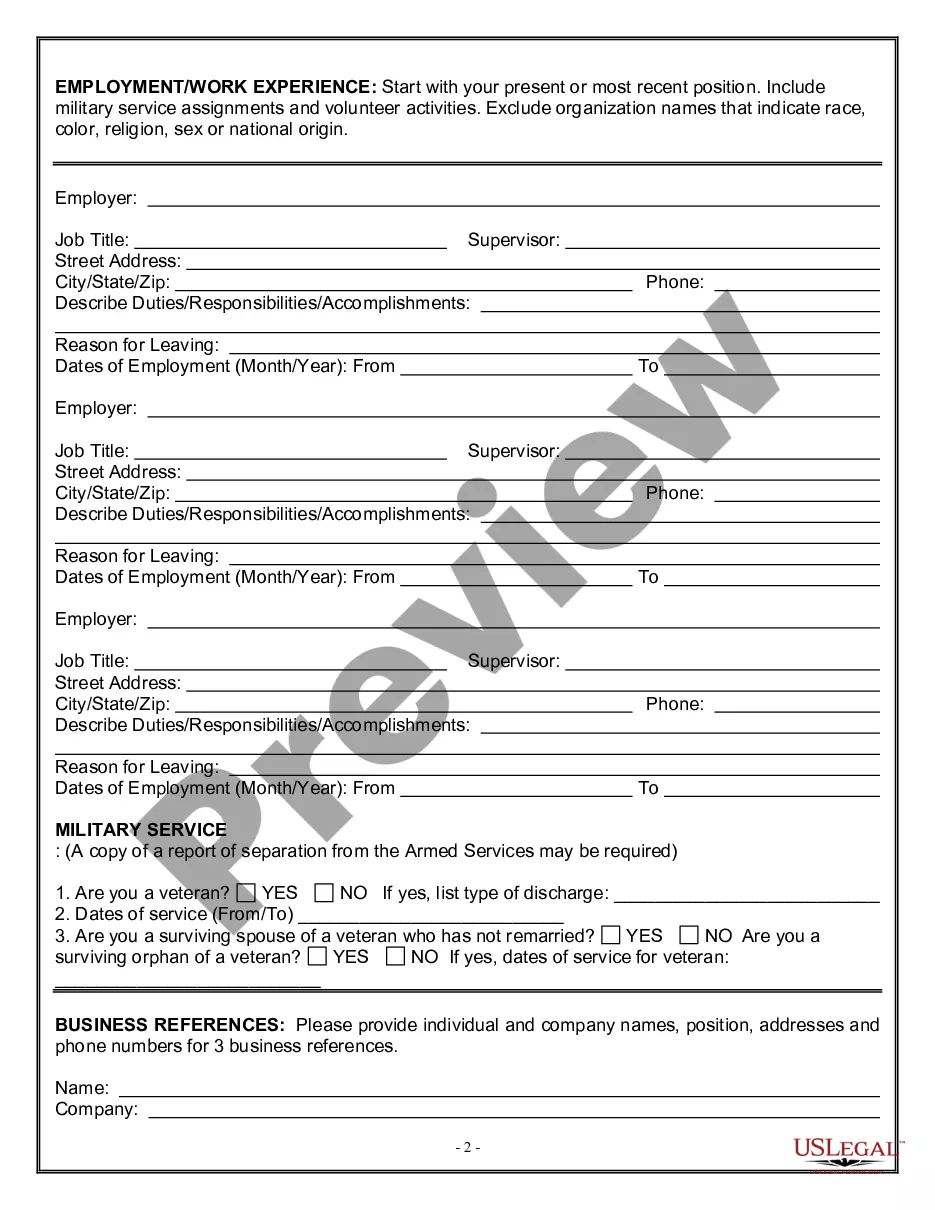
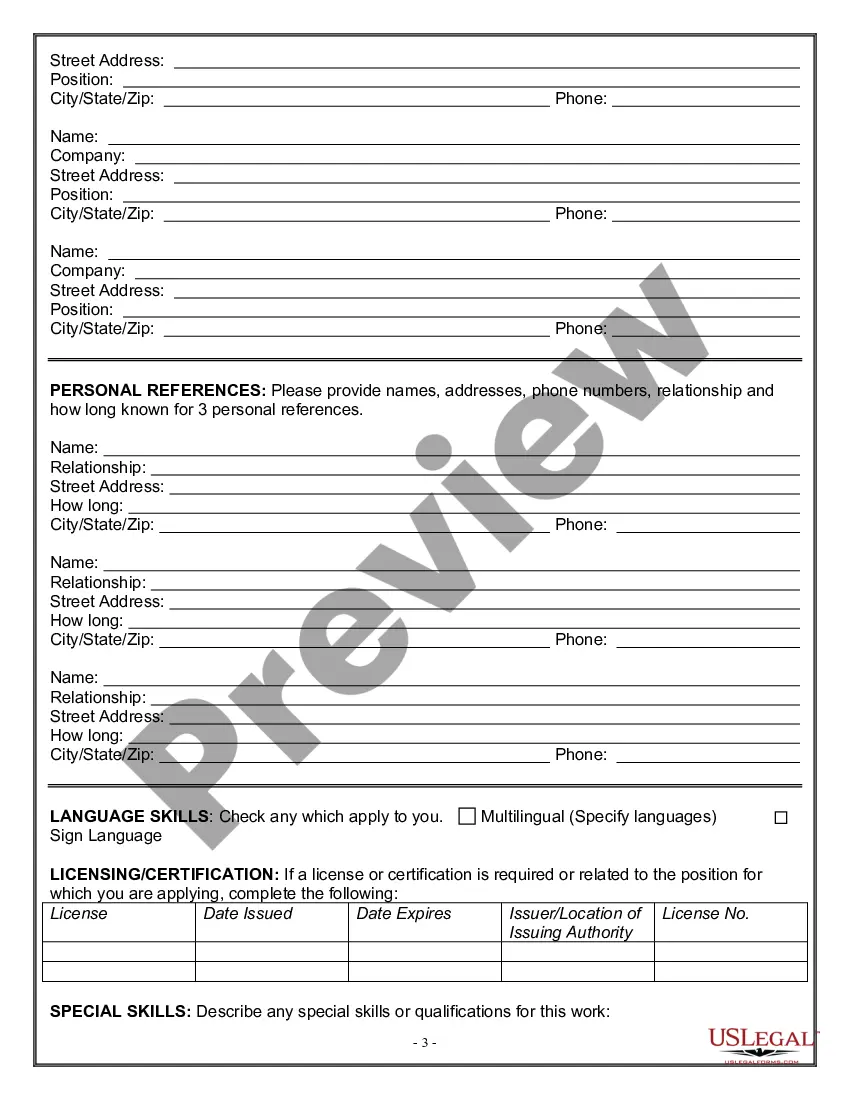
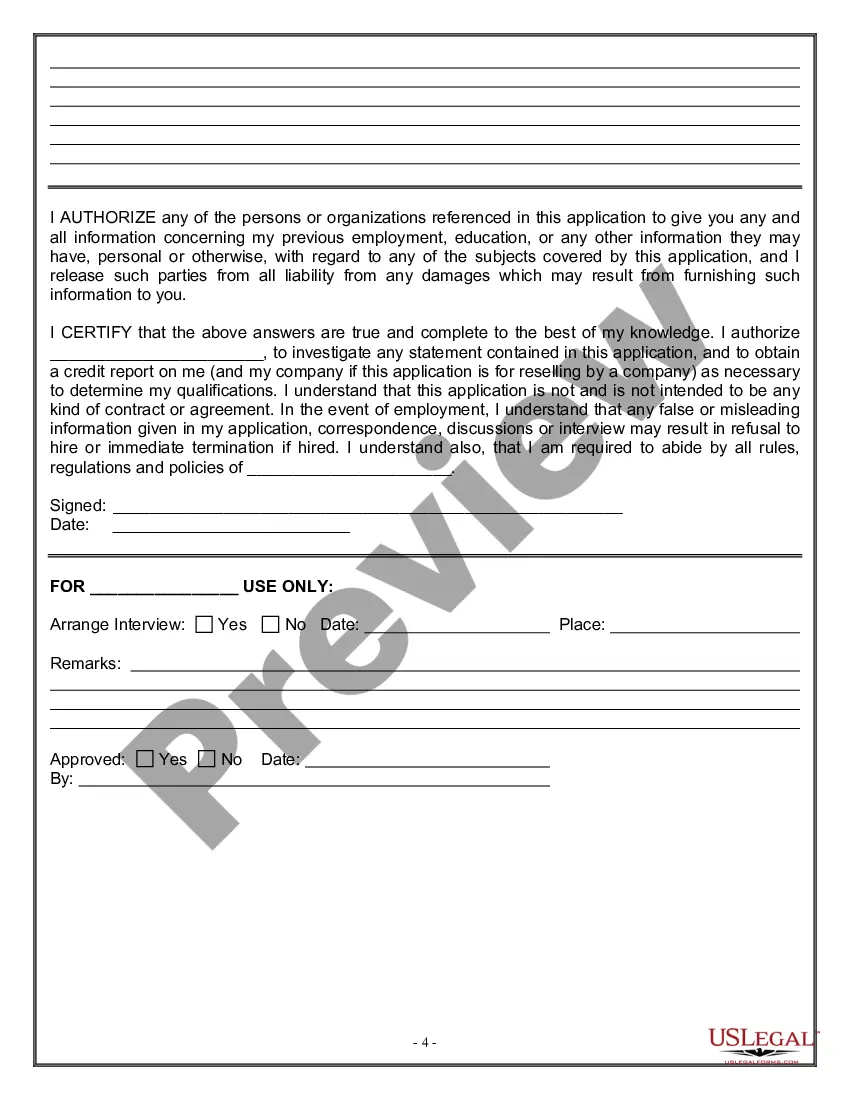
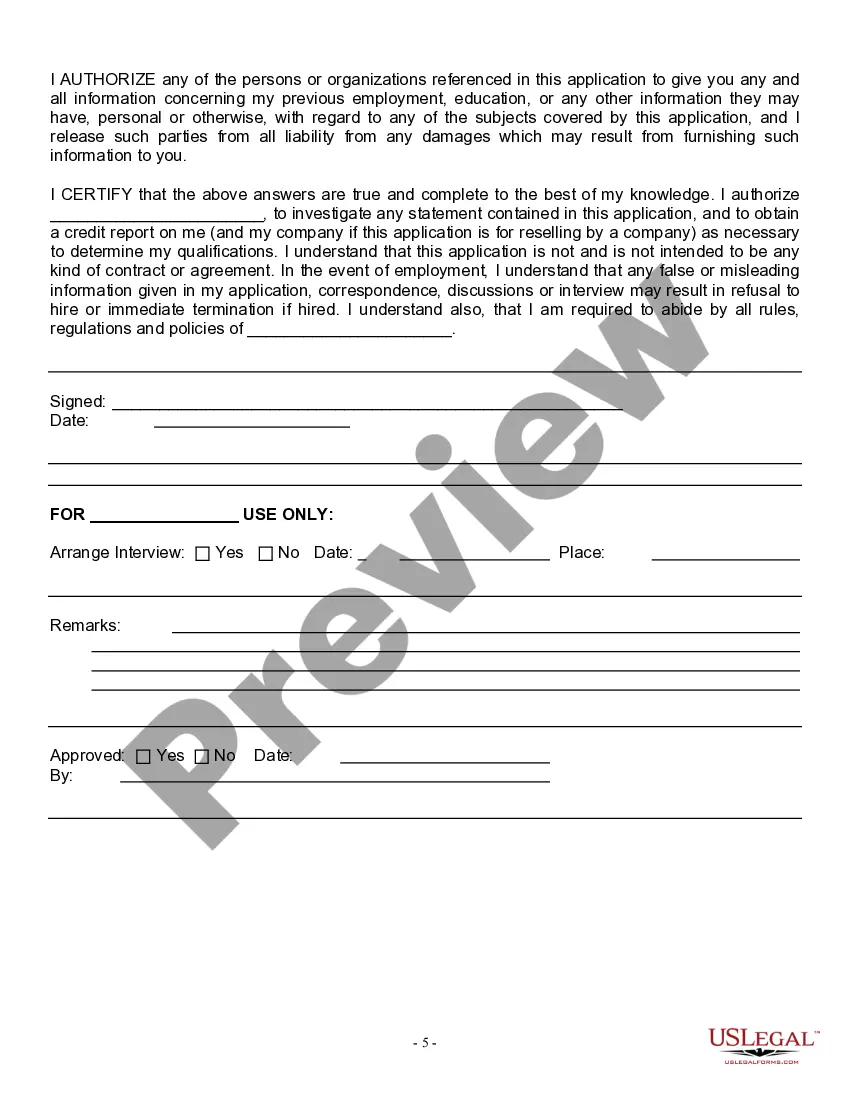
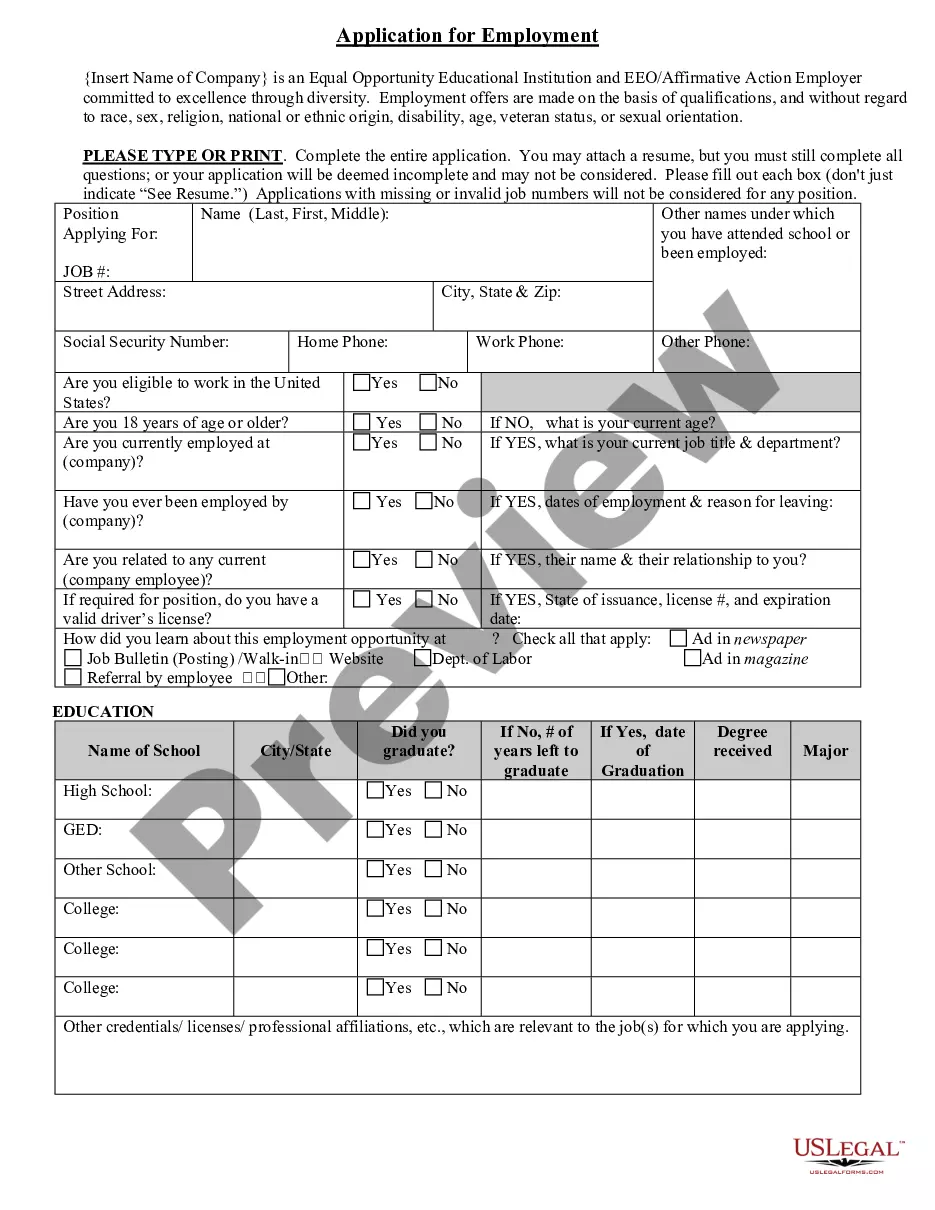
Get your form ready online
Our built-in tools help you complete, sign, share, and store your documents in one place.
Make edits, fill in missing information, and update formatting in US Legal Forms—just like you would in MS Word.
Download a copy, print it, send it by email, or mail it via USPS—whatever works best for your next step.
Sign and collect signatures with our SignNow integration. Send to multiple recipients, set reminders, and more. Go Premium to unlock E-Sign.
If this form requires notarization, complete it online through a secure video call—no need to meet a notary in person or wait for an appointment.
We protect your documents and personal data by following strict security and privacy standards.

Make edits, fill in missing information, and update formatting in US Legal Forms—just like you would in MS Word.

Download a copy, print it, send it by email, or mail it via USPS—whatever works best for your next step.

Sign and collect signatures with our SignNow integration. Send to multiple recipients, set reminders, and more. Go Premium to unlock E-Sign.

If this form requires notarization, complete it online through a secure video call—no need to meet a notary in person or wait for an appointment.

We protect your documents and personal data by following strict security and privacy standards.
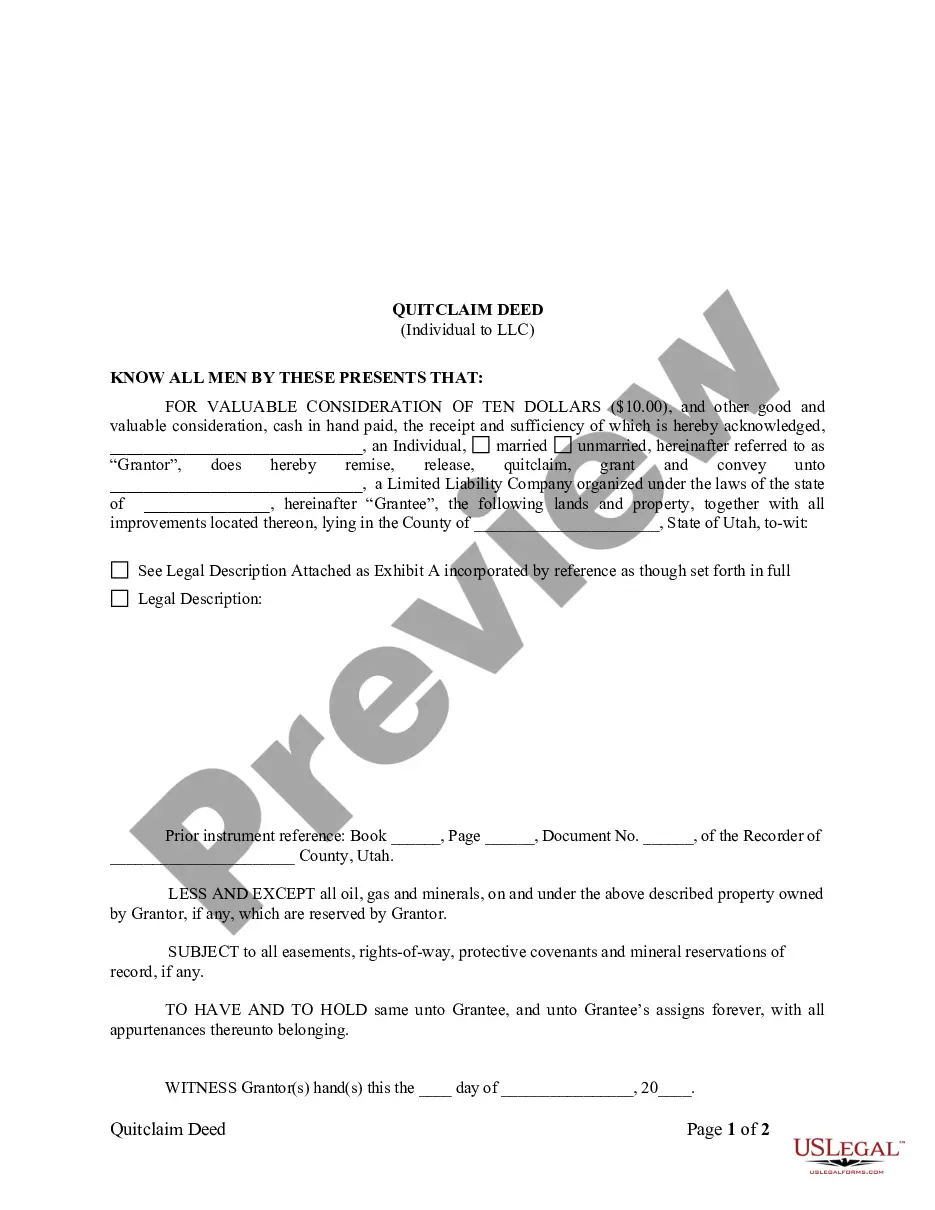
Looking for another form?








Form popularity
FAQ
Popular resume builder sites include Kickresume, Resume Genius, and Zety.
The most popular resume type is the reverse-chronological resume format. This is also the most preferred by most recruiters for its easy-to-read layout.
Resumes should only include the most relevant information about you, while CVs contain your entire career history. Function. Resumes are more than enough for most job applications, while CVs are mainly used in academic settings.
Both a CV and resume represent your experiences and skills and are used in an application process to get you an interview. A CV presents a full history of your academic accomplishments, while a resume presents a concise summary of your qualifications.
CV is Latin for Curriculum Vitae (course of life). In the U.S., a C.V is an exhaustive academic summary used for applications for roles in academia, scientific research and medical fields. In Europe, Ireland and New Zealand, the term CV is used to mean the same as a “resume” in the U.S.
If the employer is located in the U.S., you should likely submit a resume, unless the position is in the academic, medical, or scientific fields. If the position is located abroad, a CV may be a better option. If you're unsure, reach out to the recruiter or manager supervising the hiring process.
How To Create A Professional Resume? Start by choosing the right resume format. Include your name and contact information. Add a resume summary or objective. List your soft and hard skills. List your professional history with keywords. Include an education section. Consider adding optional sections. Format your resume.
In the United States and Canada, CV and resume are sometimes used interchangeably. If you are not sure which kind of document to submit, it is best to ask for clarification.
How to Write an Application Letter for a Job Step 1: Research the Company and Job Role. Step 2: Use a Professional Format. Step 3: Write an Engaging Introduction. Step 4: Highlight Relevant Skills and Experiences. Step 5: End with a Strong Conclusion.
To ensure a well-prepared resume, carefully examine your relevant qualifications and match them with the requirements of your desired job. Take the time to organize a comprehensive list that includes: Impressive measurable accomplishments from your previous positions that highlight your achievements and contributions.