Cover Letter Examples For Restaurant Manager In Wayne
Description
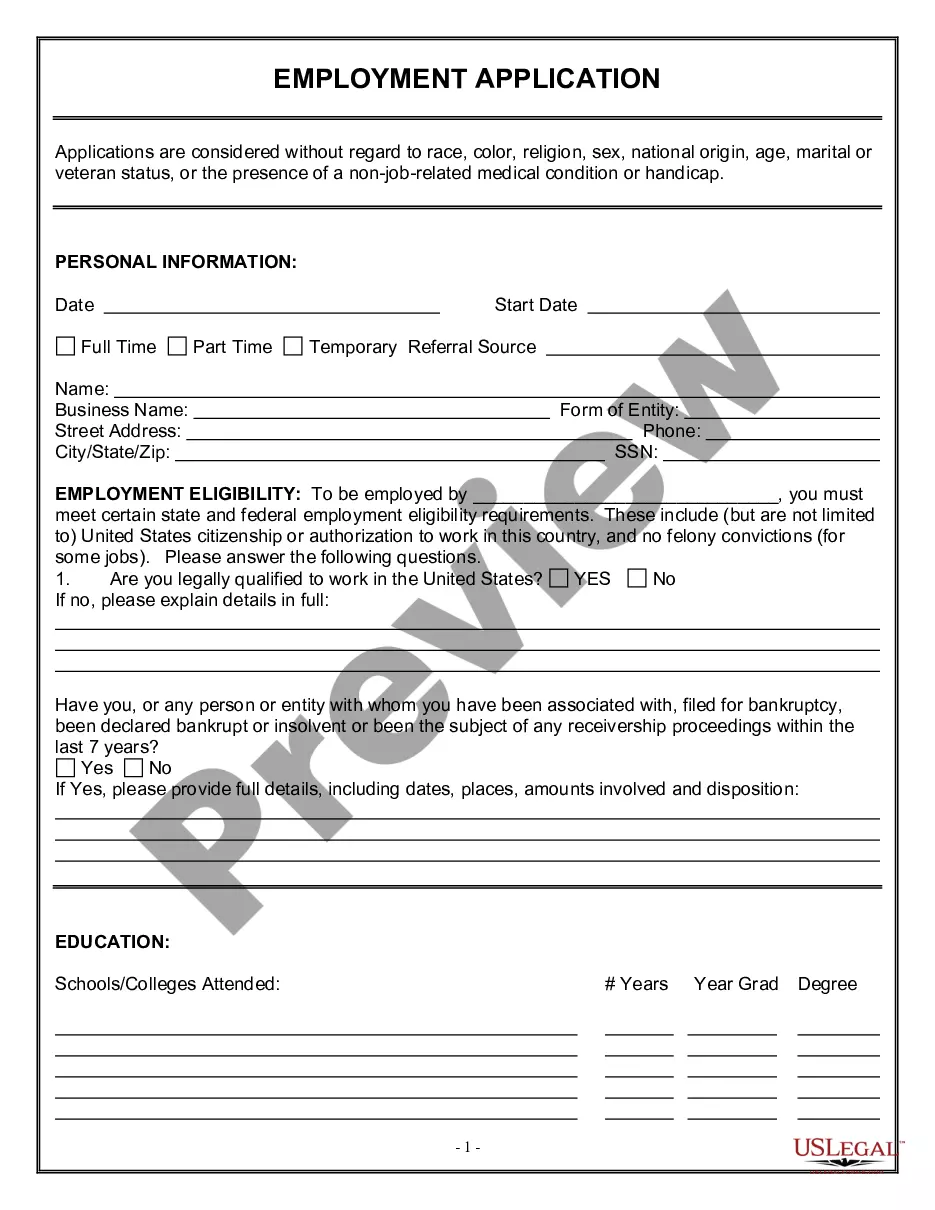
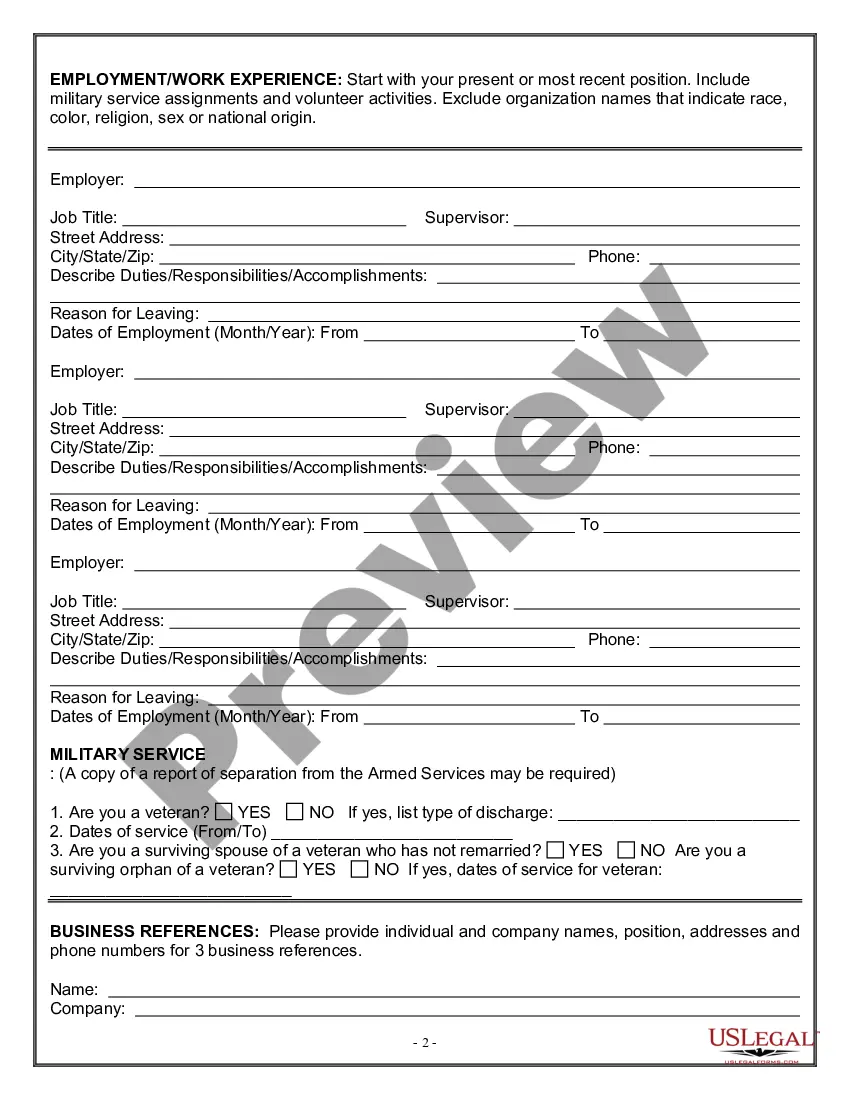
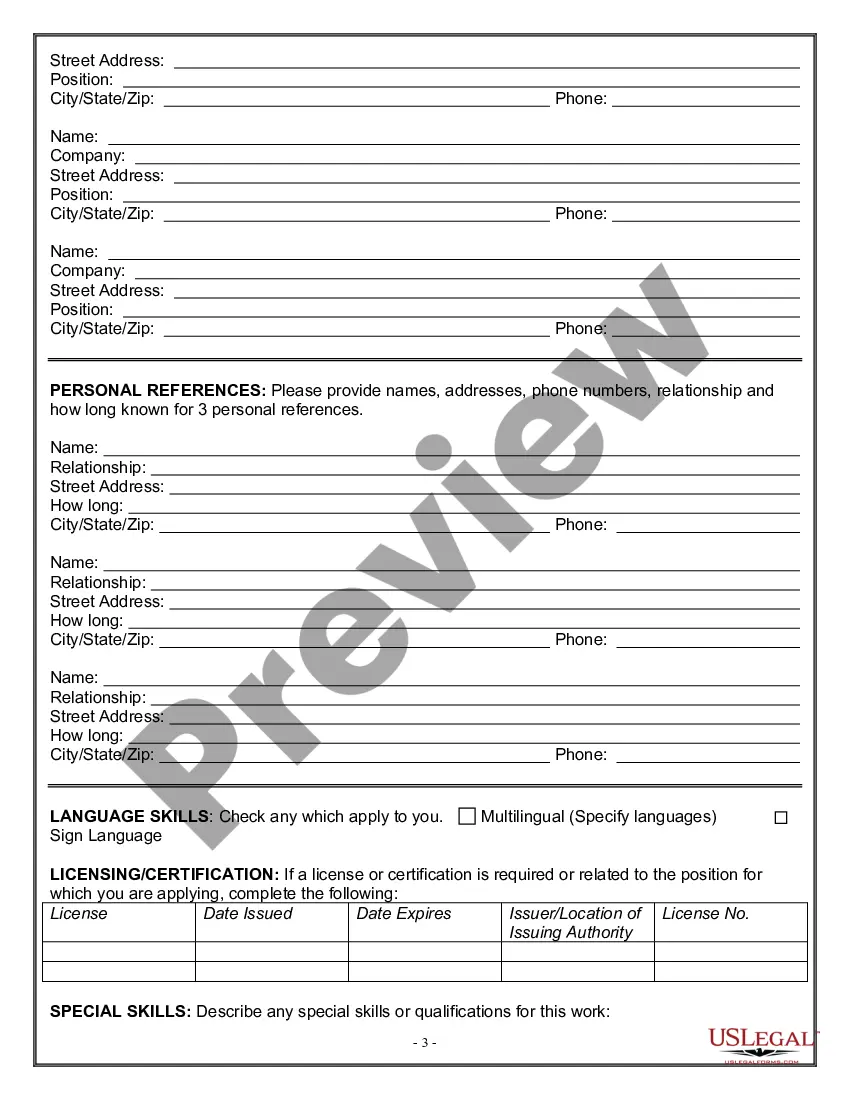
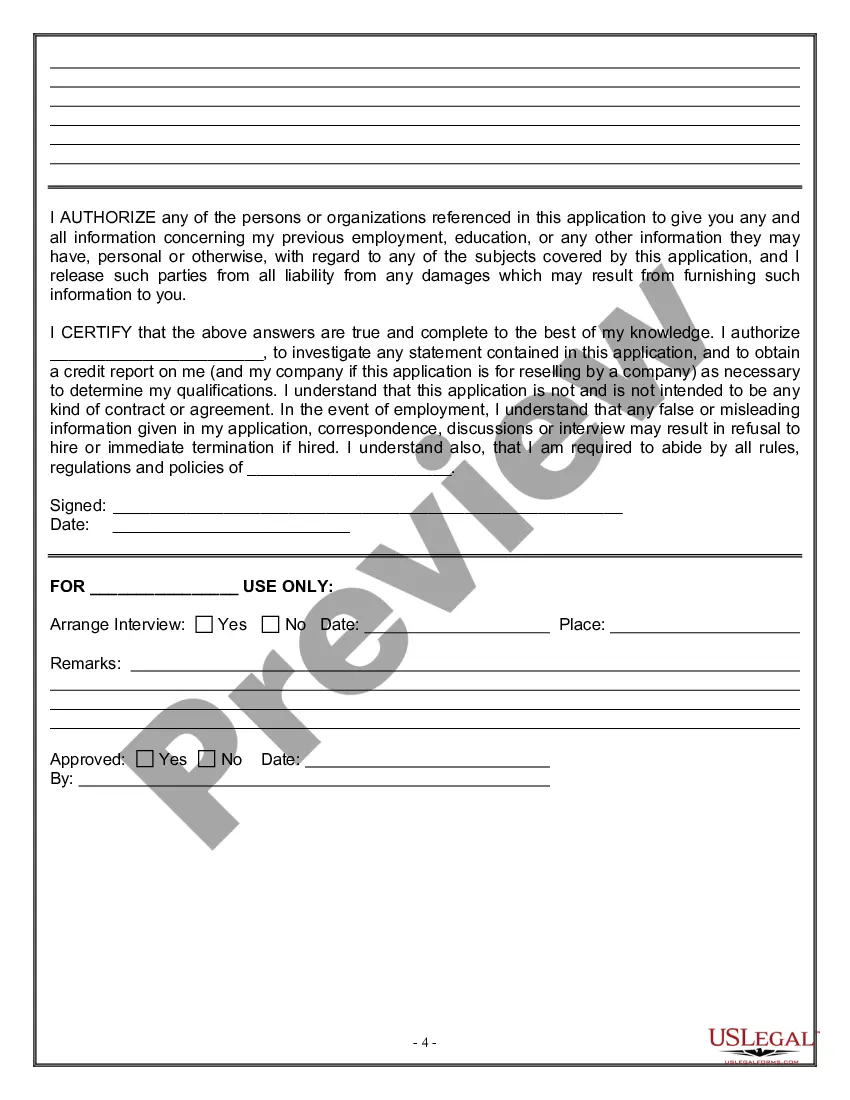
Get your form ready online
Our built-in tools help you complete, sign, share, and store your documents in one place.
Make edits, fill in missing information, and update formatting in US Legal Forms—just like you would in MS Word.
Download a copy, print it, send it by email, or mail it via USPS—whatever works best for your next step.
Sign and collect signatures with our SignNow integration. Send to multiple recipients, set reminders, and more. Go Premium to unlock E-Sign.
If this form requires notarization, complete it online through a secure video call—no need to meet a notary in person or wait for an appointment.
We protect your documents and personal data by following strict security and privacy standards.

Make edits, fill in missing information, and update formatting in US Legal Forms—just like you would in MS Word.

Download a copy, print it, send it by email, or mail it via USPS—whatever works best for your next step.

Sign and collect signatures with our SignNow integration. Send to multiple recipients, set reminders, and more. Go Premium to unlock E-Sign.

If this form requires notarization, complete it online through a secure video call—no need to meet a notary in person or wait for an appointment.

We protect your documents and personal data by following strict security and privacy standards.
Looking for another form?









Form popularity
FAQ
A good way to address a cover letter is by using the hiring manager's full name, preceded by “Dear” and followed by a colon. For example, “Dear Jane Doe:” If the name isn't available, use a title like “Dear Hiring Manager” or “Dear Job Title Team.”
How to write a restaurant manager cover letter Introduce yourself. Begin your cover letter by introducing yourself to the hiring manager and naming the position. Describe your restaurant or management experience. Discuss your relevant skills. Explain your professional goals. End with a call to action.
If you do not know who will receive your cover letter, you can use a general salutation such as ``Dear Hiring Manager'' or ``To Whom It May Concern.'' While addressing the letter to a specific person is ideal, using a generic salutation is acceptable when the recipient's name is unknown.
Use their formal titles: If your boss has a formal title, such as “Dr.,” “Prof.,” “Mr.,” “Ms.,” “Mrs.,” or “Miss,” use it appropriately. For example: “Dear Mr. Smith,” or “Hello Dr. Johnson.” Make this a rule of thumb — always go for this.
Example: "As I have been a restaurant manager for over three years, I have developed strong leadership skills. I am able to lead and motivate my team members without being overbearing. I also have great interpersonal skills, which help me connect with customers and easily resolve issues when necessary. "
Using the salutation "Dear Hiring Manager" is the optimal choice for many hiring professionals when a name is unavailable.
How to write a case manager cover letter Format your cover letter. Include your contact information. Greet the reader and introduce yourself. Describe your background in case management. Detail why you're ideal for the position. Conclude the letter with a call to action.
Use a generic salutation, such as Dear Hiring Manager, Dear Recruiting Manager or Dear Human Resources Professional. (Avoid To Whom It May Concern; it is antiquated.) Another option is to write Greetings, which is somewhat informal but polite.
During your introduction, briefly share information about yourself, including how you began your career, what motivates you, and your goals. Consider adding personal details, such as hobbies or family time, to help make you more relatable. Sharing personal information with your team can also help you earn their trust.
