Partition Settlement Agreement Format In Virginia
Description


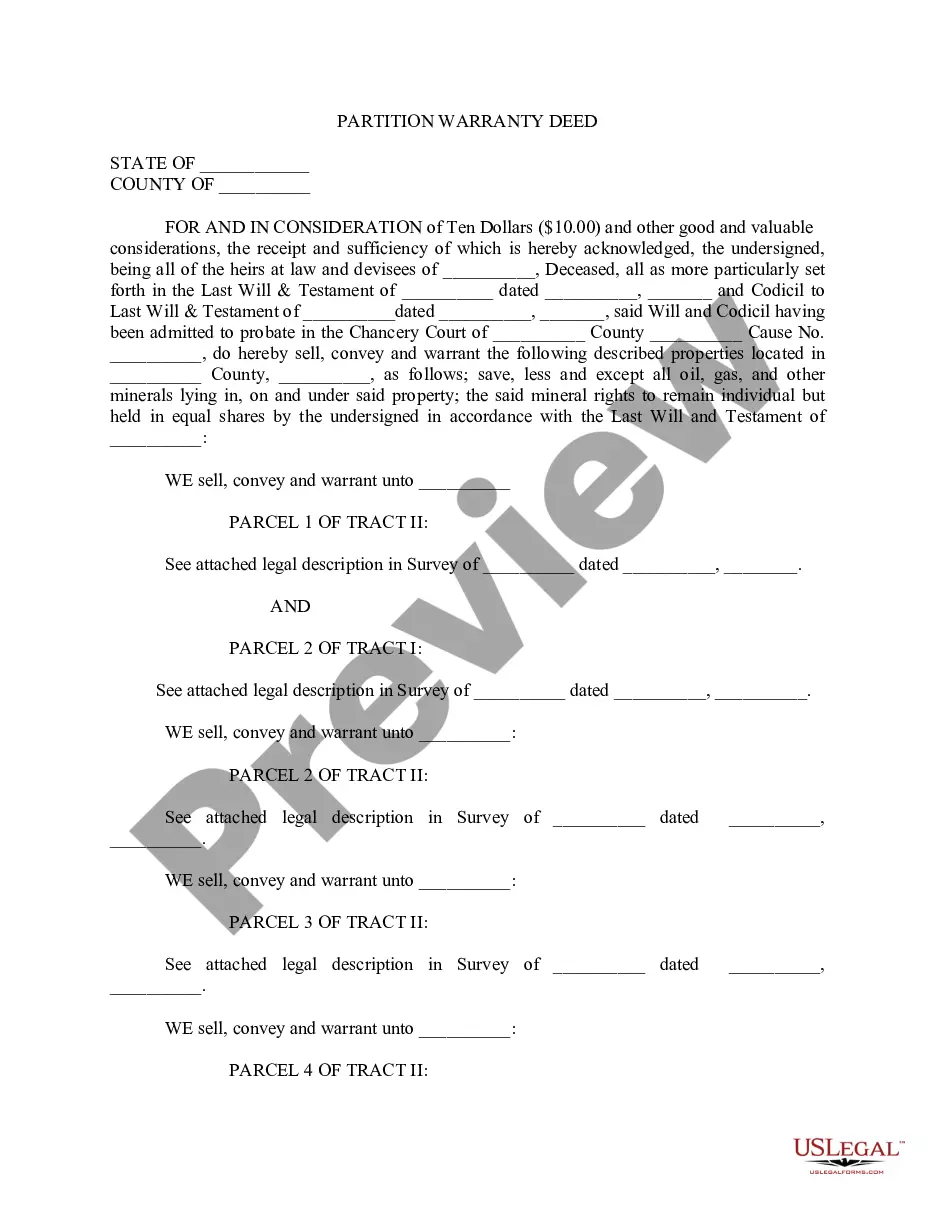
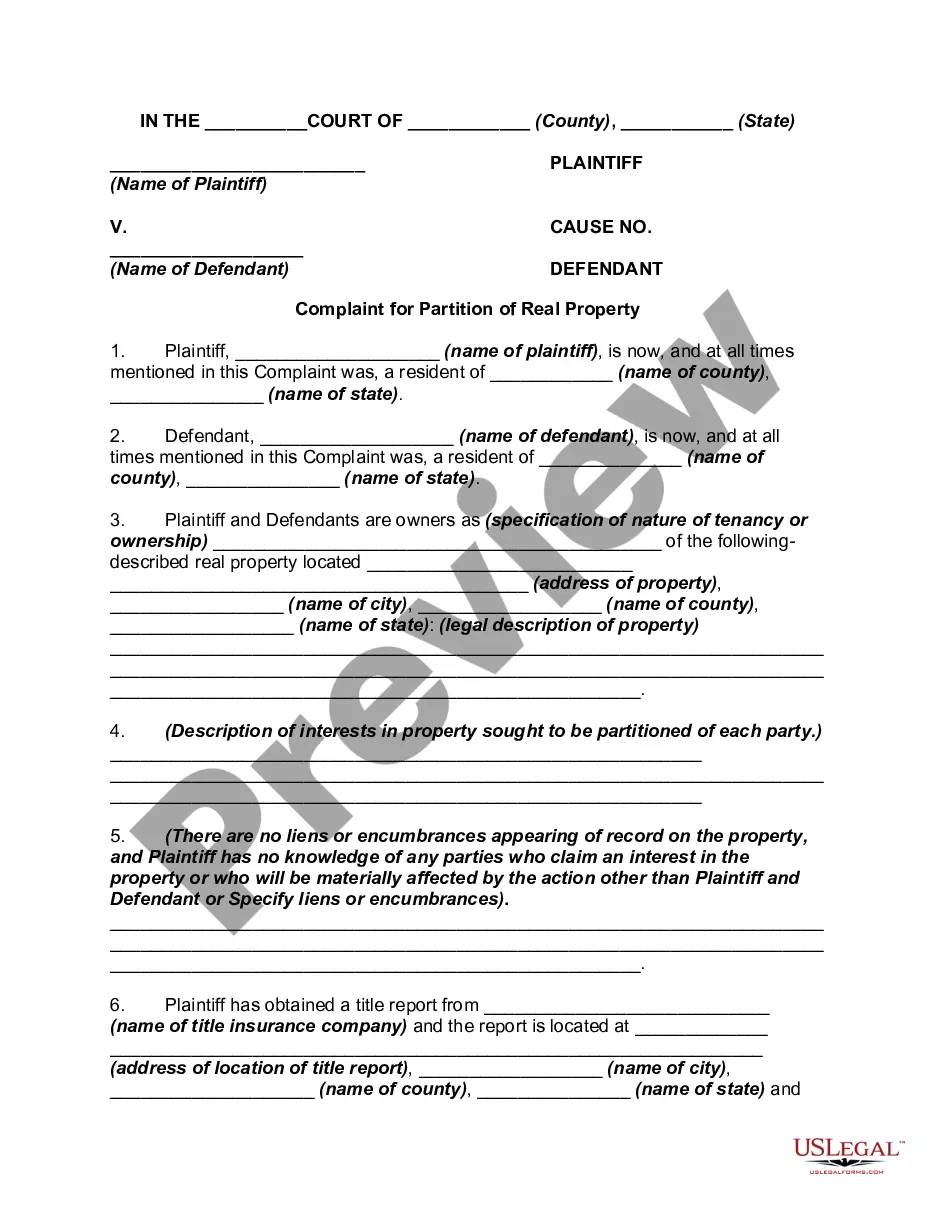
Get your form ready online
Our built-in tools help you complete, sign, share, and store your documents in one place.
Make edits, fill in missing information, and update formatting in US Legal Forms—just like you would in MS Word.
Download a copy, print it, send it by email, or mail it via USPS—whatever works best for your next step.
Sign and collect signatures with our SignNow integration. Send to multiple recipients, set reminders, and more. Go Premium to unlock E-Sign.
If this form requires notarization, complete it online through a secure video call—no need to meet a notary in person or wait for an appointment.
We protect your documents and personal data by following strict security and privacy standards.

Make edits, fill in missing information, and update formatting in US Legal Forms—just like you would in MS Word.

Download a copy, print it, send it by email, or mail it via USPS—whatever works best for your next step.

Sign and collect signatures with our SignNow integration. Send to multiple recipients, set reminders, and more. Go Premium to unlock E-Sign.

If this form requires notarization, complete it online through a secure video call—no need to meet a notary in person or wait for an appointment.

We protect your documents and personal data by following strict security and privacy standards.
Looking for another form?




Form popularity
FAQ
A property settlement agreement is an indispensable tool in the divorce process. It not only provides a clear framework for the division of assets but also empowers couples to take control of their divorce proceedings.
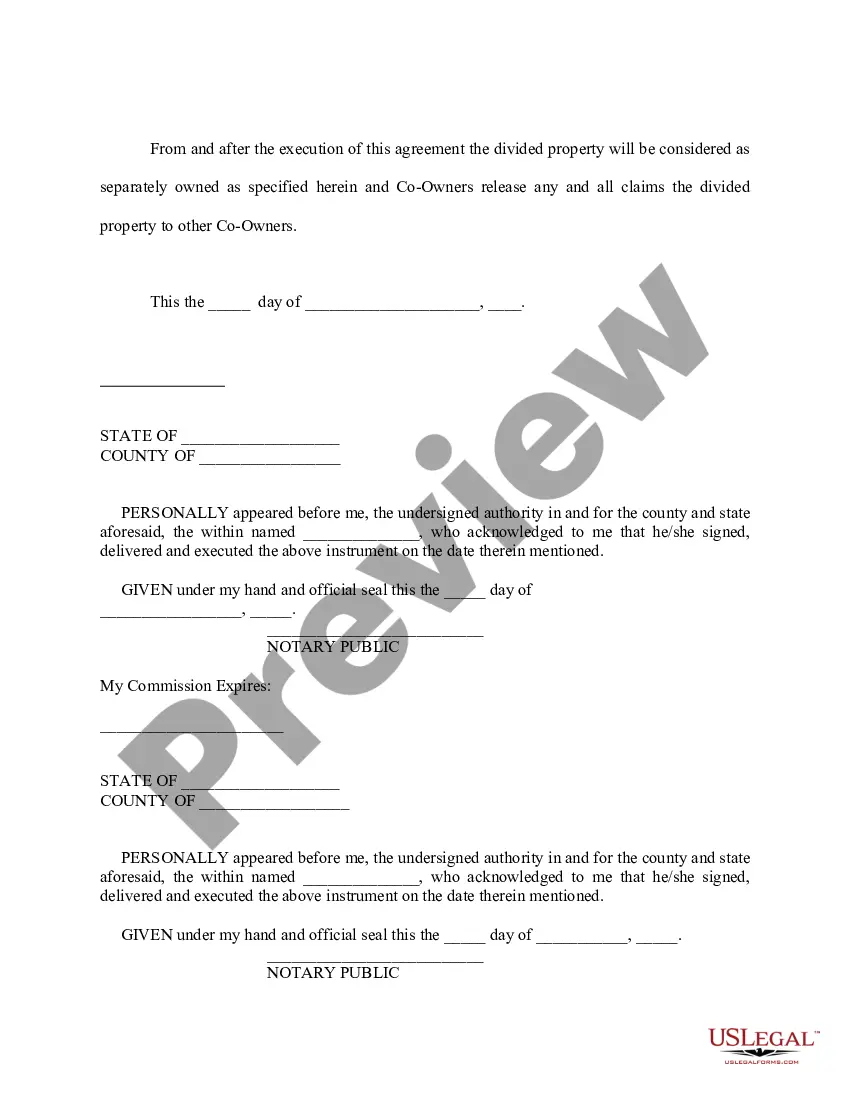
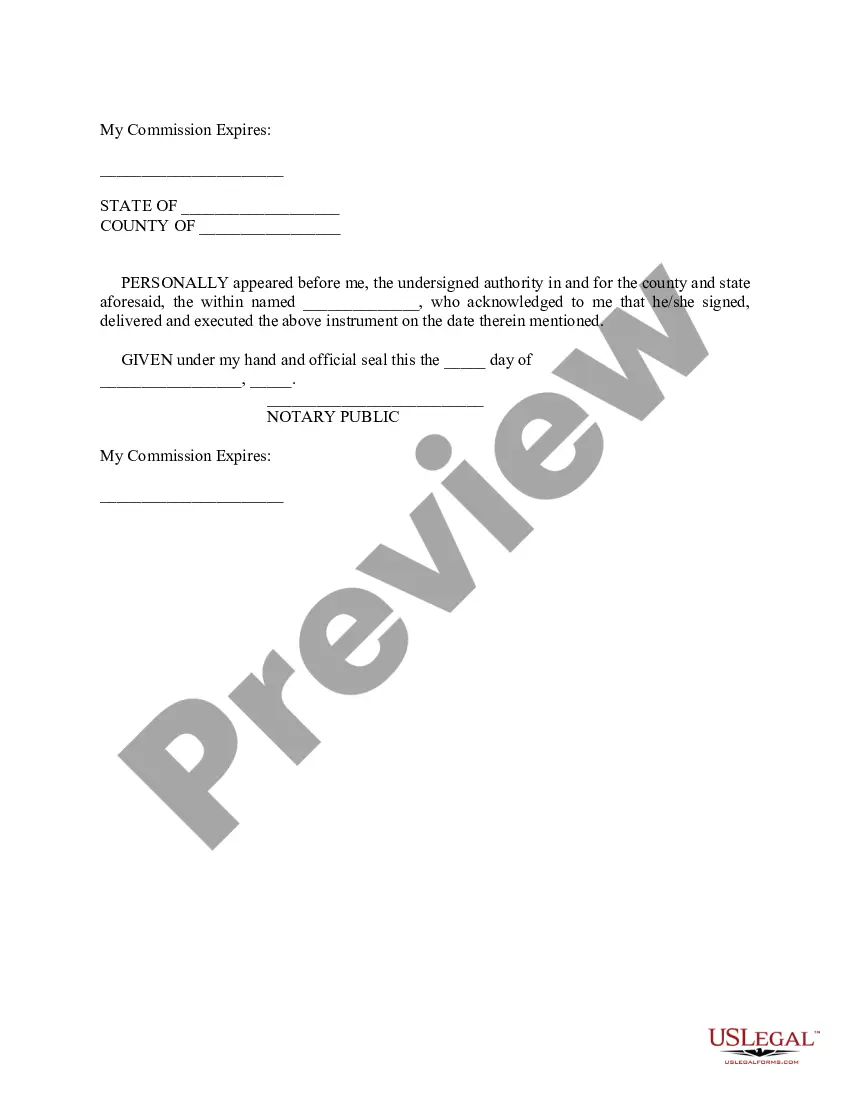
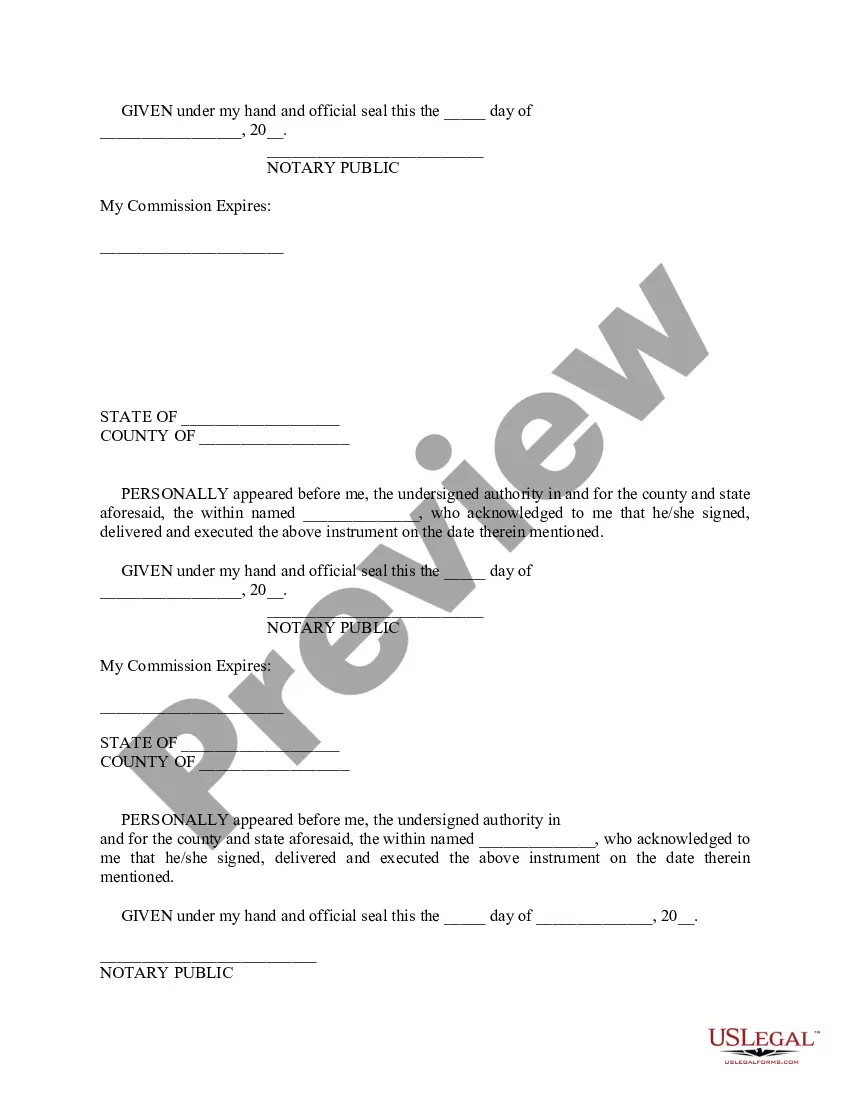
Notarization: While it is not required, it is a good practice to have both spouses sign the agreement in the presence of a notary public to avoid a later denial of signing.
Default and Enforcement These provisions should specify what constitutes a default under the agreement (i.e., failure to make a settlement payment when due), and they should specify how the non-defaulting party is entitled to enforce performance (i.e., through a confession of judgment).
When we are having a consultation with new clients, it happens that some people ask the question -- can I write my own separation agreement in Virginia. In trying to maintain our desire to provide straight forward answers, I will answer like this -- yes, you can write your own separation agreement in Virginia.
But there are a few key things you'll want to avoid doing during your separation that your Virginia divorce lawyer wants you to be aware of. Don't Date Without Considering the Consequences. Don't Indulge in Retail Therapy. Don't Vent on Social Media. Don't Give up on Co-parenting. Consult With Your Virginia Divorce Lawyer.
Even with a separation agreement in place, the parties are not “legally separated.” Again, Virginia does not have a procedure for obtaining a status of legal separation. A separation agreement is not a court order. A fully executed agreement is a valid contract and as such is enforceable by general contract principles.
If you and your spouse have property, assets, and/or debts to divide, you must have a “Property Settlement Agreement” (“PSA”) or “Separation Agreement” that you both understand and agree to before beginning this program. A mediator may help you divide these.
To answer your question, Virginia law doesn't require a marital & property settlement agreement to be notarized. An unnotarized agreement will have as much legal weight as a notarized one. However, I would strongly recommend notarizing it in order to avoid forgery allegations.
If there has been no qualification of a personal representative within 30 days following the decedent's death, a list of heirs, made under oath in ance with the form provided to each clerk or a computer-generated facsimile thereof, may be filed by any heir at law of a decedent who died intestate.
If you and your siblings inherit family property but can't agree on the property's management or sale, partition is the legal process to secure a resolution. Partition can also be a solution when unmarried property owners no longer want to stay together but are unable to manage jointly owned property.
