Partition Settlement Agreement With Sale In Texas
Description


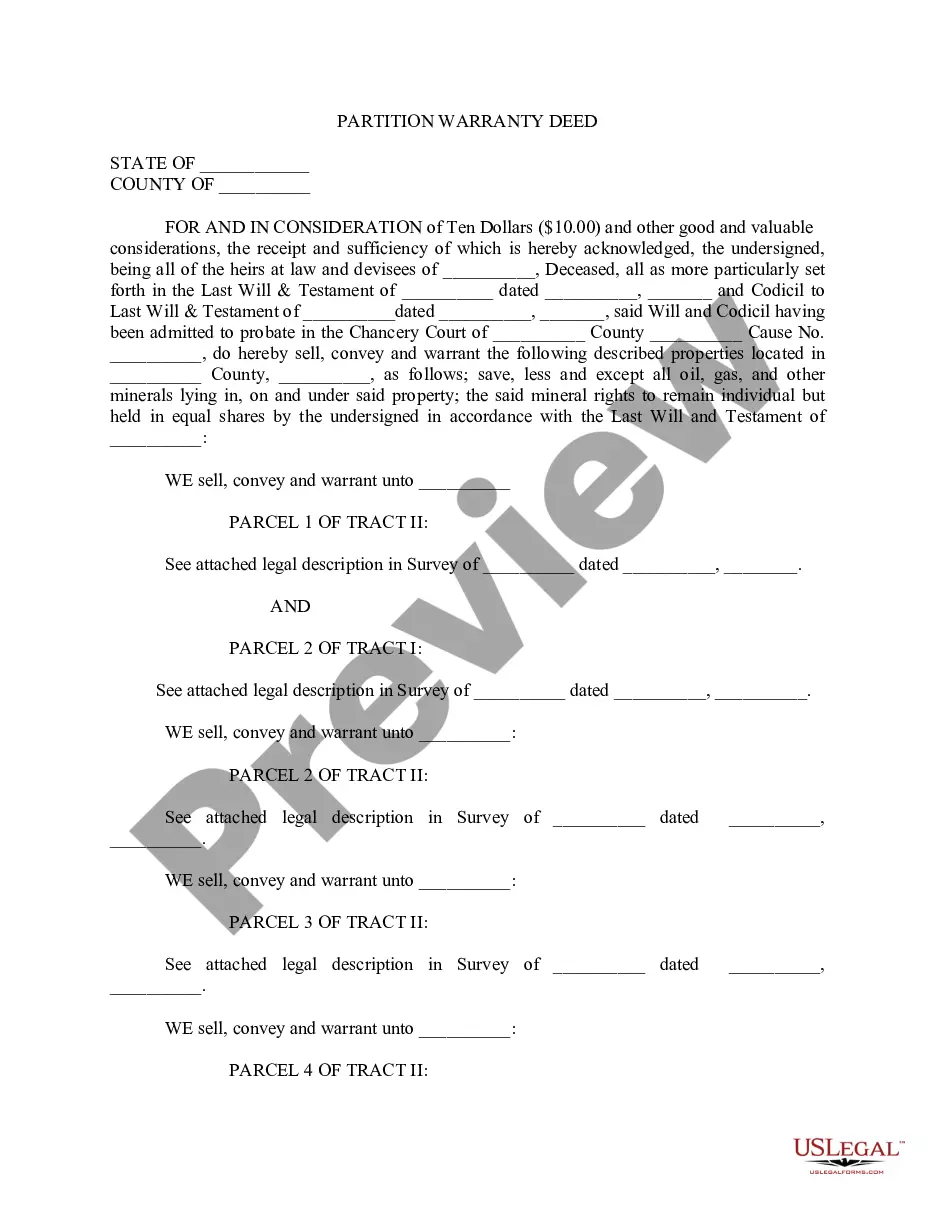
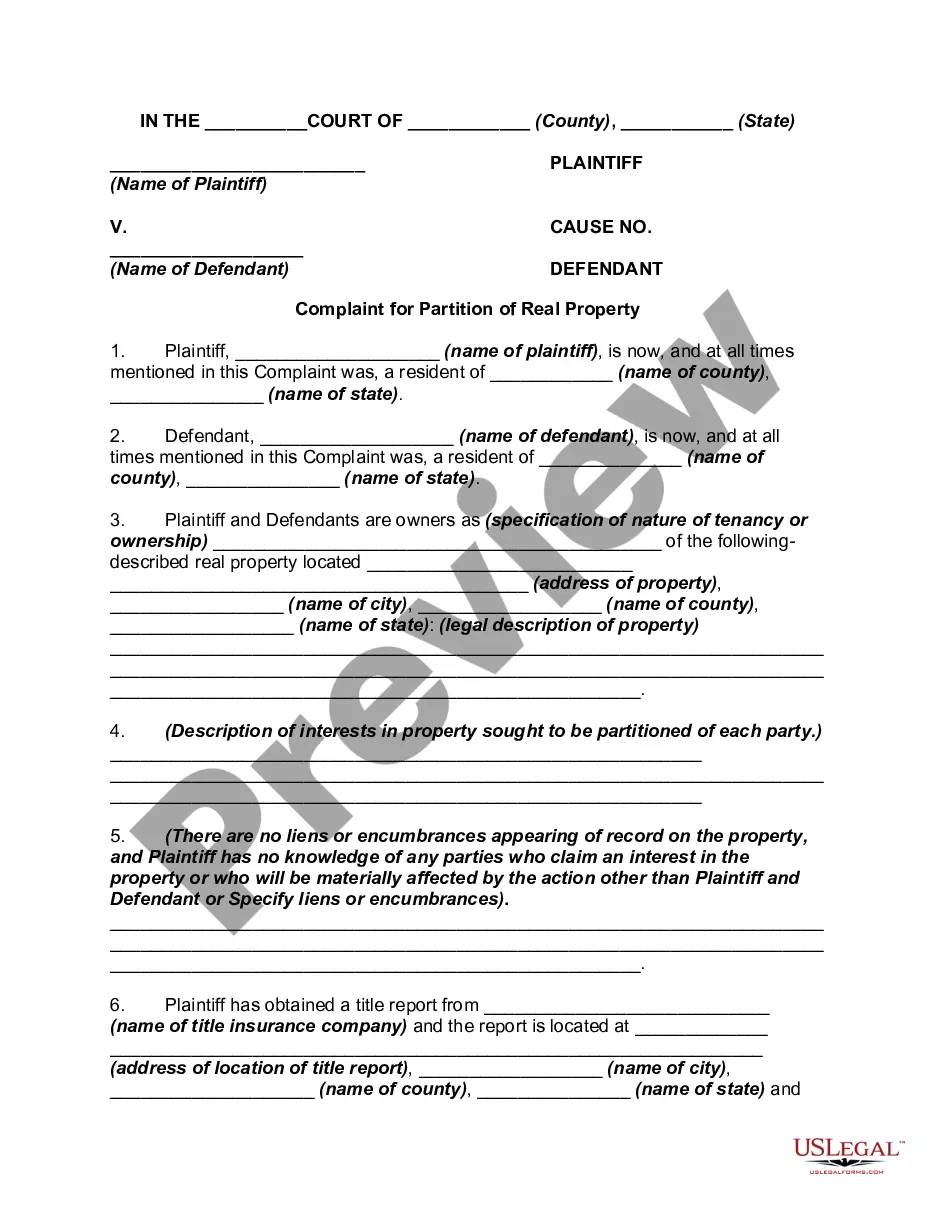
Get your form ready online
Our built-in tools help you complete, sign, share, and store your documents in one place.
Make edits, fill in missing information, and update formatting in US Legal Forms—just like you would in MS Word.
Download a copy, print it, send it by email, or mail it via USPS—whatever works best for your next step.
Sign and collect signatures with our SignNow integration. Send to multiple recipients, set reminders, and more. Go Premium to unlock E-Sign.
If this form requires notarization, complete it online through a secure video call—no need to meet a notary in person or wait for an appointment.
We protect your documents and personal data by following strict security and privacy standards.

Make edits, fill in missing information, and update formatting in US Legal Forms—just like you would in MS Word.

Download a copy, print it, send it by email, or mail it via USPS—whatever works best for your next step.

Sign and collect signatures with our SignNow integration. Send to multiple recipients, set reminders, and more. Go Premium to unlock E-Sign.

If this form requires notarization, complete it online through a secure video call—no need to meet a notary in person or wait for an appointment.

We protect your documents and personal data by following strict security and privacy standards.
Looking for another form?






Form popularity
FAQ
To win a partition action can take anywhere from a couple of months to reach a settlement agreement to a year or more if it goes to a court trial.
The process of partition action starts with one or more owners filing a petition in court. The court then examines the real estate details and the owners' interests to decide on the best division method.
A partition agreement divides, or partitions, a married couple's community estate into two separate estates. It is sometimes called a post-nuptial or post-marital agreement and is similar to a prenuptial agreement, except that it is executed by a married couple.
The process of partition action starts with one or more owners filing a petition in court. The court then examines the real estate details and the owners' interests to decide on the best division method.
In short, to force the sale of jointly owned property, you must first confirm title, then attempt a voluntary sale or buyout, file and serve a partition lawsuit, get an appraisal, sell the property, and finally divide the sale proceeds fairly.
In Texas, an executor can sell a property without all beneficiaries' approval if the will explicitly grants them such authority, if it's necessary for estate administration, or with court approval. They have until the end of probate, which can take up to a year, to complete the sale.
4.102. PARTITION OR EXCHANGE OF COMMUNITY PROPERTY. At any time, the spouses may partition or exchange between themselves all or part of their community property, then existing or to be acquired, as the spouses may desire.
The Consent Requirement for Selling Property With Texas being a community property state, both spouses' signatures are more than just a formality; they're a legal necessity. Attempting to sell property without consent can have serious legal implications.
