Partition Agreement Sample With Retainer In Philadelphia
Description

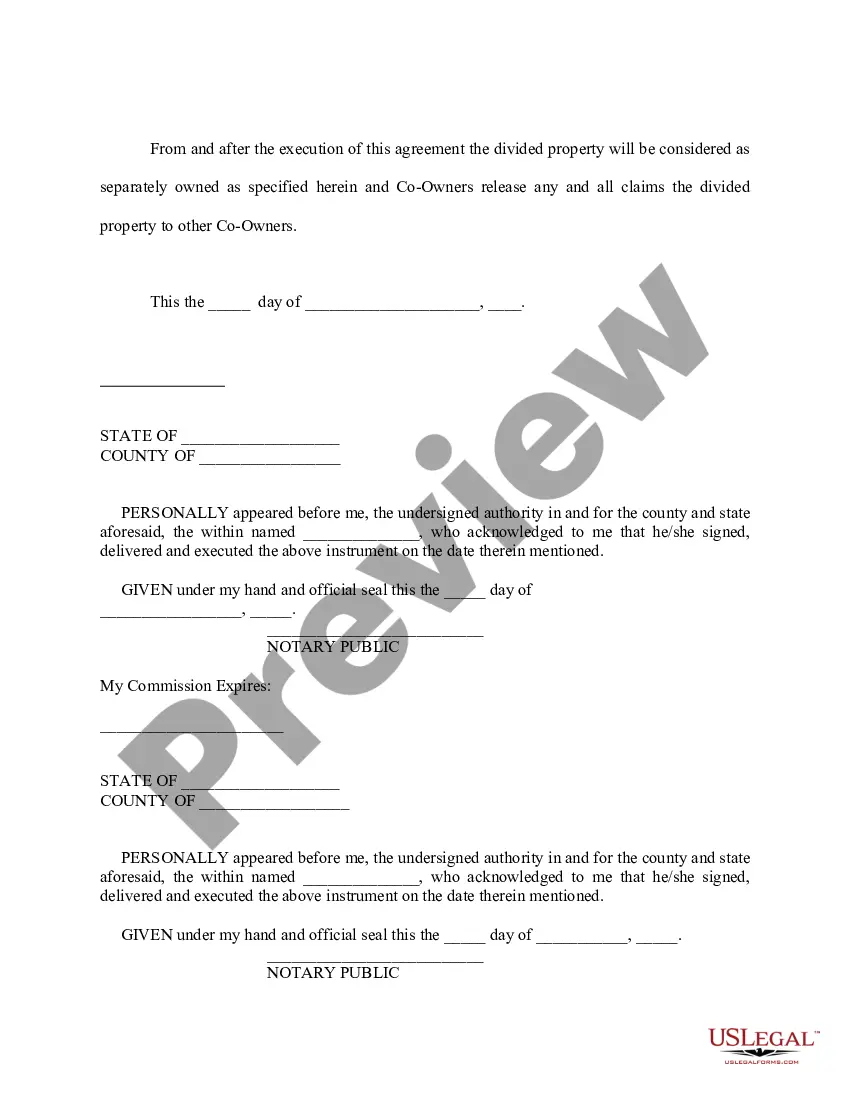
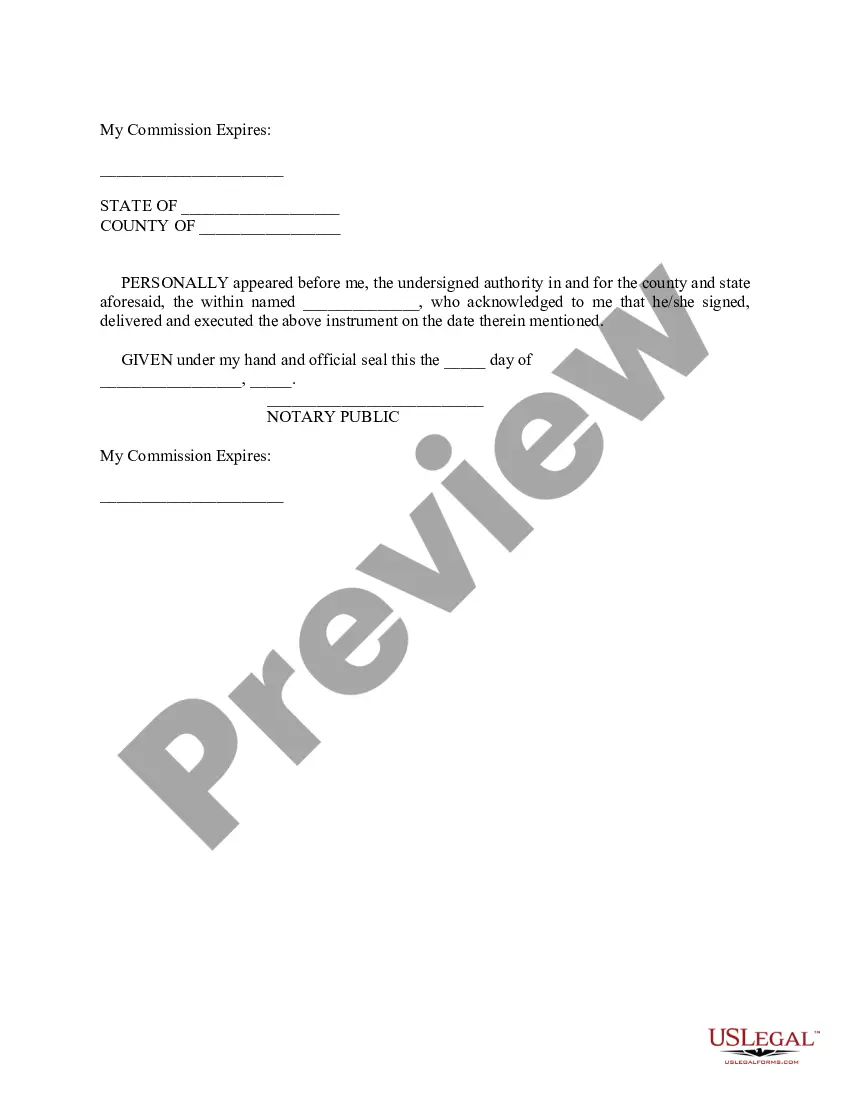
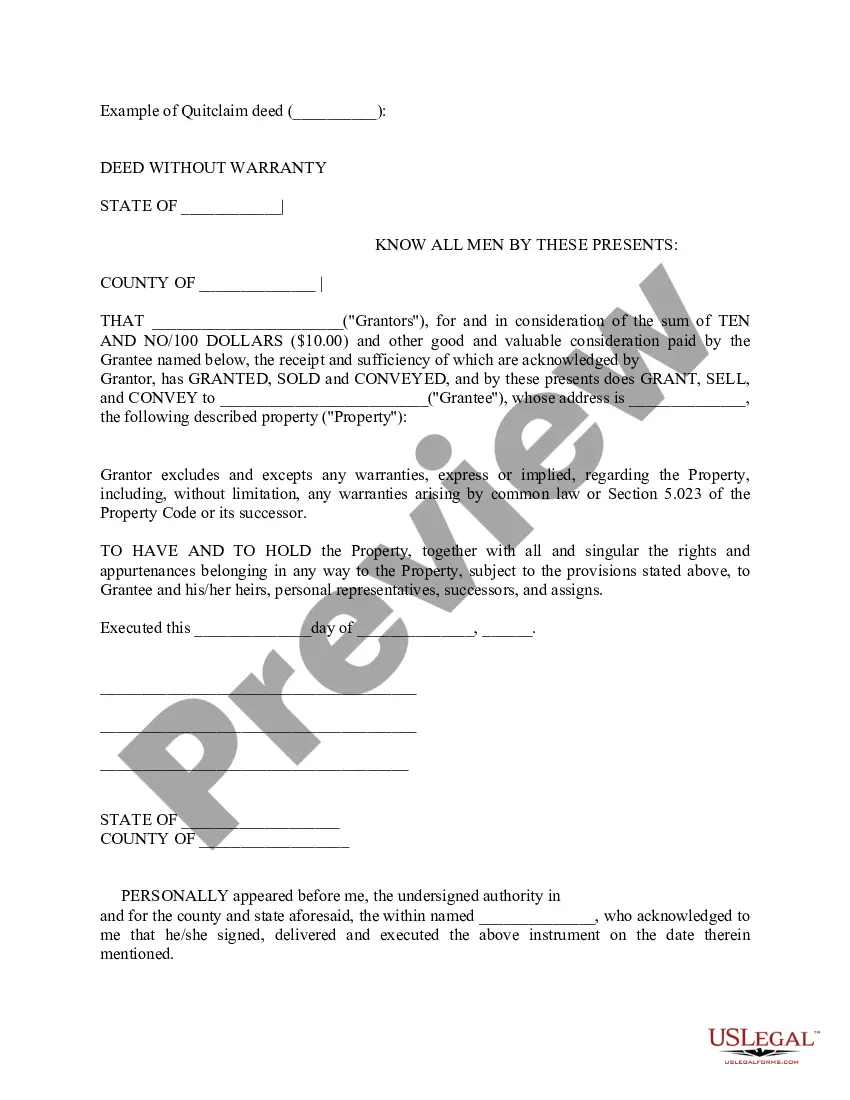
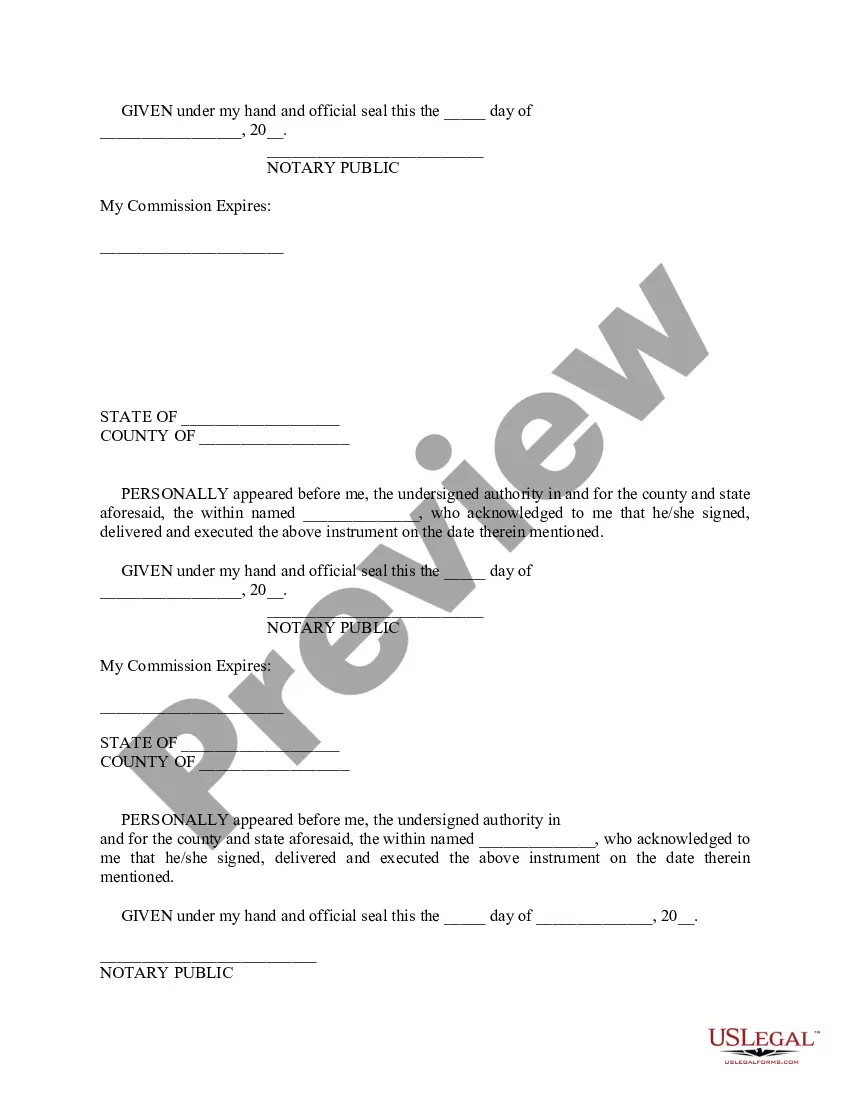

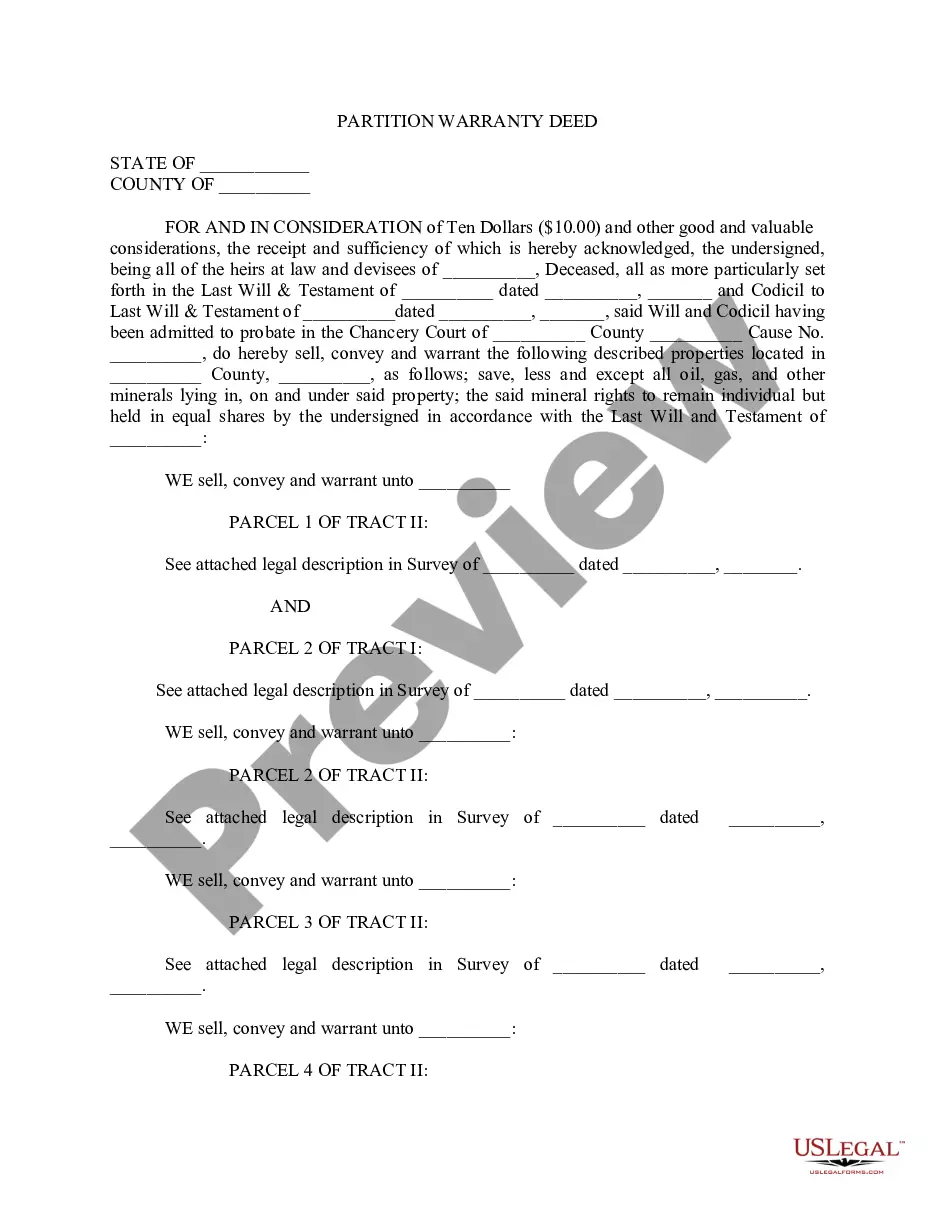
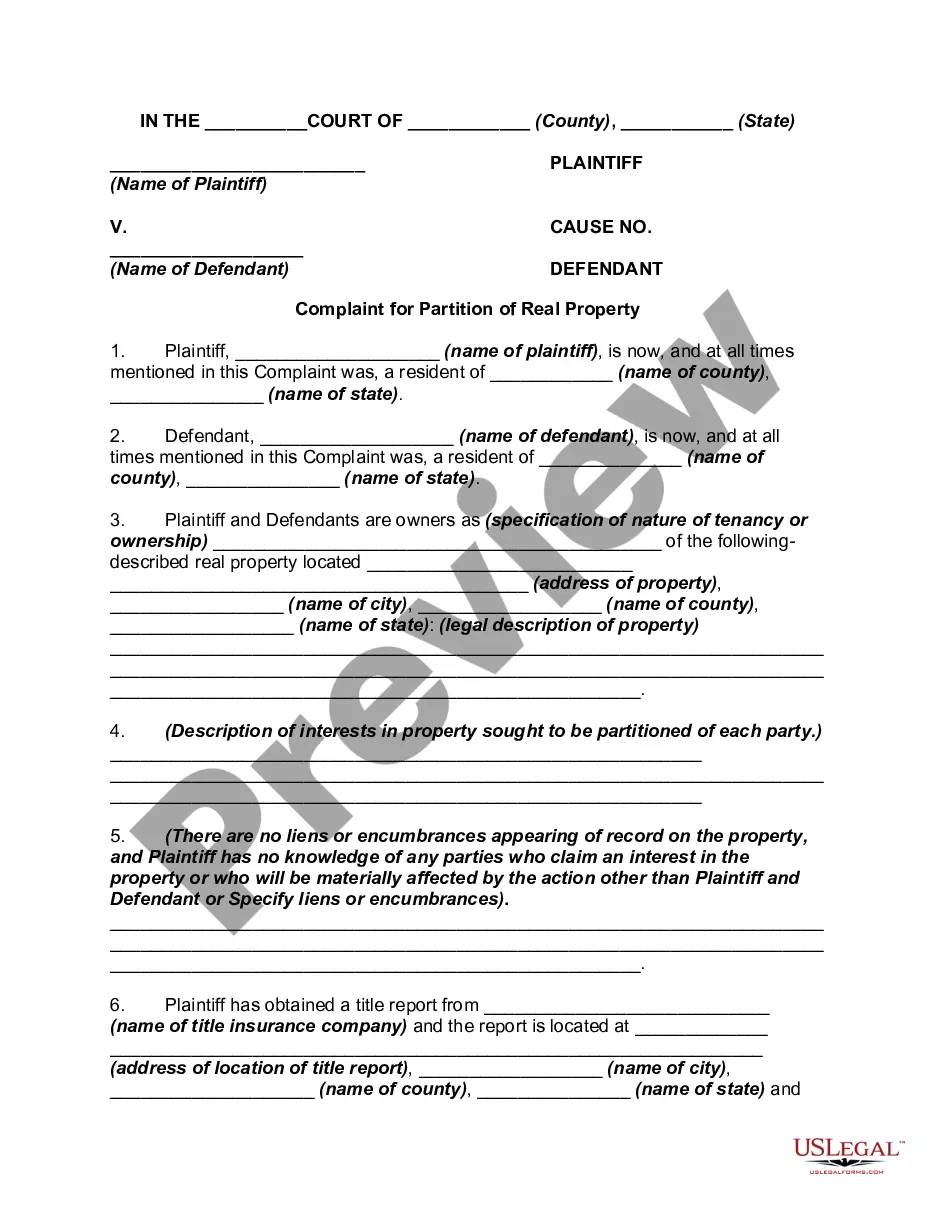
Get your form ready online
Our built-in tools help you complete, sign, share, and store your documents in one place.
Make edits, fill in missing information, and update formatting in US Legal Forms—just like you would in MS Word.
Download a copy, print it, send it by email, or mail it via USPS—whatever works best for your next step.
Sign and collect signatures with our SignNow integration. Send to multiple recipients, set reminders, and more. Go Premium to unlock E-Sign.
If this form requires notarization, complete it online through a secure video call—no need to meet a notary in person or wait for an appointment.
We protect your documents and personal data by following strict security and privacy standards.

Make edits, fill in missing information, and update formatting in US Legal Forms—just like you would in MS Word.

Download a copy, print it, send it by email, or mail it via USPS—whatever works best for your next step.

Sign and collect signatures with our SignNow integration. Send to multiple recipients, set reminders, and more. Go Premium to unlock E-Sign.

If this form requires notarization, complete it online through a secure video call—no need to meet a notary in person or wait for an appointment.

We protect your documents and personal data by following strict security and privacy standards.
Looking for another form?

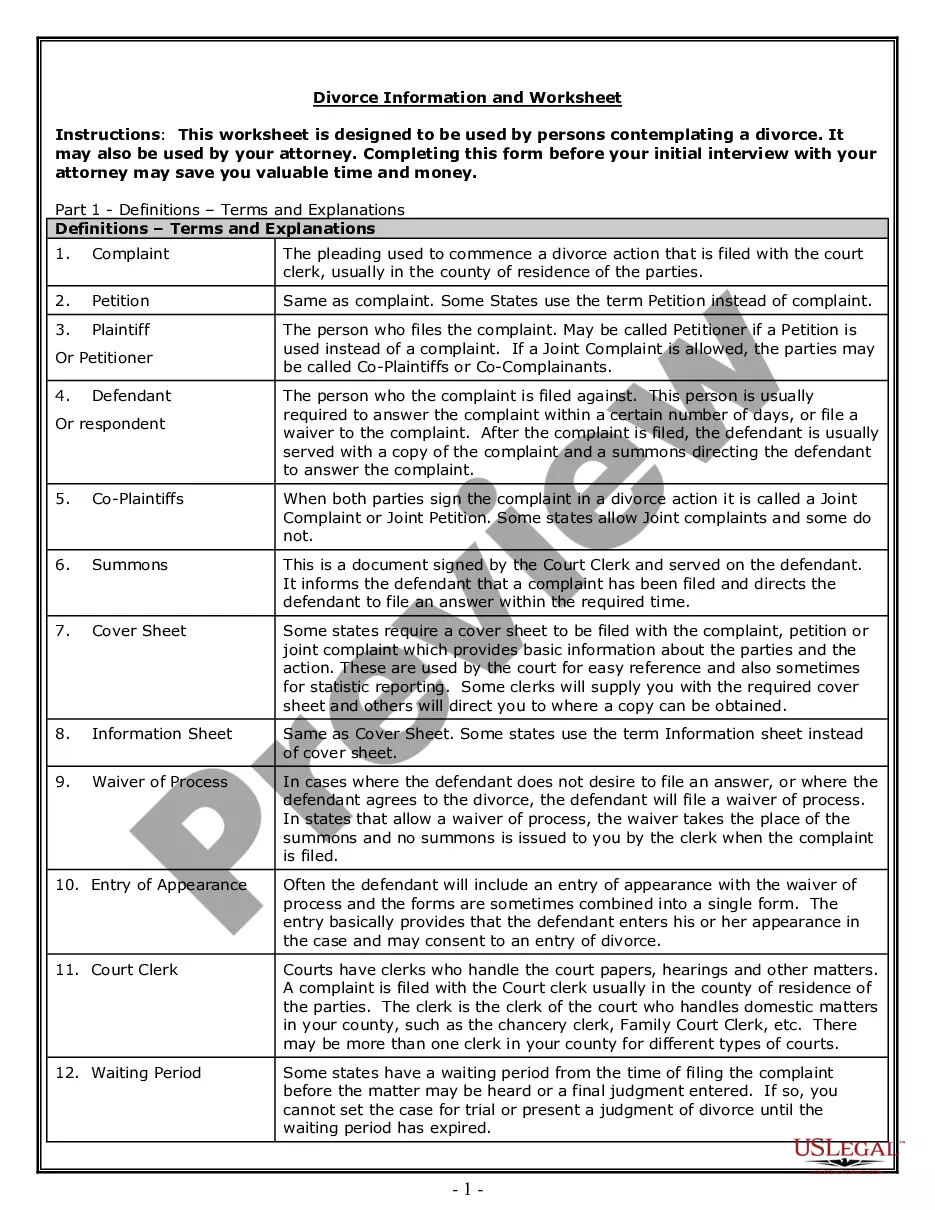
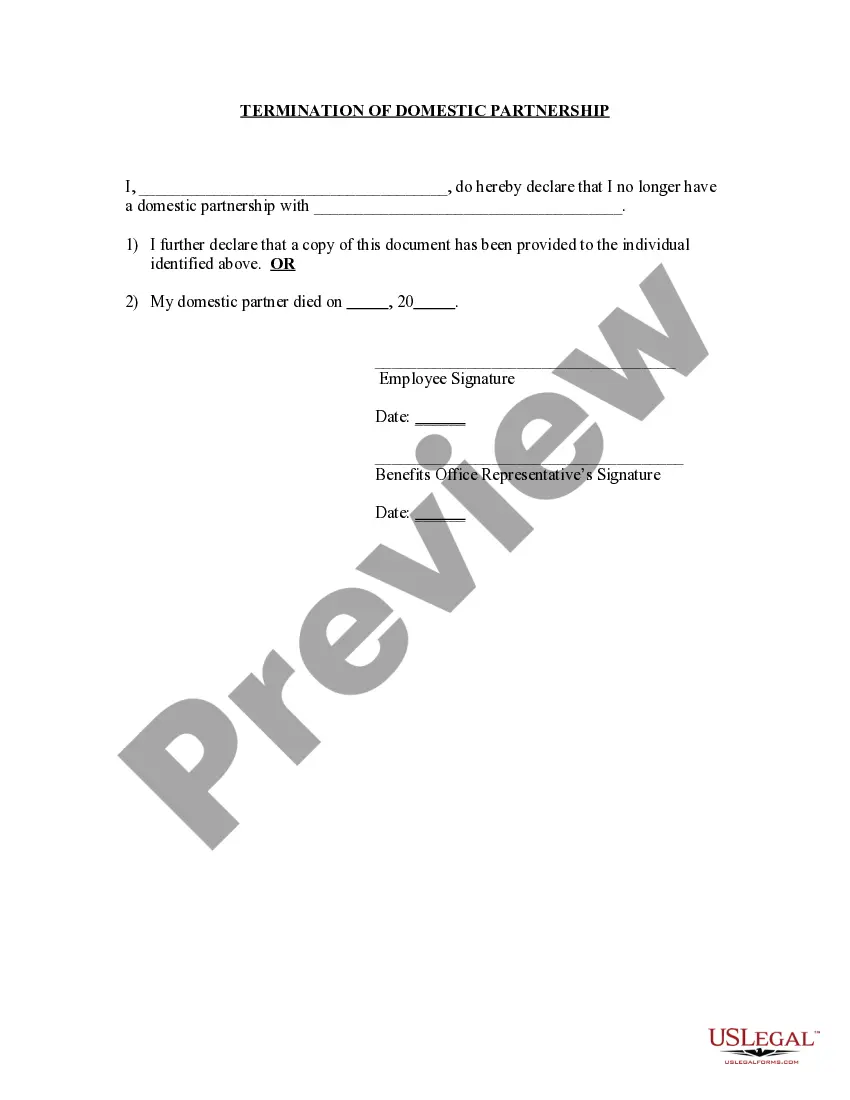
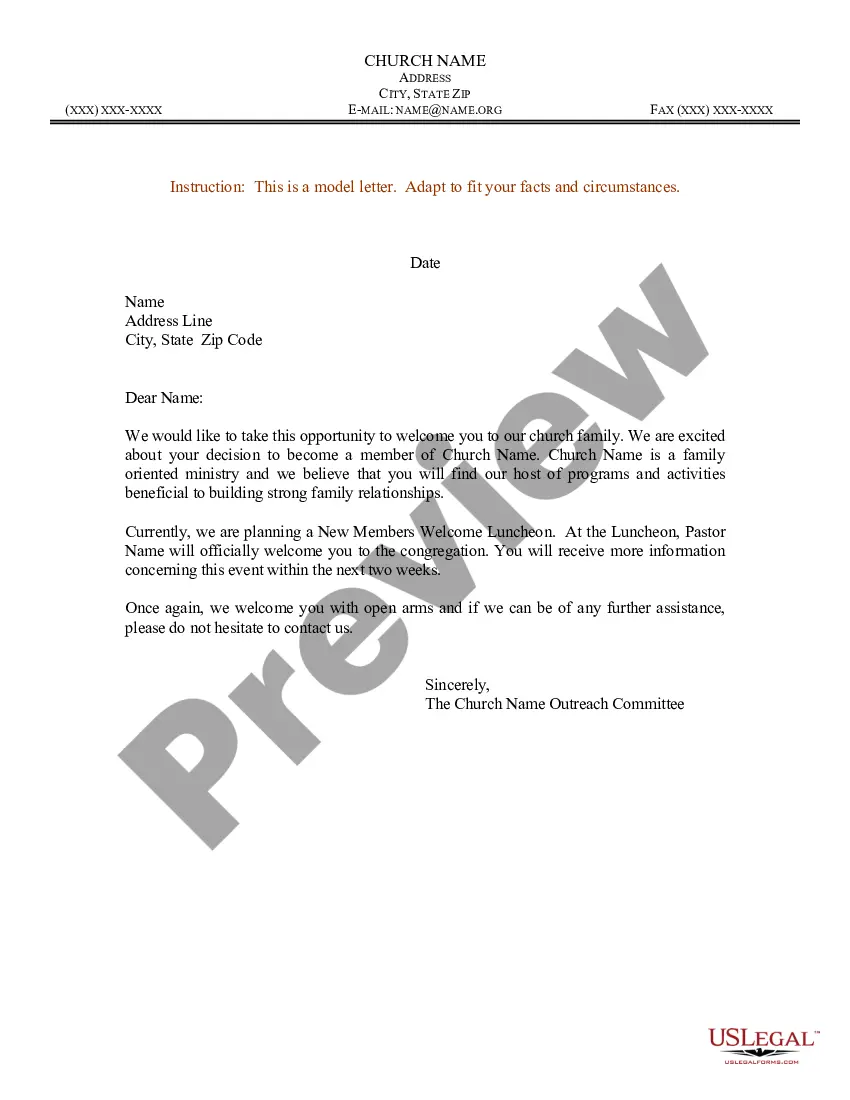

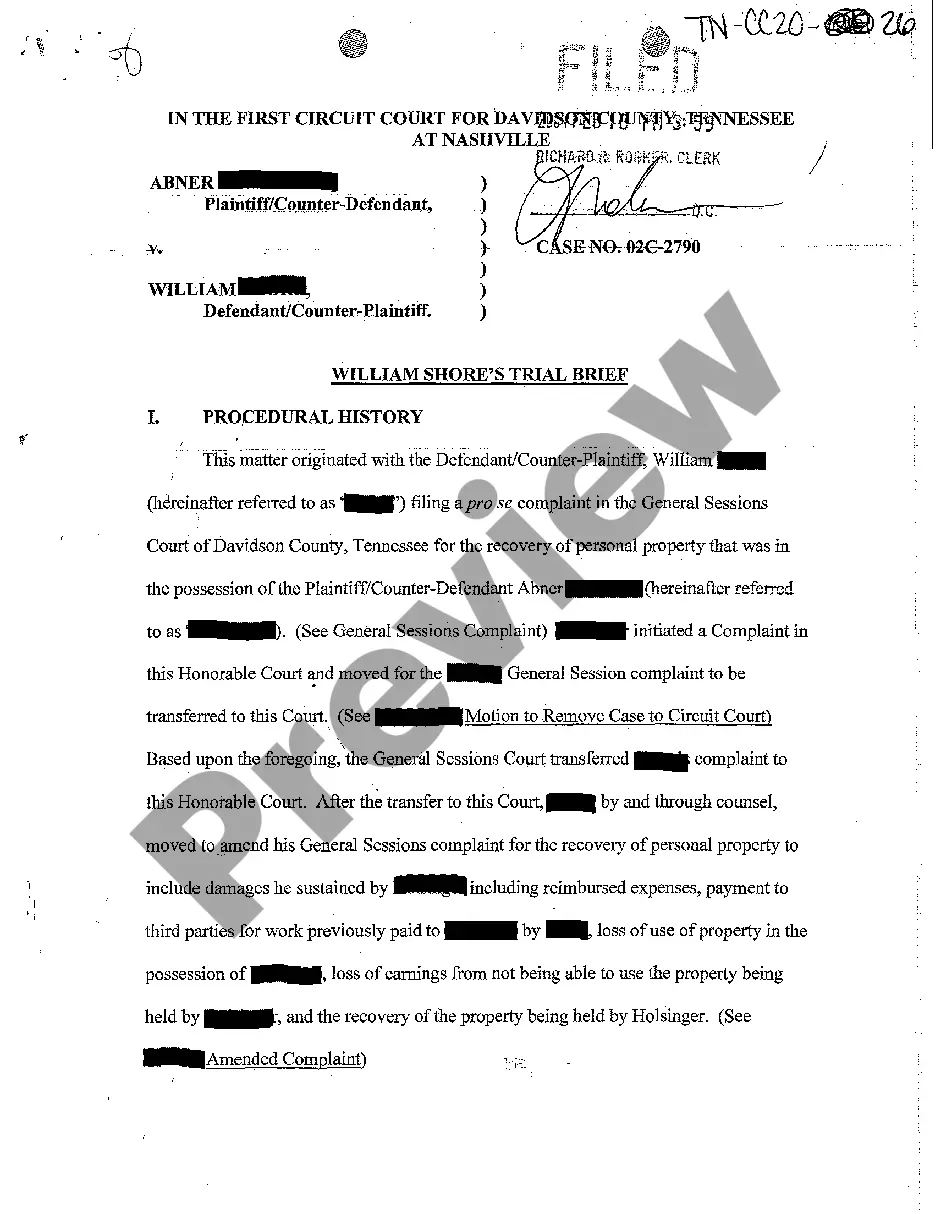



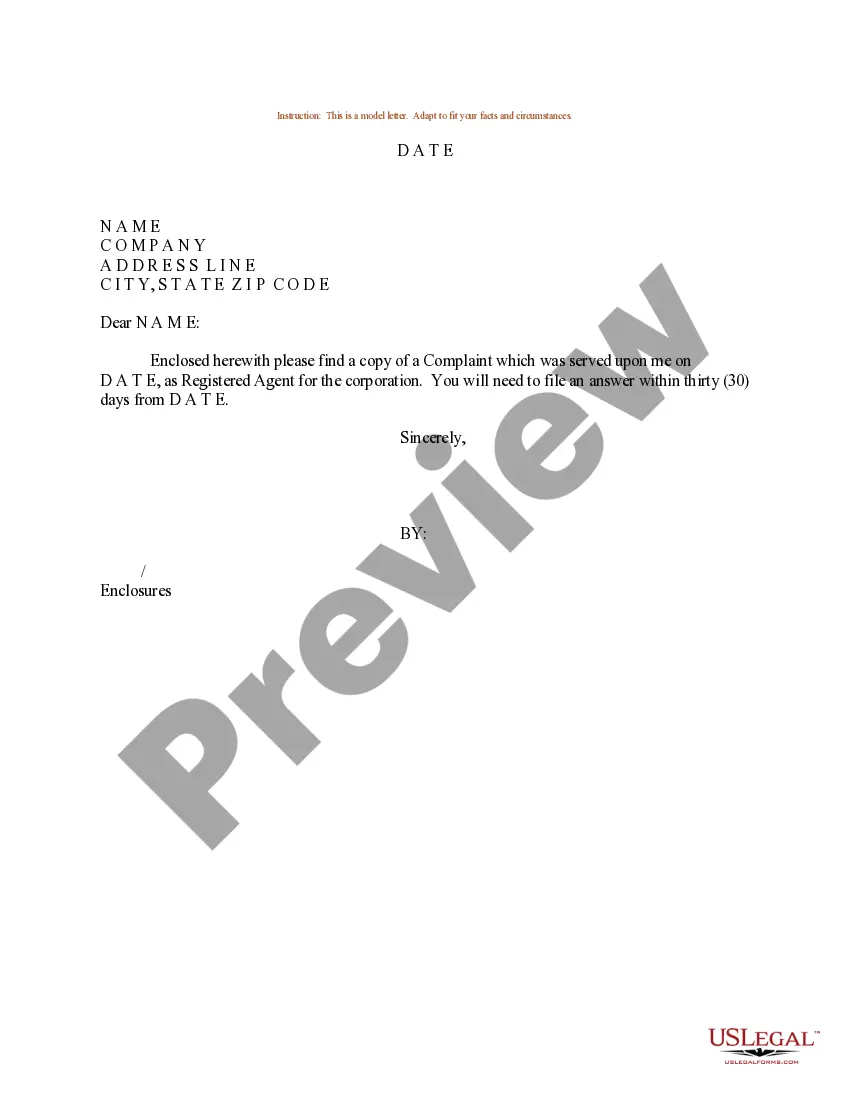
Form popularity
FAQ
Citing the Philadelphia Criminal Rules. These rules shall be known as the Philadelphia Court of Common Pleas Criminal Rules and shall be cited as “Phila. Crim. R.”
The Federal Rules of Civil Procedure govern civil proceedings in the United States district courts. The purpose of the Federal Rules of Civil Procedure is "to secure the just, speedy, and inexpensive determination of every action and proceeding." Fed. R. Civ.
1012 authorizes the entry, or change, of attorneys on behalf of a party provided that the change of attorneys does not delay any stage of the litigation. Consistently with this Rule, the Board of Judges has determined that entry of new counsel in an action shall not delay the litigation.
Rule 215 - Assignment of Cases in the Trial Division A. All cases filed in the Trial Division of the Court of Common Pleas shall be listed for trial in ance with those management procedures in effect for the program to which a case is assigned.
Briefs or memoranda of law shall be typewritten, printed or otherwise duplicated, and endorsed with the name of the case, the court term and number, and the name, address, and electronic mail address of the attorney or the party if not represented by an attorney.
Hearing. Notice. (a) (1) The procedure for fixing the date, time and place of hearing before a board of arbitrators shall be prescribed by local rule, provided that not less than thirty days' notice in writing shall be given to the parties or their attorneys of record.
Rule 212.2 specifies the content of the pre-trial statement and sets forth sanctions for violation of the rule. Copies of the written reports of expert witnesses, or answers to written interrogatories consistent with Rule 4003.5, must be included as part of the pre-trial statement.
Rule 1028 - Preliminary Objections (a) Preliminary objections may be filed by any party to any pleading and are limited to the following grounds: (1) lack of jurisdiction over the subject matter of the action or the person of the defendant, improper venue or improper form or service of a writ of summons or a complaint; ...
