Texas Partition Agreement With Spouse In Ohio
Description

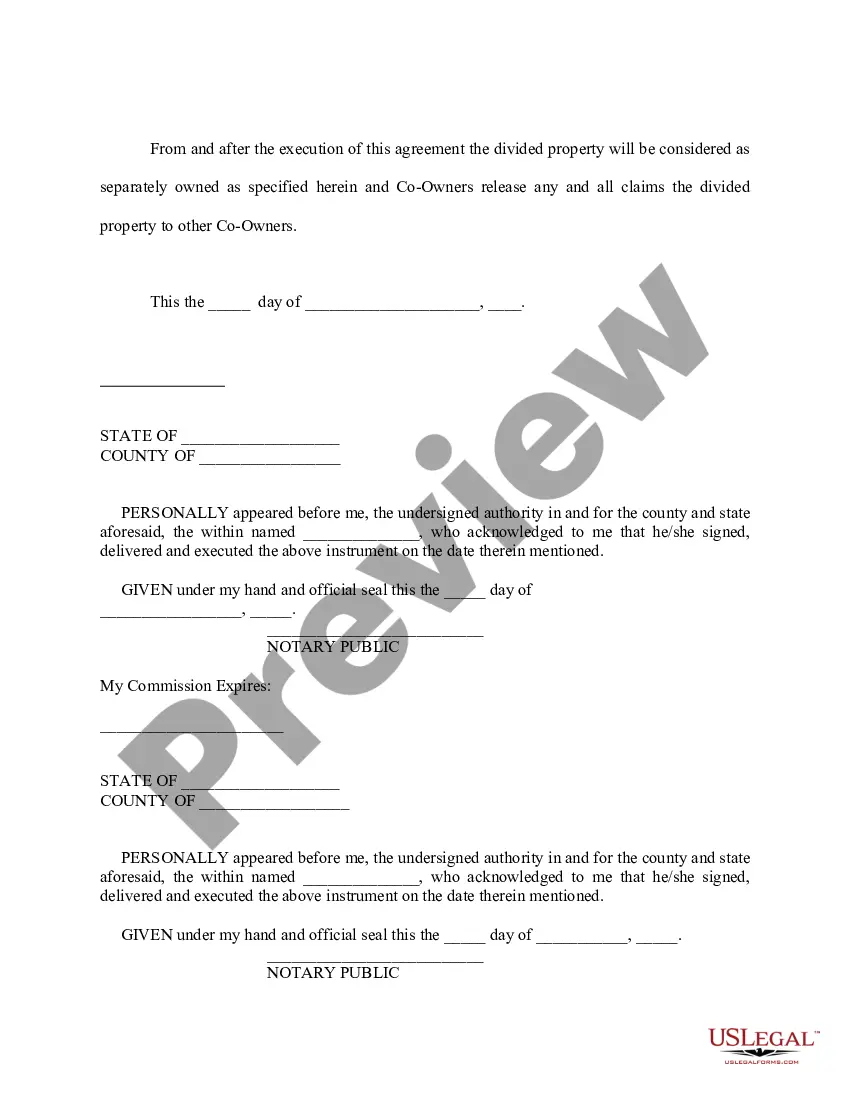
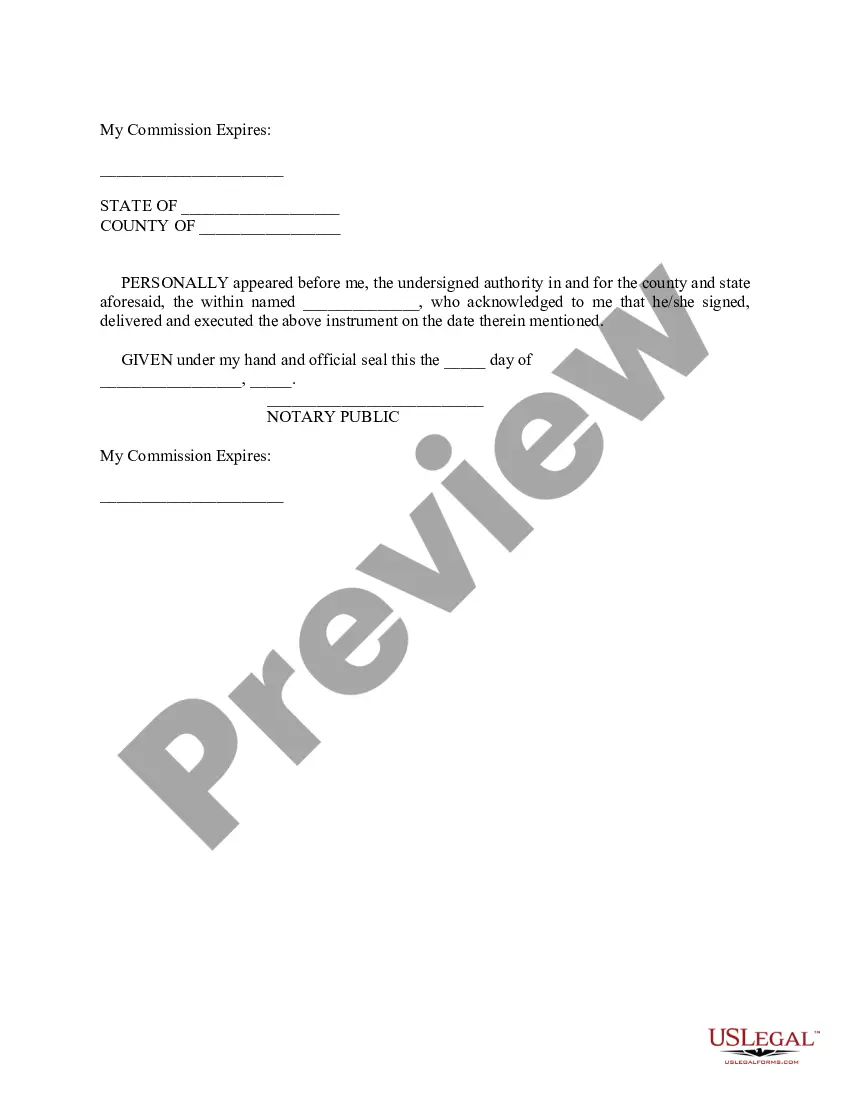
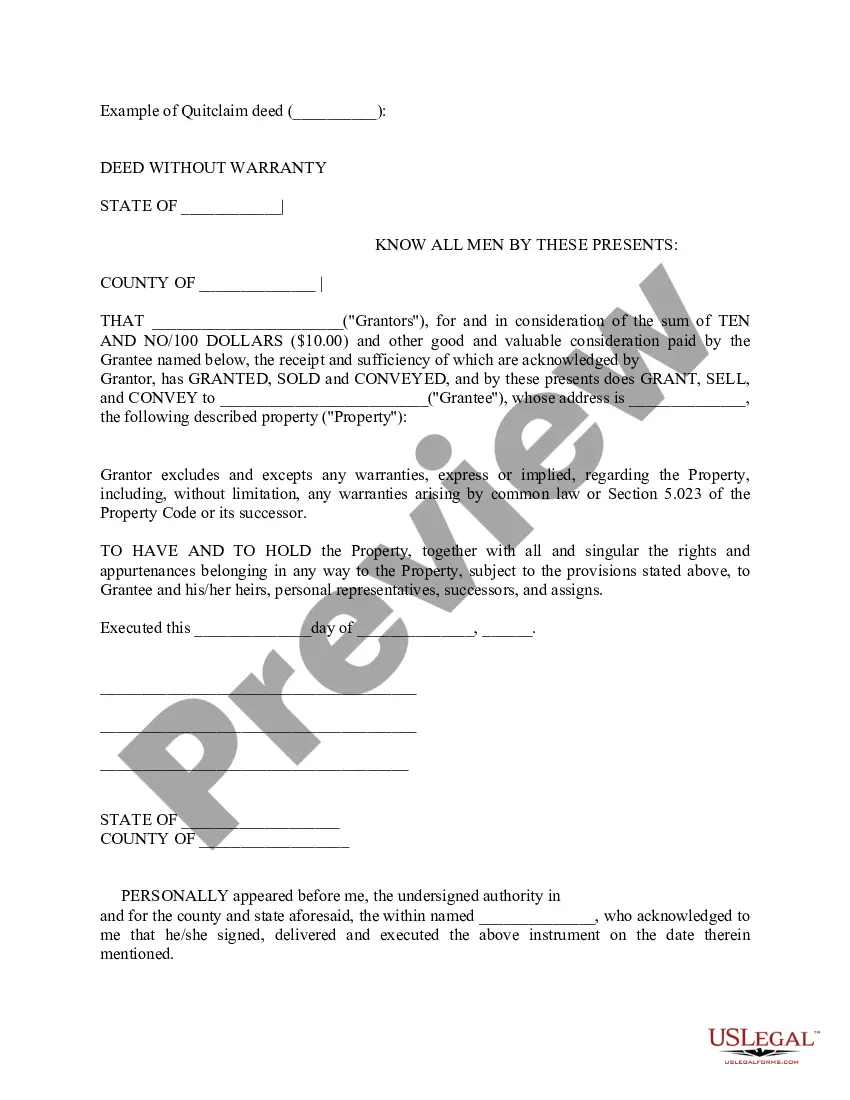
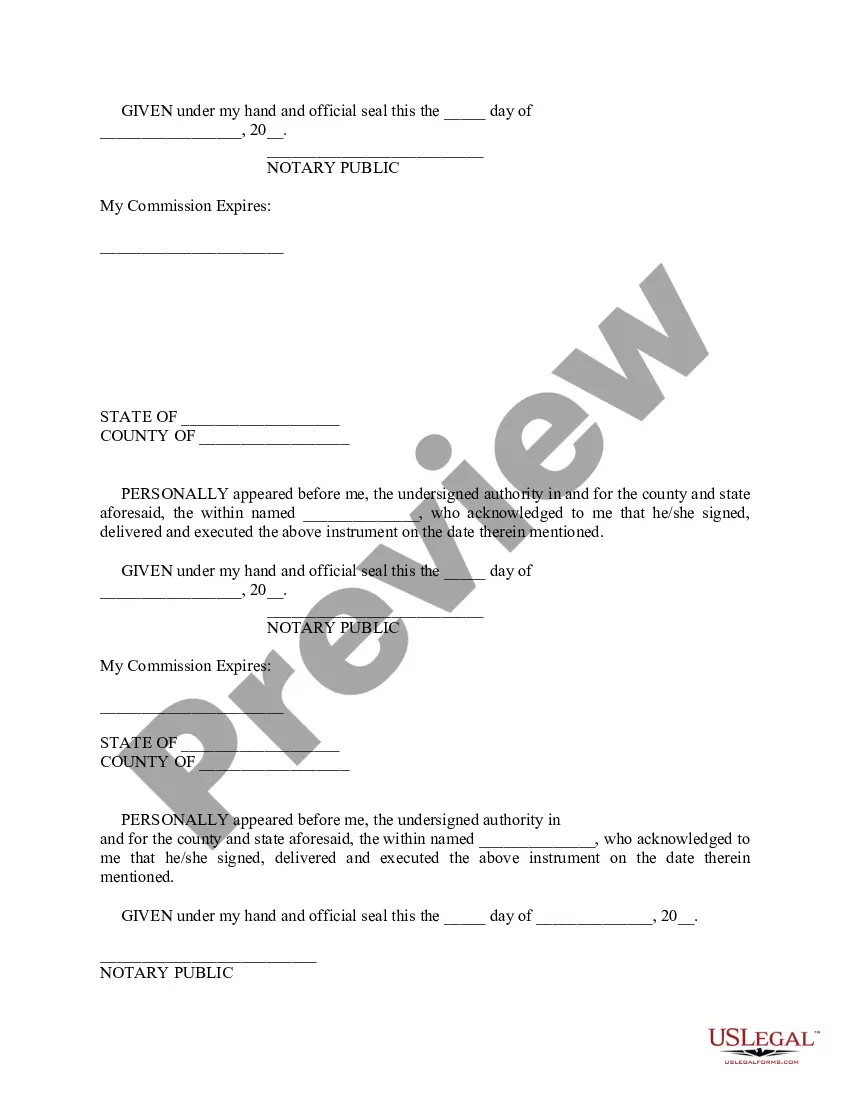

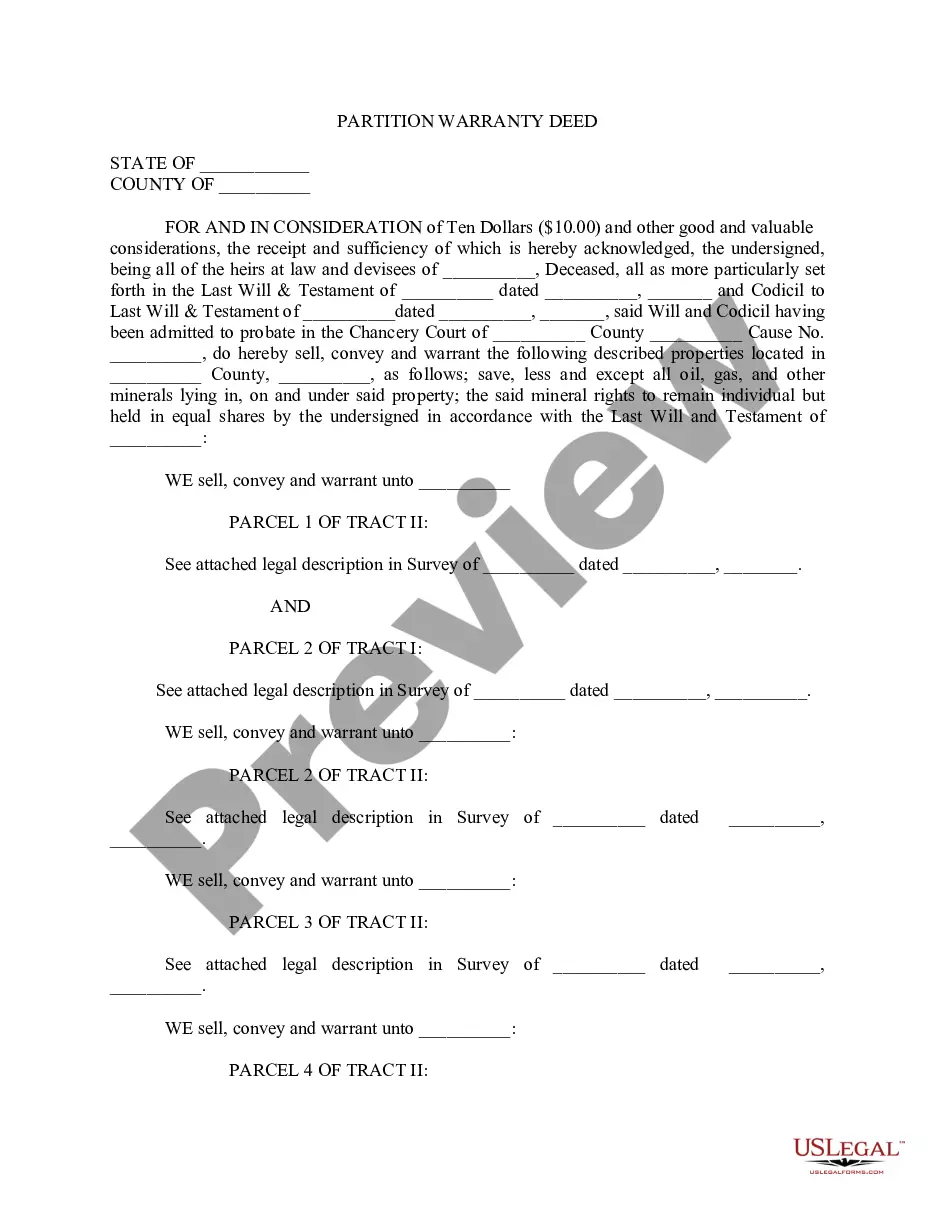
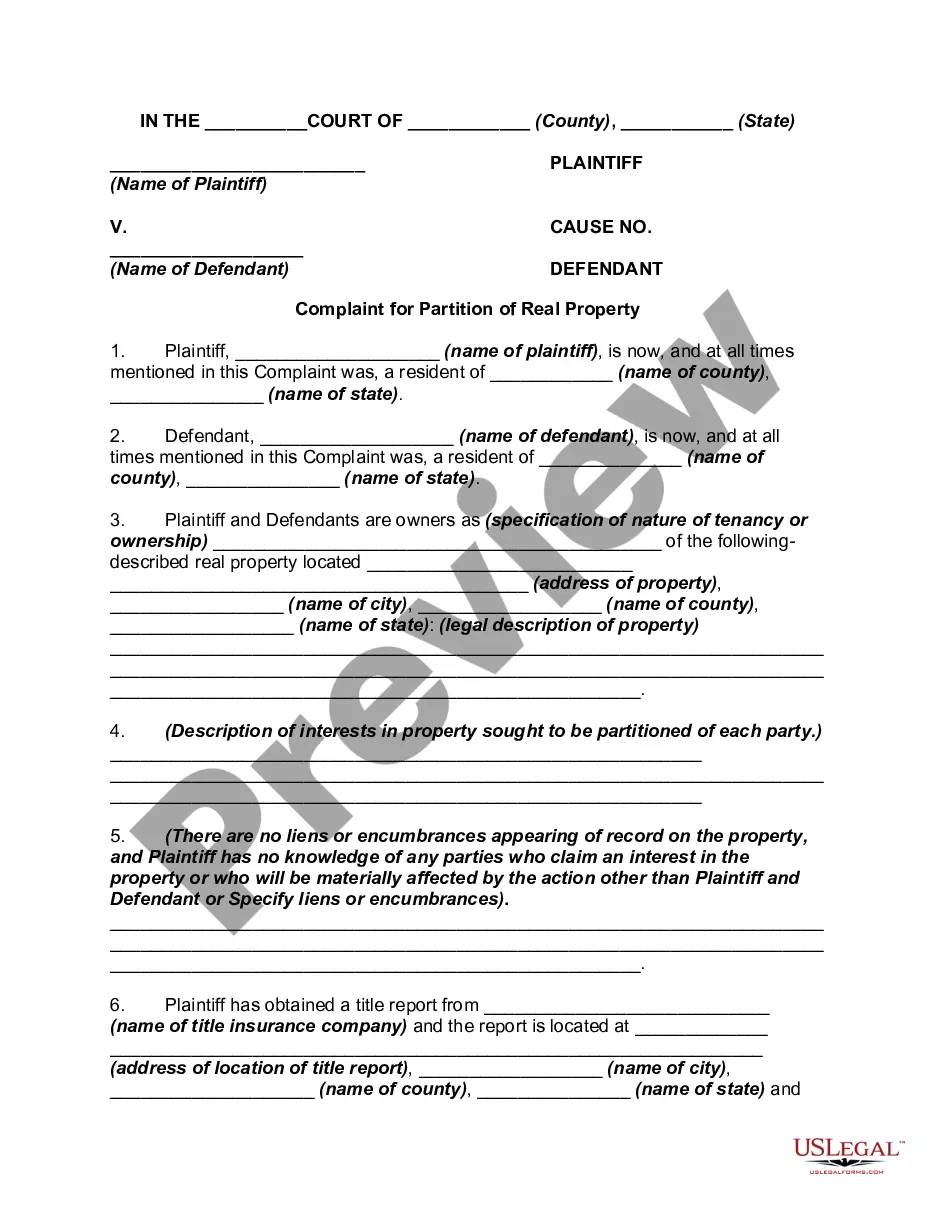
Get your form ready online
Our built-in tools help you complete, sign, share, and store your documents in one place.
Make edits, fill in missing information, and update formatting in US Legal Forms—just like you would in MS Word.
Download a copy, print it, send it by email, or mail it via USPS—whatever works best for your next step.
Sign and collect signatures with our SignNow integration. Send to multiple recipients, set reminders, and more. Go Premium to unlock E-Sign.
If this form requires notarization, complete it online through a secure video call—no need to meet a notary in person or wait for an appointment.
We protect your documents and personal data by following strict security and privacy standards.

Make edits, fill in missing information, and update formatting in US Legal Forms—just like you would in MS Word.

Download a copy, print it, send it by email, or mail it via USPS—whatever works best for your next step.

Sign and collect signatures with our SignNow integration. Send to multiple recipients, set reminders, and more. Go Premium to unlock E-Sign.

If this form requires notarization, complete it online through a secure video call—no need to meet a notary in person or wait for an appointment.

We protect your documents and personal data by following strict security and privacy standards.
Looking for another form?








Form popularity
FAQ
Section 1319.06 | Husband and wife must join in chattel mortgage on household property. No husband or wife shall create any lien by chattel mortgage or otherwise upon any personal household property owned by either or both of them, without the joint consent of both husband and wife.
Spouses who do not sign a mortgage deed retain a superior interest to the bank issuing the real property mortgage and may receive funds before the bank in a foreclosure sale. Additionally, a spouse who does not sign the deed during a sale of their spouse's property does not grant the purchaser complete ownership.
The answer to your question is yes. It can be done - but typically a mortgage company/bank will require the other spouse to sign off waiving their interest in a property.
Basically, there is not a legal process for dealing with separation in Texas. But you can still move out and live separately from your spouse for as long as you need before you determine the future of your marriage.
Costs and Challenges of Partition Actions The process is also time-consuming, with most partition cases taking one to two years to resolve due to delays caused by discovery, court schedules, and valuation disputes. Emotionally, partition actions often strain relationships, particularly among family members.
All spouses will need to sign some documents even if they are not going to be an owner in the property. Ohio has dower(marital) rights and all spouses need to sign the mortgage and a few additional Lender documents in order to release any rights they may have in the property to the lender in case of foreclosure.
Ohio still recognizes a statute that protects both husbands and wives regarding an interest in real estate where a spouse does not hold title to the property (only one spouse signed their name on the deed).
The surviving spouse automatically receives all community property. Separate personal property also goes completely to the surviving spouse, while separate real property is split down the middle between the surviving spouse and the deceased's parents, siblings or siblings' descendants, in that order.
In Texas, the principle of 'just and right' division governs the distribution of assets in a divorce. This means that the court will divide community property in a manner that it considers fair and equitable, rather than adhering to a strict 50-50 split. Various factors such as: the nature of the assets.
Therefore, even if your name is not on the deed, you may still have a legal claim to the property. This joint ownership concept is vital for understanding your rights in a Texas divorce and ensures that both spouses have equitable rights over property acquired during the marriage.
