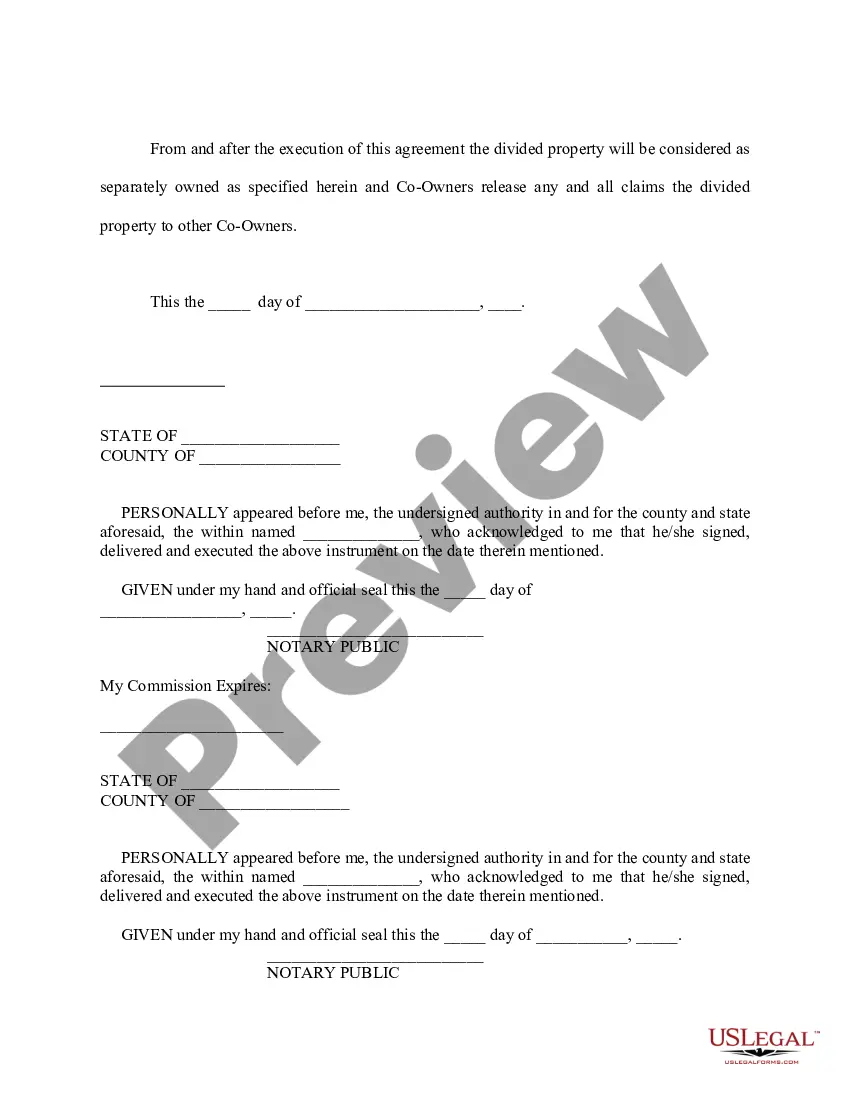
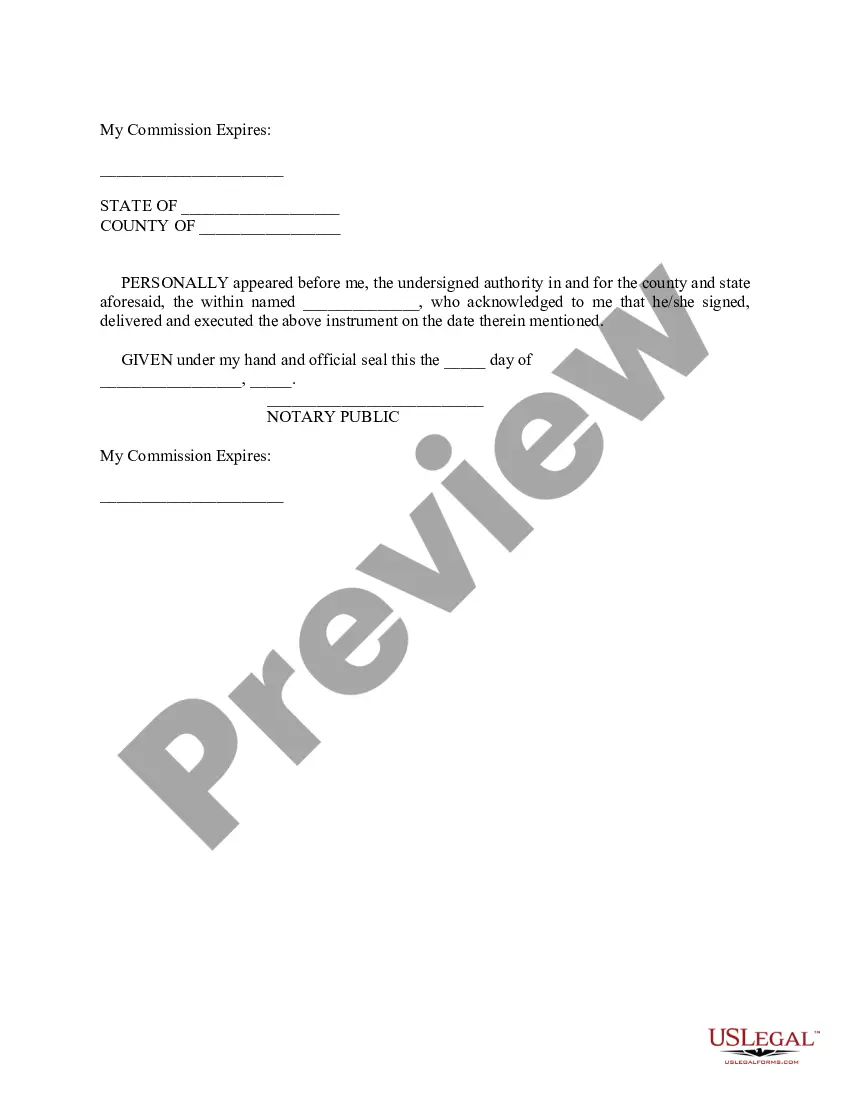
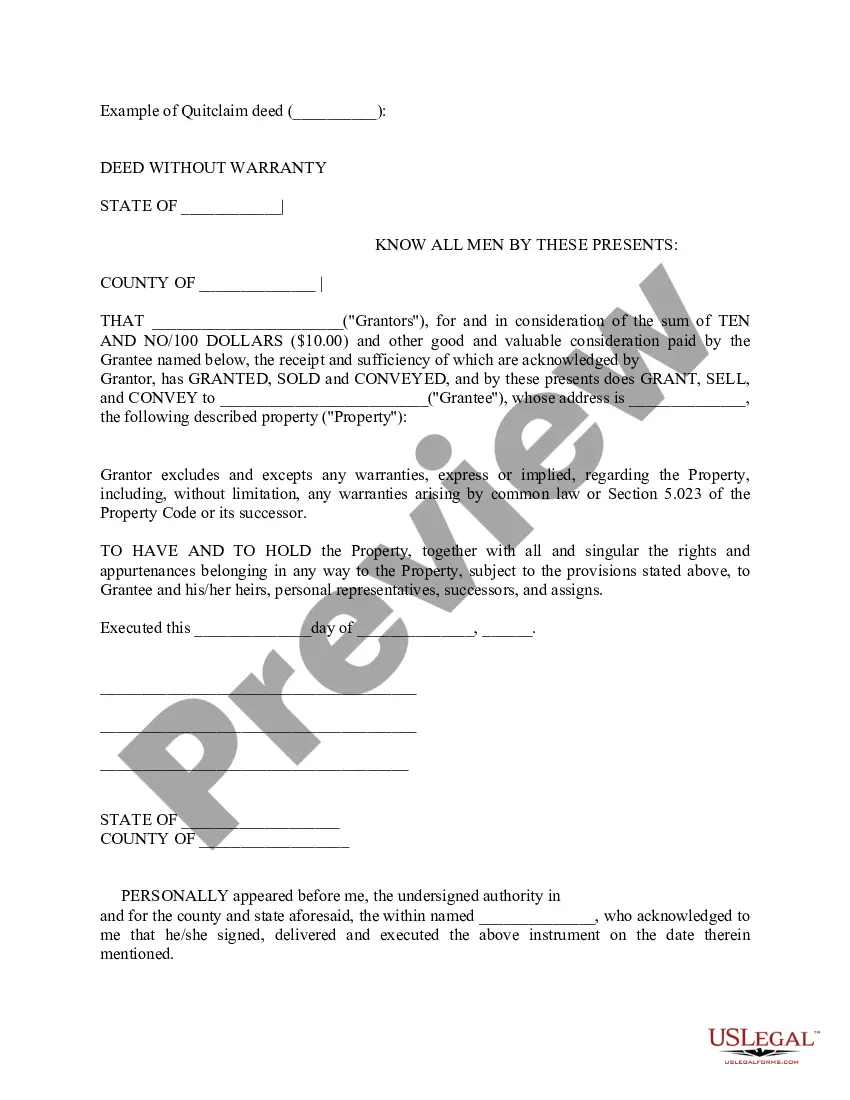
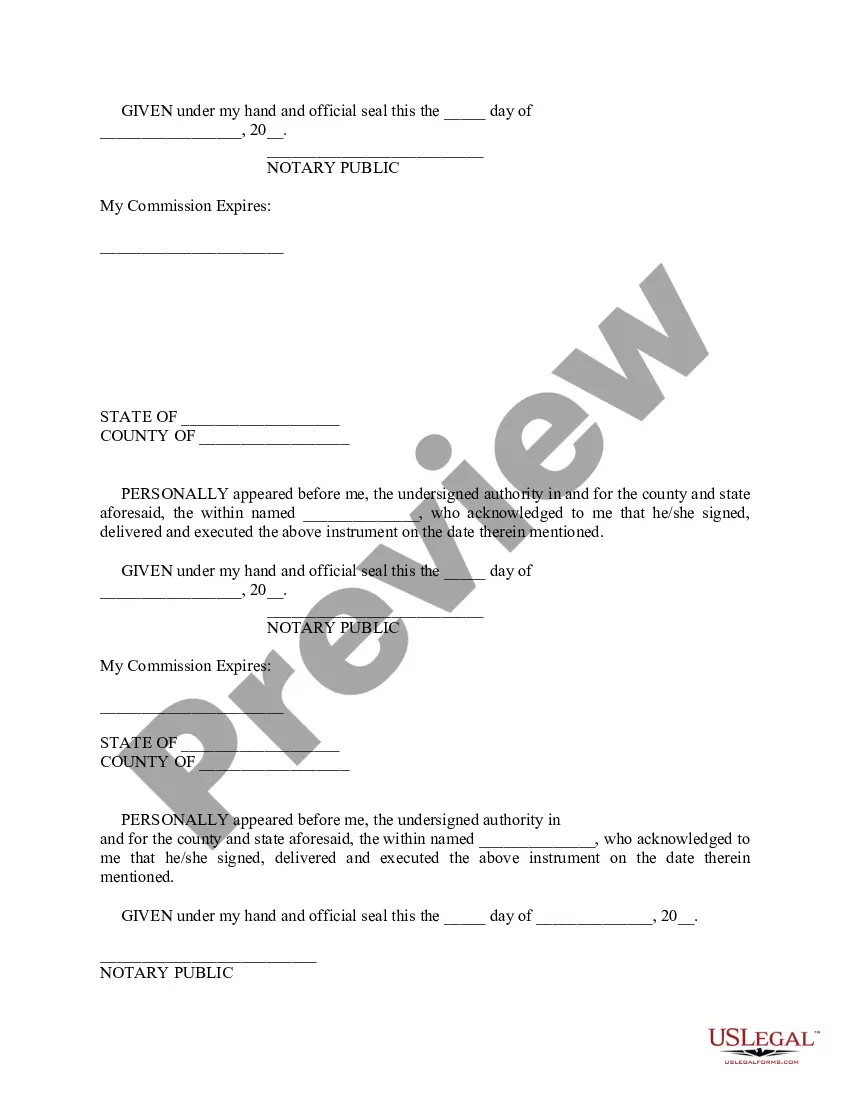
Partition Agreement Template For House In Ohio
Description


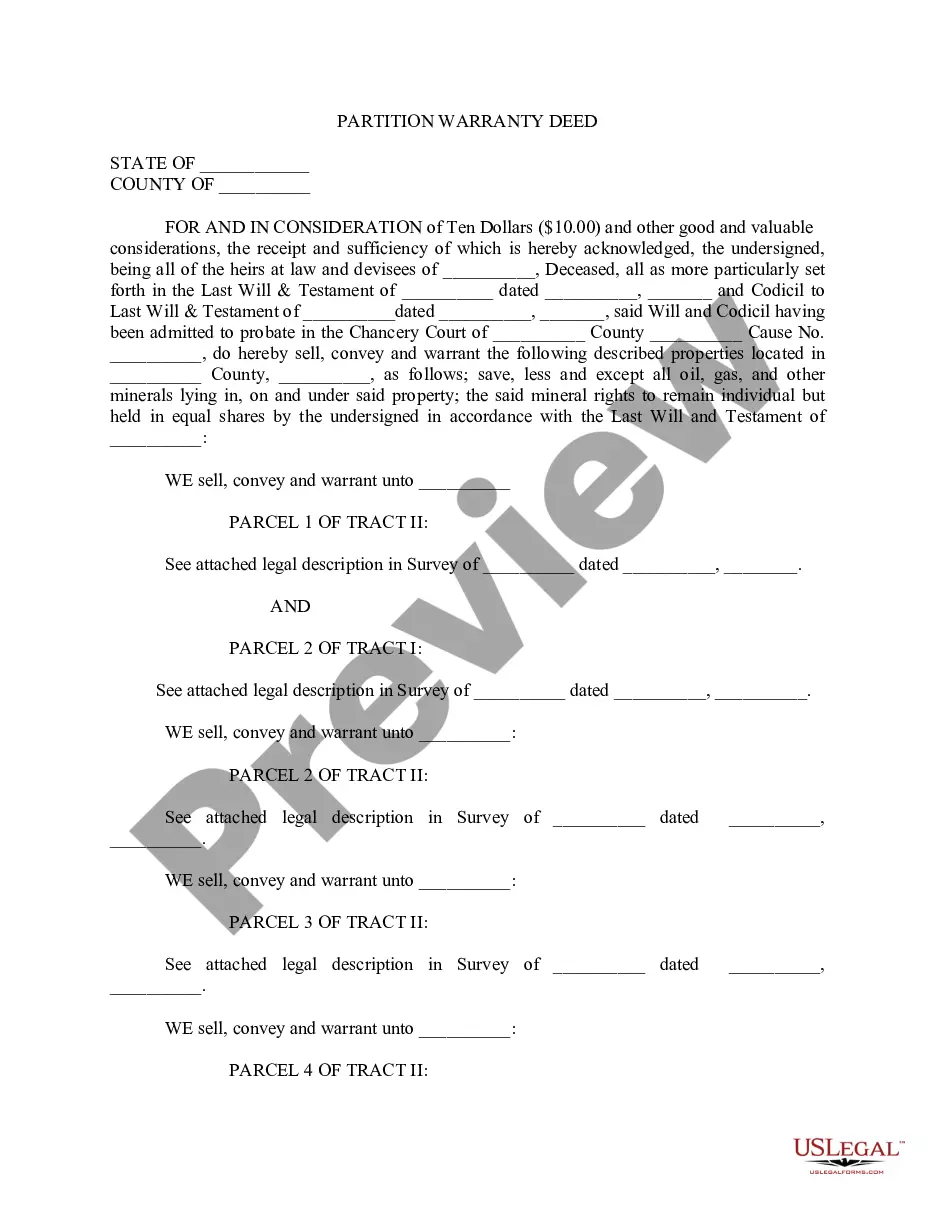
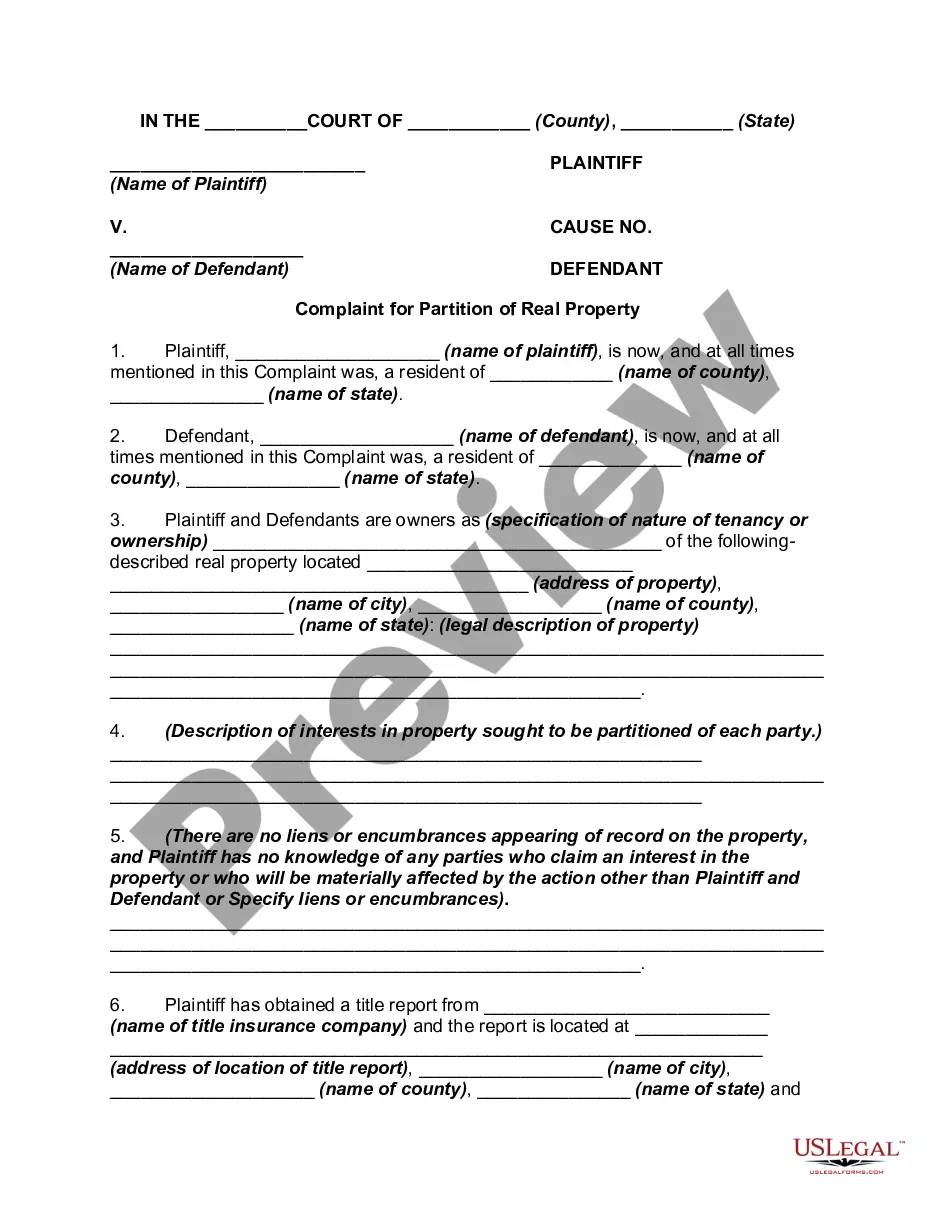
Get your form ready online
Our built-in tools help you complete, sign, share, and store your documents in one place.
Make edits, fill in missing information, and update formatting in US Legal Forms—just like you would in MS Word.
Download a copy, print it, send it by email, or mail it via USPS—whatever works best for your next step.
Sign and collect signatures with our SignNow integration. Send to multiple recipients, set reminders, and more. Go Premium to unlock E-Sign.
If this form requires notarization, complete it online through a secure video call—no need to meet a notary in person or wait for an appointment.
We protect your documents and personal data by following strict security and privacy standards.

Make edits, fill in missing information, and update formatting in US Legal Forms—just like you would in MS Word.

Download a copy, print it, send it by email, or mail it via USPS—whatever works best for your next step.

Sign and collect signatures with our SignNow integration. Send to multiple recipients, set reminders, and more. Go Premium to unlock E-Sign.

If this form requires notarization, complete it online through a secure video call—no need to meet a notary in person or wait for an appointment.

We protect your documents and personal data by following strict security and privacy standards.
Looking for another form?







Form popularity
FAQ
(2) A separation agreement that was voluntarily entered into by the parties may be enforceable by the court of common pleas upon the motion of either party to the agreement, if the court determines that it would be in the interests of justice and equity to require enforcement of the separation agreement.
Costs and Challenges of Partition Actions The process is also time-consuming, with most partition cases taking one to two years to resolve due to delays caused by discovery, court schedules, and valuation disputes. Emotionally, partition actions often strain relationships, particularly among family members.
Both parties must sign the petition for dissolution. A separation agreement signed by both parties must be attached to the petition.
No. At the time you file for divorce, the separation agreement can be approved by the court and eventually incorporated into the final divorce decree.
A person entitled to partition of an estate may file his petition therefor in the court of common pleas, setting forth the nature of his title, a pertinent description of the lands, tenements, or hereditaments of which partition is demanded, and naming each tenant in common, coparcener, or other person interested ...
Legal separation protects a spouse financially because the separate property remains with the spouse who owns it, including property owned before marriage, received as a gift, or acquired through a will or intestacy.
