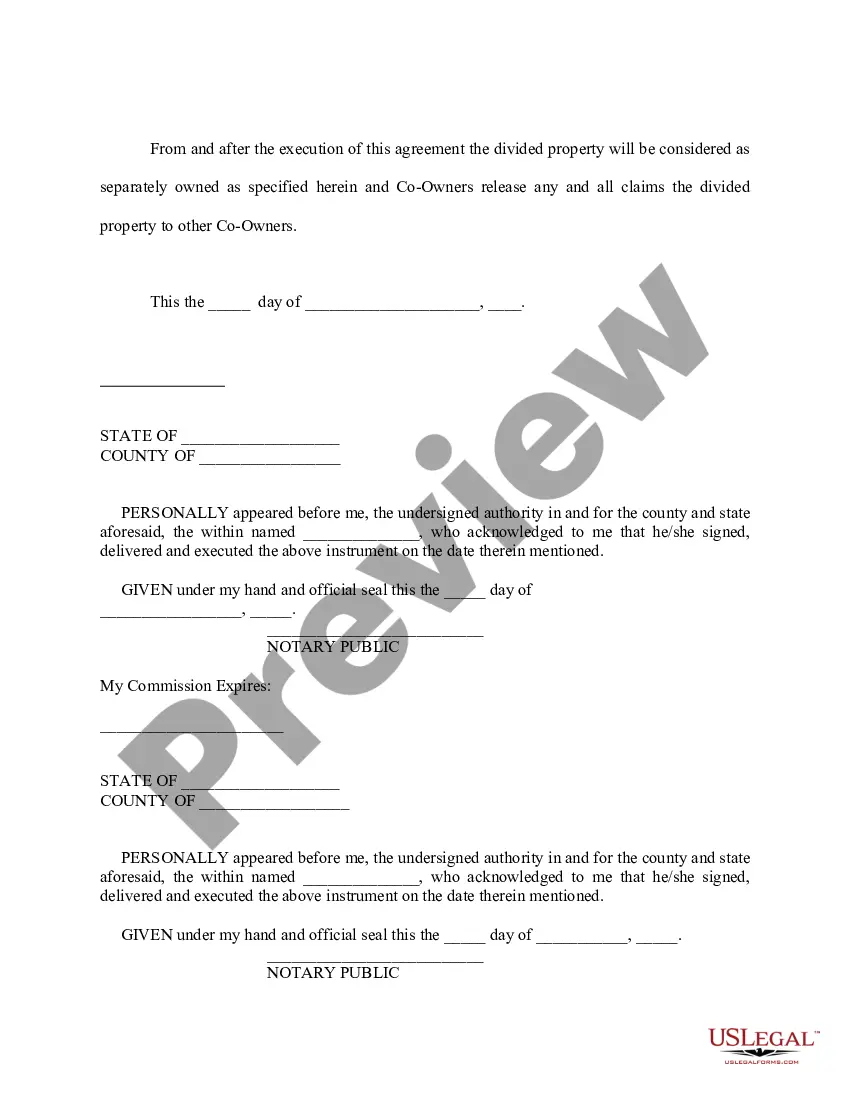
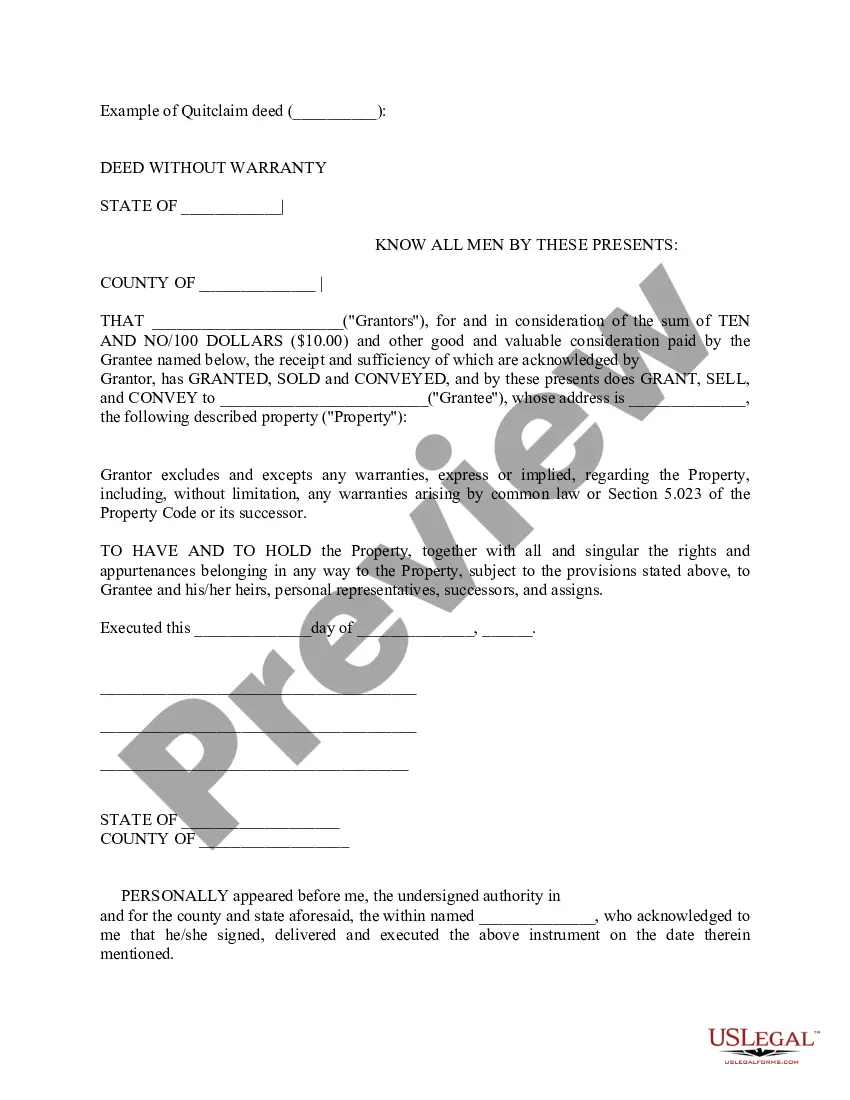
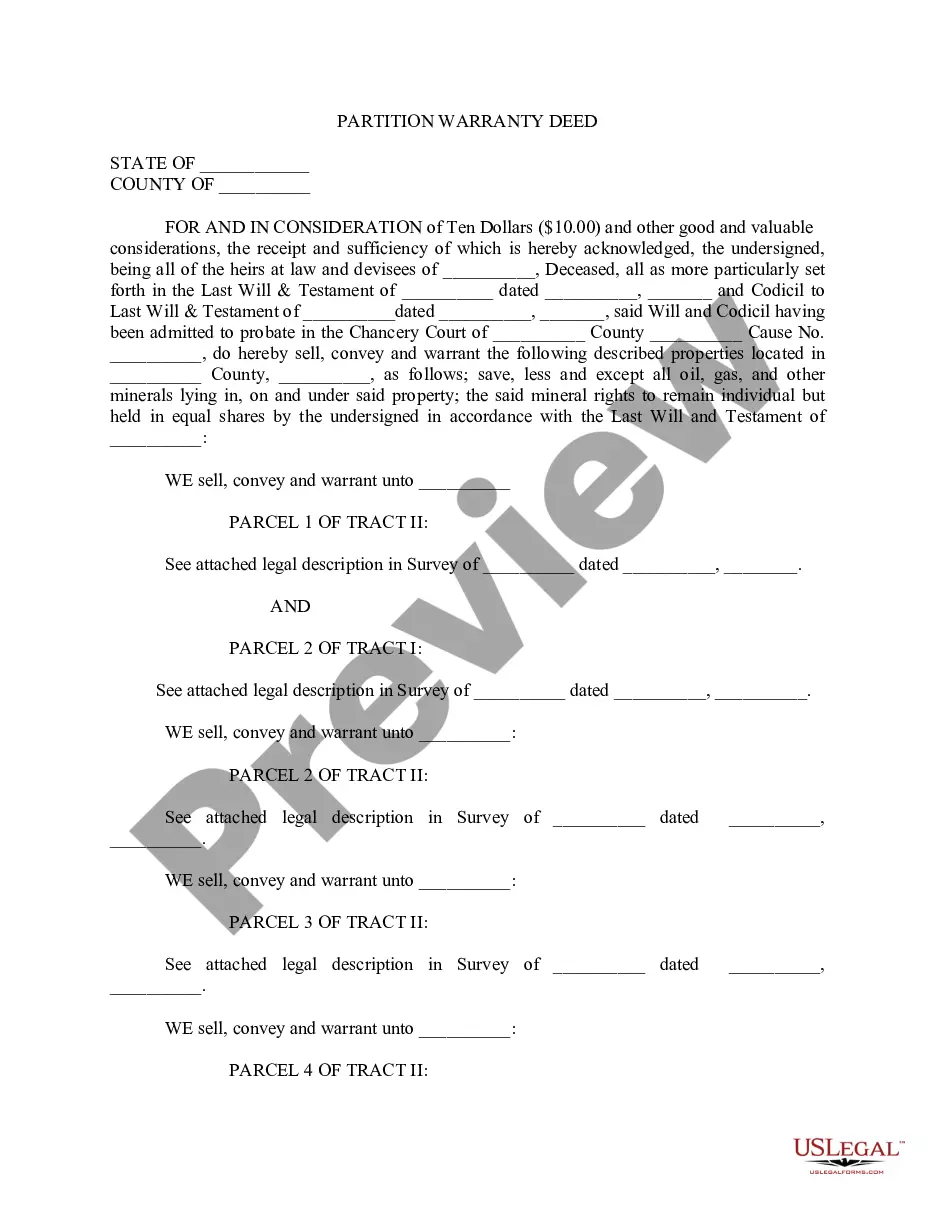
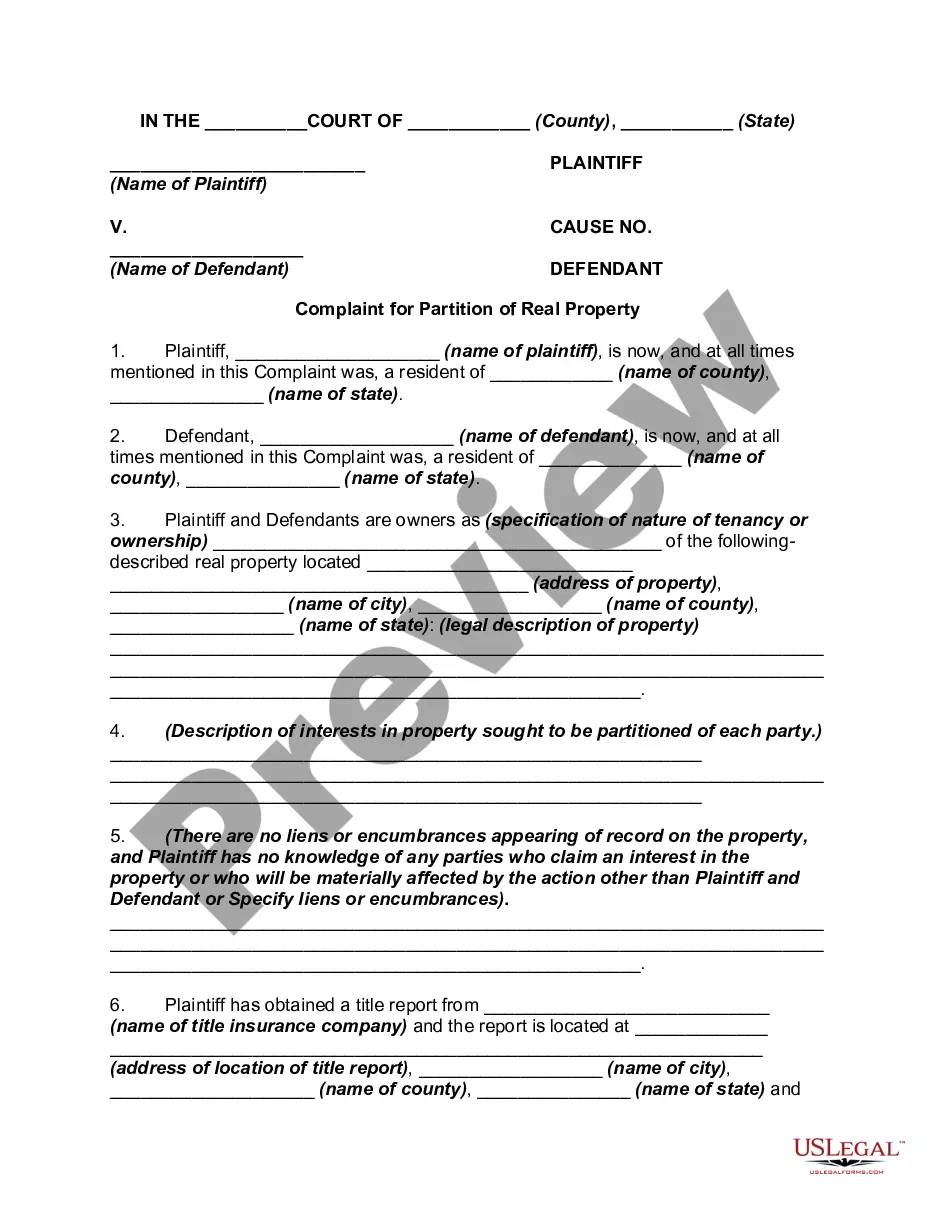
Partition Settlement Agreement With Consent Judgment In North Carolina
Description


Get your form ready online
Our built-in tools help you complete, sign, share, and store your documents in one place.
Make edits, fill in missing information, and update formatting in US Legal Forms—just like you would in MS Word.
Download a copy, print it, send it by email, or mail it via USPS—whatever works best for your next step.
Sign and collect signatures with our SignNow integration. Send to multiple recipients, set reminders, and more. Go Premium to unlock E-Sign.
If this form requires notarization, complete it online through a secure video call—no need to meet a notary in person or wait for an appointment.
We protect your documents and personal data by following strict security and privacy standards.

Make edits, fill in missing information, and update formatting in US Legal Forms—just like you would in MS Word.

Download a copy, print it, send it by email, or mail it via USPS—whatever works best for your next step.

Sign and collect signatures with our SignNow integration. Send to multiple recipients, set reminders, and more. Go Premium to unlock E-Sign.

If this form requires notarization, complete it online through a secure video call—no need to meet a notary in person or wait for an appointment.

We protect your documents and personal data by following strict security and privacy standards.
Looking for another form?




Form popularity
FAQ
A partition action usually takes between six to nine months depending on the circumstances and the complexity of each case. The most significant factor is whether the partition is being handled by an attorney who practices only in partition law.
The actual time it takes from when a partition case is filed to when the land is partitioned physically, by sale, or by set-off varies from case to case. In general, partition cases can take several months or even years to resolve.
A partition action usually takes between six to nine months depending on the circumstances and the complexity of each case. The most significant factor is whether the partition is being handled by an attorney who practices only in partition law.
Typically encompassed by these rules, North Carolina Rule of Civil Procedure 60(b) allows a trial court to “relieve a party or his legal representative from a final judgment, order, or proceeding” for a number of specified reasons based in equity.
