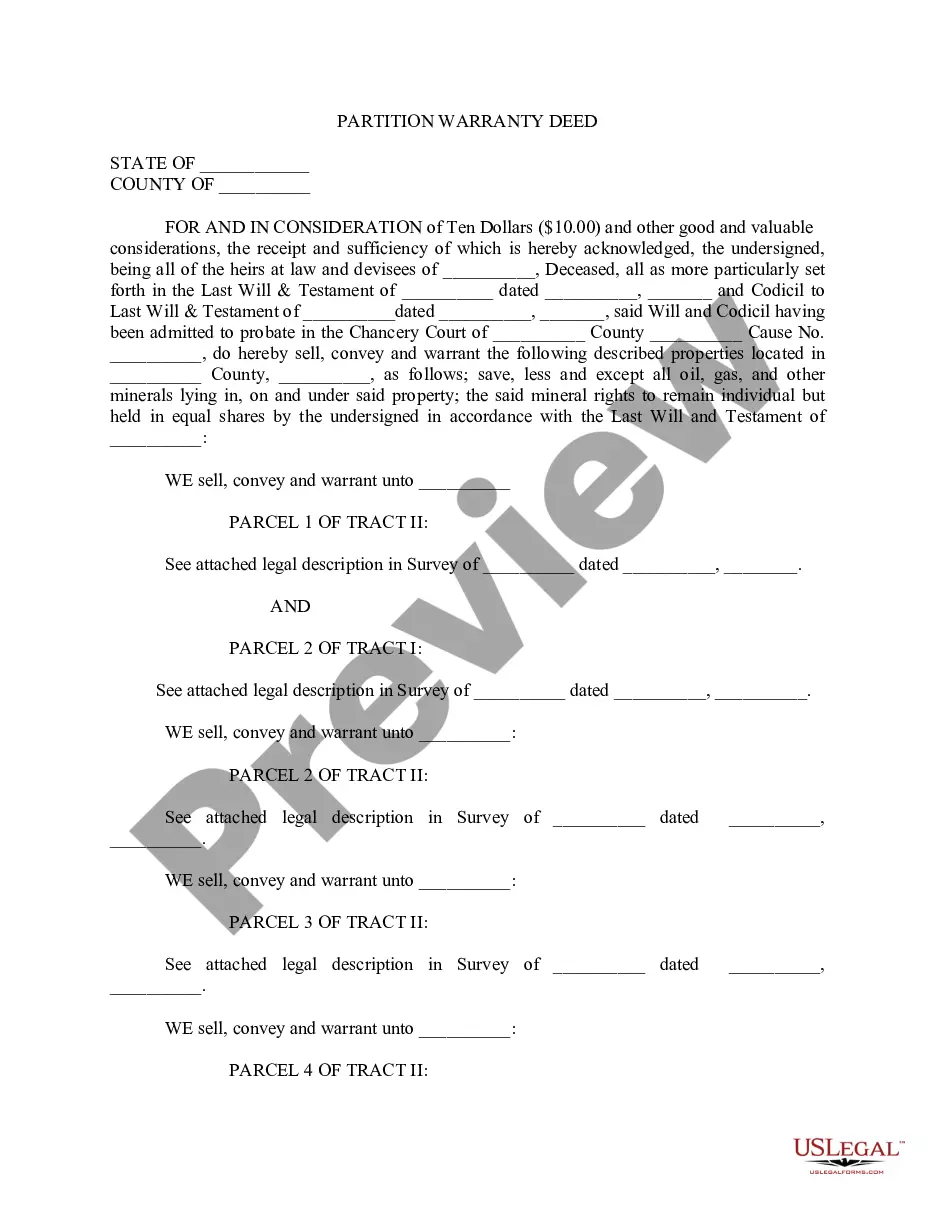
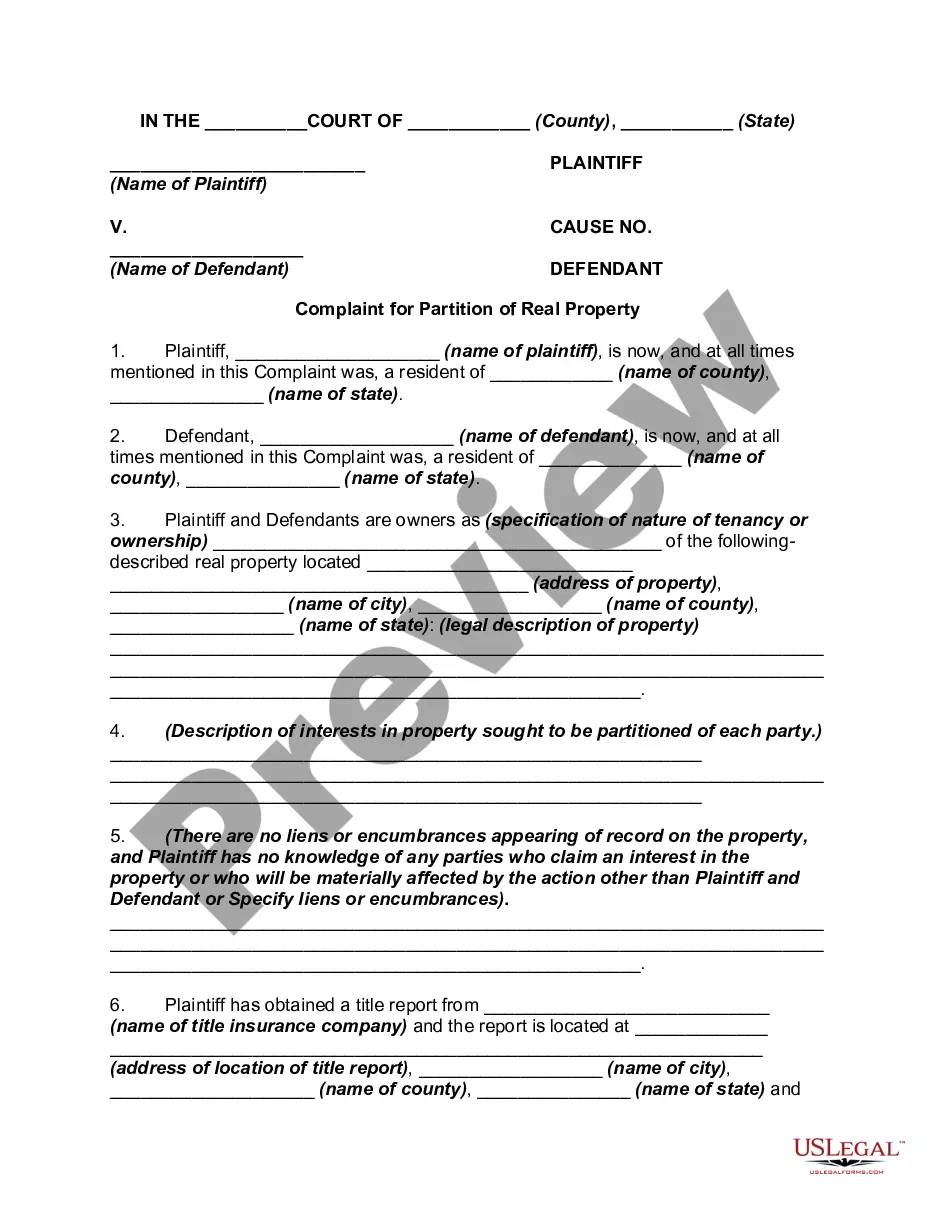
Partition Settlement Agreement Without Court In Massachusetts
Description


Get your form ready online
Our built-in tools help you complete, sign, share, and store your documents in one place.
Make edits, fill in missing information, and update formatting in US Legal Forms—just like you would in MS Word.
Download a copy, print it, send it by email, or mail it via USPS—whatever works best for your next step.
Sign and collect signatures with our SignNow integration. Send to multiple recipients, set reminders, and more. Go Premium to unlock E-Sign.
If this form requires notarization, complete it online through a secure video call—no need to meet a notary in person or wait for an appointment.
We protect your documents and personal data by following strict security and privacy standards.

Make edits, fill in missing information, and update formatting in US Legal Forms—just like you would in MS Word.

Download a copy, print it, send it by email, or mail it via USPS—whatever works best for your next step.

Sign and collect signatures with our SignNow integration. Send to multiple recipients, set reminders, and more. Go Premium to unlock E-Sign.

If this form requires notarization, complete it online through a secure video call—no need to meet a notary in person or wait for an appointment.

We protect your documents and personal data by following strict security and privacy standards.
Looking for another form?









Form popularity
FAQ
Either of the individuals may also convey their interest without the consent of the other, thereby breaking the “joint” tenancy. In this case, the existing owner will hold title as a tenant in common with the new ownet.
Subsequent to registration cases are legal proceedings. They modify, add, or update registered land records due to changes in the land's title or ownership. They are also known as “SBQ Cases,” “Subsequent Cases,” or “S-Cases.”
The actual time it takes from when a partition case is filed to when the land is partitioned physically, by sale, or by set-off varies from case to case. In general, partition cases can take several months or even years to resolve.
To initiate a partition action in Pennsylvania, a co-owner must file a partition complaint at the Court of Common Pleas. The Complaint will set forth the property description, the names and addresses of the co-owners, and their interest in the property.
To initiate a petition to partition, one or more co-owners must file a petition with the court that has jurisdiction over the property. The petition must include a description of the property, the names of all co-owners, and a statement of the nature of the disagreement or dispute between the co-owners.
A partition action is a lawsuit in which a court determines whether a property with two or more owners is to be partitioned or sold. When two or more owners cannot agree on the disposition of the property in question, any of the owners can file a partition action in the appropriate court.
