Agreement Division Property With Real Estate In Georgia
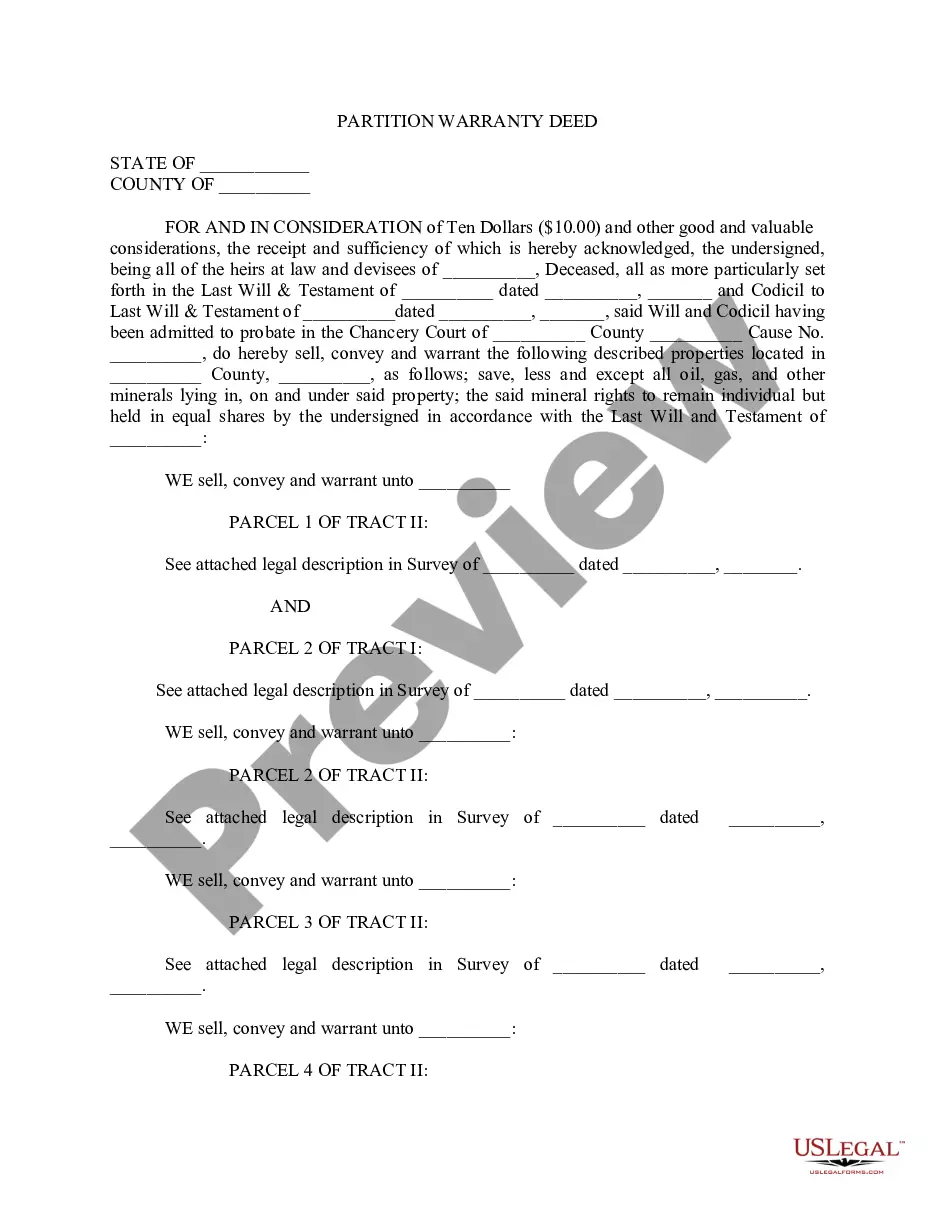
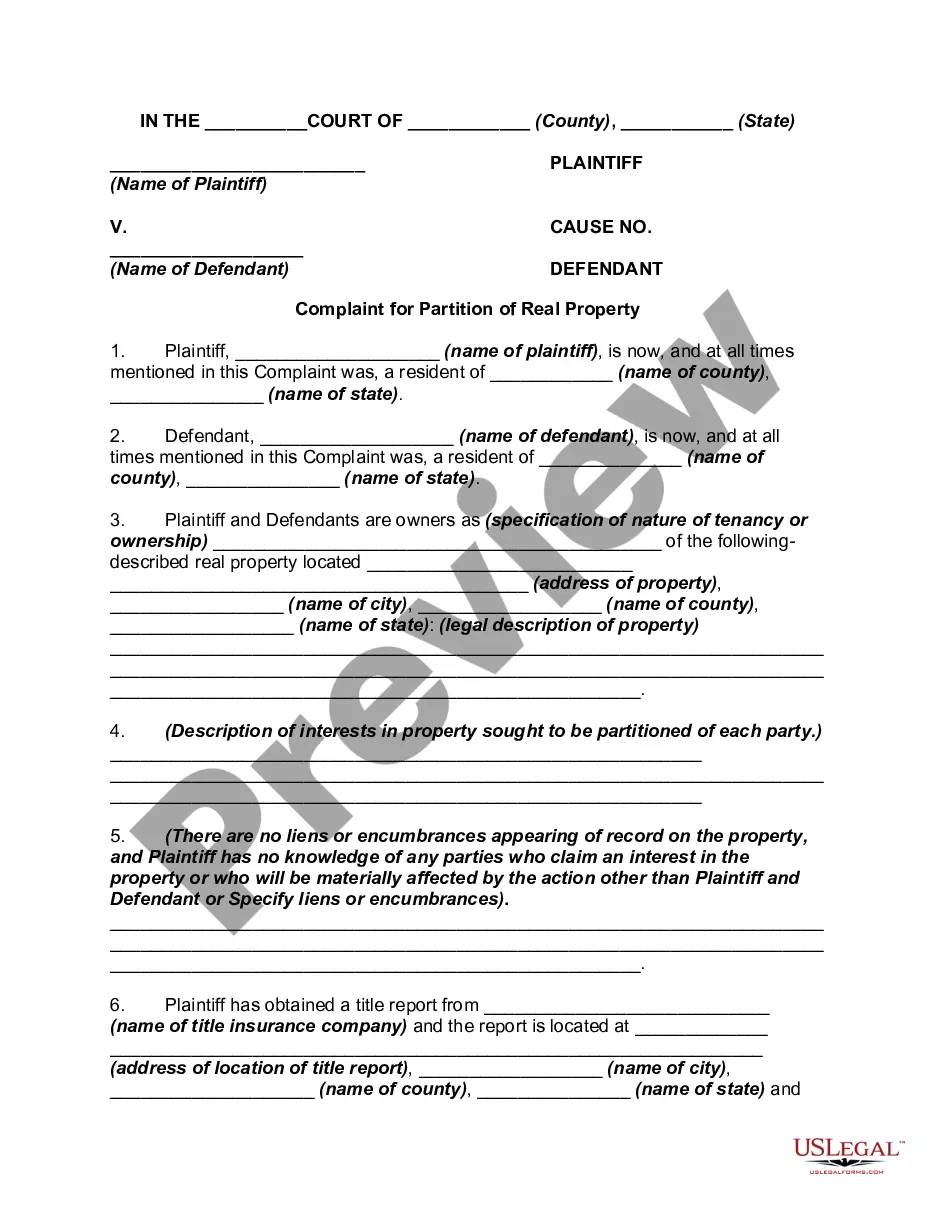
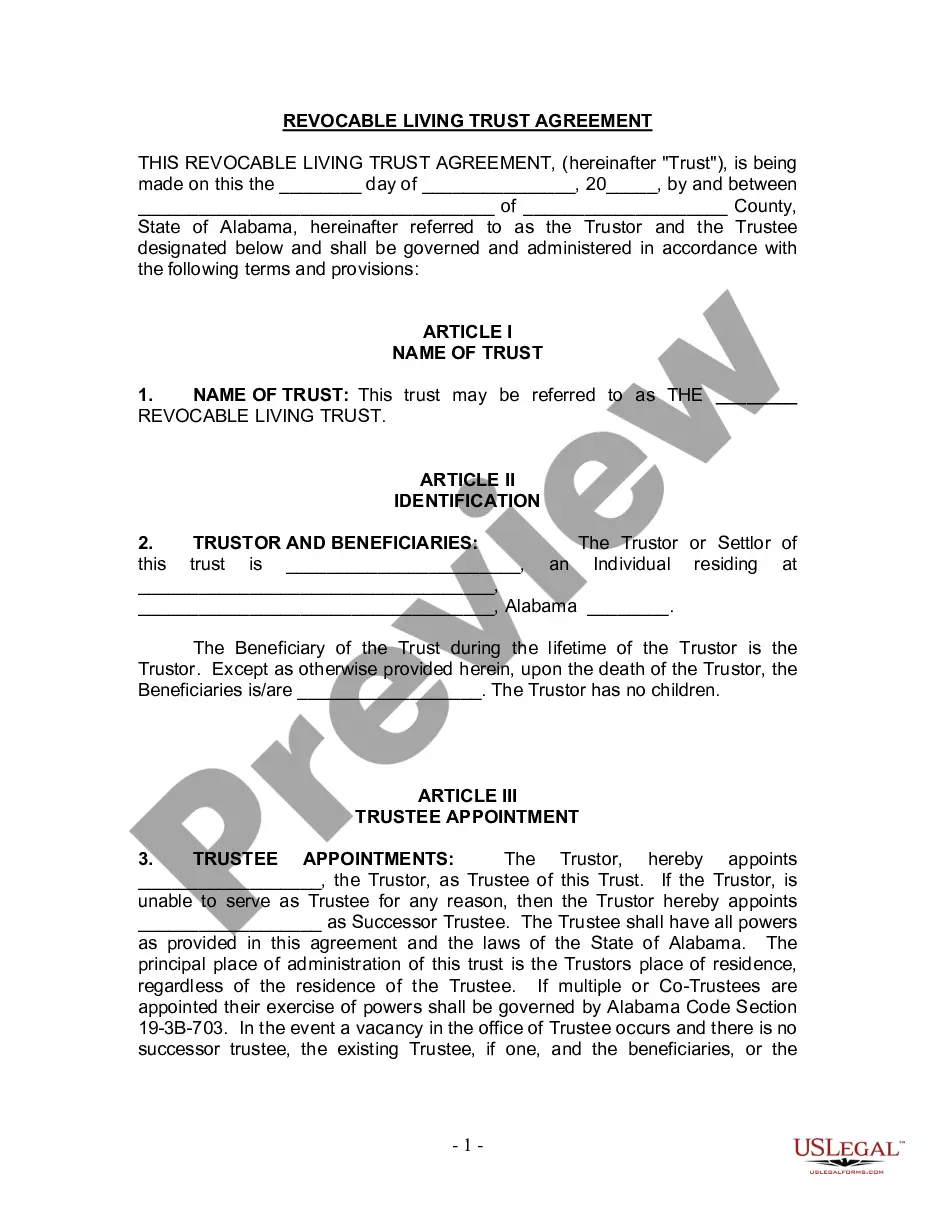
Description


Get your form ready online
Our built-in tools help you complete, sign, share, and store your documents in one place.
Make edits, fill in missing information, and update formatting in US Legal Forms—just like you would in MS Word.
Download a copy, print it, send it by email, or mail it via USPS—whatever works best for your next step.
Sign and collect signatures with our SignNow integration. Send to multiple recipients, set reminders, and more. Go Premium to unlock E-Sign.
If this form requires notarization, complete it online through a secure video call—no need to meet a notary in person or wait for an appointment.
We protect your documents and personal data by following strict security and privacy standards.

Make edits, fill in missing information, and update formatting in US Legal Forms—just like you would in MS Word.

Download a copy, print it, send it by email, or mail it via USPS—whatever works best for your next step.

Sign and collect signatures with our SignNow integration. Send to multiple recipients, set reminders, and more. Go Premium to unlock E-Sign.

If this form requires notarization, complete it online through a secure video call—no need to meet a notary in person or wait for an appointment.

We protect your documents and personal data by following strict security and privacy standards.
Looking for another form?


Form popularity
FAQ
Georgia is an “equitable division” state. This means that spouses will be granted an approximately equal share of marital assets in the divorce, but it does not need to be an exact 50/50 split of everything.
What assets may be protected from division in divorce. Assets that may be protected from equitable distribution during a divorce are typically belong to one of two types: premarital property that has been kept from being commingled or transitioned and gifts or inheritances.
A Property Settlement Agreement (PSA) is a legally binding contract between spouses that outlines the division of marital property, financial responsibilities, and other related matters upon divorce or legal separation.
Adultery as the Legal Reason for Divorce in Georgia The grounds for divorce in Georgia include both fault and no-fault reasons for ending a marriage. Among the fault-based grounds, you may get a Georgia divorce if you can prove that either you or your spouse committed adultery. (Ga. Code § 19-5-3 (2022).)
Georgia is not a community property state that requires an equal (50/50) division of marital property during divorce. Instead, the laws assign both spouses an equitable interest in all the property acquired during marriage, also known as equitable distribution.
Assets and earnings accumulated during marriage are divided equitably (fairly). In practice, often two-thirds of the assets go to the higher wage earner and one-third to the other spouse.
What is a spouse entitled to in a divorce in Georgia? Under Georgia law, each spouse is entitled to an “equitable” share of the marital property. This does not equate to an equal division, but instead a “fair” split between the parties.
Marital property is divided equally, not fairly, with each divorcee receiving 50%. However, Georgia is an equitable distribution state, so property is divided ing to what is fair or equitable. It sometimes results in equal distribution, but in many cases it doesn't.
Is Georgia a 50/50 state when it comes to divorce? Not necessarily. Georgia is an equitable distribution state, meaning instead of dividing the marital property equally, a judge will divide the property fairly based on each spouse's financial and non-financial contributions to the marriage.