Partition Agreement Format In Florida
Description


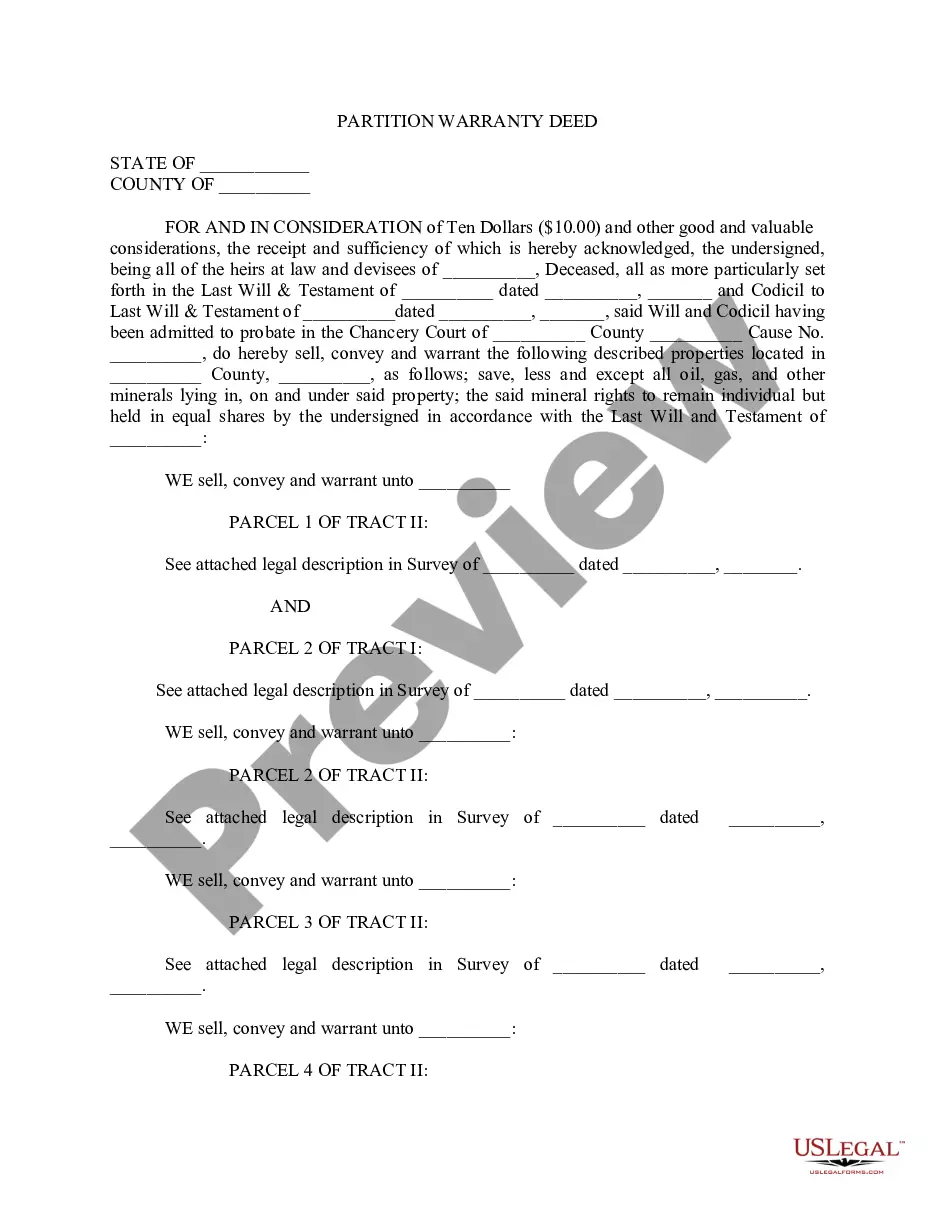
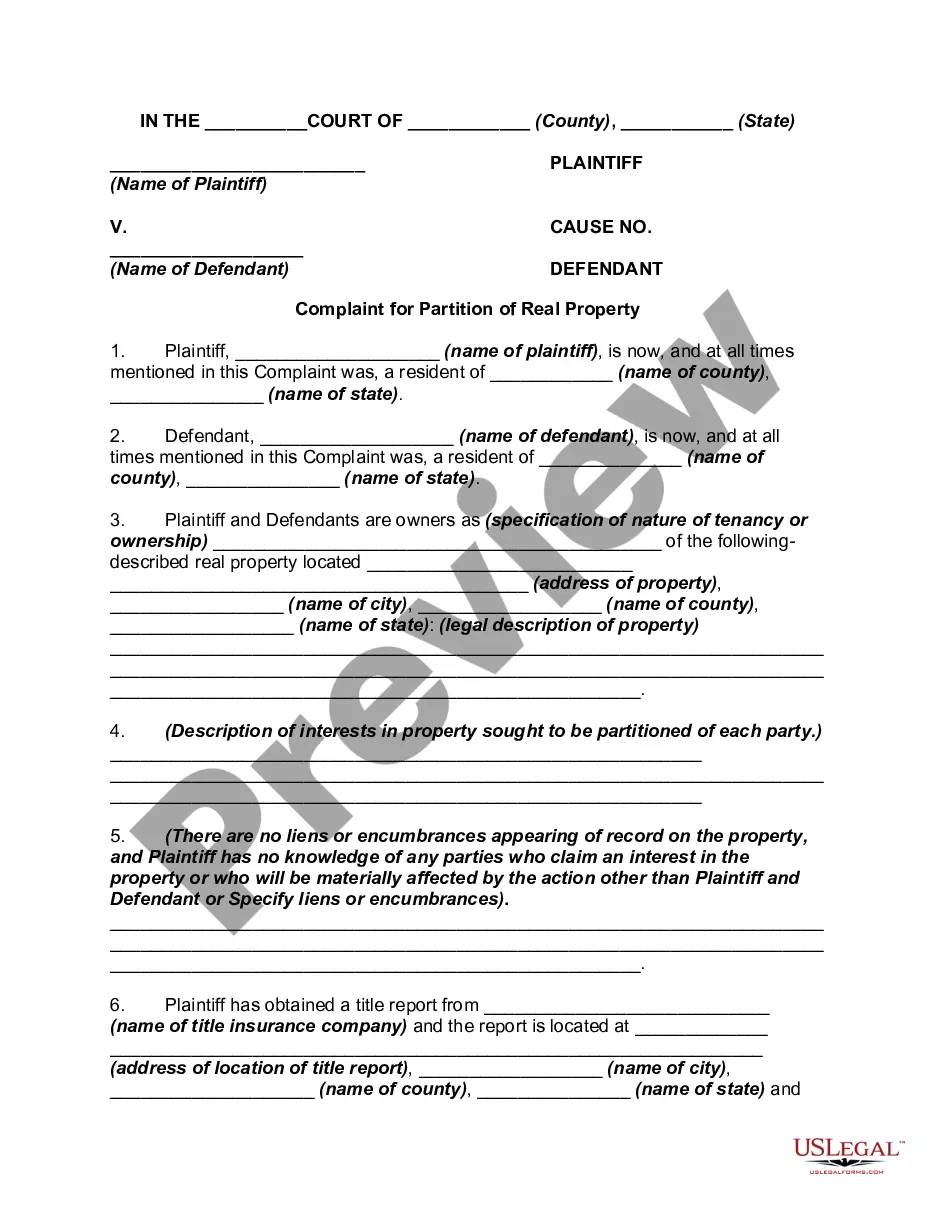
Get your form ready online
Our built-in tools help you complete, sign, share, and store your documents in one place.
Make edits, fill in missing information, and update formatting in US Legal Forms—just like you would in MS Word.
Download a copy, print it, send it by email, or mail it via USPS—whatever works best for your next step.
Sign and collect signatures with our SignNow integration. Send to multiple recipients, set reminders, and more. Go Premium to unlock E-Sign.
If this form requires notarization, complete it online through a secure video call—no need to meet a notary in person or wait for an appointment.
We protect your documents and personal data by following strict security and privacy standards.

Make edits, fill in missing information, and update formatting in US Legal Forms—just like you would in MS Word.

Download a copy, print it, send it by email, or mail it via USPS—whatever works best for your next step.

Sign and collect signatures with our SignNow integration. Send to multiple recipients, set reminders, and more. Go Premium to unlock E-Sign.

If this form requires notarization, complete it online through a secure video call—no need to meet a notary in person or wait for an appointment.

We protect your documents and personal data by following strict security and privacy standards.
Looking for another form?


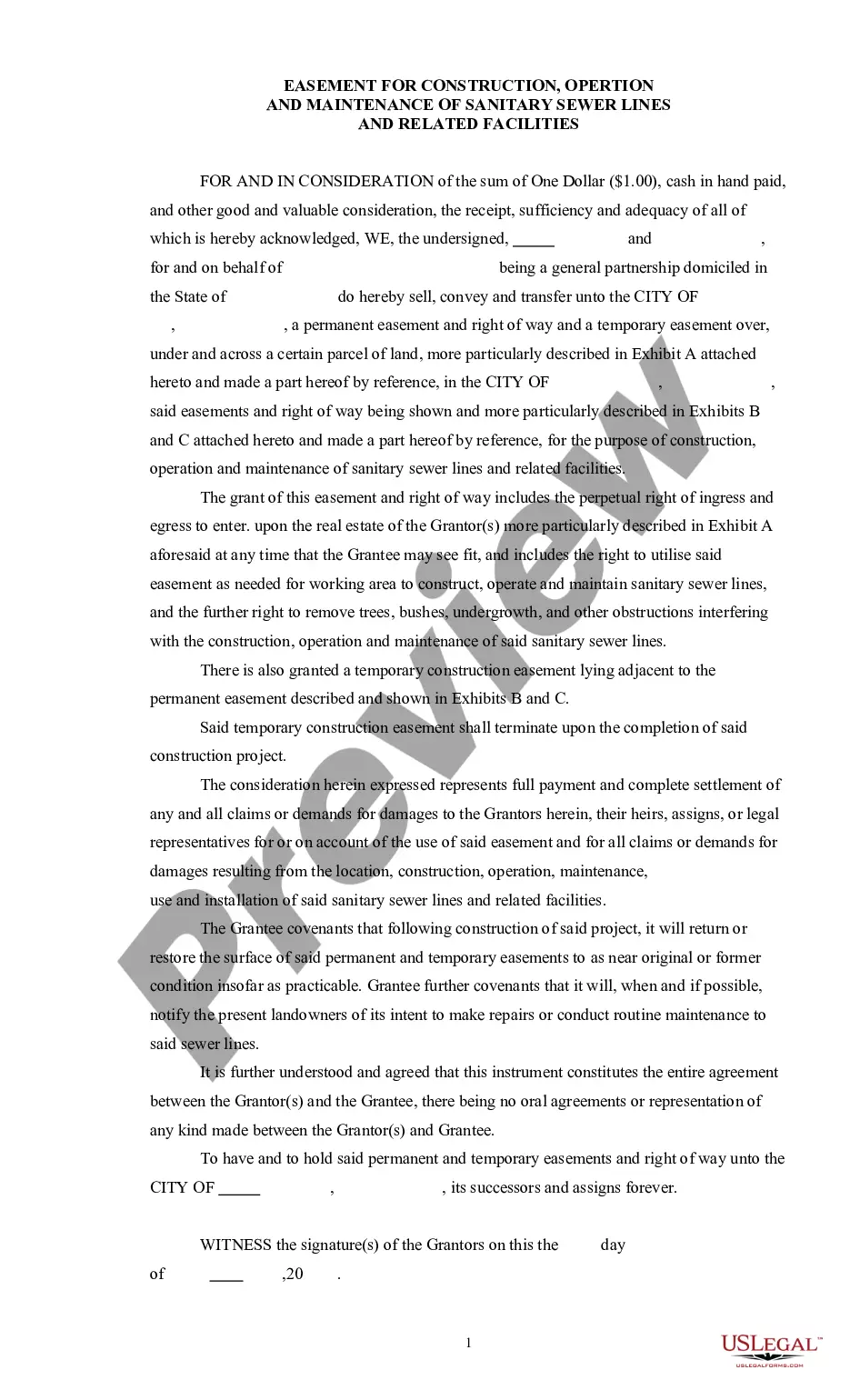
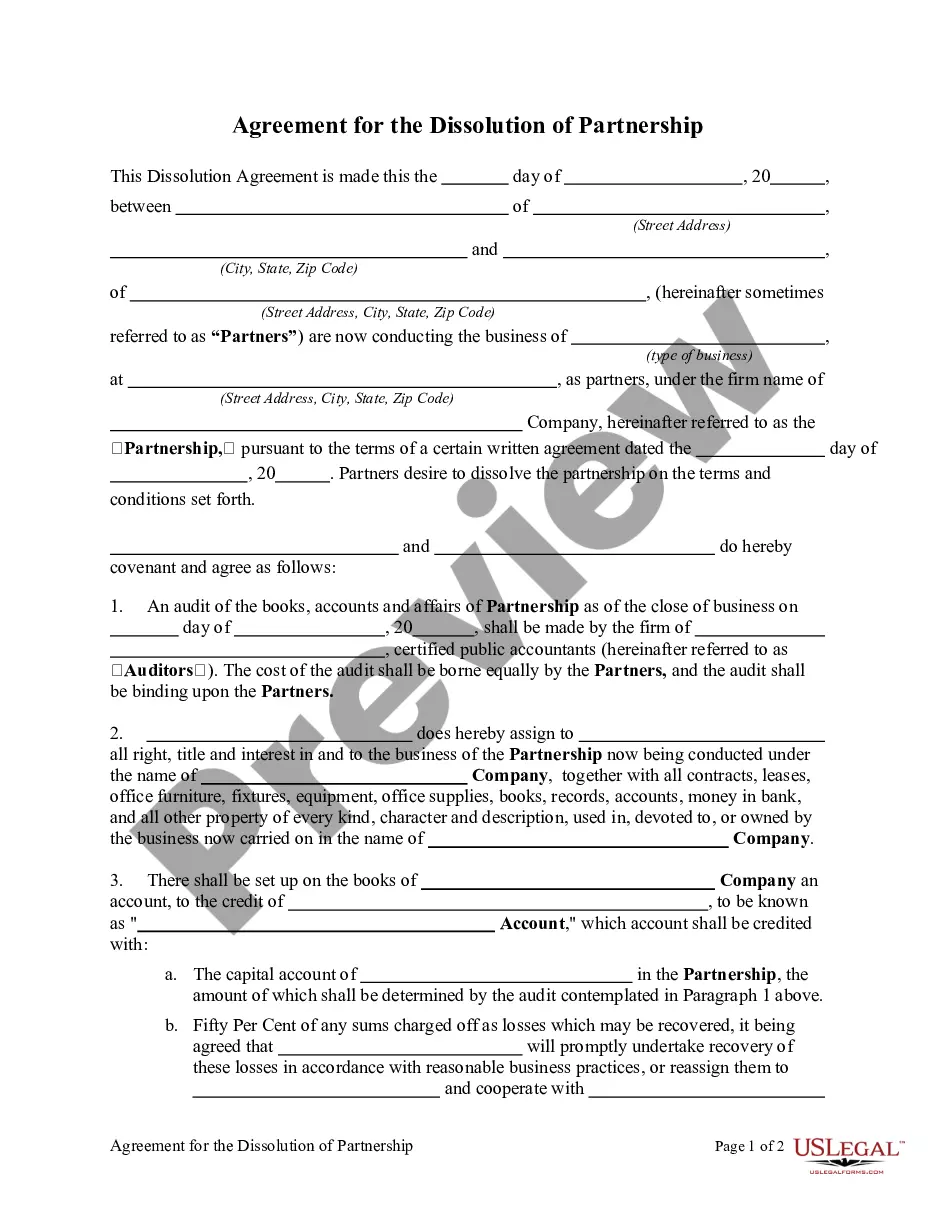


Form popularity
FAQ
Defenses to the Partition Actions in Florida The only applicable defense to a partition action would be if the owners waived their right to partition. The three ways in which the owners may waive their rights to partition are: (1) verbally, (2) in an implied manner, or (3) in writing.
There's no set length for how long a civil lawsuit takes in Florida. Most Florida civil lawsuits take several months to a few years. Different factors determine their length before their conclusion. This includes the type of case, its complexity, witnesses and injury severity.
The co-owner who wishes to sell the property or the estate's personal representative can file a partition action, or a formal adversarial lawsuit, in the probate proceeding under Florida Statutes §733.814 at any time before the estate is closed.
The actual time it takes from when a partition case is filed to when the land is partitioned physically, by sale, or by set-off varies from case to case. In general, partition cases can take several months or even years to resolve.
Typically, a partition lawsuit in Florida spans 9 to 12 months. This period encompasses approximately 12 hours of legal work, which includes filing the lawsuit, court proceedings, and reaching a resolution. However, this is an average estimate, and the actual time can vary based on several factors.
While it is possible to file a partition lawsuit without a lawyer or “Pro Se” in Florida, it is highly recommended to seek the assistance of an experienced partition attorney. The process can become complex, and having a knowledgeable litigator on your side can help protect your interests and maximize your recovery.
To win a partition action can take anywhere from a couple of months to reach a settlement agreement to a year or more if it goes to a court trial.
Litigants or parties representing themselves in court without the assistance of an attorney are known as pro se litigants. "Pro se" is Latin for "in one's own behalf." The right to appear pro se in a civil case in federal court is contained in a statute 28 U.S.C. § 1654.
