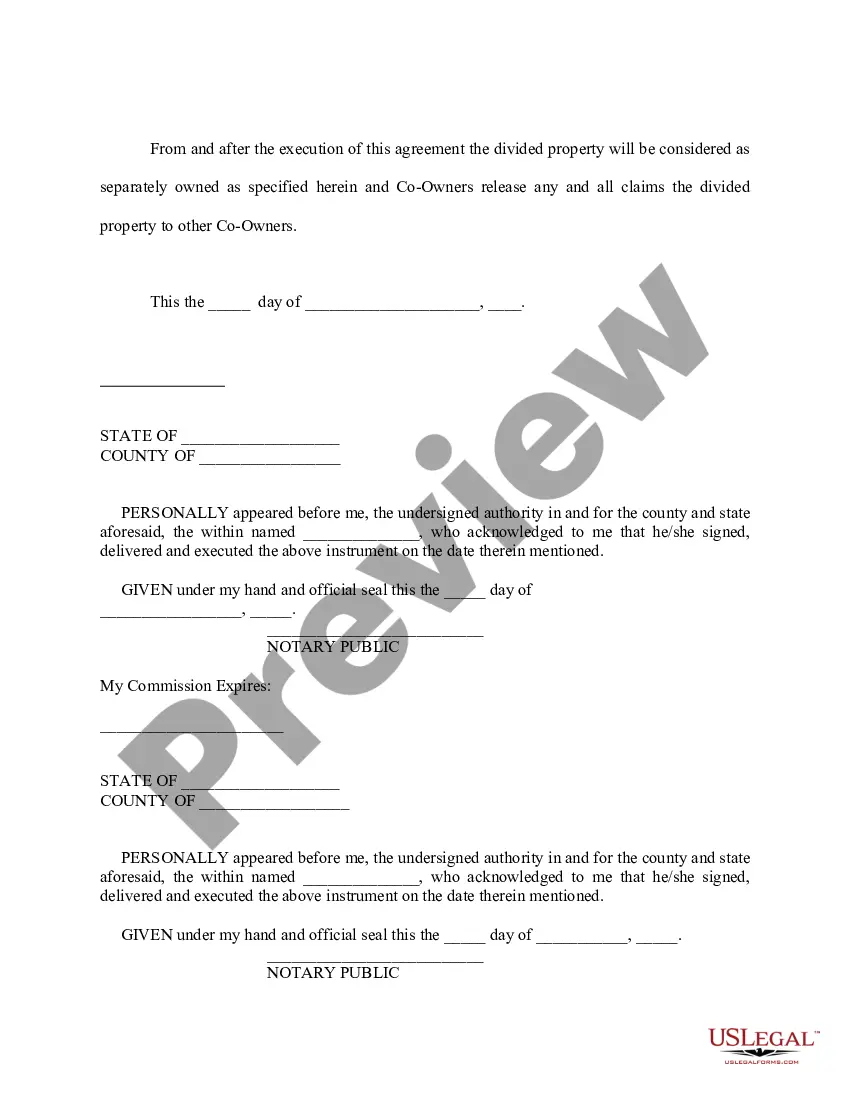
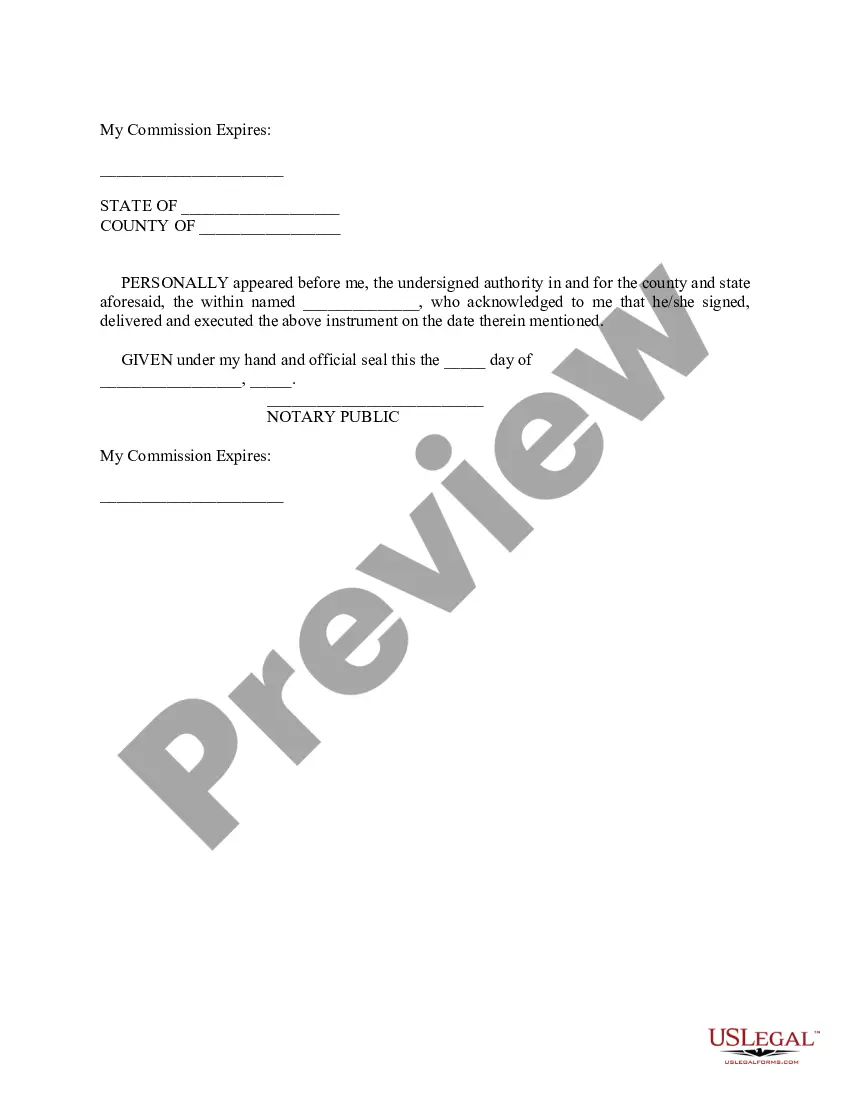
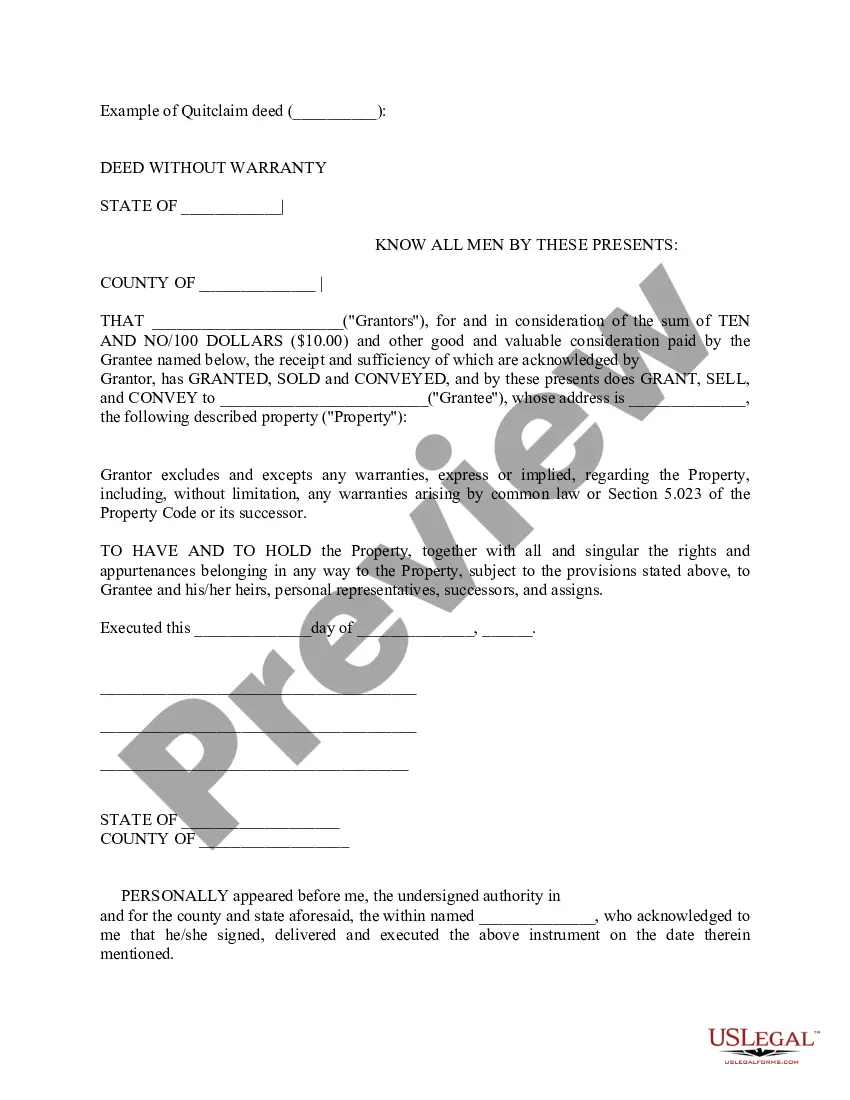
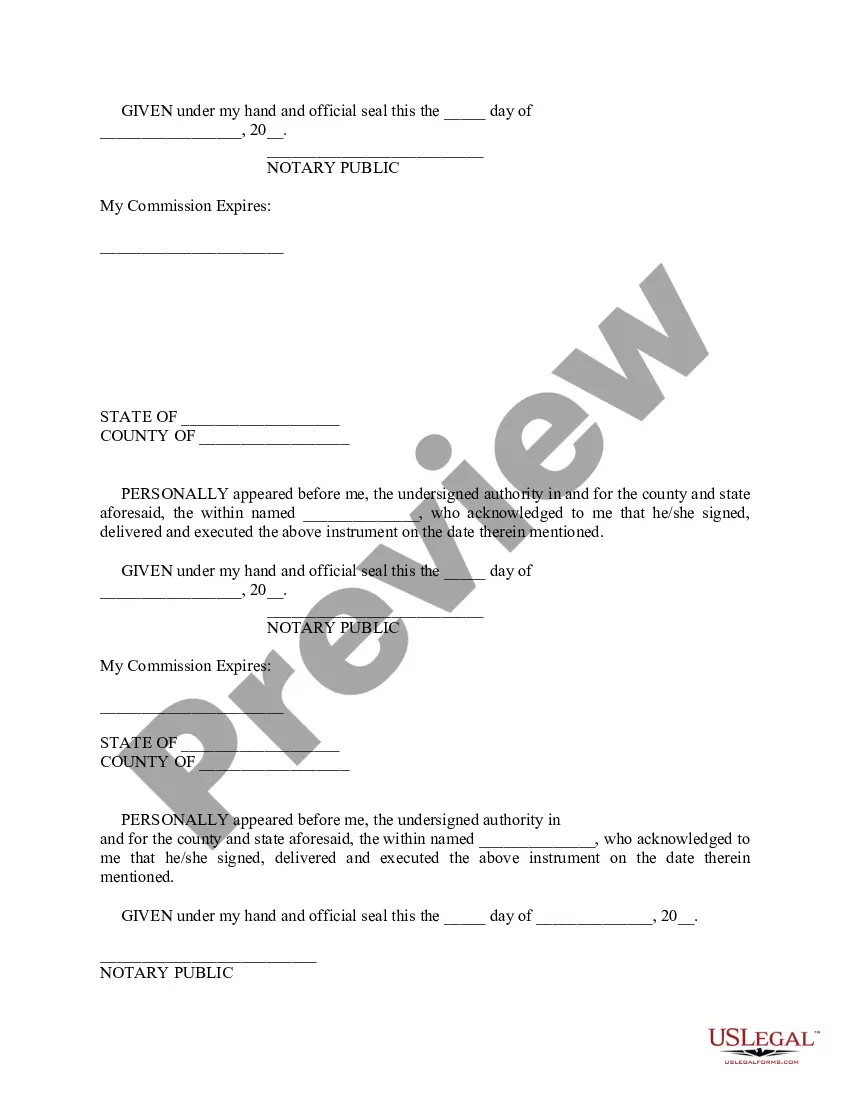
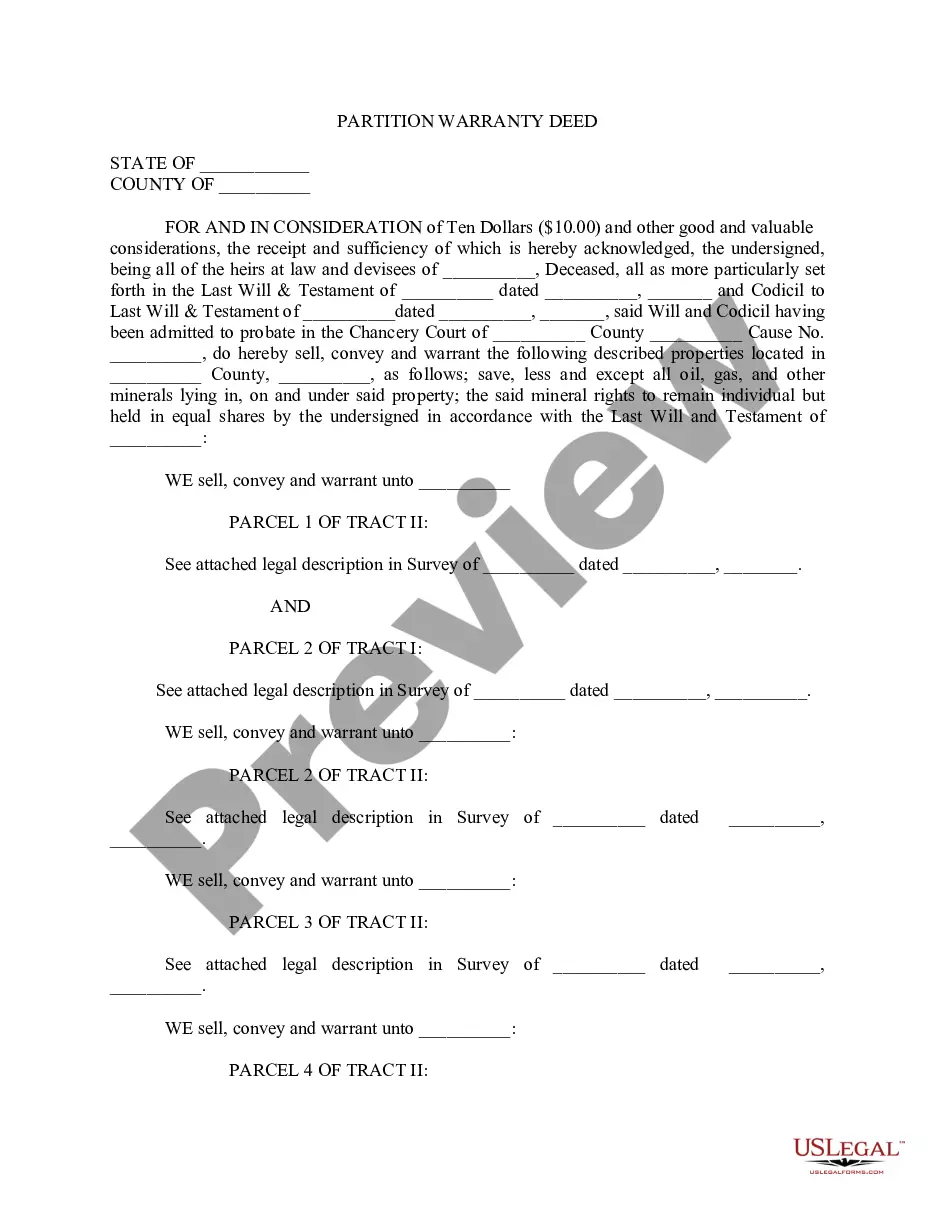
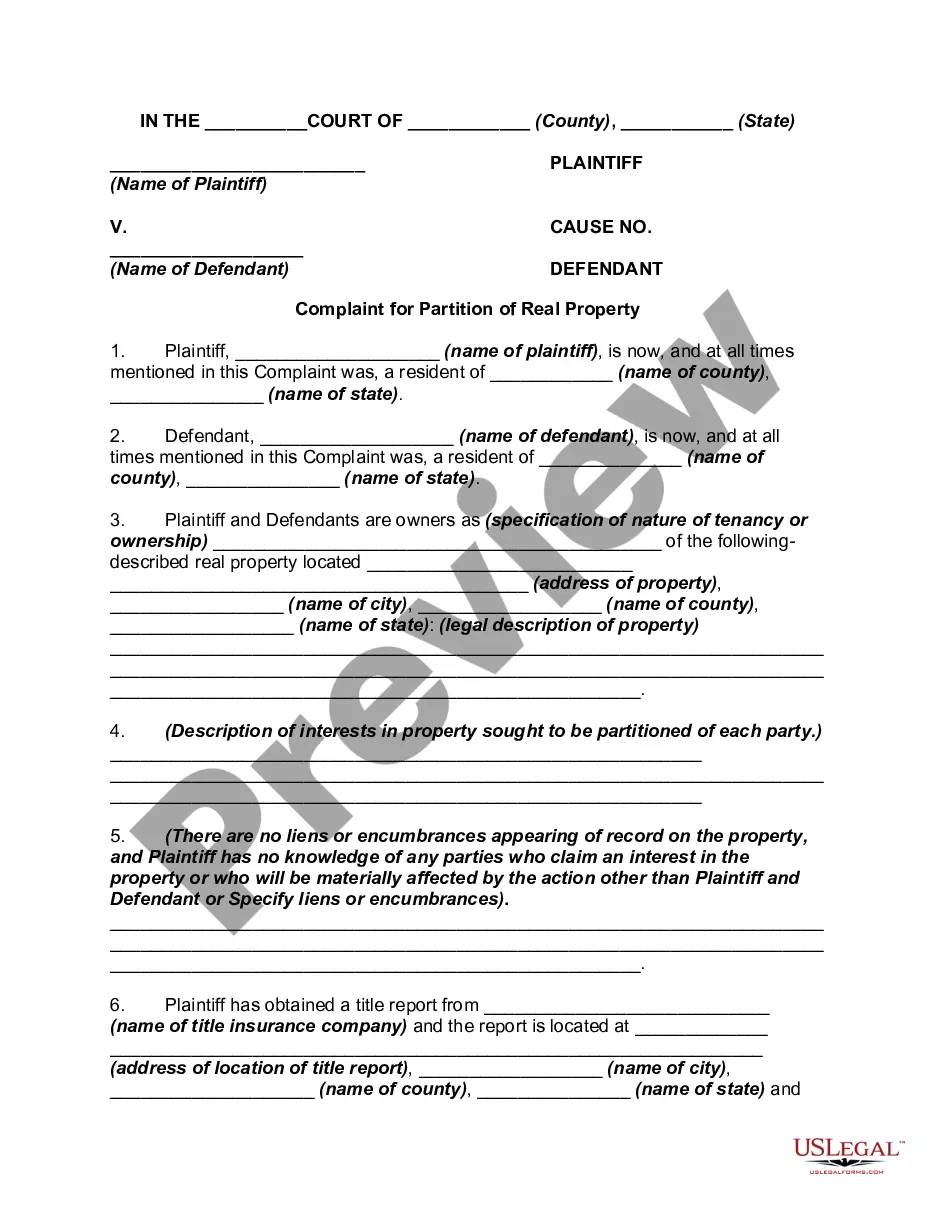
Partition Settlement Agreement With Waiver Of Rights In Dallas
Description


Get your form ready online
Our built-in tools help you complete, sign, share, and store your documents in one place.
Make edits, fill in missing information, and update formatting in US Legal Forms—just like you would in MS Word.
Download a copy, print it, send it by email, or mail it via USPS—whatever works best for your next step.
Sign and collect signatures with our SignNow integration. Send to multiple recipients, set reminders, and more. Go Premium to unlock E-Sign.
If this form requires notarization, complete it online through a secure video call—no need to meet a notary in person or wait for an appointment.
We protect your documents and personal data by following strict security and privacy standards.

Make edits, fill in missing information, and update formatting in US Legal Forms—just like you would in MS Word.

Download a copy, print it, send it by email, or mail it via USPS—whatever works best for your next step.

Sign and collect signatures with our SignNow integration. Send to multiple recipients, set reminders, and more. Go Premium to unlock E-Sign.

If this form requires notarization, complete it online through a secure video call—no need to meet a notary in person or wait for an appointment.

We protect your documents and personal data by following strict security and privacy standards.
Looking for another form?





Form popularity
FAQ
Is There a Statute of Limitations on Divorce Settlements in Texas? Yes. The statute of limitations on divorce settlements in Texas is relevant to getting the stipulations of the final decree enforced, and you have a two-year limit from the date of the final decree to do so.
Under Texas law, the party seeking to enforce a settlement agreement in a pending action may amend his pleadings to bring a breach of contract action against the non-settling party, and the judge may enforce the settlement as a written contract upon demonstration of proof. Lefevre v. Keaty, 191 F.
Code § 4.102. Current with legislation from the 2023 Regular and Special Sessions signed by the Governor as of November 21, 2023. At any time, the spouses may partition or exchange between themselves all or part of their community property, then existing or to be acquired, as the spouses may desire.
If you believe that your ex-spouse has breached the terms of your divorce settlement agreement, you can file a petition for enforcement with the court. The court will then hold a hearing to determine whether or not your ex-spouse has breached the divorce agreement.
In Texas, there is no presumption that each party owns separate property. However, spouses do have equal ownership rights to their respective properties.
A partition agreement does not have to be approved by the court as just and right. In addition to being in writing and signed by both parties, a partition agreement must either specifically reference “partition” or show the parties' intent to convert the property from community property to separate property.
A partition agreement divides, or partitions, a married couple's community estate into two separate estates. It is sometimes called a post-nuptial or post-marital agreement and is similar to a prenuptial agreement, except that it is executed by a married couple.
Legal and Practical Considerations: Legally, both spouses have an equal right to stay in the marital home unless a court decides otherwise. This is because, in Texas, a home bought during the marriage is considered community property, owned equally by both spouses.
Even if only one spouse's name is on the deed, any property bought during the marriage is presumed to be community property, unless it was bought with separate property funds. The spouse claiming it as separate property must prove it in court.
