Agreement Division Property With Landlord In Dallas
Description

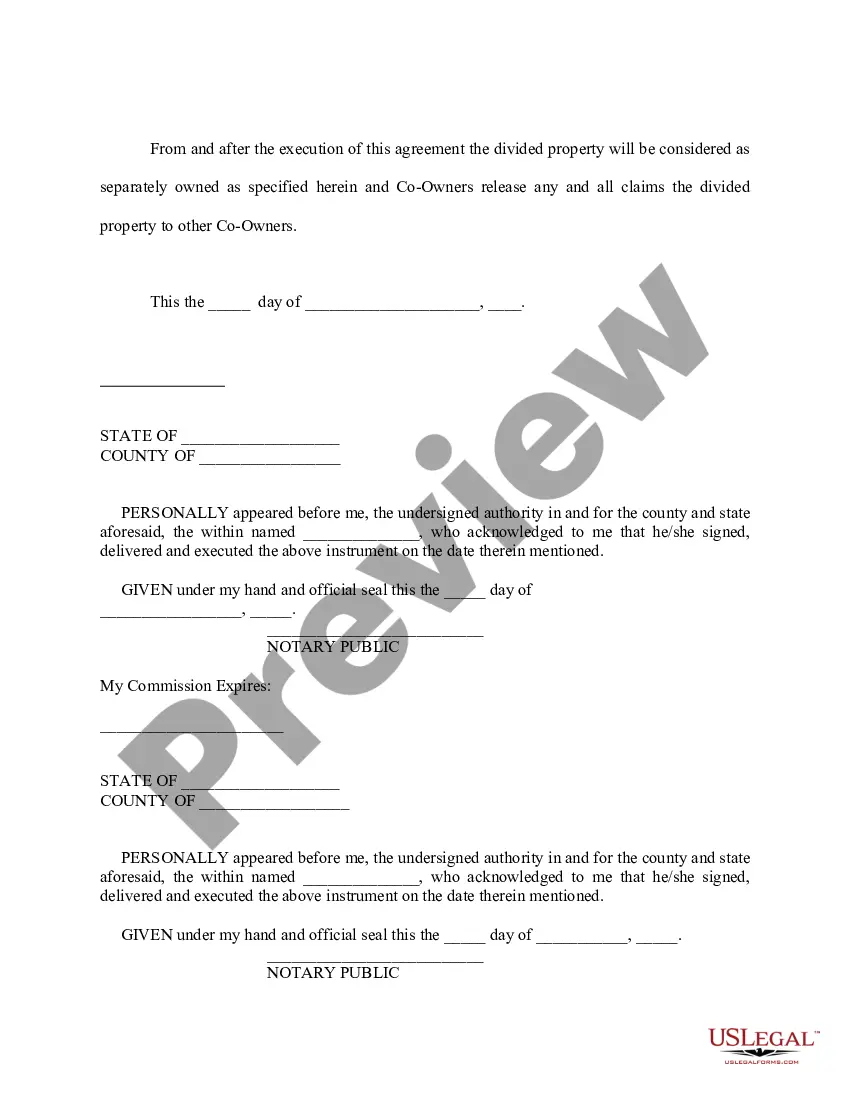
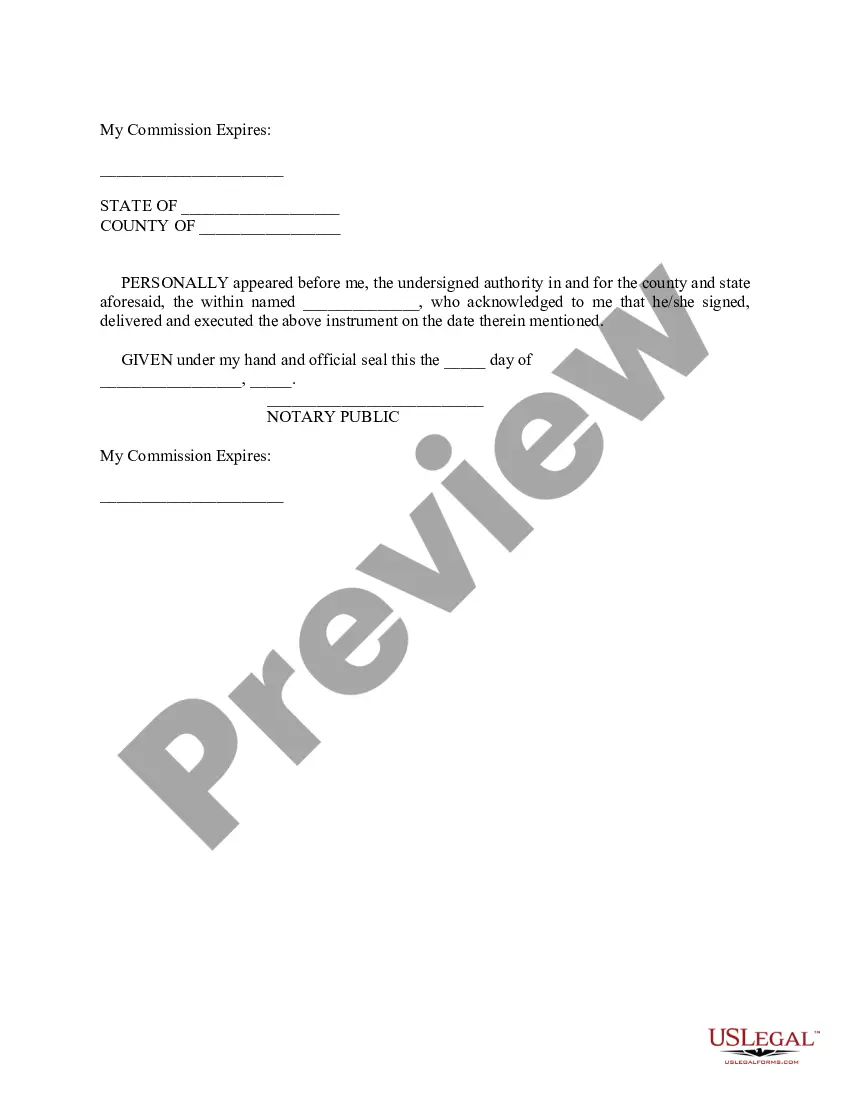
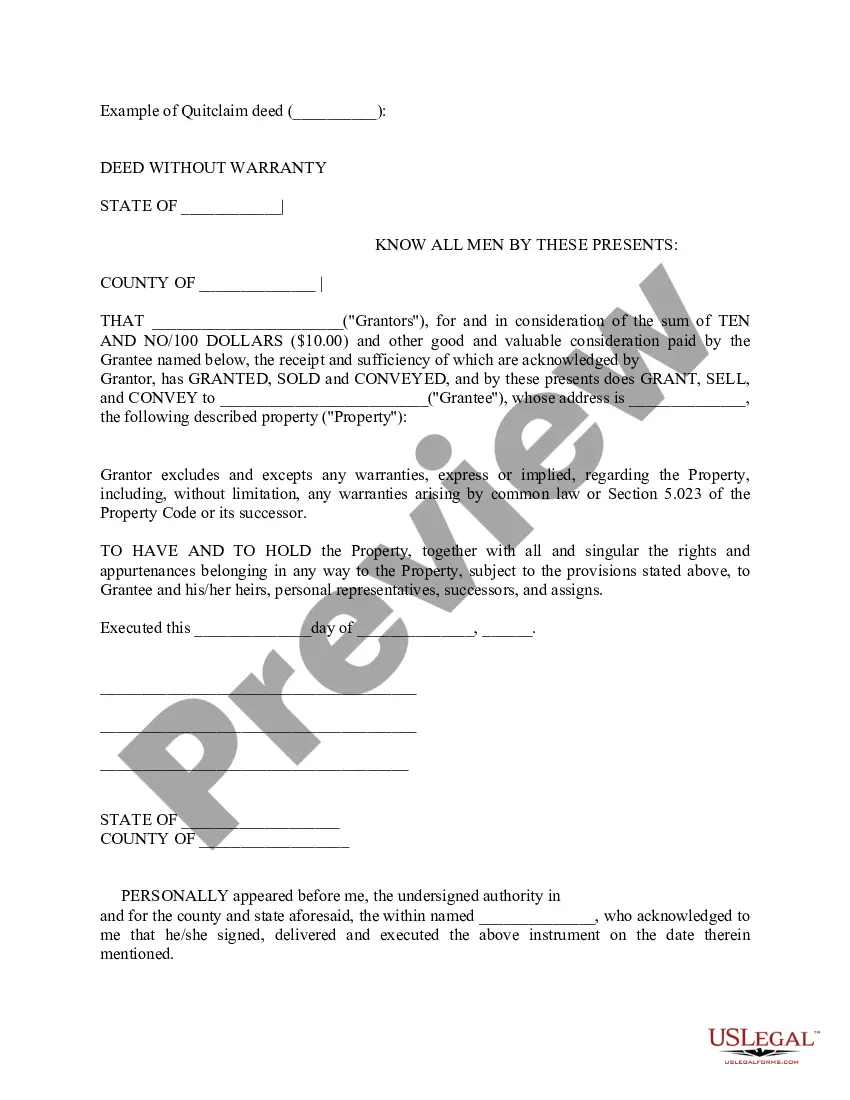
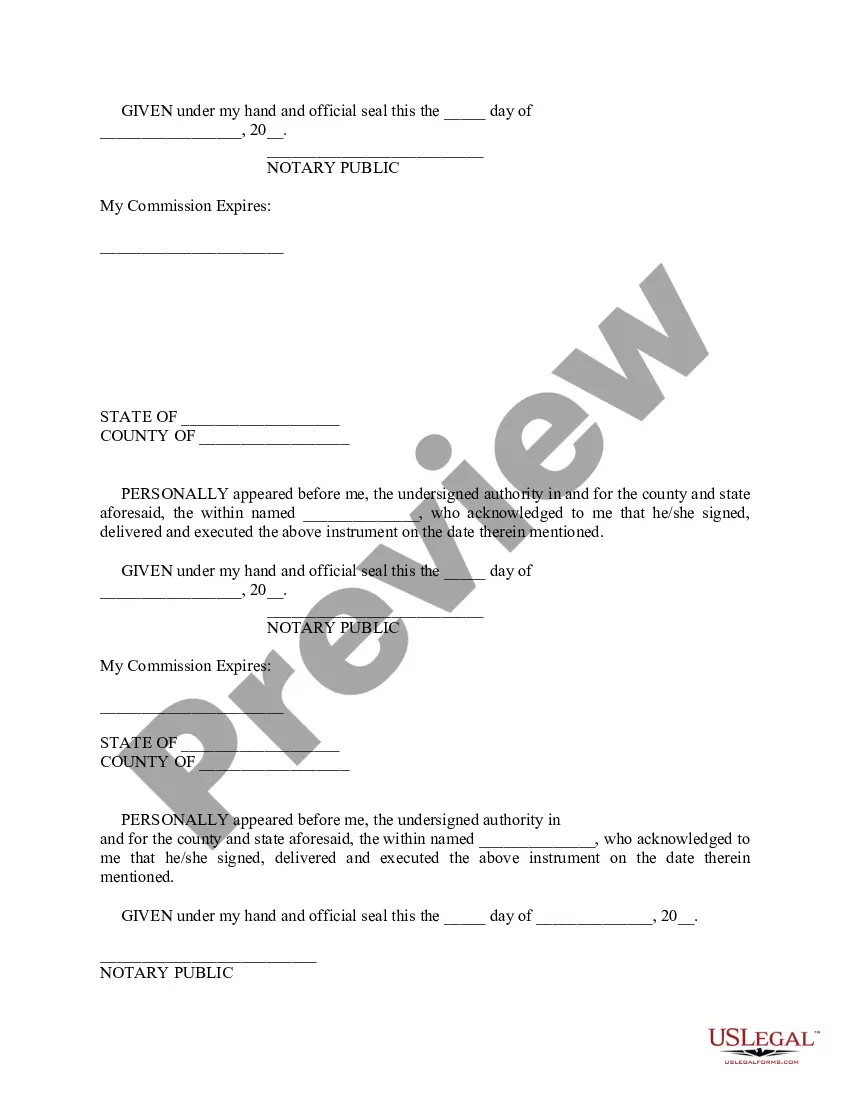
Get your form ready online
Our built-in tools help you complete, sign, share, and store your documents in one place.
Make edits, fill in missing information, and update formatting in US Legal Forms—just like you would in MS Word.
Download a copy, print it, send it by email, or mail it via USPS—whatever works best for your next step.
Sign and collect signatures with our SignNow integration. Send to multiple recipients, set reminders, and more. Go Premium to unlock E-Sign.
If this form requires notarization, complete it online through a secure video call—no need to meet a notary in person or wait for an appointment.
We protect your documents and personal data by following strict security and privacy standards.

Make edits, fill in missing information, and update formatting in US Legal Forms—just like you would in MS Word.

Download a copy, print it, send it by email, or mail it via USPS—whatever works best for your next step.

Sign and collect signatures with our SignNow integration. Send to multiple recipients, set reminders, and more. Go Premium to unlock E-Sign.

If this form requires notarization, complete it online through a secure video call—no need to meet a notary in person or wait for an appointment.

We protect your documents and personal data by following strict security and privacy standards.
Looking for another form?






Form popularity
FAQ
How to write a Texas lease agreement Begin by including the names and contact information of both the landlord and tenant. Describe the rental property, including its address and any unique features. Specify the lease term, including the move-in and move-out dates.
All parties involved, the landlord and tenant(s), must both sign the lease agreement to be valid. Tenants generally provide the first signature on the lease agreement.
But not by the landlord. It does not necessarily mean the lease is invalid. However it can createMoreBut not by the landlord. It does not necessarily mean the lease is invalid. However it can create significant problems down the line for instance if there are any disputes.
Sign the lease agreement After the tenant has signed, it's time for the landlord or property manager to provide their signature. Once this is complete, the contract is legally binding to both parties. This step has to be completed before the tenant moves into the rental unit or house.
Use a professional tone when writing a letter to request repairs. State clearly what needs repair, why it's needed, and include a deadline for completing it. Also, consider including a reminder that repairs may need to be completed for the tenant to remain compliant with their lease agreement.
It must be written in strict adherence to property laws of the state where the property is located. Failing to do so can either render the lease invalid or unable to protect the landlord's property and interests from potential problem tenants.
The Texas Workforce Commission ("TWC") is the entity responsible for enforcing the Fair Housing Act in the State of Texas. You have one year after an alleged violation to file a complaint, but you should file it as soon as possible. The following information will be requested: Your name and address.
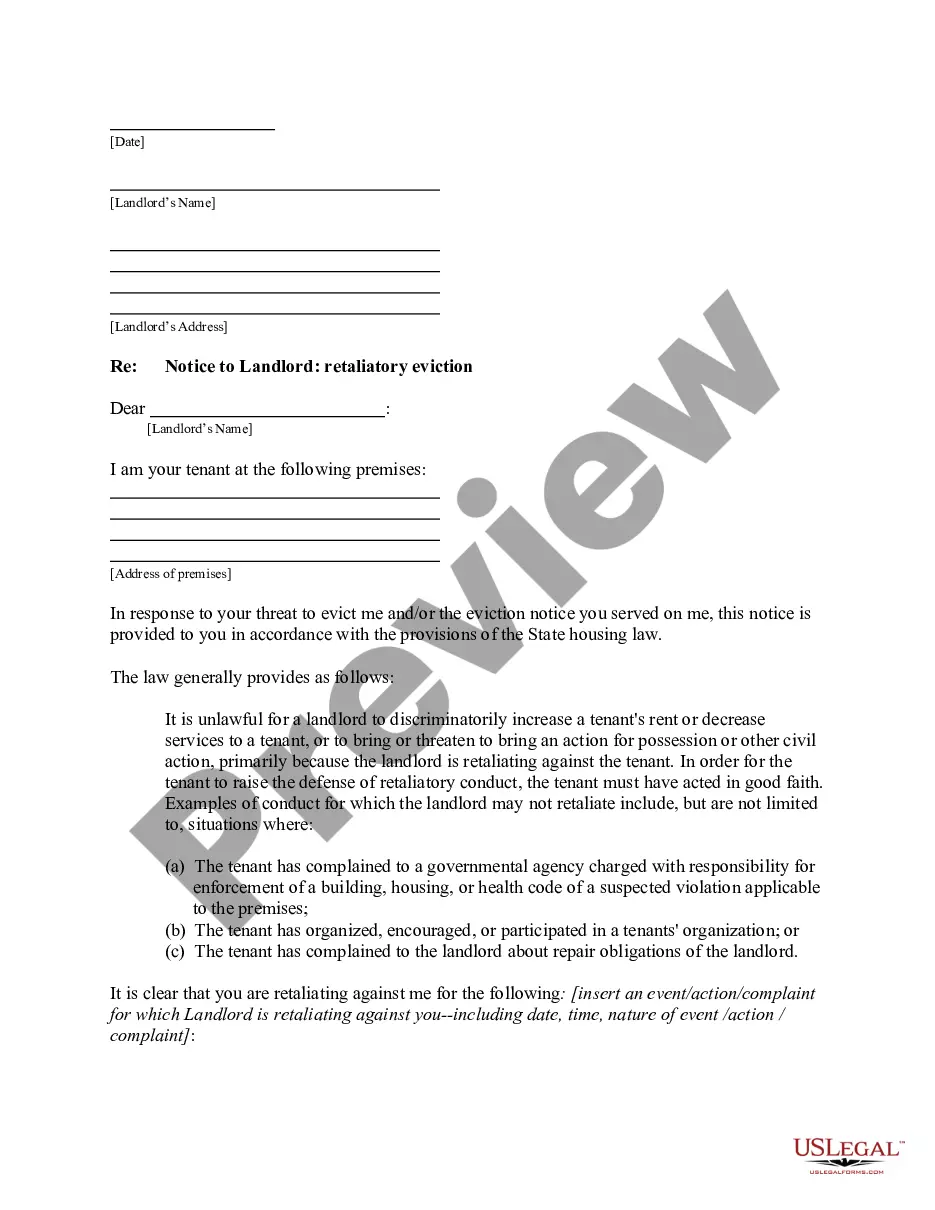
This means tenants cannot be evicted for race, religion, gender, disability, familial status, or because the tenant reported a violation or requested necessary repairs. Evictions for these reasons would be illegal under both federal law and the Texas Property Code.
Before your landlord can file an eviction lawsuit against you, they must give you a written notice to vacate. This notice must give you at least three days to move out, unless your lease allows for a shorter time.
Ing to the Texas Property Code, landlords can pursue claims for eviction and damage to the premises, even without a written lease.
