Notary Public Certification In Louisiana In Suffolk
Description

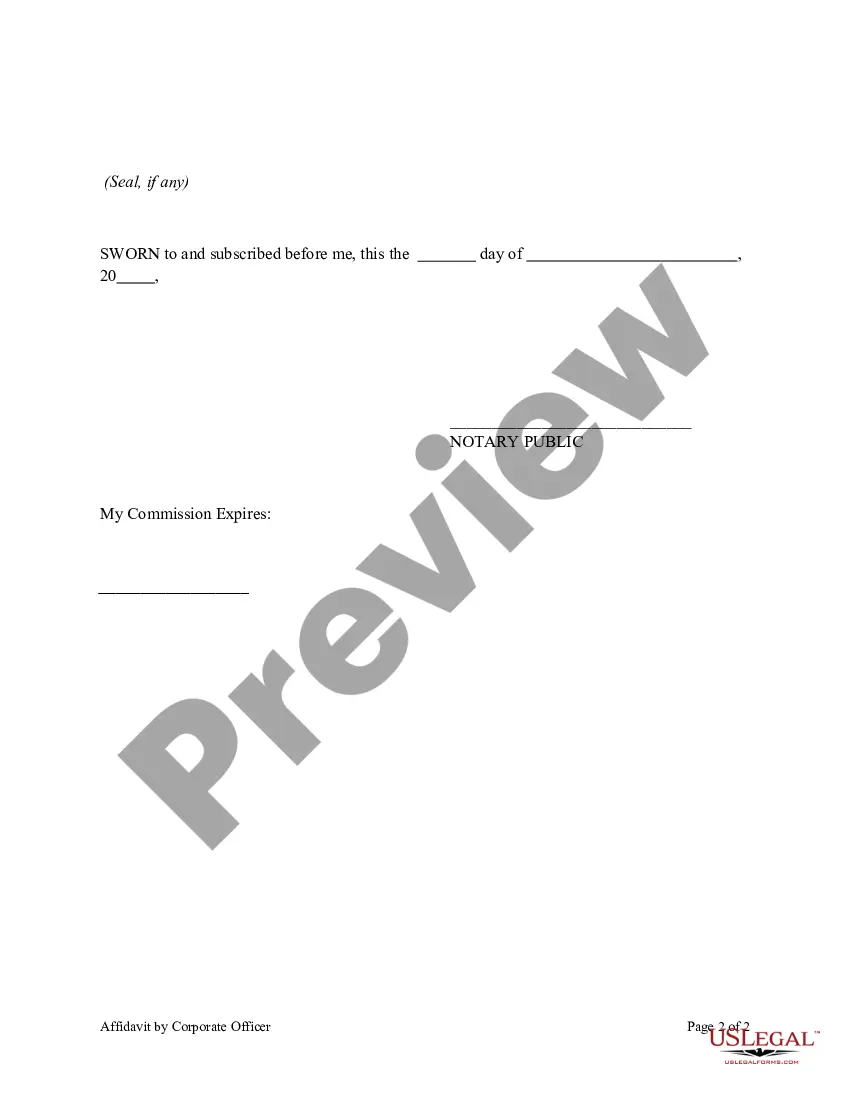
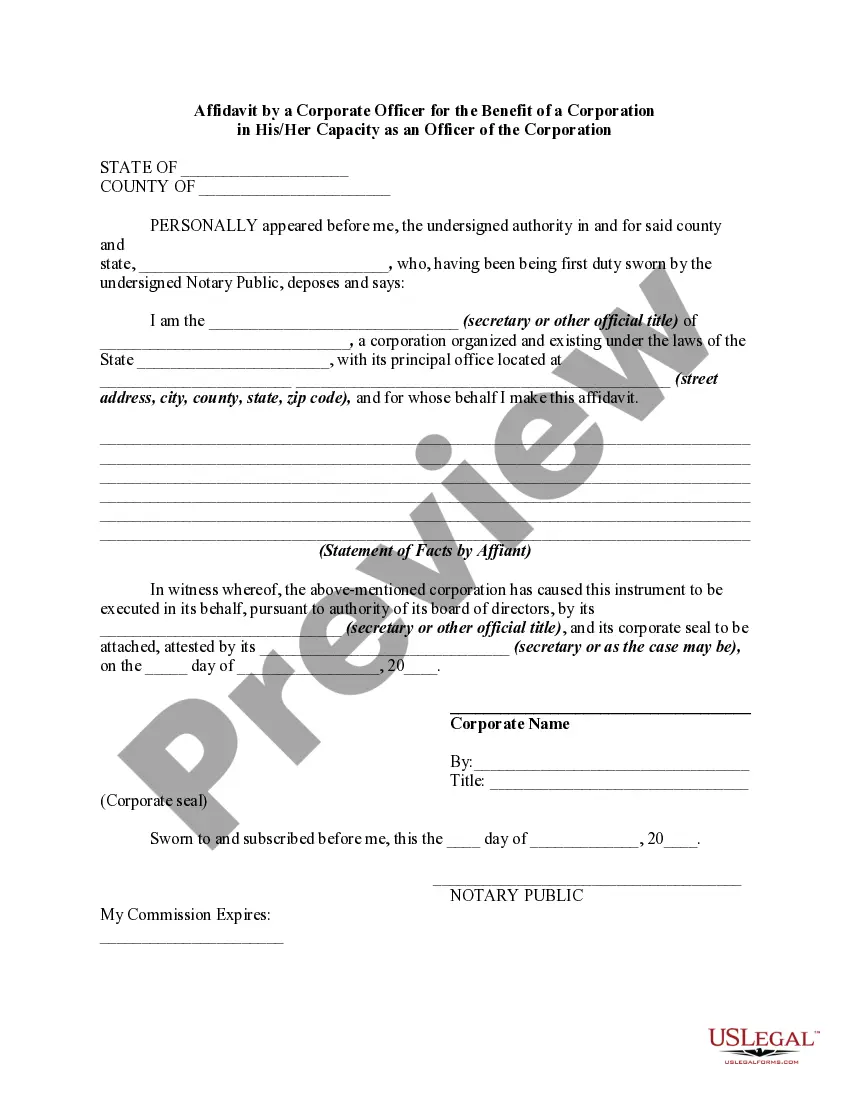
Get your form ready online
Our built-in tools help you complete, sign, share, and store your documents in one place.
Make edits, fill in missing information, and update formatting in US Legal Forms—just like you would in MS Word.
Download a copy, print it, send it by email, or mail it via USPS—whatever works best for your next step.
Sign and collect signatures with our SignNow integration. Send to multiple recipients, set reminders, and more. Go Premium to unlock E-Sign.
If this form requires notarization, complete it online through a secure video call—no need to meet a notary in person or wait for an appointment.
We protect your documents and personal data by following strict security and privacy standards.

Make edits, fill in missing information, and update formatting in US Legal Forms—just like you would in MS Word.

Download a copy, print it, send it by email, or mail it via USPS—whatever works best for your next step.

Sign and collect signatures with our SignNow integration. Send to multiple recipients, set reminders, and more. Go Premium to unlock E-Sign.

If this form requires notarization, complete it online through a secure video call—no need to meet a notary in person or wait for an appointment.

We protect your documents and personal data by following strict security and privacy standards.
Looking for another form?
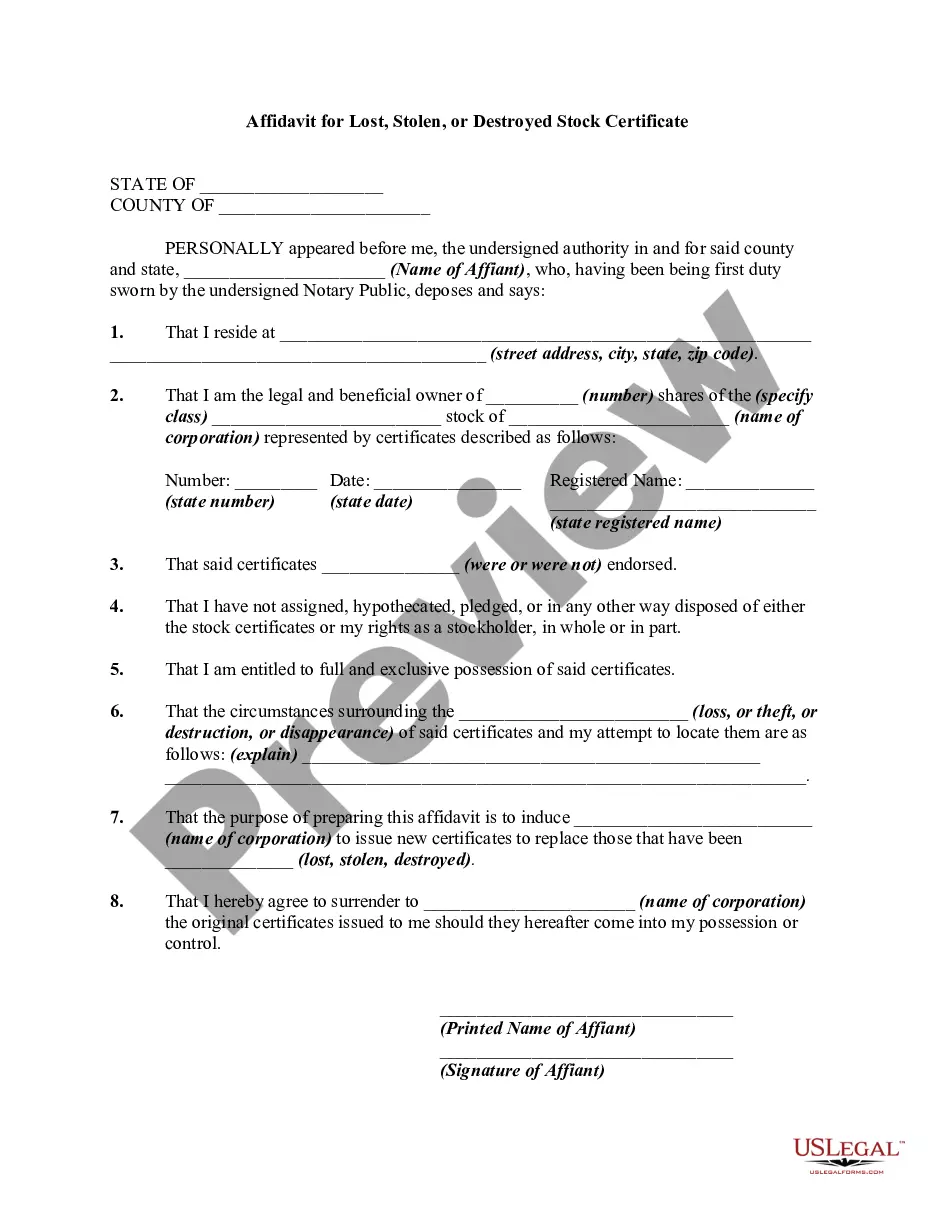

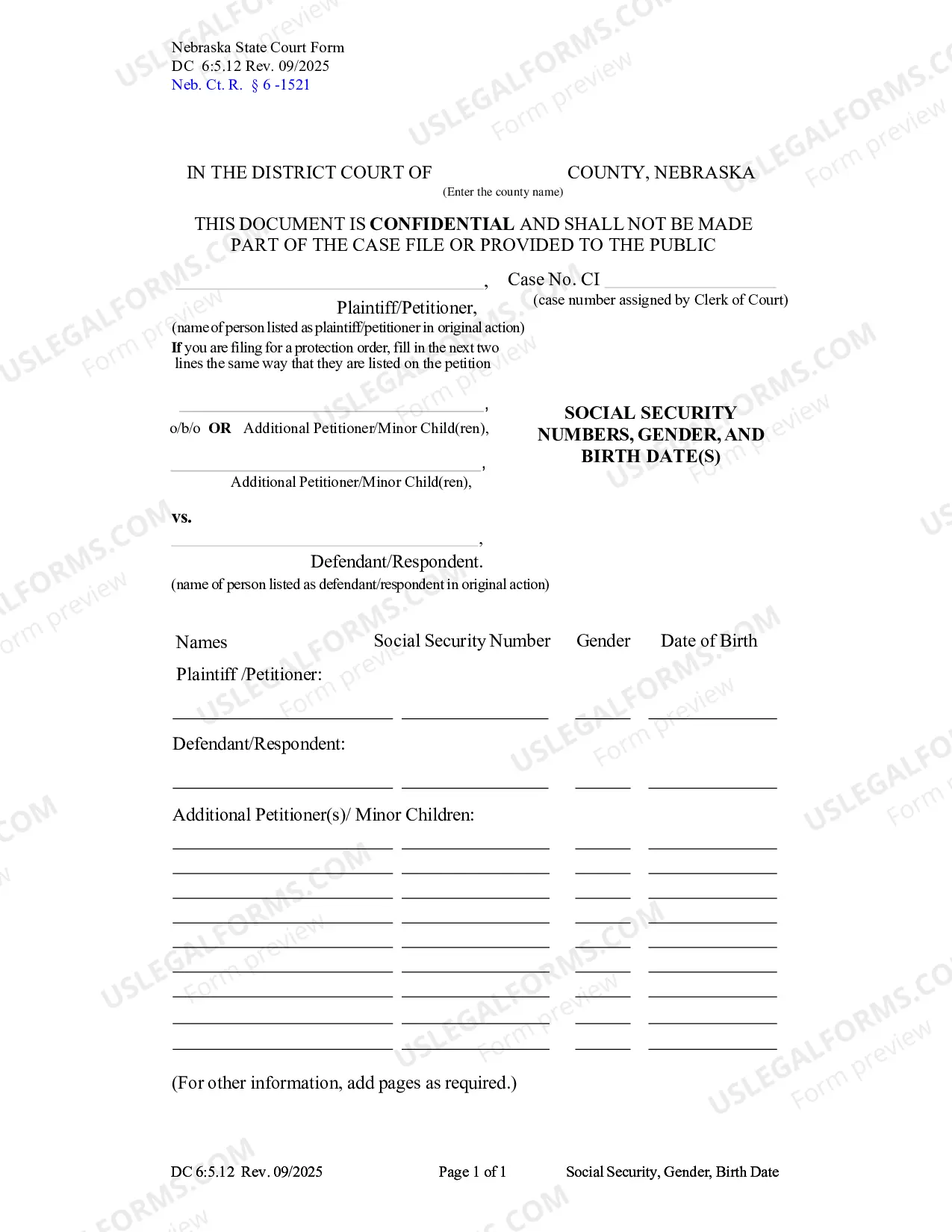


Form popularity
FAQ
The exam will be offered at LSU Baton Rouge and LSU Alexandria only. All other exam administrations in 2025 will use the 2025 edition of the notary study guide.
The Easy Answer: Yes, You May Notarize Out-Of-State Documents.
It is also possible to have a document notarized by a local foreign notary and then have the document authenticated for use in the United States. In countries that are party to the Hague Apostille Convention, this is a simplified process.
A notary must be a resident citizen (registered to vote in the parish of residence) or alien of the state, 18 years of age or older, and take and pass the statewide standardized exam administered by the Secretary of State. Anyone licensed to practice law in the state is exempt from the test.
The short answer is yes, notary publics are legally allowed to notarize documents from any state as long the notarial act is conducted within the geographical boundaries of the notary's state of commission.
One of the most common mistakes that notaries make is not printing or signing their name exactly as it appears on their notary commission.
A notary must be a resident citizen (registered to vote in the parish of residence) or alien of the state, 18 years of age or older, and take and pass the statewide standardized exam administered by the Secretary of State. Anyone licensed to practice law in the state is exempt from the test.
But um yours is gonna look different because I took the exam in 2021. Yours is probably going to beMoreBut um yours is gonna look different because I took the exam in 2021. Yours is probably going to be a different color. But in the thickness will probably still be the same. But.
