Notary Application Form California In Middlesex
Description

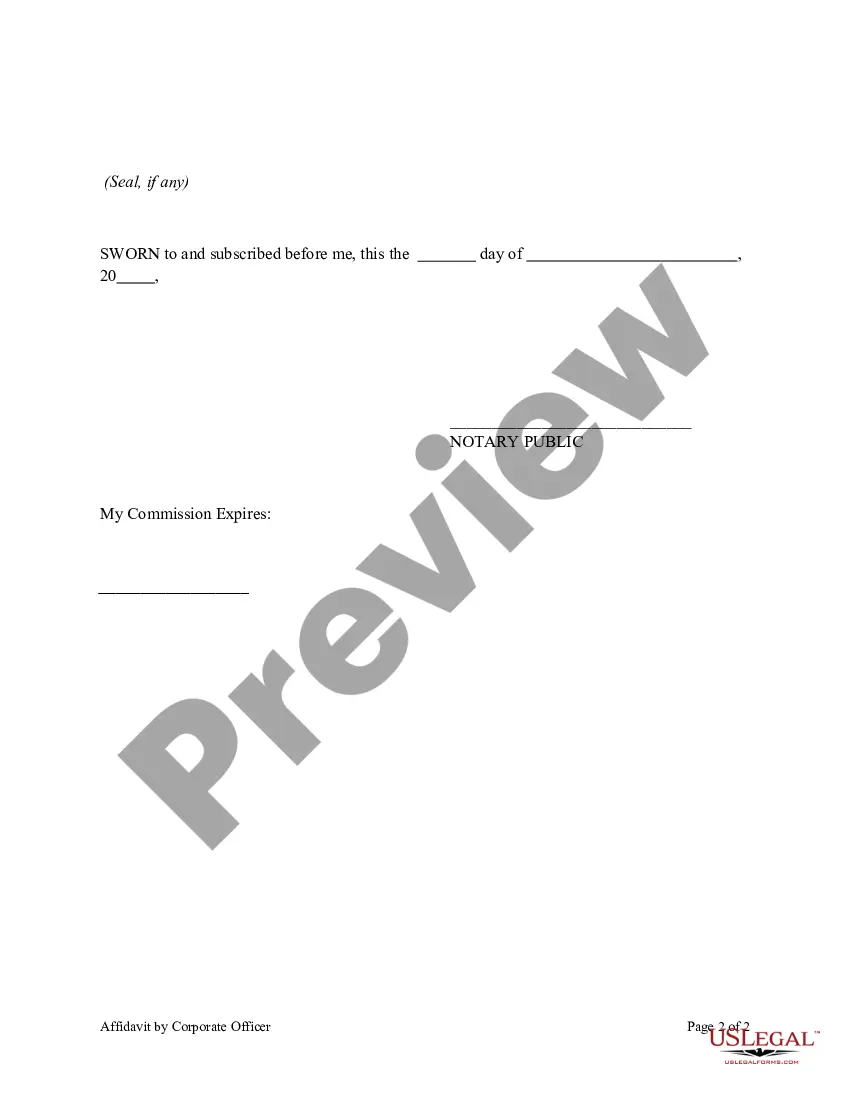
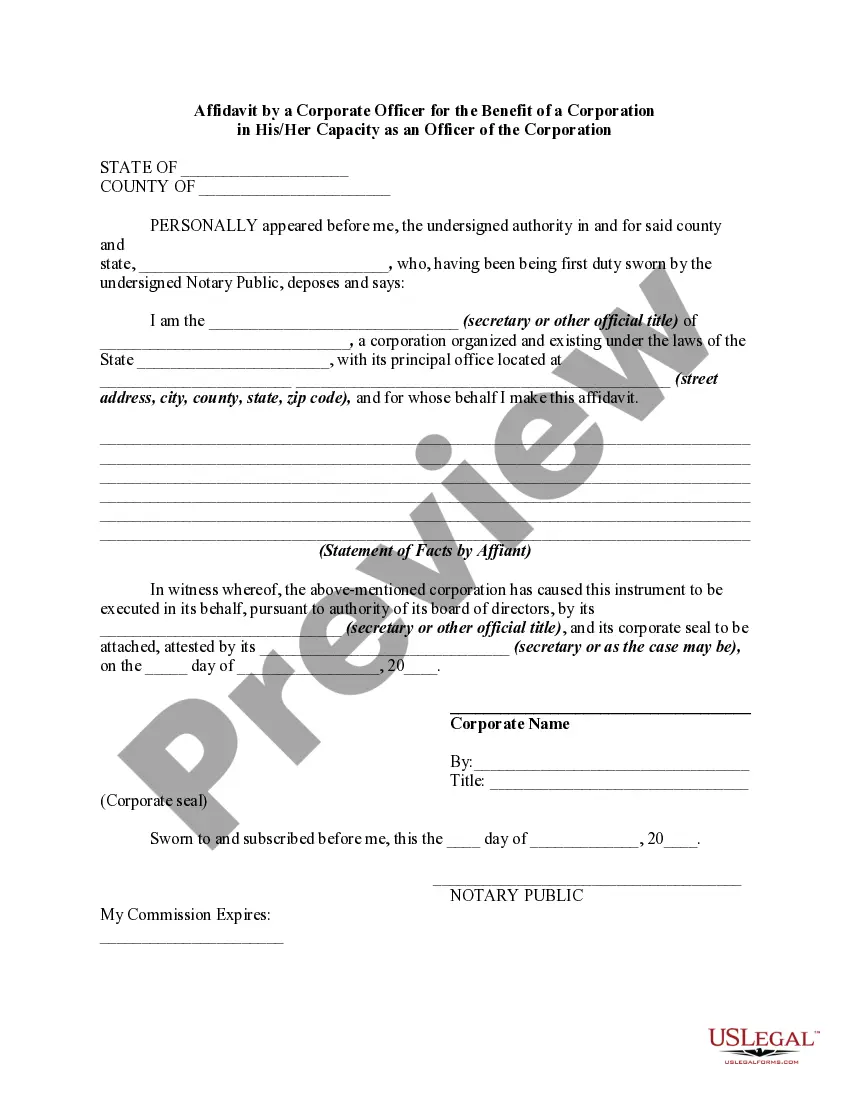
Get your form ready online
Our built-in tools help you complete, sign, share, and store your documents in one place.
Make edits, fill in missing information, and update formatting in US Legal Forms—just like you would in MS Word.
Download a copy, print it, send it by email, or mail it via USPS—whatever works best for your next step.
Sign and collect signatures with our SignNow integration. Send to multiple recipients, set reminders, and more. Go Premium to unlock E-Sign.
If this form requires notarization, complete it online through a secure video call—no need to meet a notary in person or wait for an appointment.
We protect your documents and personal data by following strict security and privacy standards.

Make edits, fill in missing information, and update formatting in US Legal Forms—just like you would in MS Word.

Download a copy, print it, send it by email, or mail it via USPS—whatever works best for your next step.

Sign and collect signatures with our SignNow integration. Send to multiple recipients, set reminders, and more. Go Premium to unlock E-Sign.

If this form requires notarization, complete it online through a secure video call—no need to meet a notary in person or wait for an appointment.

We protect your documents and personal data by following strict security and privacy standards.
Looking for another form?









Form popularity
FAQ
Standard notary fees in California are capped at $15 per signature for common documents like acknowledgments and jurats. These fees are regulated by the state to maintain consistency in notarial charges. However, additional services may incur extra fees, especially in cases requiring more complex notarization.
In order to complete an online notarization in California, you'll need the following: An original, unsigned document (Don't sign it before uploading! ... A computer, iPhone, or Android phone with audio and video capabilities. A valid government–issued photo ID. A U.S. social security number for secure identity verification.
The short answer is yes, notary publics are legally allowed to notarize documents from any state as long the notarial act is conducted within the geographical boundaries of the notary's state of commission.
How to Fill Out the California Notary Public Application Your entire social security number or your unique taxpayer identification number. Your birthdate. Your driver's license number. Your full name. Your notary public commission name. The name of your business. The county where your business is located.
California. California has some of the most stringent application requirements for Notaries in the U.S. — including a required education course and background check — and the mandatory exam is among the most challenging in any state.
What do I do if the location of my business operations has changed from one county to another? Your commission allows you to notarize throughout the State of California, regardless of where your oath and bond are on file.
The California Notary Exam 2023 is a closed-book exam that consists of 45 multiple-choice questions. (The examination time, format, and requirements can be different in other states.) It has a time limit of 60 minutes, and a passing score is 70% or higher .
If you failed the notary public exam, and you can take the exam again prior to the expiration date of your current notary public commission, the Proof of Completion certificate from the approved three-hour education course would still be valid.
