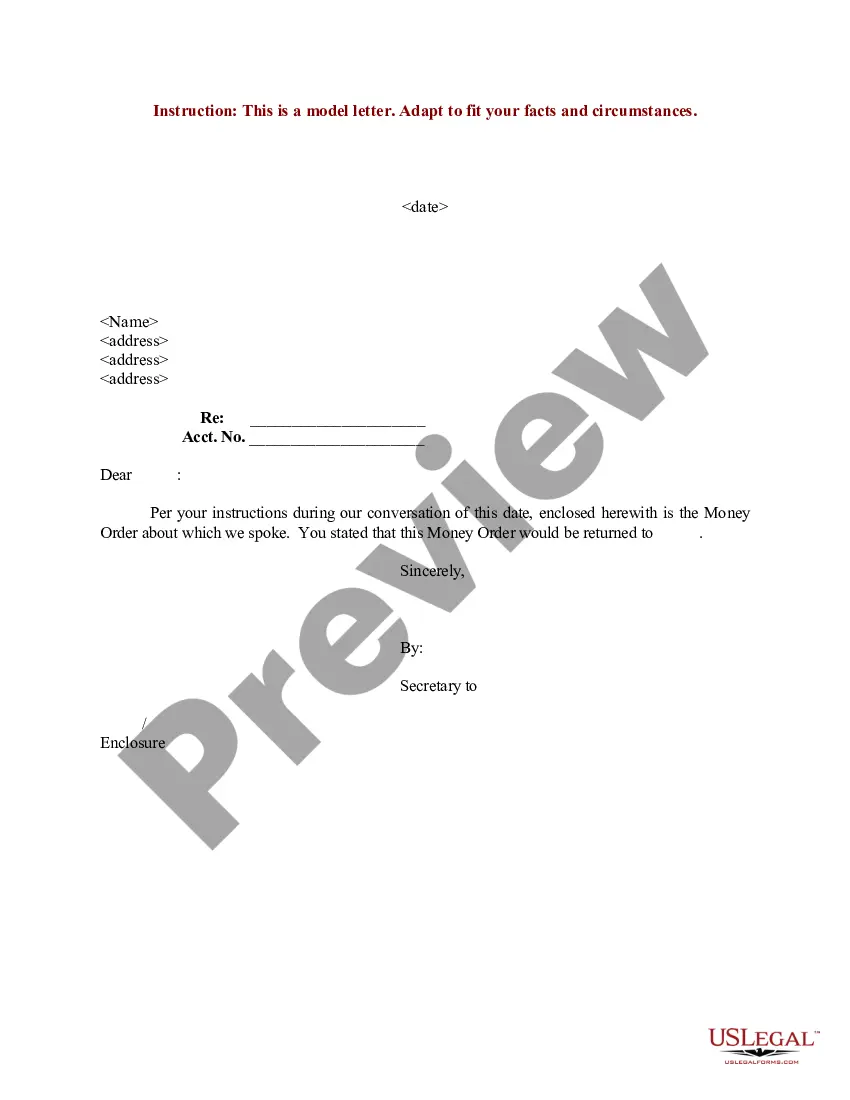
Notary Affidavit Of Loss In Illinois
Description
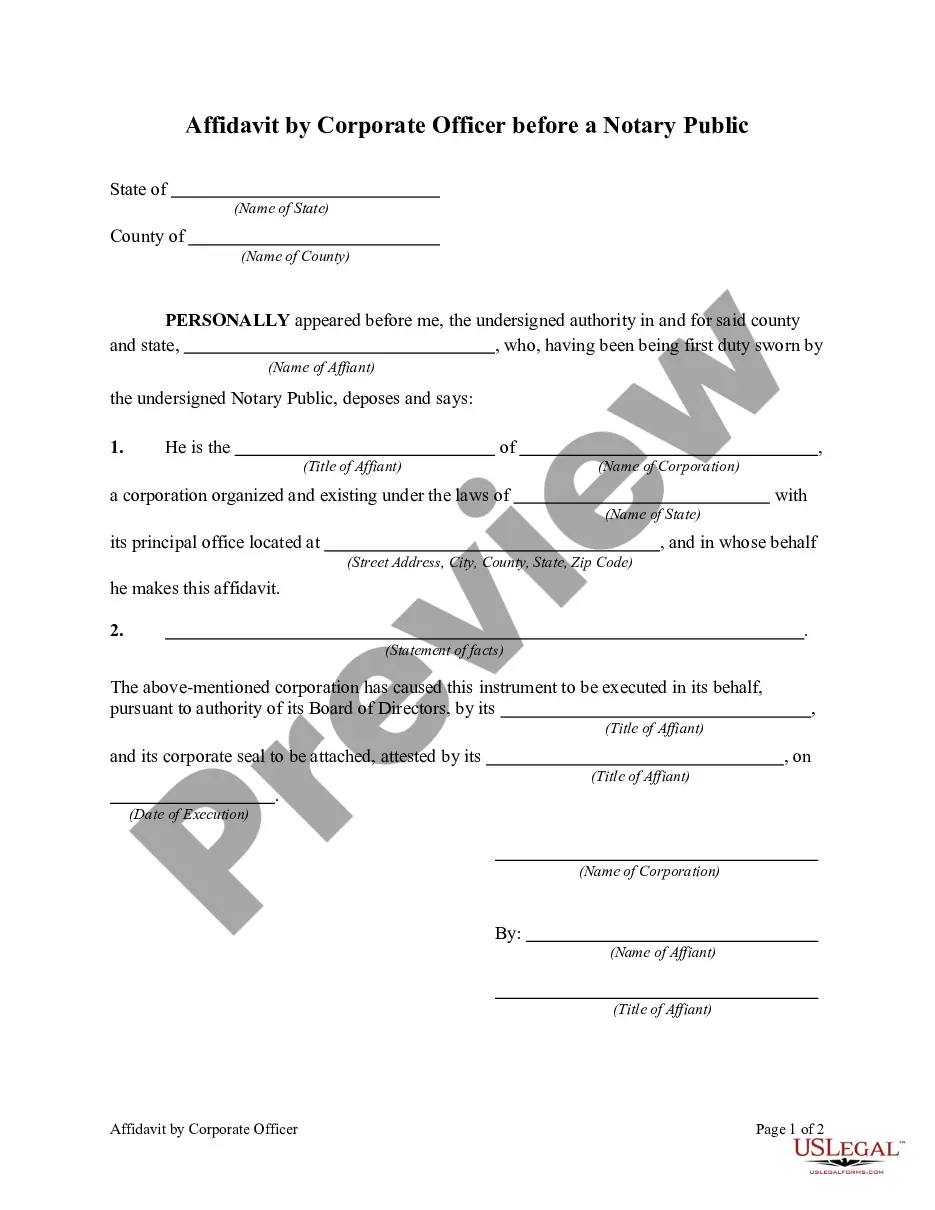
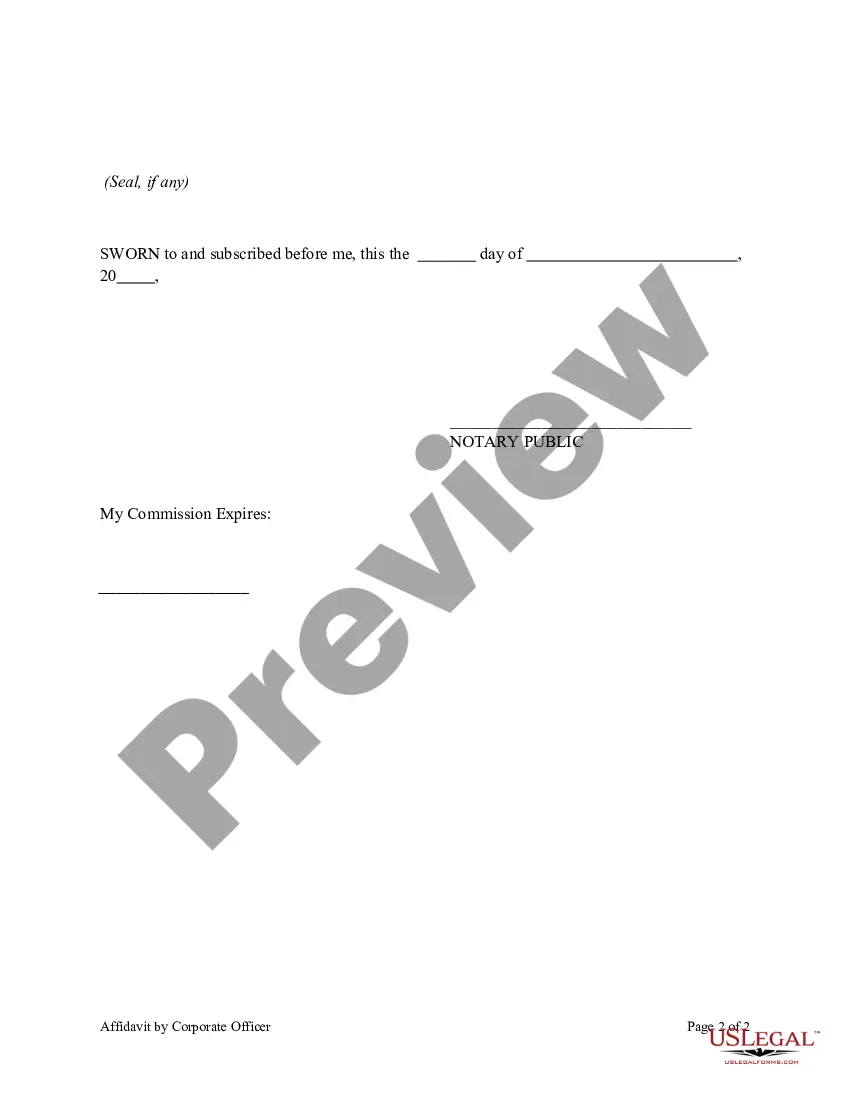
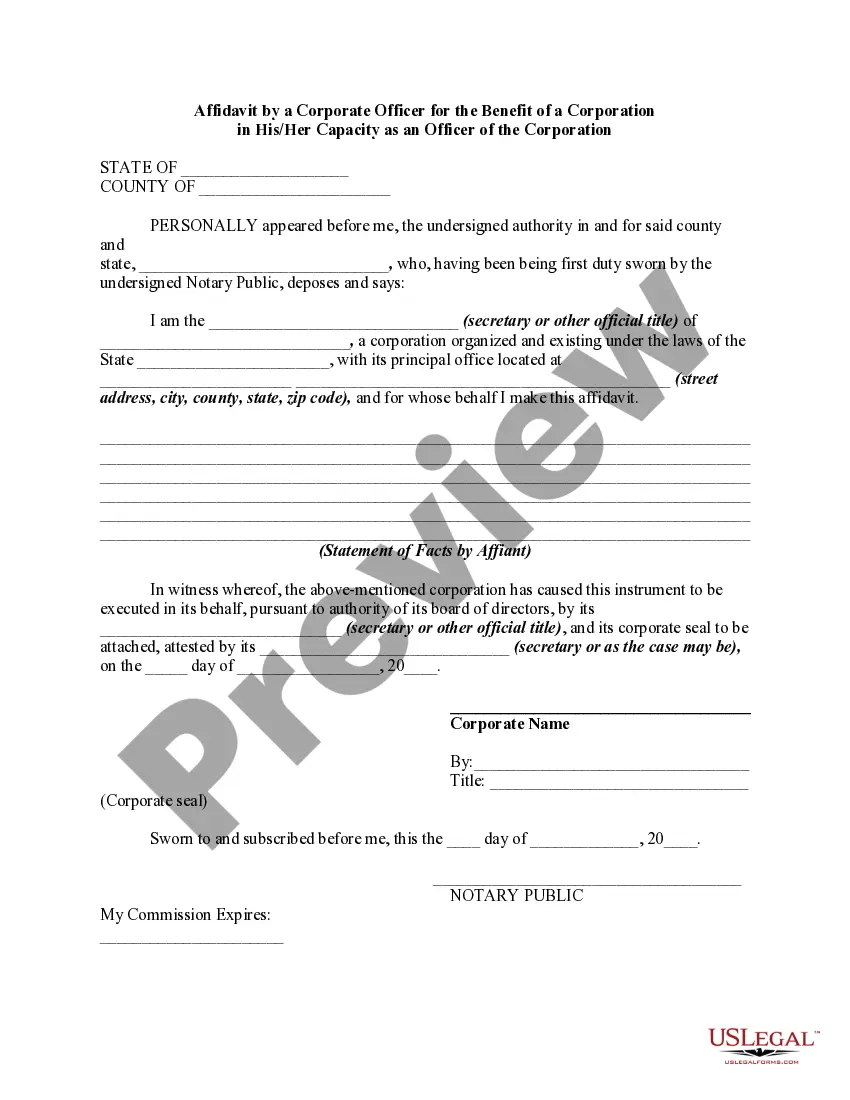
Get your form ready online
Our built-in tools help you complete, sign, share, and store your documents in one place.
Make edits, fill in missing information, and update formatting in US Legal Forms—just like you would in MS Word.
Download a copy, print it, send it by email, or mail it via USPS—whatever works best for your next step.
Sign and collect signatures with our SignNow integration. Send to multiple recipients, set reminders, and more. Go Premium to unlock E-Sign.
If this form requires notarization, complete it online through a secure video call—no need to meet a notary in person or wait for an appointment.
We protect your documents and personal data by following strict security and privacy standards.

Make edits, fill in missing information, and update formatting in US Legal Forms—just like you would in MS Word.

Download a copy, print it, send it by email, or mail it via USPS—whatever works best for your next step.

Sign and collect signatures with our SignNow integration. Send to multiple recipients, set reminders, and more. Go Premium to unlock E-Sign.

If this form requires notarization, complete it online through a secure video call—no need to meet a notary in person or wait for an appointment.

We protect your documents and personal data by following strict security and privacy standards.
Looking for another form?
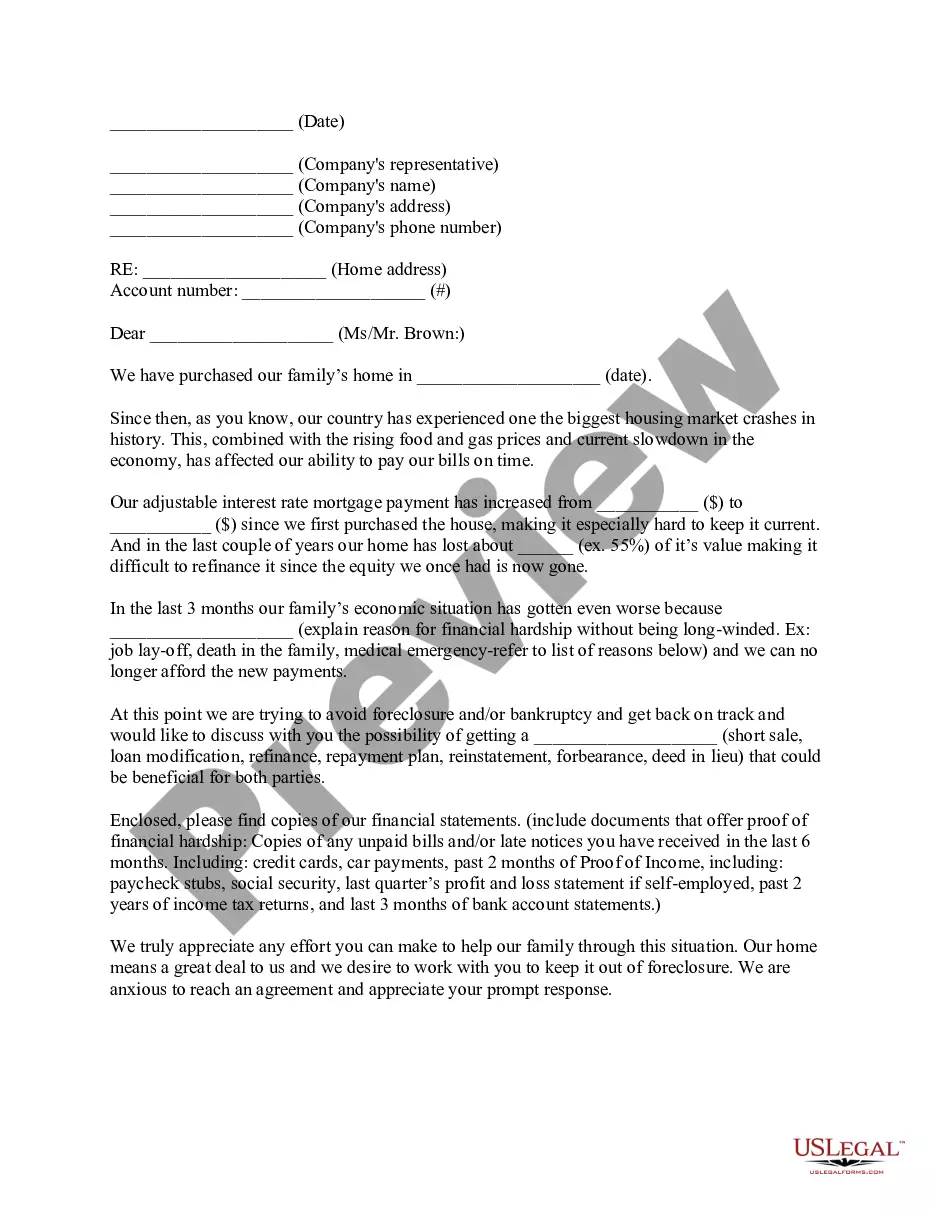


Form popularity
FAQ
Step-by-Step Guide to Drafting an Affidavit of Loss Gather all information about yourself (affiant), including complete address and personal details (as they appear on your valid IDs). Detail all relevant facts regarding the lost document—its name, number, issuing authority, and date of issuance, if known.
Creating an affidavit of loss involves specific components. It must include the declarant's personal information, a detailed description of the item lost, the circumstances surrounding the loss, and a statement affirming that the item is indeed lost.
How to write a general affidavit? Title your affidavit. Don't forget to list any relevant contact or identification information that you may need to include in the heading. Write your statement. Verify that your information is true. Finalize and notarize.
Write only about what you know or what you have seen. Do not include information that you have heard about or that you assume to be true. The language of the affidavit states that you are providing the information on your “personal knowledge” and this should be the standard that you use. Tell the truth.
Key Elements of an Affidavit of Loss Personal Information of the Affiant: The affidavit should contain the full name, age, civil status, citizenship, and address of the person making the statement. Description of the Lost Item or Document: The affiant must describe in detail the nature of the item that was lost.
Thus, unless otherwise provided for by a specific supreme court rule or statutory authorization, an affidavit must be notarized to be valid. See Roth, 202 Ill.
Effective Jan. 1, 2024: New and renewing notaries are required to take a minimum of three hours of training and take a 50-question final exam with a passing score of 85%. There will be an approved list of course providers on the Illinois Secretary of State website.
The heirship of a deceased person is determined through a document called an “Affidavit of Heirship”. This is a form that gives a detailed explanation of the heirs at law of the deceased person at the time of his/her death.
Requirements for Filing First, the total value of the decedent's personal estate must not exceed $100,000, excluding real estate. Heirs or executors must ensure the decedent owned no real estate at the time of death. The affidavit must be completed and notarized by an heir or executor.