Notary Public Application Form Gujarat In Fairfax
Description

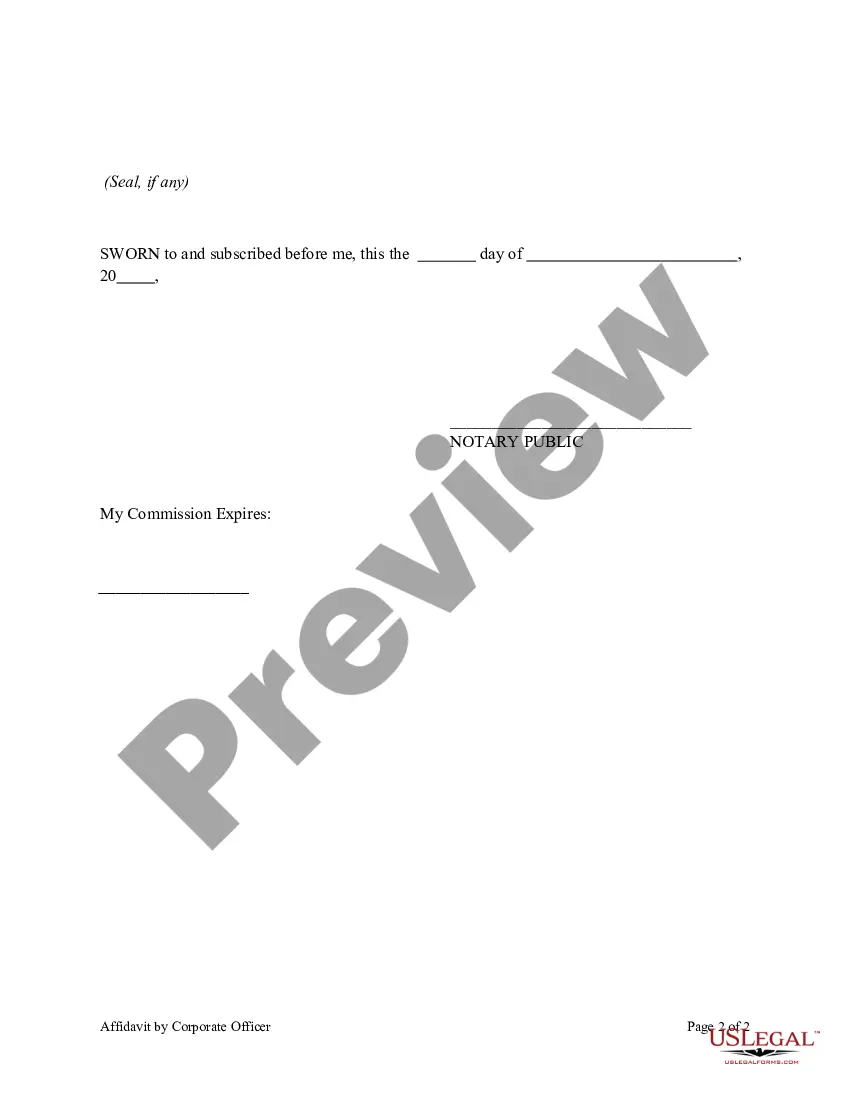
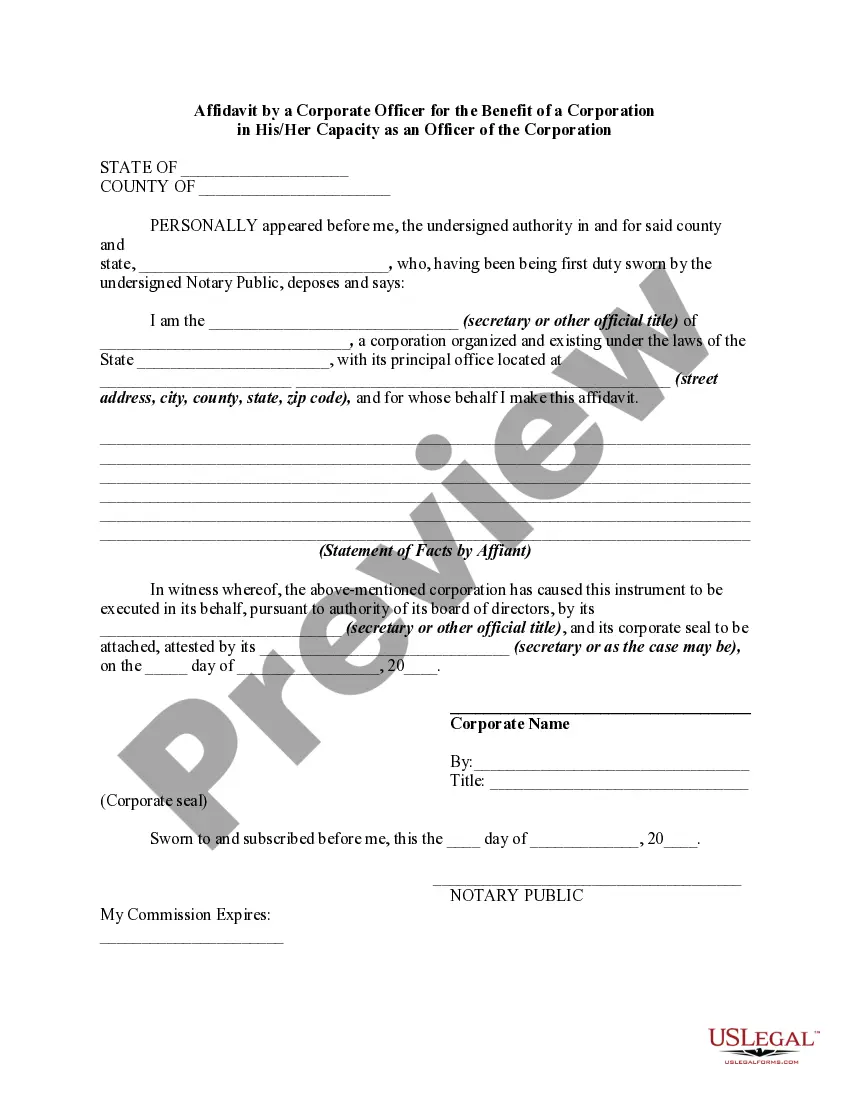
Get your form ready online
Our built-in tools help you complete, sign, share, and store your documents in one place.
Make edits, fill in missing information, and update formatting in US Legal Forms—just like you would in MS Word.
Download a copy, print it, send it by email, or mail it via USPS—whatever works best for your next step.
Sign and collect signatures with our SignNow integration. Send to multiple recipients, set reminders, and more. Go Premium to unlock E-Sign.
If this form requires notarization, complete it online through a secure video call—no need to meet a notary in person or wait for an appointment.
We protect your documents and personal data by following strict security and privacy standards.

Make edits, fill in missing information, and update formatting in US Legal Forms—just like you would in MS Word.

Download a copy, print it, send it by email, or mail it via USPS—whatever works best for your next step.

Sign and collect signatures with our SignNow integration. Send to multiple recipients, set reminders, and more. Go Premium to unlock E-Sign.

If this form requires notarization, complete it online through a secure video call—no need to meet a notary in person or wait for an appointment.

We protect your documents and personal data by following strict security and privacy standards.
Looking for another form?







Form popularity
FAQ
Yes, online notarization is legal and secure to use in Bangalore. All transactions through the Notarize platform undergo a dynamic, multi-factor authentication process.
Below, we have listed the steps for how to become a notary in India. Gain Required Skills. Courses to Pursue/ Formal Training. Pursue Certification Course. Pursue an Internship. Register with State Bar Council of India. Certificate of Practice (CoP) Gain Experience as Advocate. Get Notary Licence.
Yes, online notarization is legal and secure to use in India. All transactions through the Notarize platform undergo a dynamic, multi-factor authentication process.
The validity period of the certificate of notary is five years. The Government of India is empowered to appoint Notaries for the whole or any part of India whereas a State Government is empowered to appoint Notaries for the whole or any part of that State.
I) An Attested copy of the Matriculation Certificate( for date of birth); (ii) An Attested copy of the Original Graduation Degree Certificate; (iii) An Attested copy of the Original LLB Degree Certificate; (iv) An Attested copy of the Enrolment Certificate issued from the concerned Bar Council; (v) Name in the ...
However, a common requirement is to retain them for at least ten years after the last entry. This period ensures that records are available for reference in case of future legal inquiries or disputes. For instance, in states like California, notaries must keep their journals for ten years.
Under Indian Law, a document needs to be notarized to be valid. Thus, a person has to be physically present in presence of a notary authorized by the central or state government.
In India, a notarization is done by a notary public who acts as an impartial witness in discharging fraud deterrent activities related to legal documents. Notaries Act, 1952 governs the duties of a notary public.
For the notarization of a Will, you will require to take 2 witnesses along with you who will sign in your presence declaring that you have made this Will having a sound mind, voluntarily and you're a major i. e. above 18 years of age.
