Affidavit Legal Definition Without Prejudice In Cuyahoga
Description
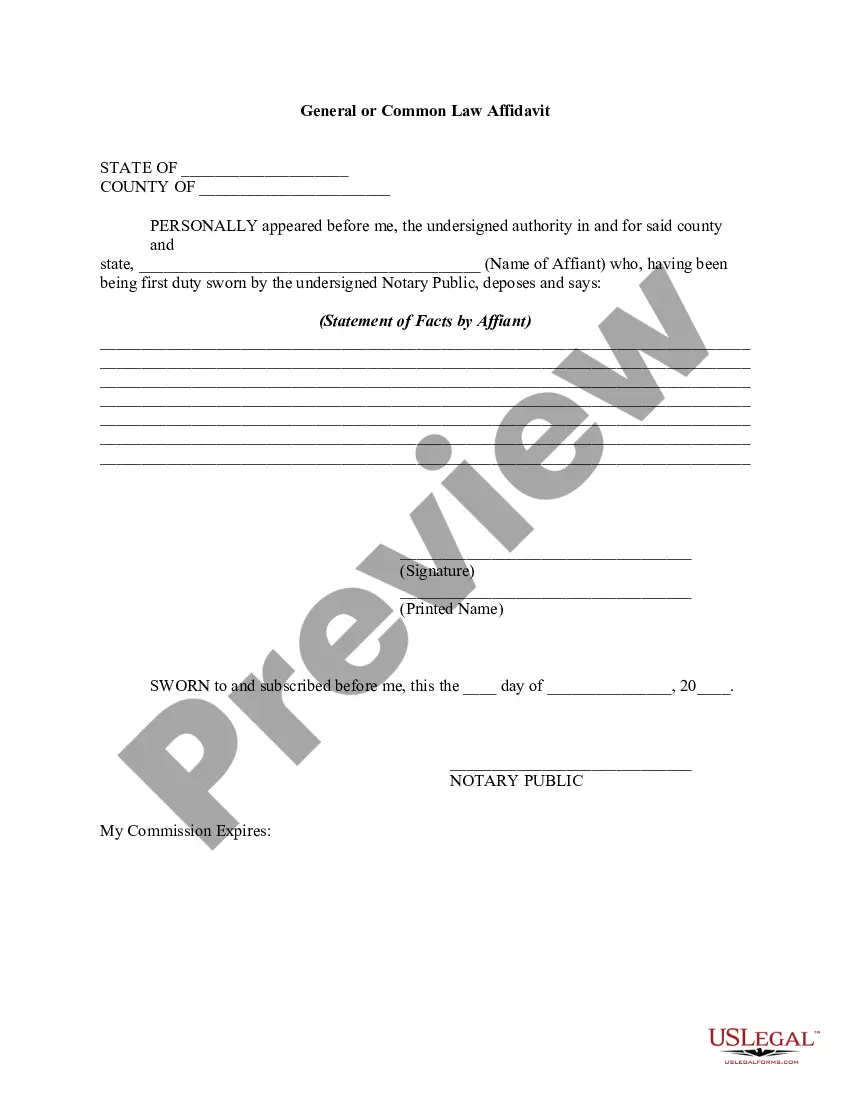
Get your form ready online
Our built-in tools help you complete, sign, share, and store your documents in one place.
Make edits, fill in missing information, and update formatting in US Legal Forms—just like you would in MS Word.
Download a copy, print it, send it by email, or mail it via USPS—whatever works best for your next step.
Sign and collect signatures with our SignNow integration. Send to multiple recipients, set reminders, and more. Go Premium to unlock E-Sign.
If this form requires notarization, complete it online through a secure video call—no need to meet a notary in person or wait for an appointment.
We protect your documents and personal data by following strict security and privacy standards.

Make edits, fill in missing information, and update formatting in US Legal Forms—just like you would in MS Word.

Download a copy, print it, send it by email, or mail it via USPS—whatever works best for your next step.

Sign and collect signatures with our SignNow integration. Send to multiple recipients, set reminders, and more. Go Premium to unlock E-Sign.

If this form requires notarization, complete it online through a secure video call—no need to meet a notary in person or wait for an appointment.

We protect your documents and personal data by following strict security and privacy standards.
Looking for another form?




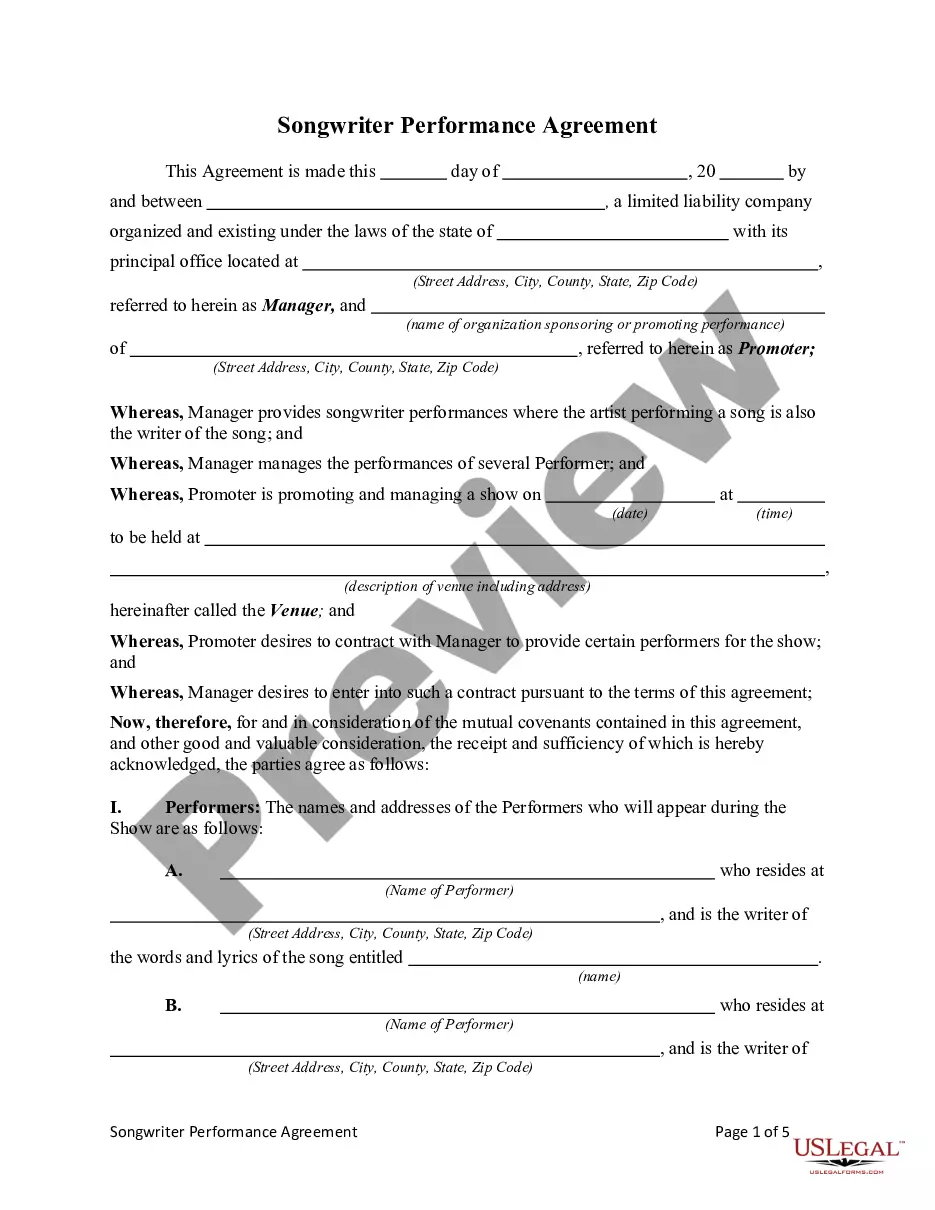
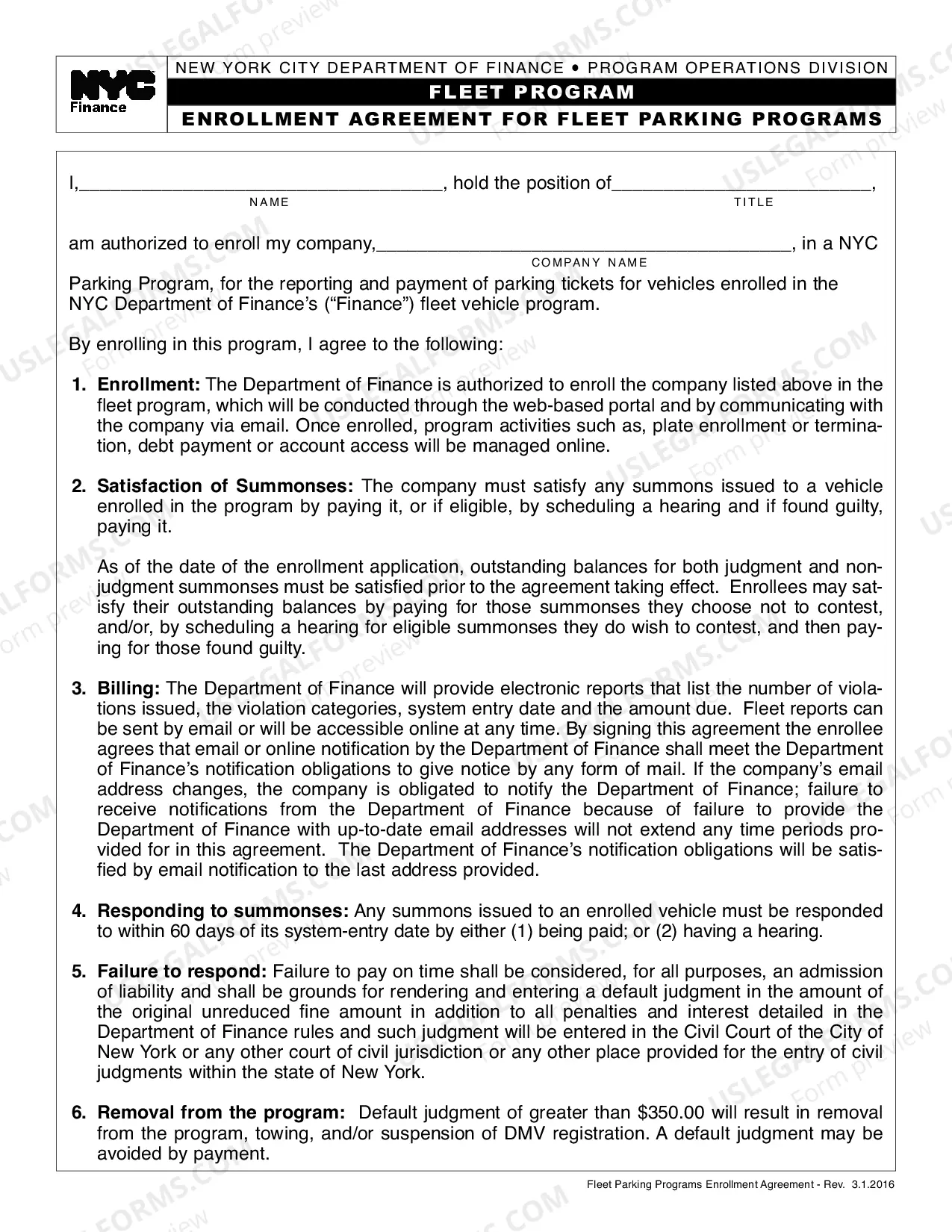

Form popularity
FAQ
Rule 26 - General Provisions Governing Discovery (A)Policy; discovery methods It is the policy of these rules (1) to preserve the right of attorneys to prepare cases for trial with that degree of privacy necessary to encourage them to prepare their cases thoroughly and to investigate not only the favorable but the ...
Rule 56 - Continuances (A) Motions for continuance shall be submitted in writing with the proper caption and case number. (B) Except on motion of the court, no continuance shall be granted in the absence of proof of reasonable notice to, or consent by, the adverse party or the party's counsel.
Rule 37-Failure to Make or Cooperate in Discovery: Sanctions. (a) Motion for Order Compelling Disclosure or Discovery. A party, upon reasonable notice to other parties and all persons affected thereby, may apply for an order compelling disclosure or discovery as follows: (1) Appropriate Court.
Rule 32 - Use of Depositions in Court Proceedings (A) Use of depositions. Every deposition intended to be presented as evidence must be filed at least one day before the day of trial or hearing unless for good cause shown the court permits a later filing.
R. 11 governs the signing of pleadings, motions and other documents. For a “willful” violation of this rule, an attorney or pro se party, upon motion of a party or upon the court's own motion, may be subjected to appropriate action, including an award to the opposing party of expenses and reasonable attorney fees.
37. On notice to other parties and all affected persons, a party may move for an order compelling discovery. The motion shall include a certification that the movant has in good faith conferred or attempted to confer with the person or party failing to make discovery in an effort to obtain it without court action.
Rule 37 Sanctions is the Appropriate Remedy for Interference with or Concealment of Evidence, not Spoliation Claim. The Ohio Supreme Court recently ruled that Civil Procedure Rule 37 provides the remedy against attorneys that interfere with or conceal evidence in discovery, rather than a spoliation claim.
Relief from a Judgment or Order. (a) Corrections Based on Clerical Mistakes; Oversights and Omissions. The court may correct a clerical mistake or a mistake arising from oversight or omission whenever one is found in a judgment, order, or other part of the record.

