Office For Attorneys In Utah
Description

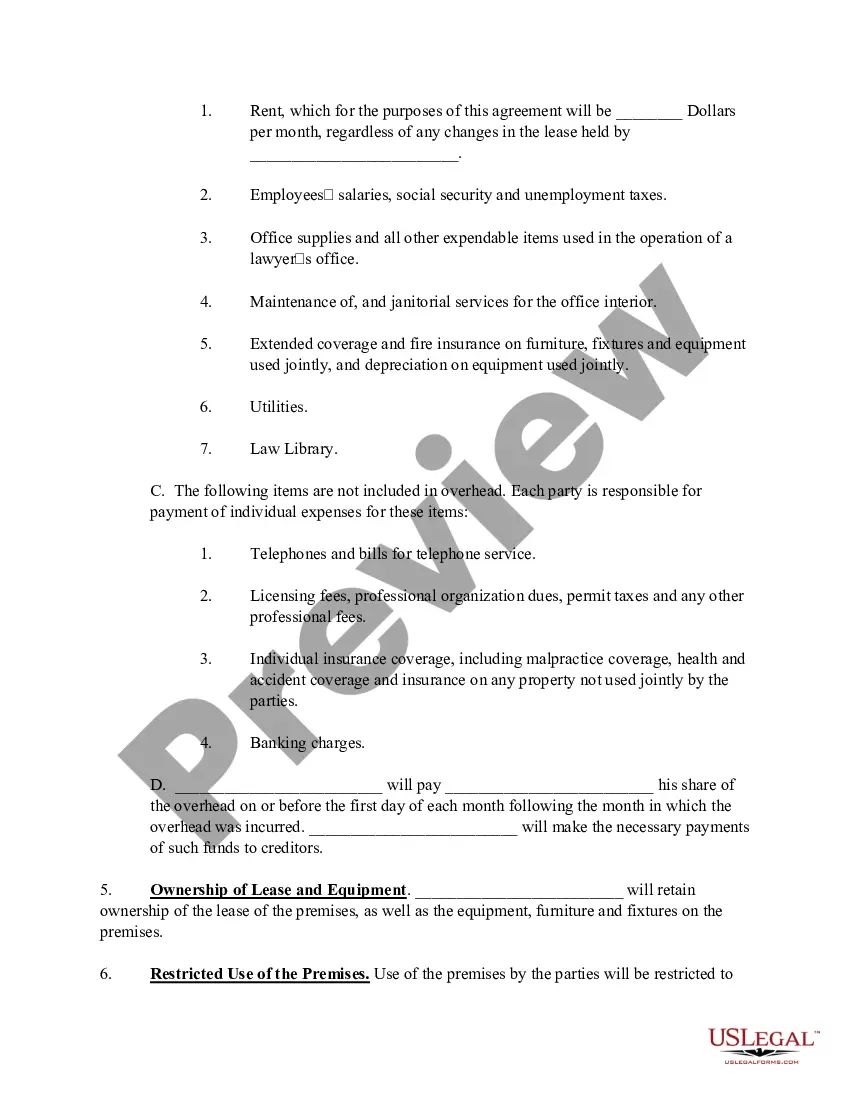
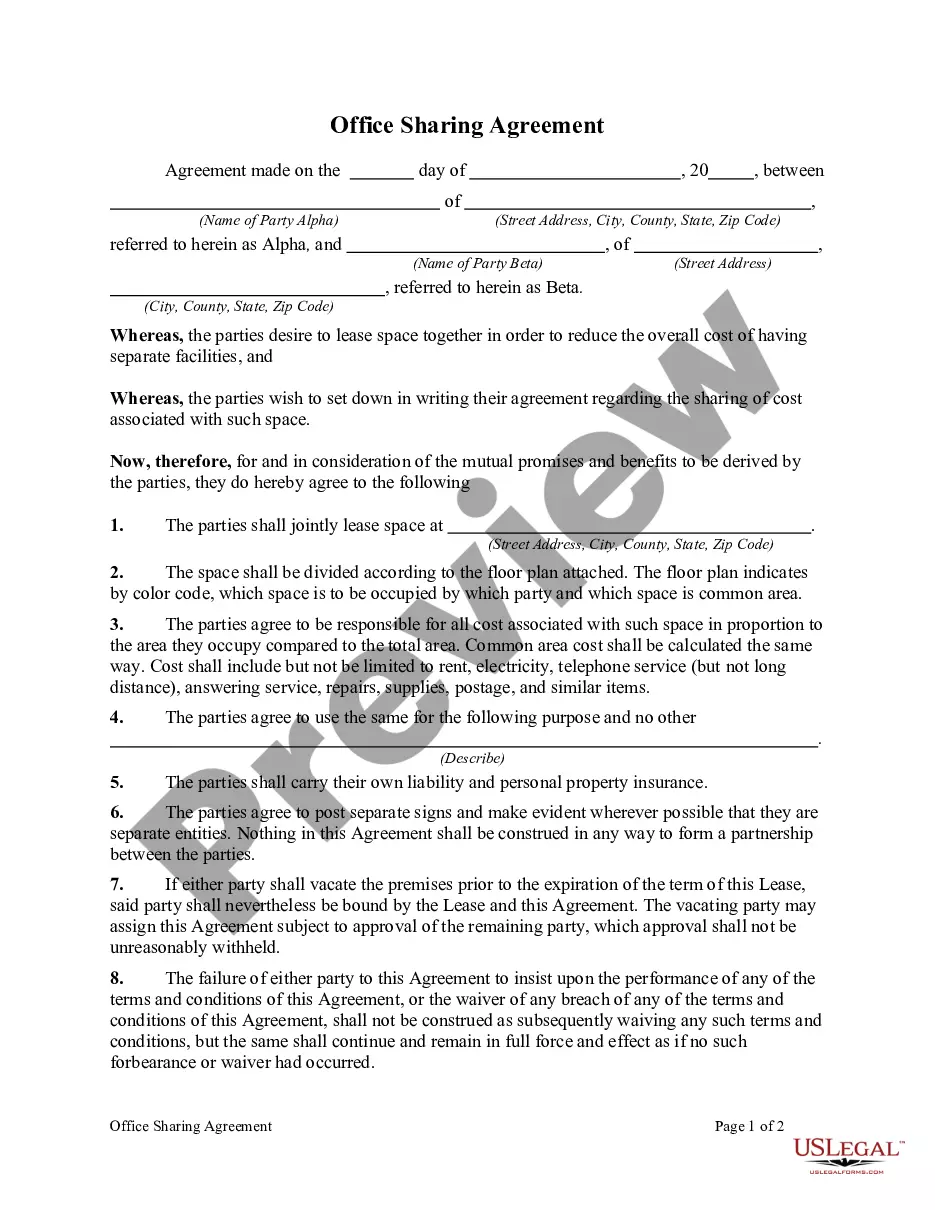
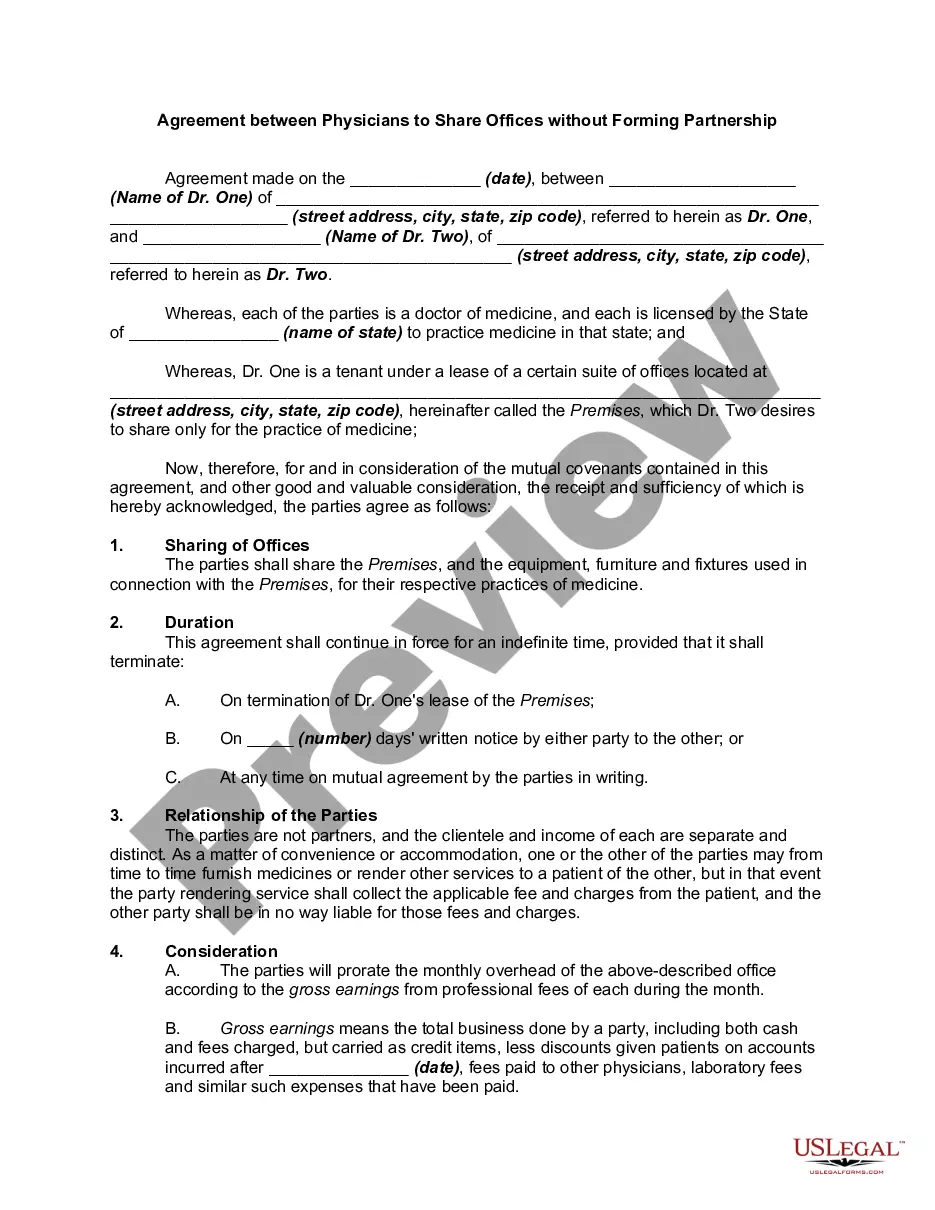
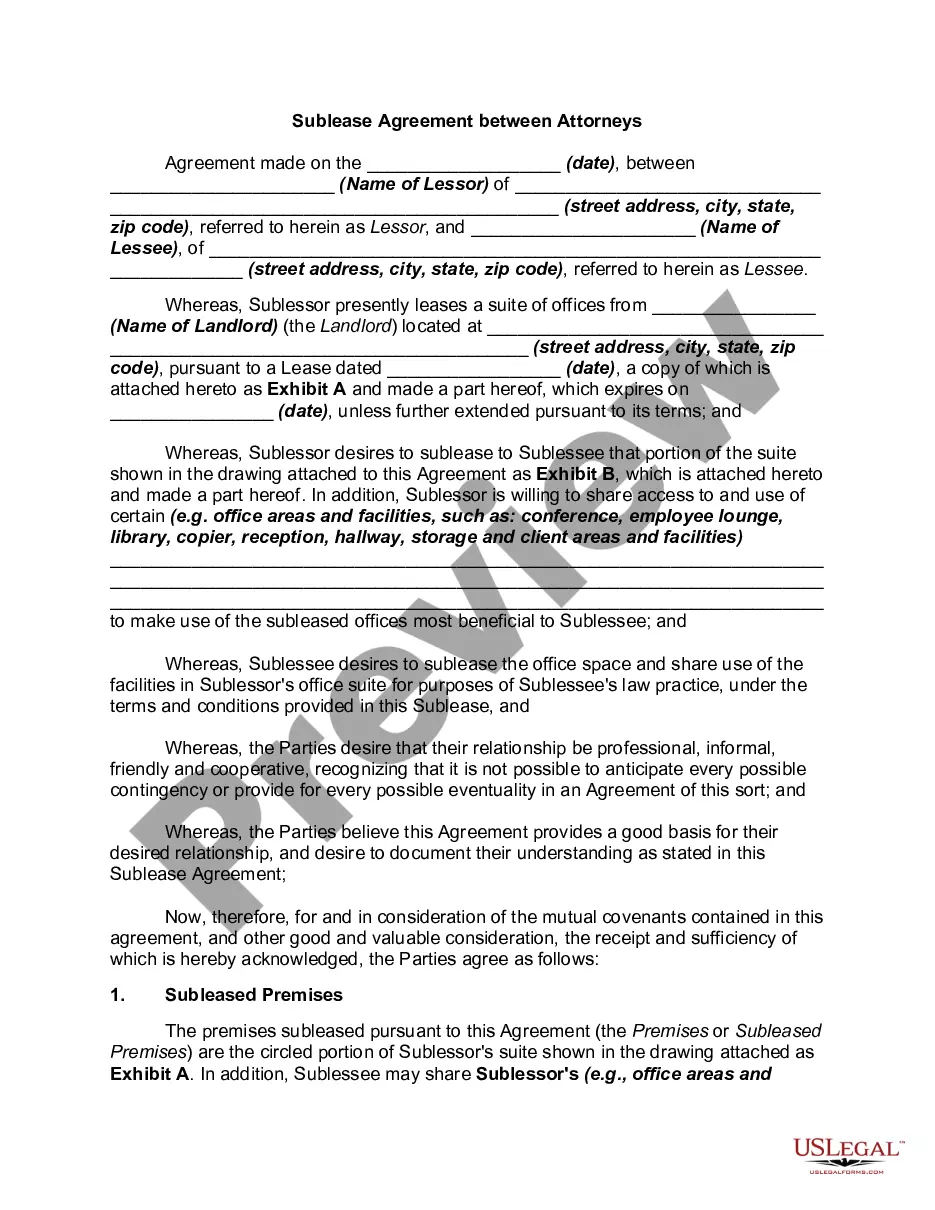
Get your form ready online
Our built-in tools help you complete, sign, share, and store your documents in one place.
Make edits, fill in missing information, and update formatting in US Legal Forms—just like you would in MS Word.
Download a copy, print it, send it by email, or mail it via USPS—whatever works best for your next step.
Sign and collect signatures with our SignNow integration. Send to multiple recipients, set reminders, and more. Go Premium to unlock E-Sign.
If this form requires notarization, complete it online through a secure video call—no need to meet a notary in person or wait for an appointment.
We protect your documents and personal data by following strict security and privacy standards.

Make edits, fill in missing information, and update formatting in US Legal Forms—just like you would in MS Word.

Download a copy, print it, send it by email, or mail it via USPS—whatever works best for your next step.

Sign and collect signatures with our SignNow integration. Send to multiple recipients, set reminders, and more. Go Premium to unlock E-Sign.

If this form requires notarization, complete it online through a secure video call—no need to meet a notary in person or wait for an appointment.

We protect your documents and personal data by following strict security and privacy standards.
Looking for another form?








Form popularity
FAQ
The regulation of lawyers in the United States falls under the judicial branch of government of each state. The authority of each jurisdiction to regulate a lawyer's license to practice law is not preempted by the U. S. Constitution. See, generally, 7 Am.
In 1931 the Utah Legislature recognized the need to foster those goals and designated the Utah State Bar by statute to manage and regulate the legal profession by licensing all persons who engage in the practice of law.
A licensed paralegal practitioner shall provide competent representation to a client. Competent representation requires the legal knowledge, skill, thoroughness and preparation reasonably necessary to a) perform the contracted services; and b) determine when the matter should be referred to an attorney.
The power of attorney document must be signed by the principal before a notary public. If the principal is not able to physically sign the document, then another person acting at the principal's direction in the principal's conscious presence may sign the document before a notary public.
If you meet the guidelines, the court will appoint a public defender for you. If you have not been appointed a public defender and would like to see if you qualify, you may file an Affidavit and Application for a Court-Appointed Lawyer at your court hearing, which can be provided to you at that time.
In 1931 the Utah Legislature recognized the need to foster those goals and designated the Utah State Bar by statute to manage and regulate the legal profession by licensing all persons who engage in the practice of law.
Rule 804(b)(1) as submitted by the Court allowed prior testimony of an unavailable witness to be admissible if the party against whom it is offered or a person “with motive and interest similar” to his had an opportunity to examine the witness.
Rule 14-802 of the Rules Governing the Utah State Bar creates an exception to the authorization to practice law for an LPP. The exception permits an LPP to assist a client only in the practice areas for which the LPP is licensed.
Residence: Rule 14-806 of the Utah Supreme Court's Rules of Professional Practice in the Utah Code of Judicial Administration does not permit pro hac vice appearances by attorneys licensed elsewhere, but who reside in the State of Utah.
Executing a power of attorney under Utah law The power of attorney document must be signed by the principal before a notary public.
