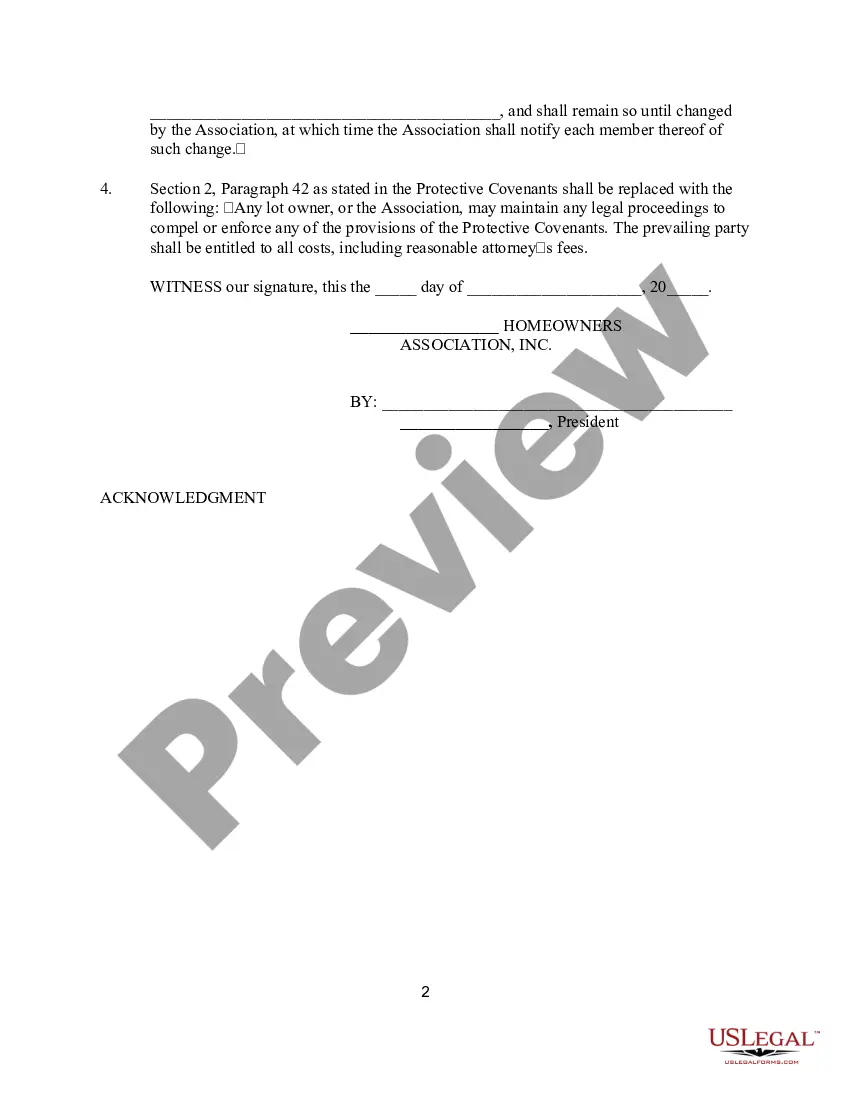
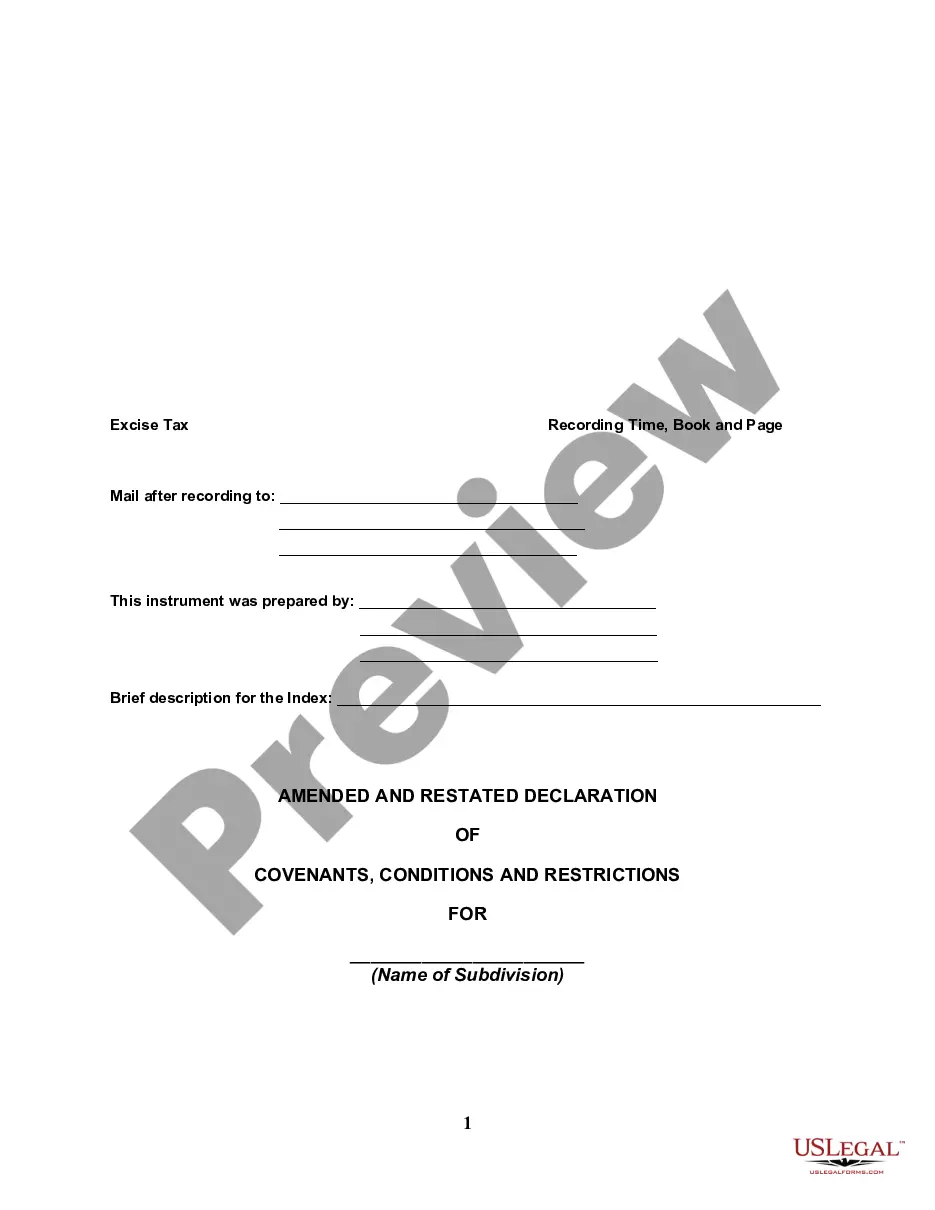
A Protective Covenant With The Land In Michigan
Description

Get your form ready online
Our built-in tools help you complete, sign, share, and store your documents in one place.
Make edits, fill in missing information, and update formatting in US Legal Forms—just like you would in MS Word.
Download a copy, print it, send it by email, or mail it via USPS—whatever works best for your next step.
Sign and collect signatures with our SignNow integration. Send to multiple recipients, set reminders, and more. Go Premium to unlock E-Sign.
If this form requires notarization, complete it online through a secure video call—no need to meet a notary in person or wait for an appointment.
We protect your documents and personal data by following strict security and privacy standards.

Make edits, fill in missing information, and update formatting in US Legal Forms—just like you would in MS Word.

Download a copy, print it, send it by email, or mail it via USPS—whatever works best for your next step.

Sign and collect signatures with our SignNow integration. Send to multiple recipients, set reminders, and more. Go Premium to unlock E-Sign.

If this form requires notarization, complete it online through a secure video call—no need to meet a notary in person or wait for an appointment.

We protect your documents and personal data by following strict security and privacy standards.
Looking for another form?






Form popularity
FAQ
Keep in mind that there may be a limit to the duration of the extension. For instance, under California law, extensions are deemed invalid if they exceed the length of the initial term of the CC&Rs or 20 years, whichever is less.
It is possible to apply to the Lands Chamber of the Upper Tribunal to have a restrictive covenant “discharged or modified”, as the statute puts it, in order to get the covenant removed or changed so that development can take place or the use of the land can be changed.
Landowners burdened by a restrictive covenant have the option to seek modifications or discharges through the Upper Tribunal (Lands Chamber). This legal avenue is governed by Section 84(1) of the Law of Property Act 1925, which outlines specific conditions that must be met for a successful application.
To ensure the legality of a covenant that runs with the land all parties involved must clearly state their intent. The agreement must include language that binds “successors and assigns”. For example, the contract might use phrases like “all parties intend for this covenant to run with the land”.
Can a covenant be removed from a property? It depends. The first step to find out is to speak to who put the covenant in place, i.e., the homeowner's association (HOA), subdivision, etc., and see if they are willing to come to a new agreement and grant you a variance or waiver.
Restrictive covenants or deed restrictions are legal instruments recorded with the county register of deeds and are used to impose land use or resource use restrictions where environmental contamination is present at a particular property.
Protective covenants, also known as restrictive covenants, are legal obligations embedded in the deed of a property. These covenants are agreements between property owners that impose certain restrictions or requirements on the use of the land.
A restrictive covenant runs with the land, affecting successive owners. It will not cease to be enforceable just because it was created a long time ago. However, the covenant may be unenforceable for another reason.
If a deed restriction is not enforceable, you can choose to ignore it and take on the risk of a neighbor filing suit, or you can seek out a judge's ruling to have the covenant removed from the deed. Obtaining that ruling is easier when no one is actively enforcing the covenant.
The primary remedy for breach of a Restrictive Covenant is a permanent injunction to restrain the breach. However, the courts have jurisdiction to award damages instead of an injunction.
