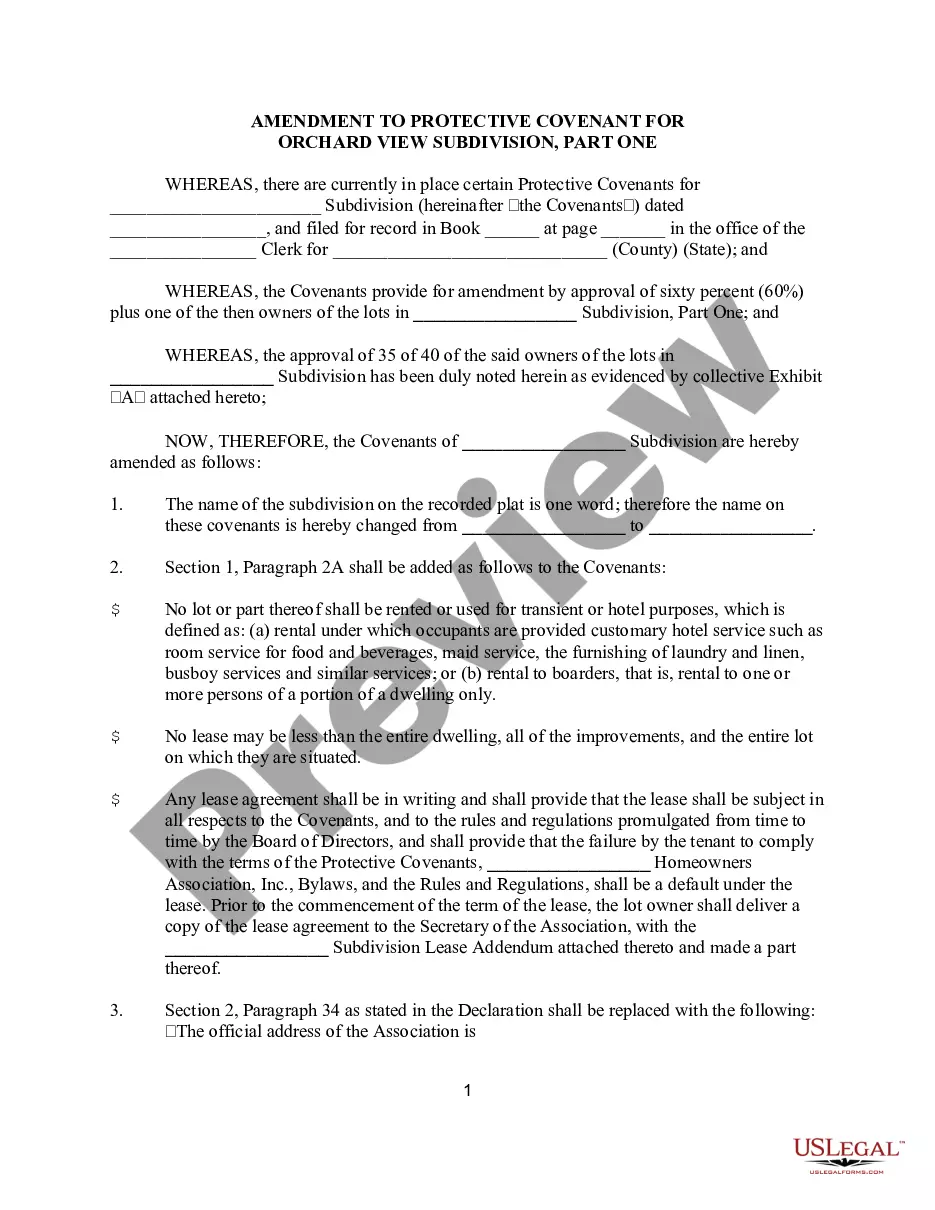
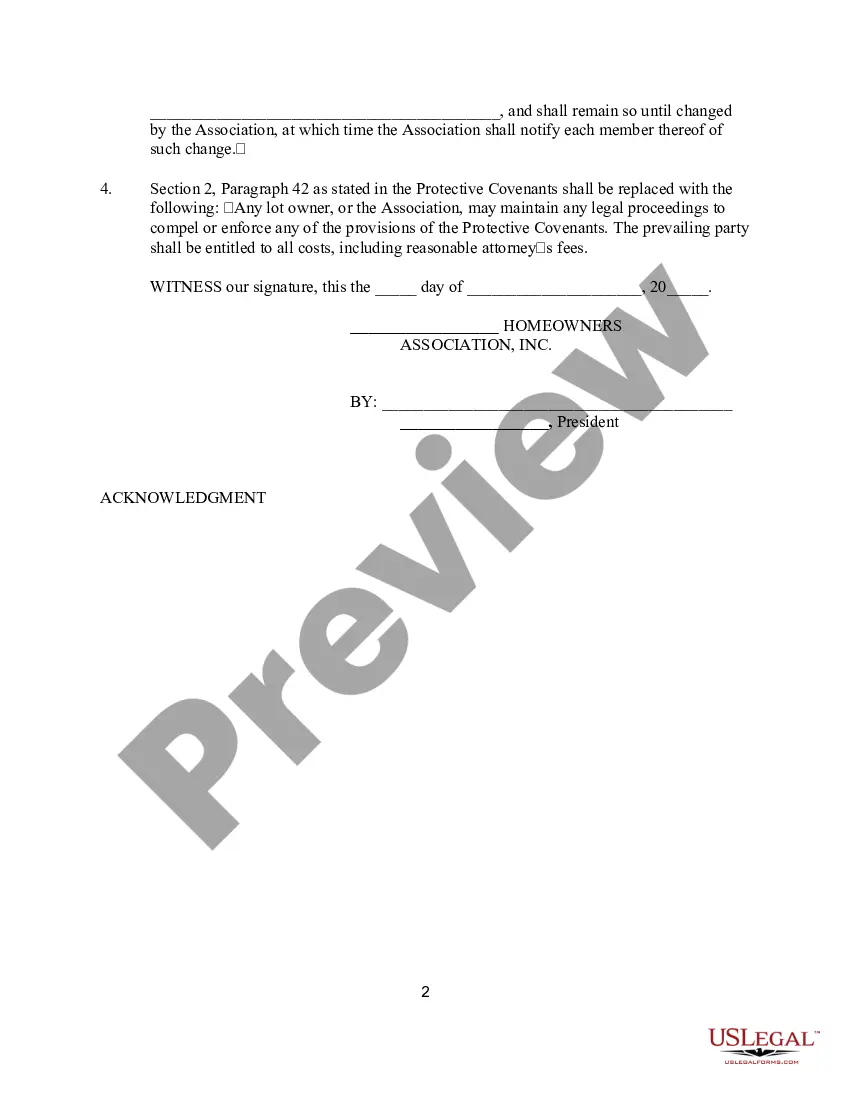
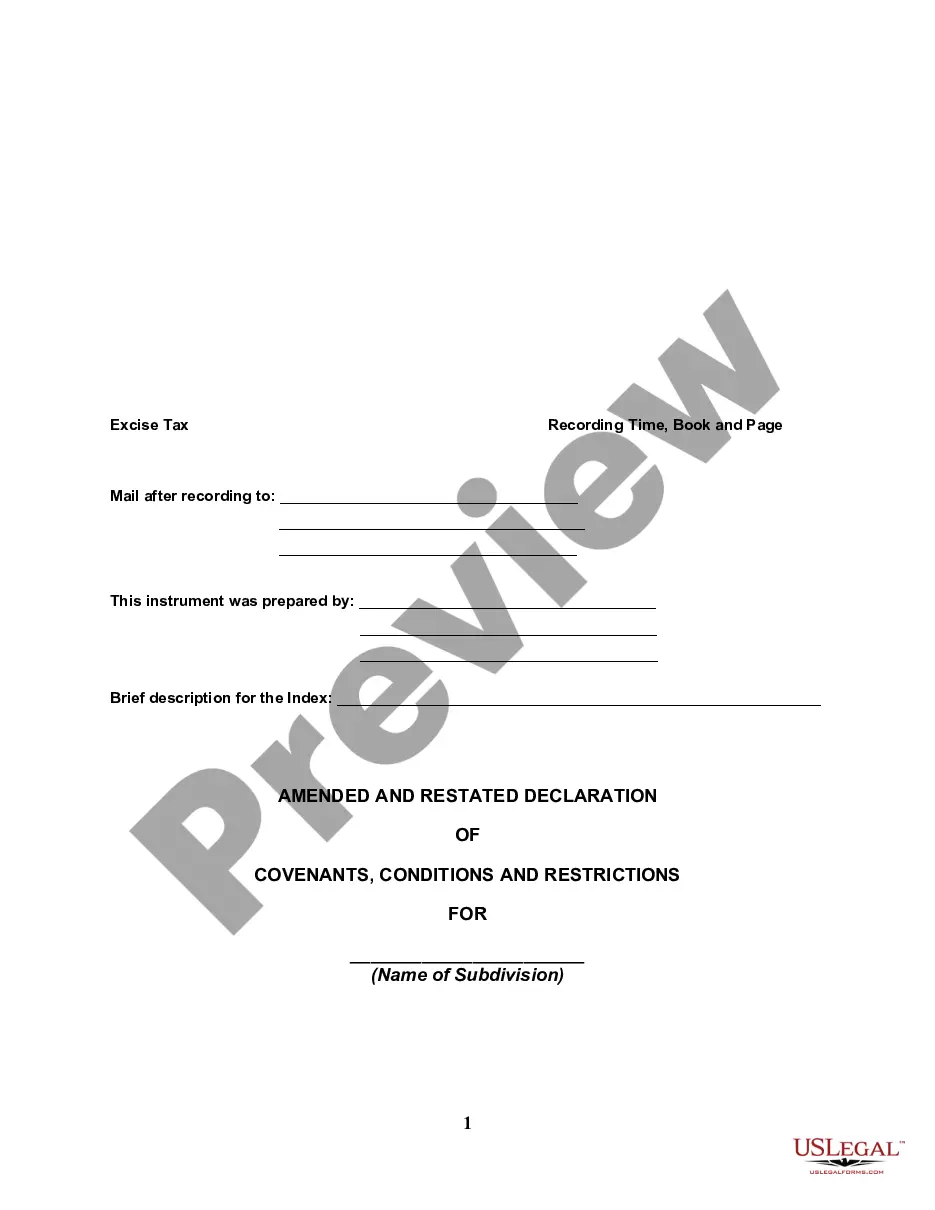
A Protective Covenant For Indemnity In Georgia
Description
Get your form ready online
Our built-in tools help you complete, sign, share, and store your documents in one place.
Make edits, fill in missing information, and update formatting in US Legal Forms—just like you would in MS Word.
Download a copy, print it, send it by email, or mail it via USPS—whatever works best for your next step.
Sign and collect signatures with our SignNow integration. Send to multiple recipients, set reminders, and more. Go Premium to unlock E-Sign.
If this form requires notarization, complete it online through a secure video call—no need to meet a notary in person or wait for an appointment.
We protect your documents and personal data by following strict security and privacy standards.

Make edits, fill in missing information, and update formatting in US Legal Forms—just like you would in MS Word.

Download a copy, print it, send it by email, or mail it via USPS—whatever works best for your next step.

Sign and collect signatures with our SignNow integration. Send to multiple recipients, set reminders, and more. Go Premium to unlock E-Sign.

If this form requires notarization, complete it online through a secure video call—no need to meet a notary in person or wait for an appointment.

We protect your documents and personal data by following strict security and privacy standards.
Looking for another form?









Form popularity
FAQ
In its widest sense, "indemnity" means protection against, or compensation for, a loss or liability. Some indemnity claims arise by operation of law.
Sponsor shall indemnify and hold Institution, System, their Regents, officers, agents, and employees harmless against any and all claims, demands, damages, liabilities and costs which directly or indirectly result from, or arise in connection with, any negligent act or omission of Sponsor, its agents, or employees, ...
It's an agreement that safeguards one party against the financial impacts of specific actions or events. On the other hand, an indemnification provision is a distinct clause in a contract specifying how one party will execute indemnification.
An indemnity clause is a contractual clause providing that one party is responsible for any losses or damages arising from a certain event or set of circumstances. In effect, the indemnity clause shifts the risk of that event occurring from the indemnified party to the indemnifying party.
An indemnity insurance policy covers a legal defect with the property that either can't be resolved or would be very costly and/or time consuming to do so. So, instead of trying to fix the problem, you simply take out the insurance to protect you against an expensive bill in the future.
In the UK, indemnity covenants are agreements between two parties in which one party, the indemnifier, agrees to compensate the other party, the indemnified party, for any losses or damages that may occur as a result of a specific event or occurrence.
A covenant never to sue is equivalent to a release as is a bond to indemnify a debtor against his own debt. (Orig. Code 1863, § 2802; Code 1868, § 2810; Code 1873, § 2861; Code 1882, § 2861; Civil Code 1895, § 3714; Civil Code 1910, § 4308; Code 1933, § 20-909.)
Letters of indemnity should include the names and addresses of both parties involved, plus the name and affiliation of the third party, if any. Detailed descriptions of the items and intentions are also required, as are the signatures of the parties and the date the contract is executed.
Well, “indemnify” simply means “to compensate for a loss.” For example, in a contract for engineering services, an indemnification clause might ask for compensation for damages caused by the engineer's professional negligence. This is typically acceptable since professional liability insurance covers that risk.
How to Write an Indemnity Agreement Consider the Indemnity Laws in Your Area. Draft the Indemnification Clause. Outline the Indemnification Period and Scope of Coverage. State the Indemnification Exceptions. Specify How the Indemnitee Notifies the Indemnitor About Claims. Write the Settlement and Consent Clause.
