Covenant In Agreement In Virginia
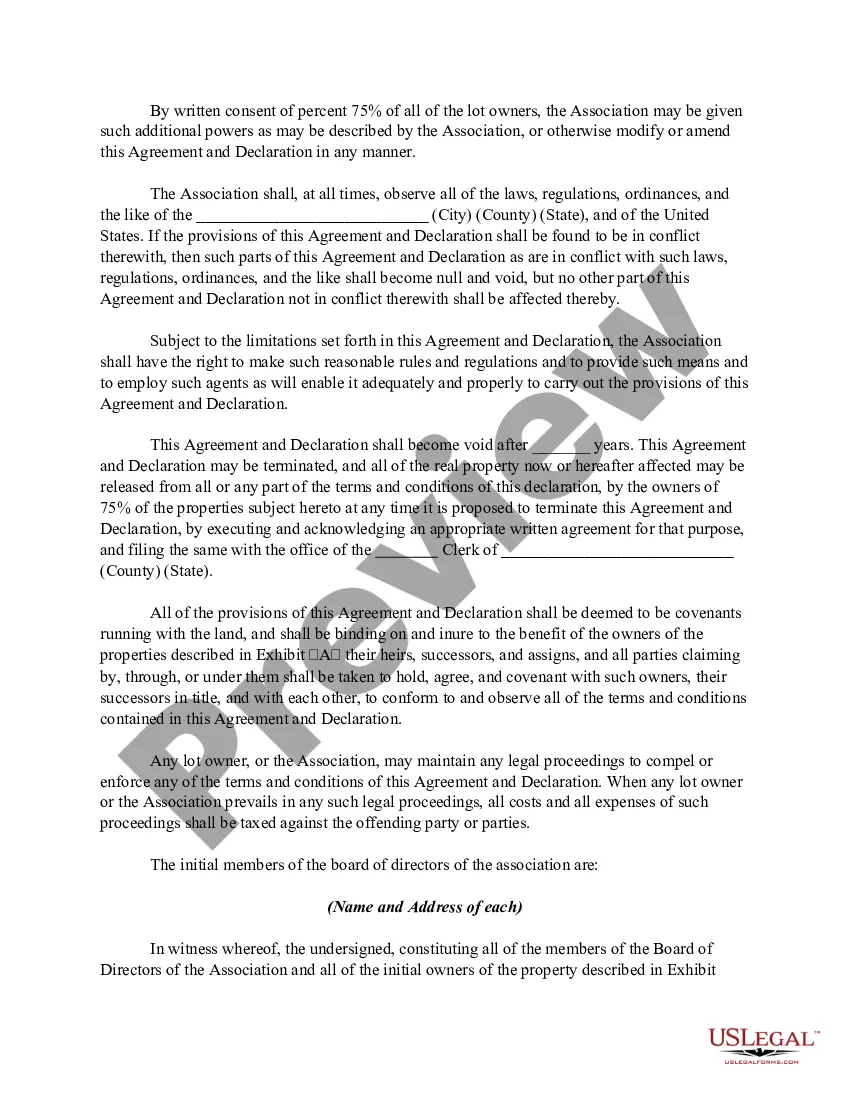
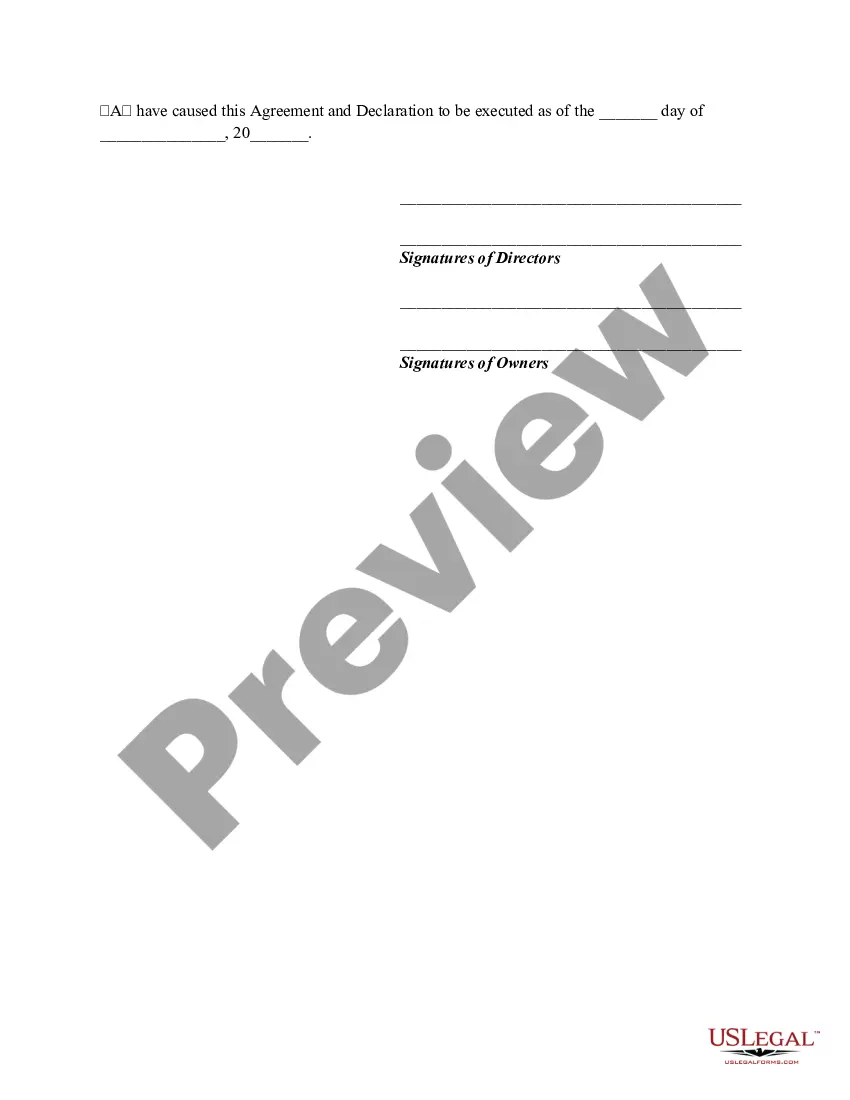
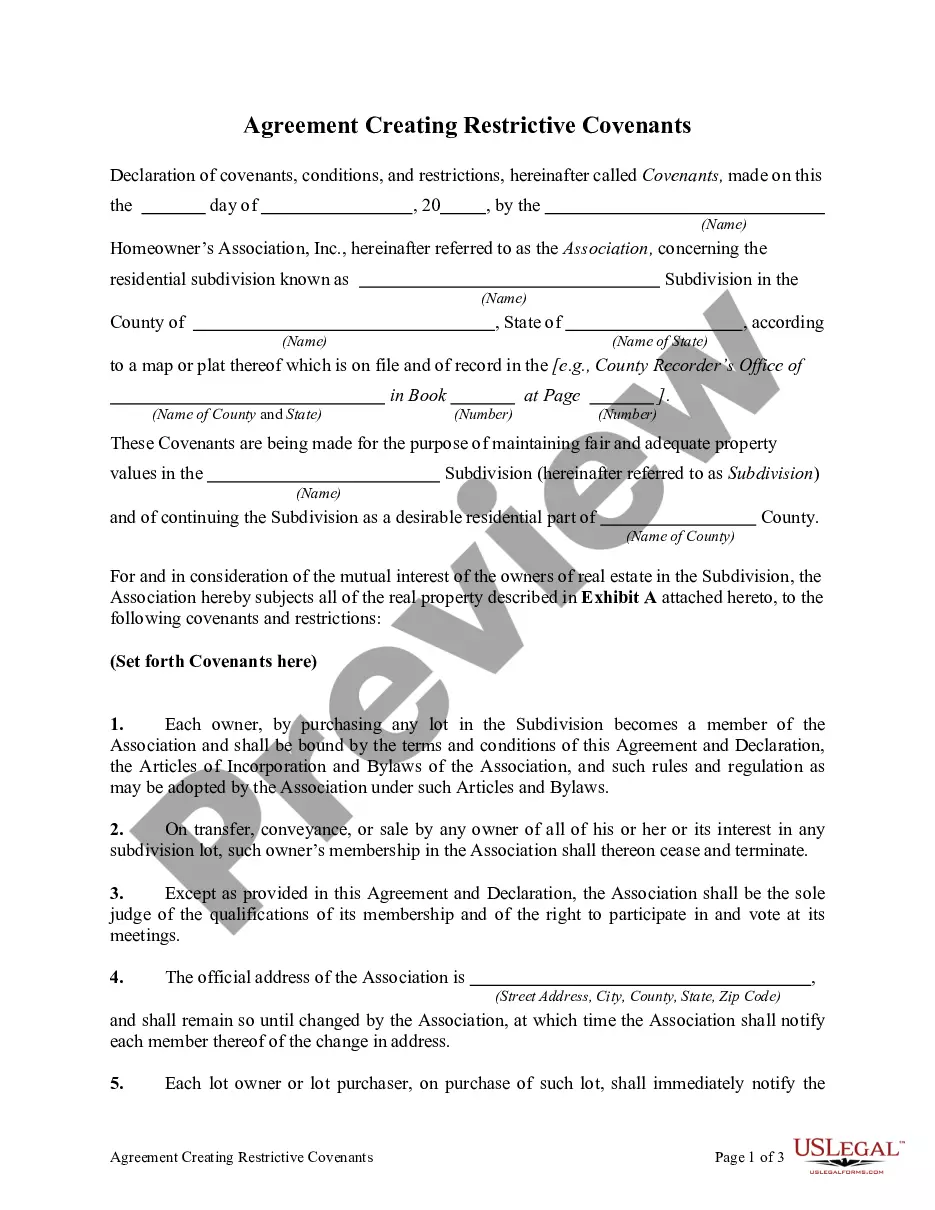
Description

Get your form ready online
Our built-in tools help you complete, sign, share, and store your documents in one place.
Make edits, fill in missing information, and update formatting in US Legal Forms—just like you would in MS Word.
Download a copy, print it, send it by email, or mail it via USPS—whatever works best for your next step.
Sign and collect signatures with our SignNow integration. Send to multiple recipients, set reminders, and more. Go Premium to unlock E-Sign.
If this form requires notarization, complete it online through a secure video call—no need to meet a notary in person or wait for an appointment.
We protect your documents and personal data by following strict security and privacy standards.

Make edits, fill in missing information, and update formatting in US Legal Forms—just like you would in MS Word.

Download a copy, print it, send it by email, or mail it via USPS—whatever works best for your next step.

Sign and collect signatures with our SignNow integration. Send to multiple recipients, set reminders, and more. Go Premium to unlock E-Sign.

If this form requires notarization, complete it online through a secure video call—no need to meet a notary in person or wait for an appointment.

We protect your documents and personal data by following strict security and privacy standards.
Looking for another form?






Form popularity
FAQ
For the purposes of this section, a covenant not to sue shall include any "high-low" agreement whereby a party seeking damages for injury to a person or property, or for wrongful death, agrees to accept as full satisfaction for any judgment no more than one sum certain and the party or parties from whom the damages are ...
No employer shall enter into, enforce, or threaten to enforce a covenant not to compete with any low-wage employee.
Chapter 2 – How to Beat Your Virginia Non-Compete Get a copy of the agreement. Have an attorney review the agreement. Don't plan your new business at work! ... Do not advertise your new business until you know your non-compete agreement is not an issue. Be Honest. Seek legal action to determine validity of the agreement.
A covenant is a formal agreement or promise , usually included in a contract or deed , to do or not do a particular act. Covenants are particularly relevant in the fields of contract law and property law.
In Virginia, non-compete and non-solicitation agreements are enforceable only if they are narrowly drawn to protect the employer's legitimate business interests, are not unduly burdensome on the employee's ability to earn a living, and are not against public policy.
Take a non-competitive job or role outside your current employer's specialty. Prove your employer breached the contract to invalidate the non-compete clause. Argue that the non-compete is overly restrictive or not enforceable. Negotiate or prove no legitimate business interests exist to uphold the agreement.
Restrictive covenants in employment agreements (like non-compete and non-soliciation provisions) are disfavored in Virginia and only enforced when narrowly crafted so that the restrictions are no broader than necessary to protect the employer's legitimate business interests.
As a reminder, Virginia is one of eleven states (along with Washington, D.C.) that imposes restrictions on the use of non-compete agreements for so-called “low wage employees.” Effective now in 2025, the salary threshold defining a “low wage employee” in Virginia has increased from $73,320 to $76,081 annually.
A covenant is different than a contract, it's the mutual binding of lives together. Rather than something that protects its own interest from the other, it builds a new thing alongside one another.
