Restrictive Covenants In Land Law In Pennsylvania
Description

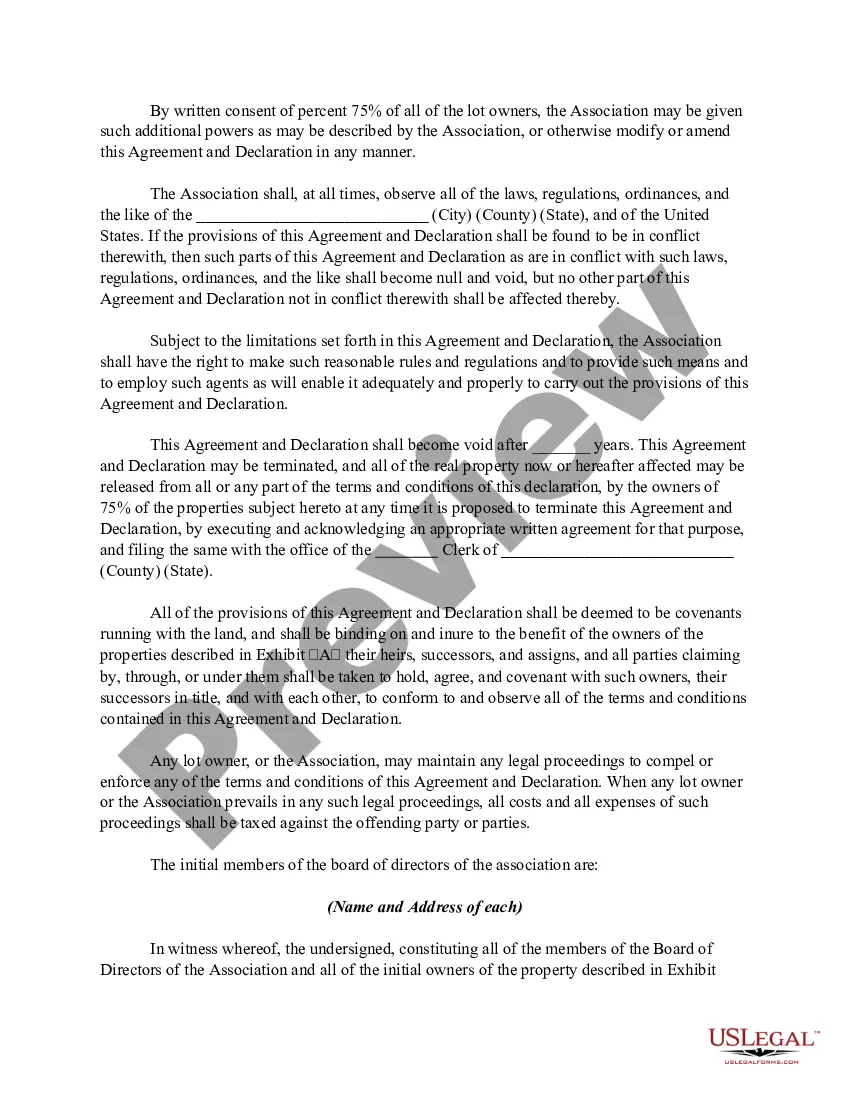
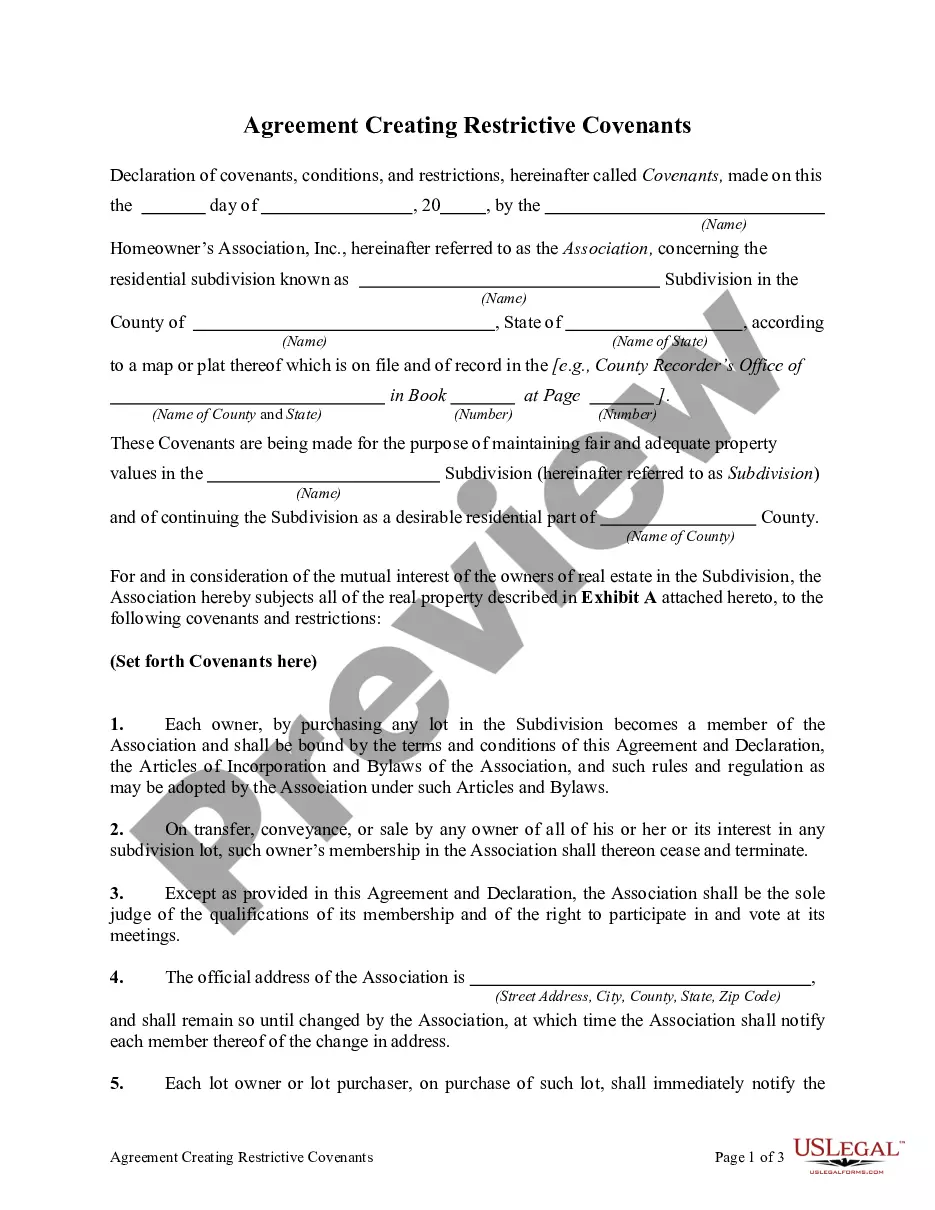
Get your form ready online
Our built-in tools help you complete, sign, share, and store your documents in one place.
Make edits, fill in missing information, and update formatting in US Legal Forms—just like you would in MS Word.
Download a copy, print it, send it by email, or mail it via USPS—whatever works best for your next step.
Sign and collect signatures with our SignNow integration. Send to multiple recipients, set reminders, and more. Go Premium to unlock E-Sign.
If this form requires notarization, complete it online through a secure video call—no need to meet a notary in person or wait for an appointment.
We protect your documents and personal data by following strict security and privacy standards.

Make edits, fill in missing information, and update formatting in US Legal Forms—just like you would in MS Word.

Download a copy, print it, send it by email, or mail it via USPS—whatever works best for your next step.

Sign and collect signatures with our SignNow integration. Send to multiple recipients, set reminders, and more. Go Premium to unlock E-Sign.

If this form requires notarization, complete it online through a secure video call—no need to meet a notary in person or wait for an appointment.

We protect your documents and personal data by following strict security and privacy standards.
Looking for another form?


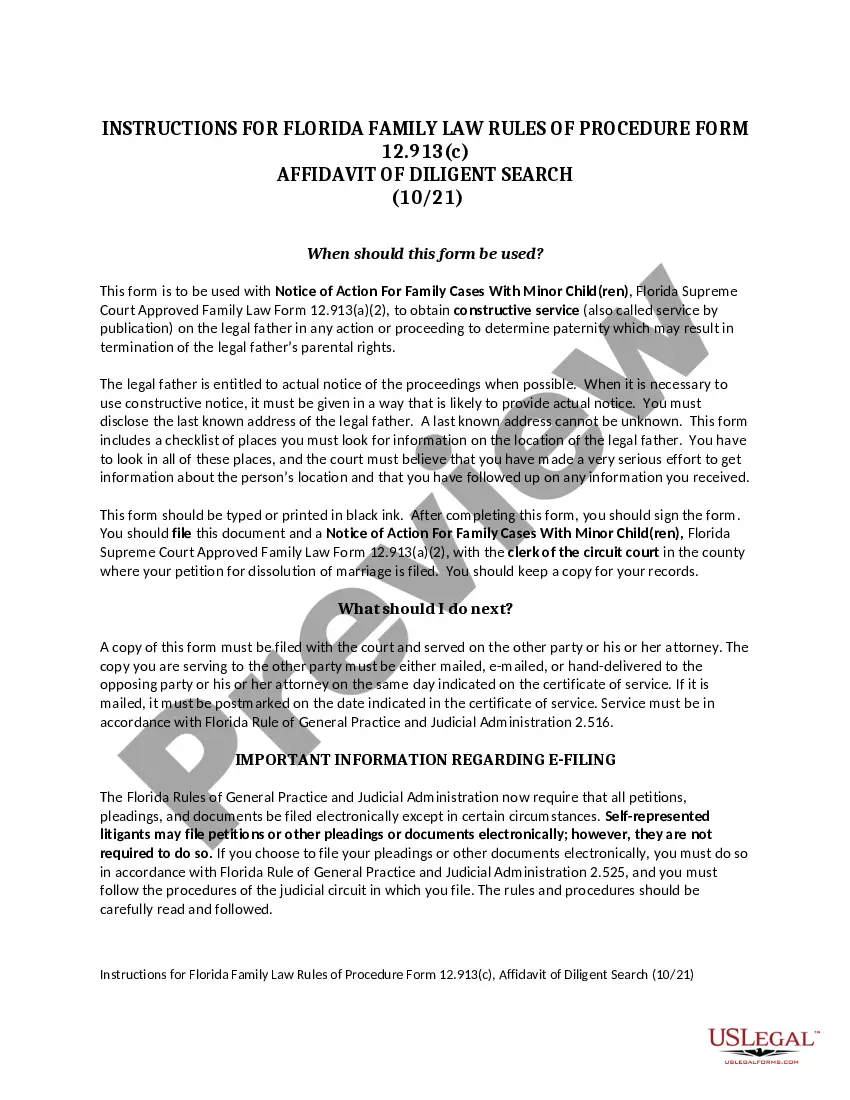
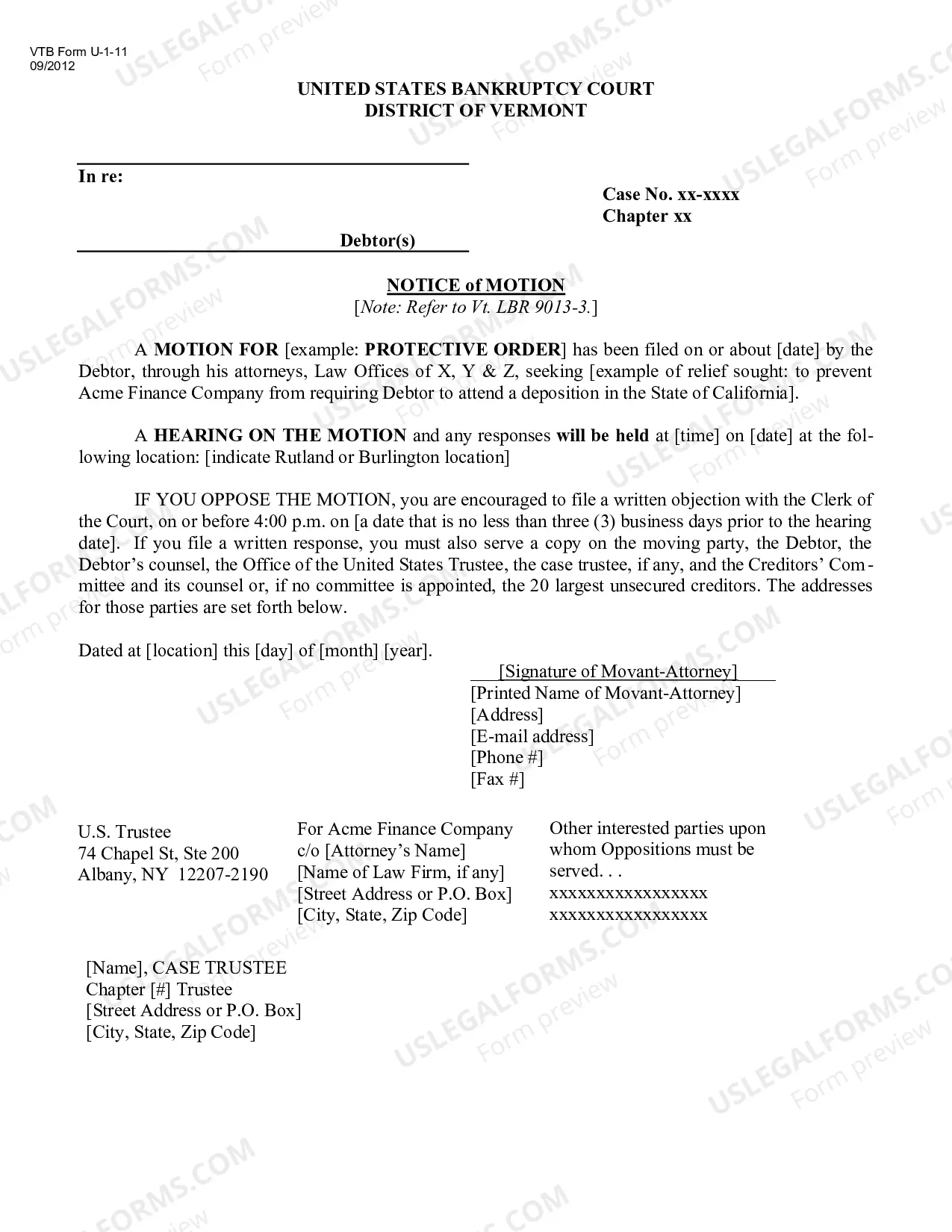
Form popularity
FAQ
Who enforces a deed restriction or conservation easement? Deed restrictions generally are enforceable by individuals with some type of property interest in the land or adjacent property owners who can show that the deed restriction was intended to benefit their properties.
An easement is a limited right to use the property of another. Common easements include driveways, private roads, and utility rights-of-way for electric, water, or communication lines. Most easements are contained indeeds; some can arise simply due to the passage of time.
Under Pennsylvania law, if a seller of real estate sells a landlocked parcel of land at a time when the seller has remaining land which could provide the landlocked parcel with access to a public thoroughfare, and if the parties for some reason fail to provide for a driveway across the seller's remaining lands, the law ...
But can a property owner block an easement on their property. The short answer is no easements areMoreBut can a property owner block an easement on their property. The short answer is no easements are legally binding and cannot be blocked by the property owner. However there are some exceptions.
Utility easements shall have a minimum width of twenty (20) feet, and all utilitycompanies are encouraged to use common easements.
A landlocked property today doesn't necessarily mean it will remain inaccessible forever. Buyers may be able to negotiate an easement with neighboring property owners, acquire a right-of-way, or take advantage of future infrastructure projects that could improve access.
Nevertheless, the Pennsylvania Supreme Court has made it clear that non-compete agreements and restrictive covenants are not favored in Pennsylvania and are viewed as a trade restraint that prevents a former employee from earning a living.
Some of the most common restrictive covenants include: Alterations and extensions to the building. Changes to the use of a property, for example, converting a building into flats or turning a house into business premises. Rent and lease restrictions. Limitations on pets. Limitations on home colour.
Owners are generally prohibited from building over or too close to an easement or must obtain approval from the authority who owns the easement to do so. If a structure is built over an easement without permission or where permission is denied, then the owner will be legally required to remove the structure.
