Restrictive Covenants Without Hoa In Georgia
Description

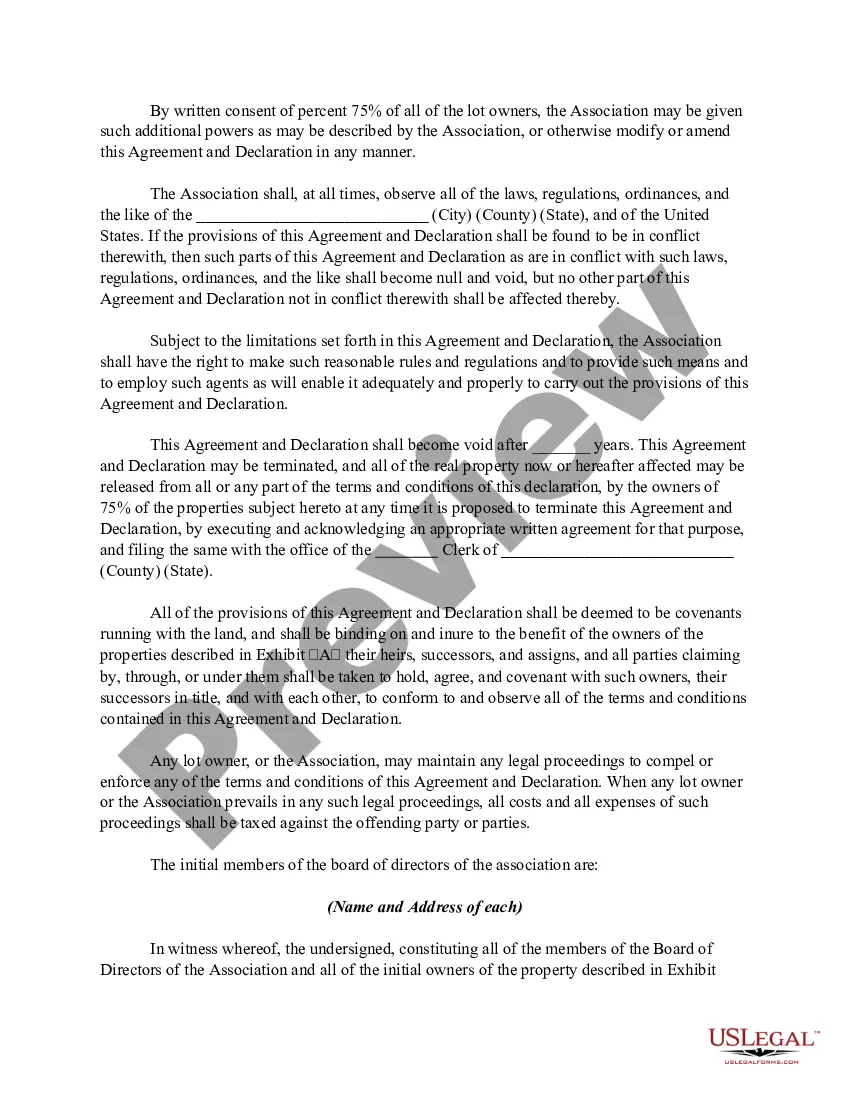
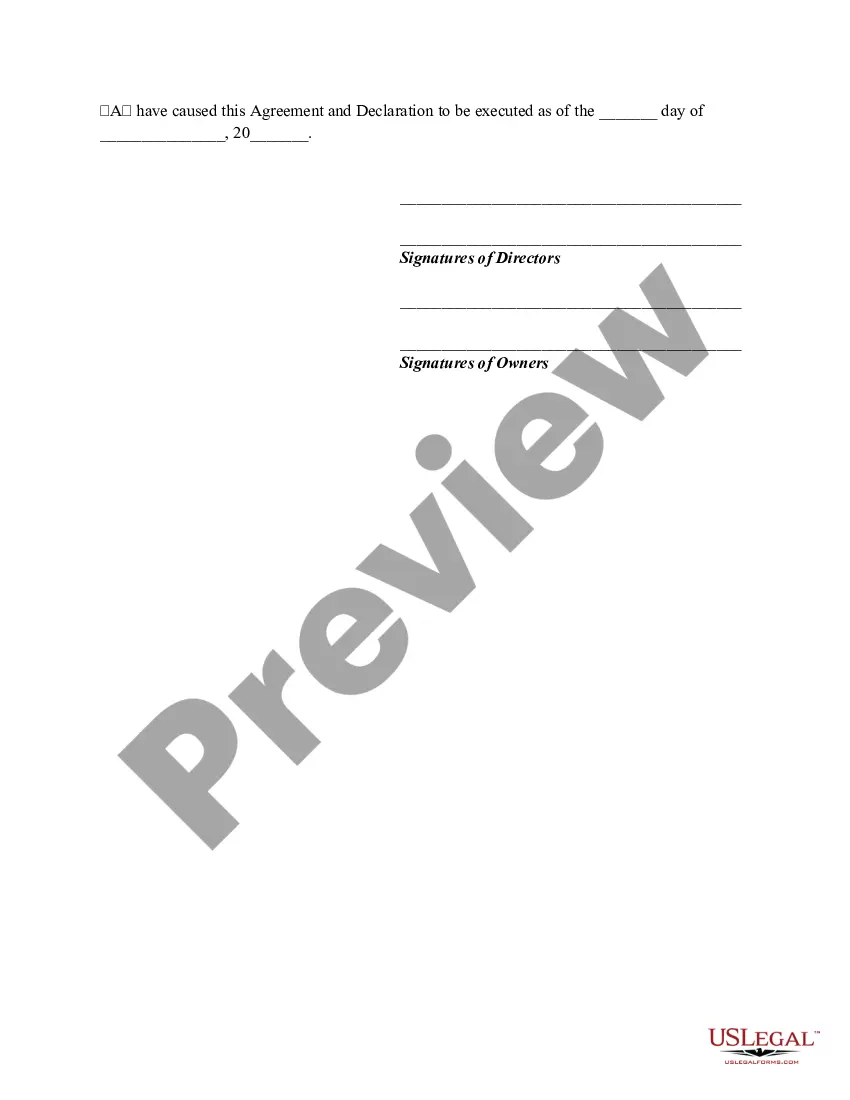
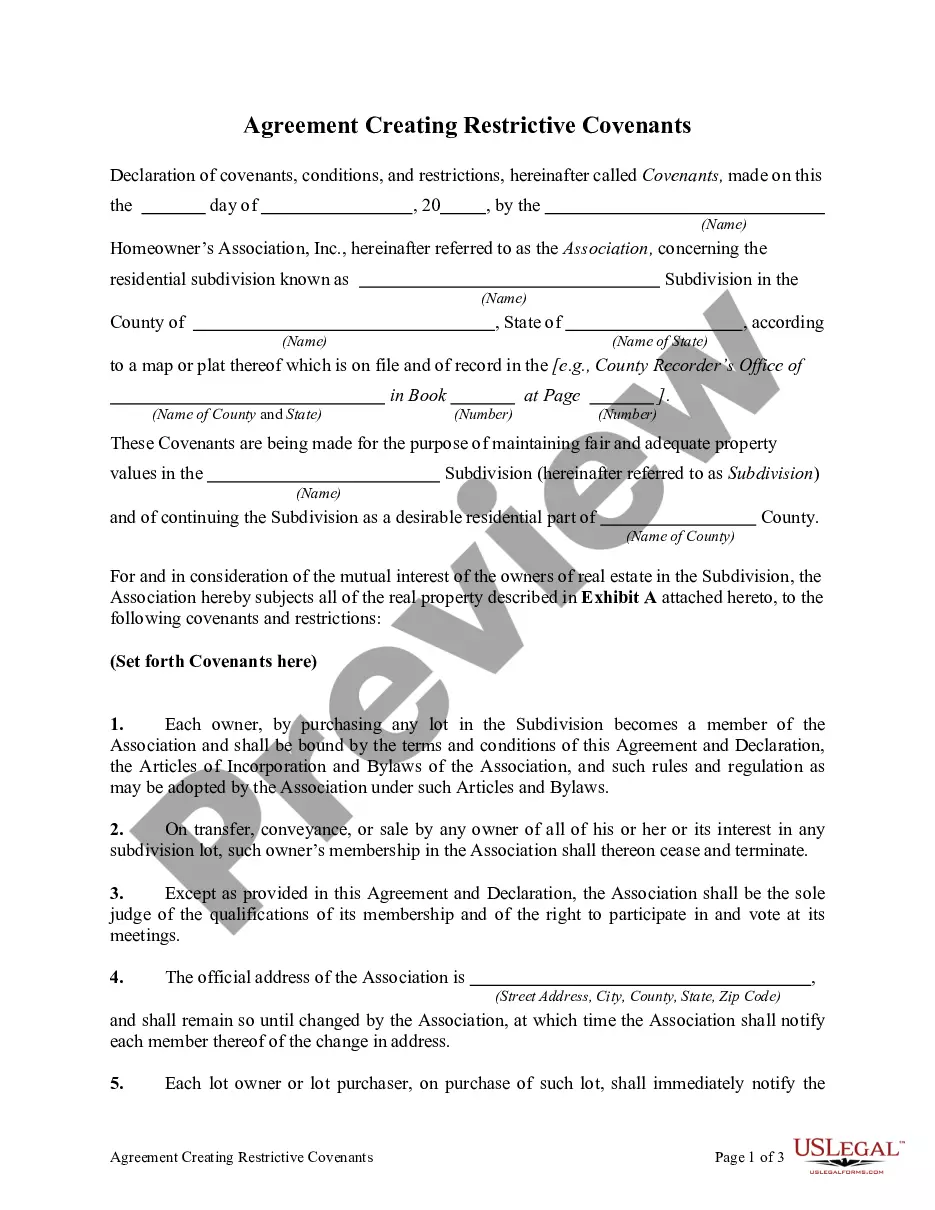
Get your form ready online
Our built-in tools help you complete, sign, share, and store your documents in one place.
Make edits, fill in missing information, and update formatting in US Legal Forms—just like you would in MS Word.
Download a copy, print it, send it by email, or mail it via USPS—whatever works best for your next step.
Sign and collect signatures with our SignNow integration. Send to multiple recipients, set reminders, and more. Go Premium to unlock E-Sign.
If this form requires notarization, complete it online through a secure video call—no need to meet a notary in person or wait for an appointment.
We protect your documents and personal data by following strict security and privacy standards.

Make edits, fill in missing information, and update formatting in US Legal Forms—just like you would in MS Word.

Download a copy, print it, send it by email, or mail it via USPS—whatever works best for your next step.

Sign and collect signatures with our SignNow integration. Send to multiple recipients, set reminders, and more. Go Premium to unlock E-Sign.

If this form requires notarization, complete it online through a secure video call—no need to meet a notary in person or wait for an appointment.

We protect your documents and personal data by following strict security and privacy standards.
Looking for another form?









Form popularity
FAQ
Once you buy a home that's part of an HOA, you automatically become a member of the HOA. HOA rules are legally binding, and you must adhere to all rules and regulations in the governing document. Yes, there are bylaws that you may not like, but there are no HOA loopholes.
Also, for the decisions made by an HOA, except for the cases provided for by Article 7(4) of this Law, the HOA members shall be liable, personally and jointly, in proportion to their share in the common property of HOA members. The responsibility of a hired manager is determined by an agreement.
While HOAs offer a structured and well-maintained environment, they can be restrictive and costly. On the other hand, POAs provide more flexibility and community involvement but may have fewer amenities and a less uniform appearance.
How do I challenge a restrictive covenant? Express release: It may be possible to negotiate the release or variation of a restrictive covenant. Indemnity insurance: It is possible to obtain indemnity insurance to protect against the risk of a person with the benefit of a restrictive covenant seeking to enforce it.
Under Georgia law, HOAs have the power to enforce community rules, collect dues, and maintain common areas. These rights are outlined in their governing documents. The Georgia inium Association Act regulates many of these activities, ensuring compliance with state laws.
Georgia common law was generally hostile to restrictive covenants but was more permissive of anti-raiding restrictions such as employee non-solicitation provisions. Georgia's passage of the Restrictive Covenants Act (RCA) in 2011 made enforcement of valid restrictive covenants easier than it had been before.
The Georgia Property Owners' Association Act (POAA) is a Georgia law, adopted in 1994, specifically for homeowners associations. The POAA was created to define the power and authority of property owner/homeowner associations, similar to laws governing inium associations.
In short, Bylaws govern how an HOA operates, outlining rules for board meetings, elections, and decision-making. Covenants, on the other hand, dictate what homeowners can and can't do with their property, from landscaping to exterior design.
Keep in mind that there may be a limit to the duration of the extension. For instance, under California law, extensions are deemed invalid if they exceed the length of the initial term of the CC&Rs or 20 years, whichever is less.
