Restrictive Covenants For Independent Contractor In Dallas
Description

Get your form ready online
Our built-in tools help you complete, sign, share, and store your documents in one place.
Make edits, fill in missing information, and update formatting in US Legal Forms—just like you would in MS Word.
Download a copy, print it, send it by email, or mail it via USPS—whatever works best for your next step.
Sign and collect signatures with our SignNow integration. Send to multiple recipients, set reminders, and more. Go Premium to unlock E-Sign.
If this form requires notarization, complete it online through a secure video call—no need to meet a notary in person or wait for an appointment.
We protect your documents and personal data by following strict security and privacy standards.

Make edits, fill in missing information, and update formatting in US Legal Forms—just like you would in MS Word.

Download a copy, print it, send it by email, or mail it via USPS—whatever works best for your next step.

Sign and collect signatures with our SignNow integration. Send to multiple recipients, set reminders, and more. Go Premium to unlock E-Sign.

If this form requires notarization, complete it online through a secure video call—no need to meet a notary in person or wait for an appointment.

We protect your documents and personal data by following strict security and privacy standards.
Looking for another form?


Form popularity
FAQ
Here are five steps that can help you become a contractor in Texas: Register a state business entity. Choose a contractor license type. Meet the basic requirements for your license. Obtain a Texas contractor license bond or insurance. Apply for your license.
What happens if you break a non-compete in Texas? If a covenant not to compete is violated, a court may award the employer monetary damages and/or injunctive relief, but it will generally not be able to recover its attorney's fees.
Well, of course, you can't “fire” an independent contractor because they aren't an employee. But you can terminate their contract.
A Texas independent contractor agreement records the arrangement where a contractor provides services in exchange for payment from their client. The contract sets the scope of work, timeline, and compensation the contractor will receive.
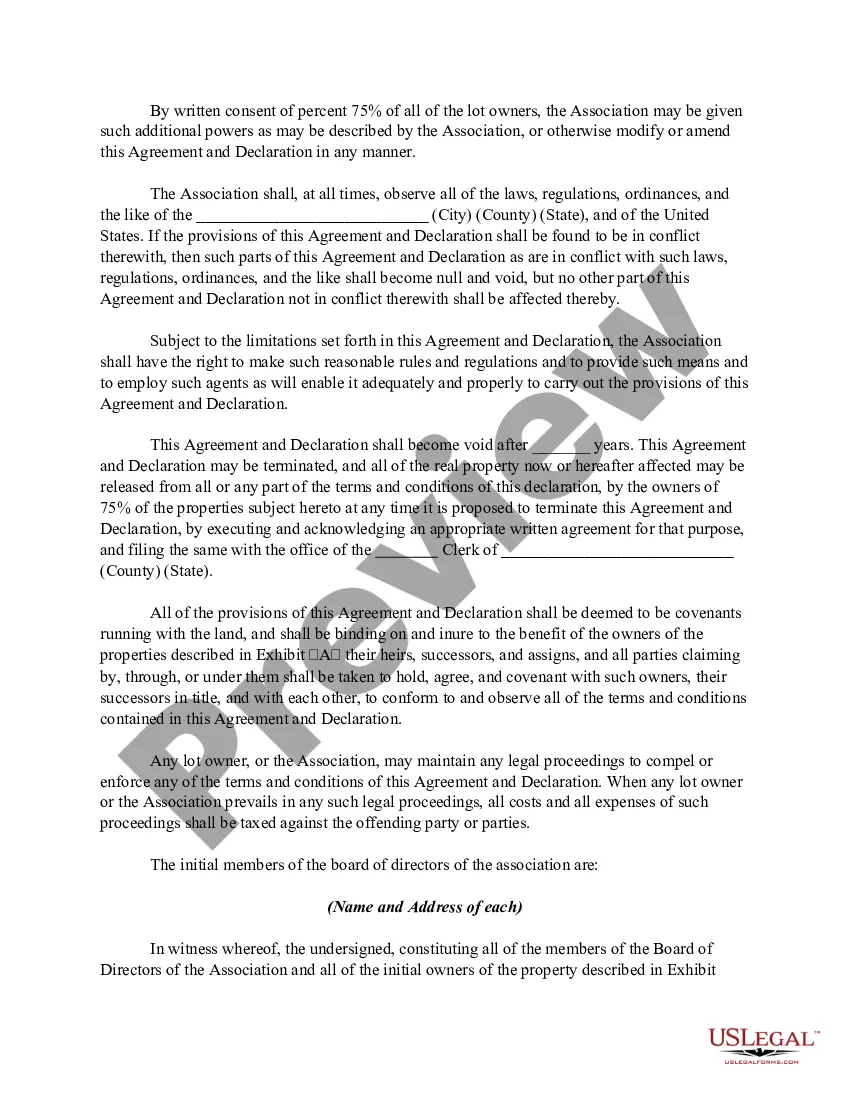
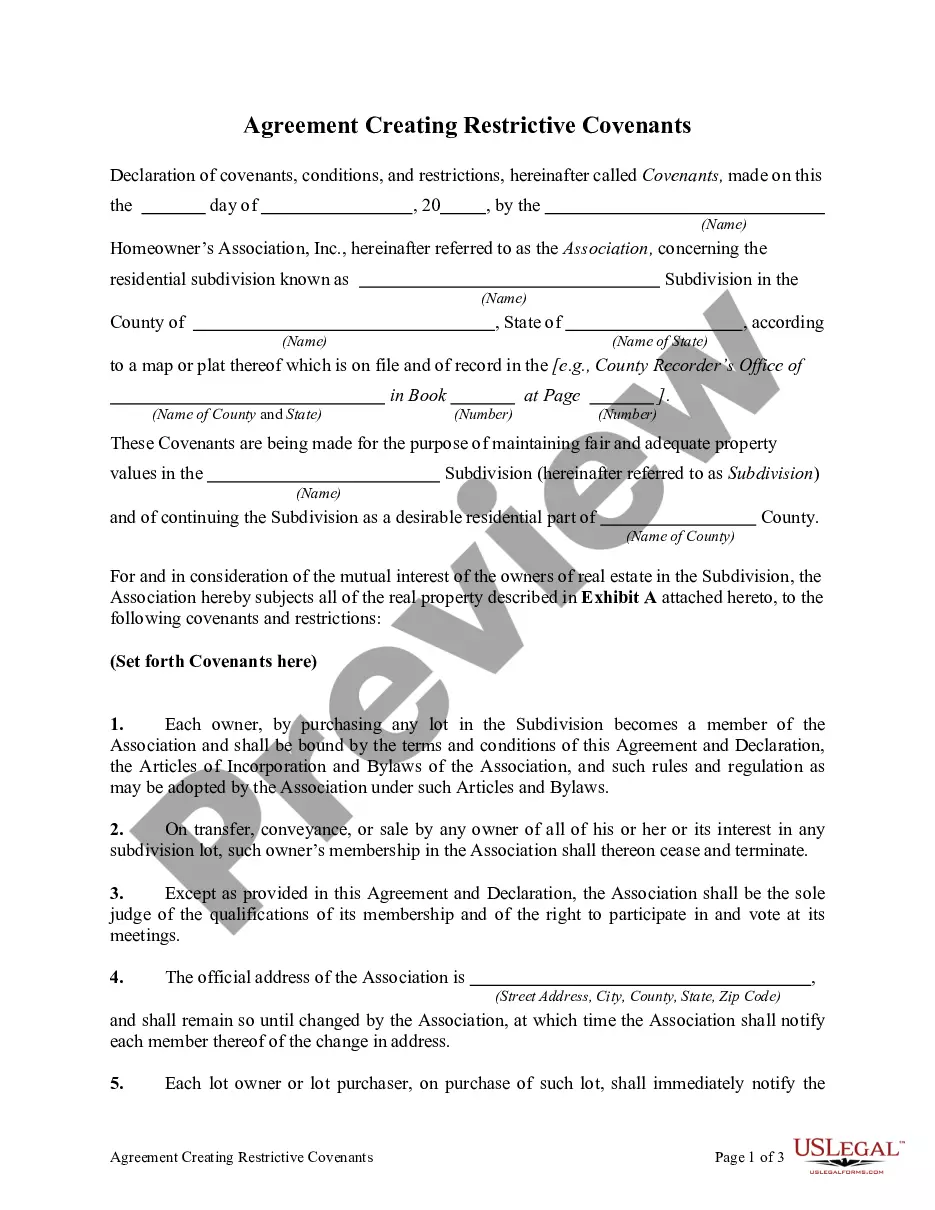
Restrictive covenants) are enforceable in Texas. To be valid under Texas law, a covenant not to compete must be “ancillary to an otherwise enforceable agreement.” Then, the restrictions must be reasonable in scope.
Services Rendered Personally. An Employee's services must be rendered personally; Employees do not hire their own substitutes or delegate work to them. A true Independent Contractor is able to assign another to do the job in his or her place and need not perform services personally.
Workers who use their own materials and tools, control meaningful aspects of the working relationship, complete tasks relatively quickly, are highly skilled, and control how they perform their job can usually be classified as independent contractors.
Ingly, if, for example, a restrictive covenant between employer and employee includes a five-year term, the covenant is unlikely to be deemed enforceable by a court. In the sale of business context, courts typically are more willing to enforce covenants lasting longer than 1-2 years.
Texas will enforce a non-compete agreement if it meets certain criteria: It must be included with another agreement (such as an employment offer), and be in exchange for “consideration” (i.e. something in return, such as specialized training or confidential information).
