Agreement Vs Covenant In Chicago
Description

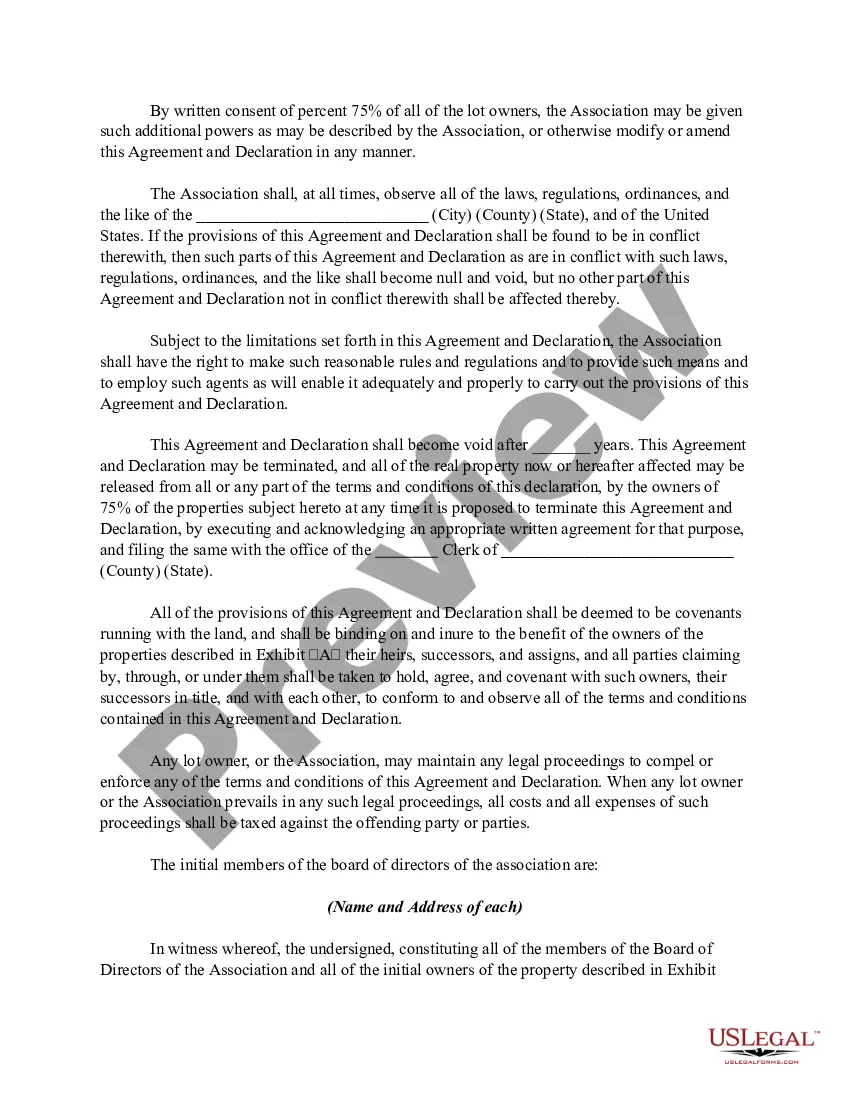
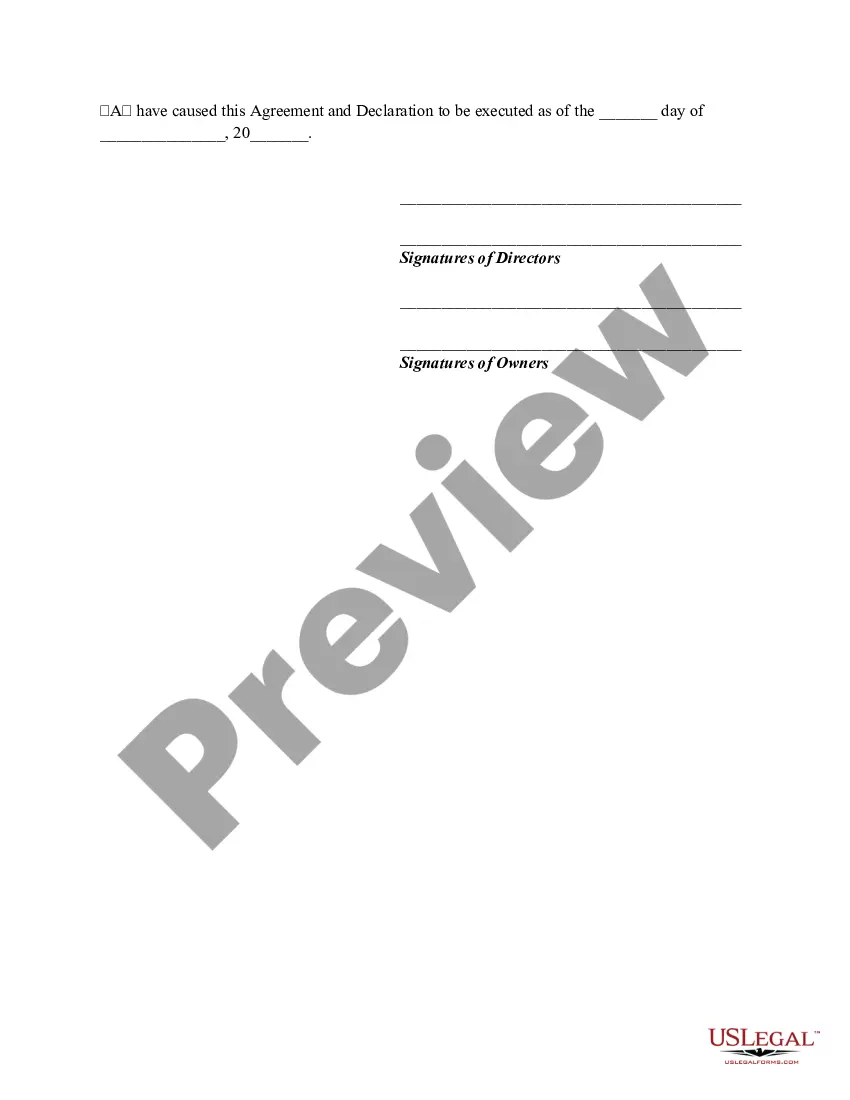
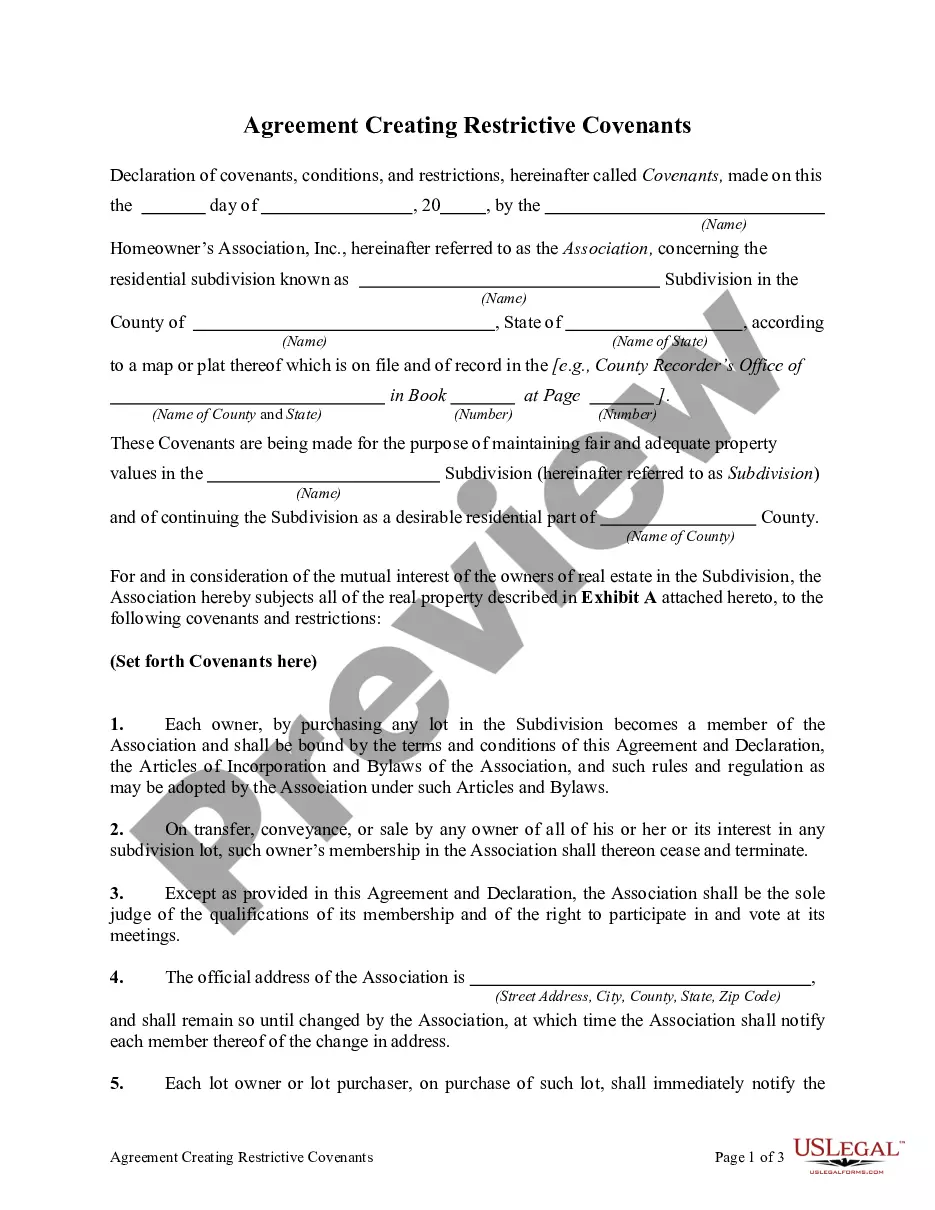
Get your form ready online
Our built-in tools help you complete, sign, share, and store your documents in one place.
Make edits, fill in missing information, and update formatting in US Legal Forms—just like you would in MS Word.
Download a copy, print it, send it by email, or mail it via USPS—whatever works best for your next step.
Sign and collect signatures with our SignNow integration. Send to multiple recipients, set reminders, and more. Go Premium to unlock E-Sign.
If this form requires notarization, complete it online through a secure video call—no need to meet a notary in person or wait for an appointment.
We protect your documents and personal data by following strict security and privacy standards.

Make edits, fill in missing information, and update formatting in US Legal Forms—just like you would in MS Word.

Download a copy, print it, send it by email, or mail it via USPS—whatever works best for your next step.

Sign and collect signatures with our SignNow integration. Send to multiple recipients, set reminders, and more. Go Premium to unlock E-Sign.

If this form requires notarization, complete it online through a secure video call—no need to meet a notary in person or wait for an appointment.

We protect your documents and personal data by following strict security and privacy standards.
Looking for another form?


Form popularity
FAQ
Restrictions on non-compete and non-solicitation agreements To be valid, the employee must receive something of value in return, such as employment for at least 2 years after signing the agreement or other benefits. The agreement must not cause hardship on the employee.
Proving there was a breach of your employment contract is another way that you can defeat a non-compete agreement. If your employer did not fulfill the employment contract terms, they likely can't force you to stick to a non-compete agreement. This is known as a material breach.
Illinois has no statute or regulation governing non-compete agreements in employment for employees who make over $13 per hour. Illinois courts will only enforce a non-compete agreement if it is: ∎ Ancillary to either a valid contract or relationship. ∎ Supported by adequate consideration .
A contract is an agreement between parties while a covenant is a pledge. A contract is an agreement you can break while a covenant is a perpetual promise. You seal a covenant while you sign a contract. A contract is a mutually beneficial relationship while a covenant is something you fulfill.
The 2.5 miles radius would be reasonable. However, Illinois courts will not enforce a non-compete unless the employee received "something of value" in return. This is usually considered to be at least two years of employment or other benefits.
Illinois courts generally disfavor non-competes as a restraint of trade. However, Illinois courts enforce non-compete agreements if they are: Reasonable. Supported by adequate consideration.
On April 23, 2024, the Federal Trade Commission (FTC) published its final rule regarding non-compete clauses. The final rule bans most non-compete clauses between employers and their workers. The effective date of the final rule is September 4, 2024.
A covenant agreement is akin to a contractual agreement between parties. It often outlines terms and conditions where a party will perform a certain action or refrain from performing a certain action. Covenants are legally binding and enforceable.
A covenant is an agreement, treaty, or contract between two or more parties in which each promises to uphold certain terms. For example, in the Bible, the Mosaic Covenant is established between God and the Israelites.
A contract is an agreement between two parties that creates an obligation to perform (or not perform) a particular duty.