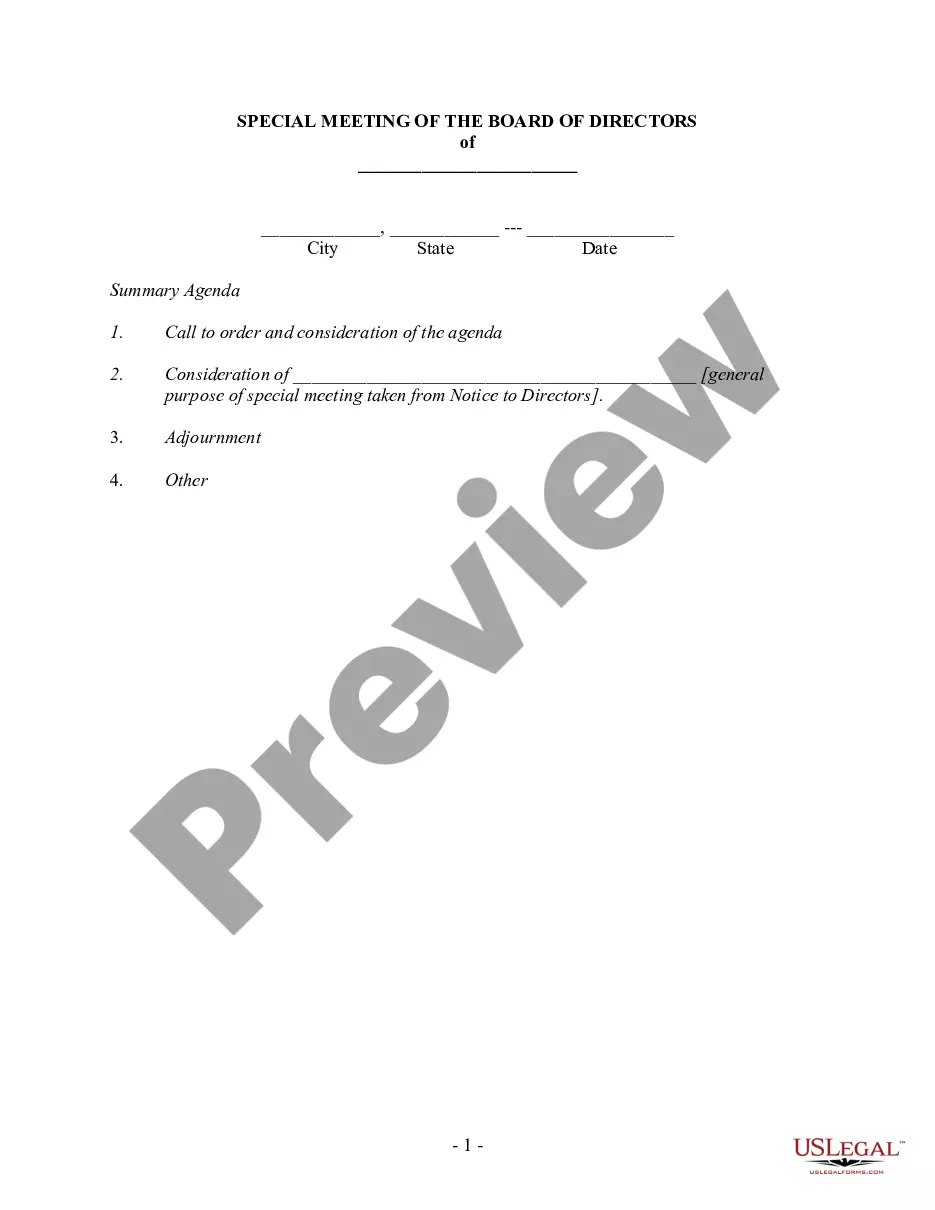
Form Lis Pendens Foreclosure Nj In Palm Beach
Description

Get your form ready online
Our built-in tools help you complete, sign, share, and store your documents in one place.
Make edits, fill in missing information, and update formatting in US Legal Forms—just like you would in MS Word.
Download a copy, print it, send it by email, or mail it via USPS—whatever works best for your next step.
Sign and collect signatures with our SignNow integration. Send to multiple recipients, set reminders, and more. Go Premium to unlock E-Sign.
If this form requires notarization, complete it online through a secure video call—no need to meet a notary in person or wait for an appointment.
We protect your documents and personal data by following strict security and privacy standards.

Make edits, fill in missing information, and update formatting in US Legal Forms—just like you would in MS Word.

Download a copy, print it, send it by email, or mail it via USPS—whatever works best for your next step.

Sign and collect signatures with our SignNow integration. Send to multiple recipients, set reminders, and more. Go Premium to unlock E-Sign.

If this form requires notarization, complete it online through a secure video call—no need to meet a notary in person or wait for an appointment.

We protect your documents and personal data by following strict security and privacy standards.
Looking for another form?






Form popularity
FAQ
New Jersey's foreclosure process is particularly long and complicated because it involves an official lawsuit that occurs in court. New Jersey has one of the longest foreclosure timeframes in the country and can take 12 months or longer.
On January 12th, 2024, New Jersey's Fair Foreclosure Act was amended to include a new foreclosure protection for homeowners. Specifically, the introduction of the Community Wealth Preservation Program gives families facing foreclosure the first chance to buy back their homes at sheriff's sales.
If a tenant has a lease that lasts beyond 90 days after the date the new owner acquires the property, then the tenant can stay for the remaining term of their lease, unless the new owner will live in the property. In that case the tenant can be required to leave if the new owner gives the 90-day notice.
What Are the Steps Involved in the Foreclosure Process in New Jersey? Notice of Intention to Foreclose. The Lender Files the Foreclosure Complaint. The Lender Serves You With the Foreclosure Complaint. Foreclosure Mediation. Filing an Answer to the Foreclosure Complaint. Notice of Entry of Default and Entry of Final Judgment.
Once the complaint is filed, it enters a Lis pendens, meaning a suit is pending. The lender becomes the plaintiff, and the debtor becomes the defendant in the court record. The case receives a docket number. The plaintiff must serve the defendant with the foreclosure complaint.
The lender files the complaint with the Office of Foreclosure, which is a part of the Superior Court of New Jersey. The Office of Foreclosure handles the foreclosure unless you file an answer to the complaint. In that situation, the foreclosure is sent to a judge in your county.
Judgments in New Jersey remain in effect for 20 years and may be renewed for an additional 20 years by filing a motion in the Superior Court, Law Division, Civil Part and/or in the Special Civil Part if the Special Civil Part case was assigned a DJ or J docket number.
Once the complaint is filed, it enters a Lis pendens, meaning a suit is pending. The lender becomes the plaintiff, and the debtor becomes the defendant in the court record. The case receives a docket number. The plaintiff must serve the defendant with the foreclosure complaint.
Under New Jersey law, there is a litigation privilege that is an absolute privilege to any communication: “(1) made in judicial or quasi-judicial proceedings; (2) by litigants or other participants authorized by law; (3) to achieve the objects of the litigation; and (4) that have some connection or logical relation to ...
Once put in place, a judgment lien expires in 20 years in New Jersey.