Receivable For Sales In Franklin
Description

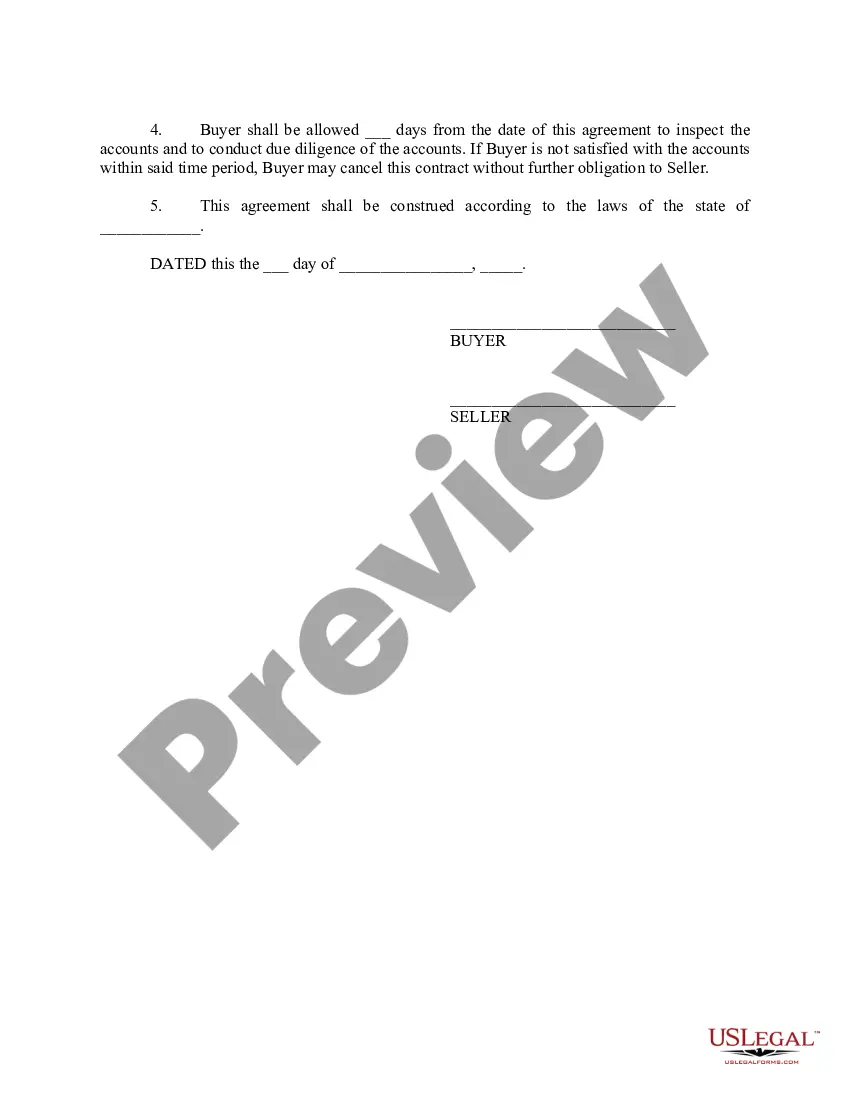

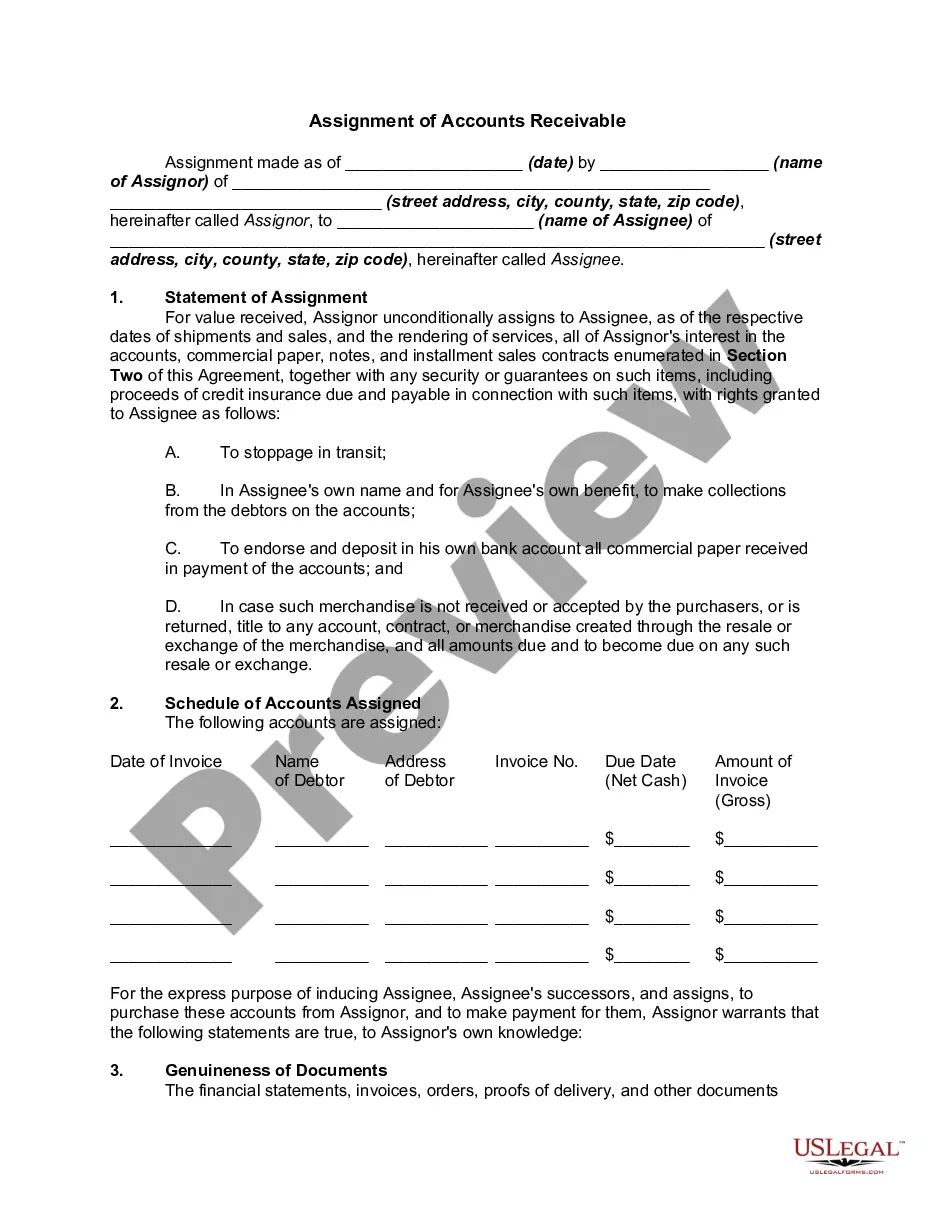
Get your form ready online
Our built-in tools help you complete, sign, share, and store your documents in one place.
Make edits, fill in missing information, and update formatting in US Legal Forms—just like you would in MS Word.
Download a copy, print it, send it by email, or mail it via USPS—whatever works best for your next step.
Sign and collect signatures with our SignNow integration. Send to multiple recipients, set reminders, and more. Go Premium to unlock E-Sign.
If this form requires notarization, complete it online through a secure video call—no need to meet a notary in person or wait for an appointment.
We protect your documents and personal data by following strict security and privacy standards.

Make edits, fill in missing information, and update formatting in US Legal Forms—just like you would in MS Word.

Download a copy, print it, send it by email, or mail it via USPS—whatever works best for your next step.

Sign and collect signatures with our SignNow integration. Send to multiple recipients, set reminders, and more. Go Premium to unlock E-Sign.

If this form requires notarization, complete it online through a secure video call—no need to meet a notary in person or wait for an appointment.

We protect your documents and personal data by following strict security and privacy standards.
Looking for another form?
Form popularity
FAQ
To calculate your A/R Sales ratio, divide your net accounts receivable by your net sales. A lower ratio means a lower percentage of your sales are done on credit and you have low liquidity risk.
The 9 steps in the accounts receivable process A customer makes an order. You approve the customer for credit. You send the invoice. You manage collections. You investigate and address any existing disputes. You write off any uncollectible debt. You process the payment. You post the payment to the corresponding invoice(s)
The AR Turnover Ratio is calculated by dividing net sales by average account receivables. Net sales is calculated as sales on credit - sales returns - sales allowances.
The Accounts receivable turnover ratio is calculated by dividing net credit sales by the average accounts receivable. Net sales is everything left over after returns, sales on credit, and sales allowances are subtracted.
Definition and Explanation of the Debt-to-Sales Ratio To calculate the debt-to-sales ratio, you divide a company's total debt by its total sales. For example, if a company has total debt of $100,000 and total sales of $200,000, its debt-to-sales ratio would be 50%.
How to record accounts receivable in a journal entry? Identify the transaction. Determine the amount of the accounts receivable. Debit the Accounts Receivable account. Credit the Sales Revenue account. Post the journal entry to the general ledger.
Therefore, when a journal entry is made for an accounts receivable transaction, the value of the sale will be recorded as a credit to sales. The amount that is receivable will be recorded as a debit to the assets. These entries balance each other out.
