Joint Lease Vs Individual Lease In Suffolk
Description

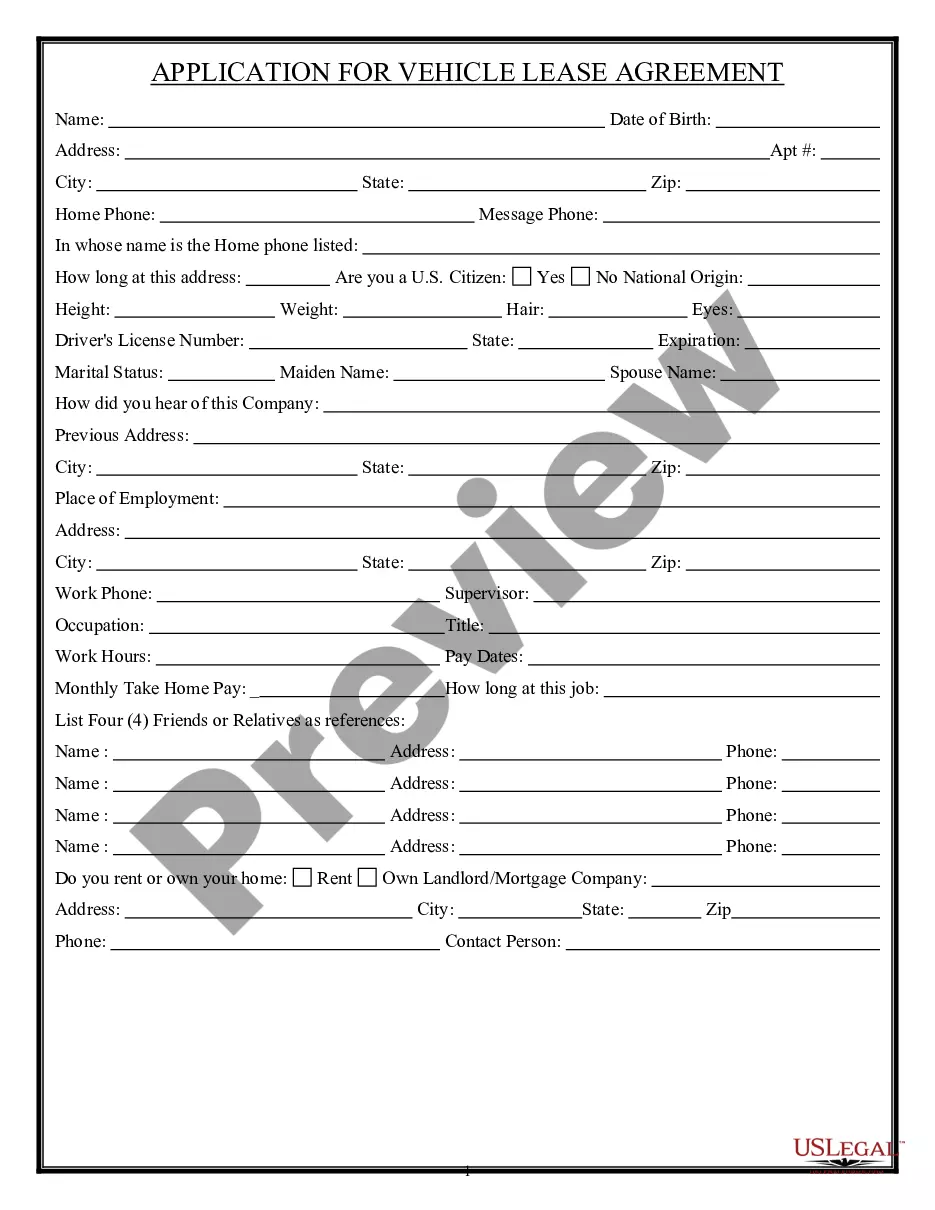
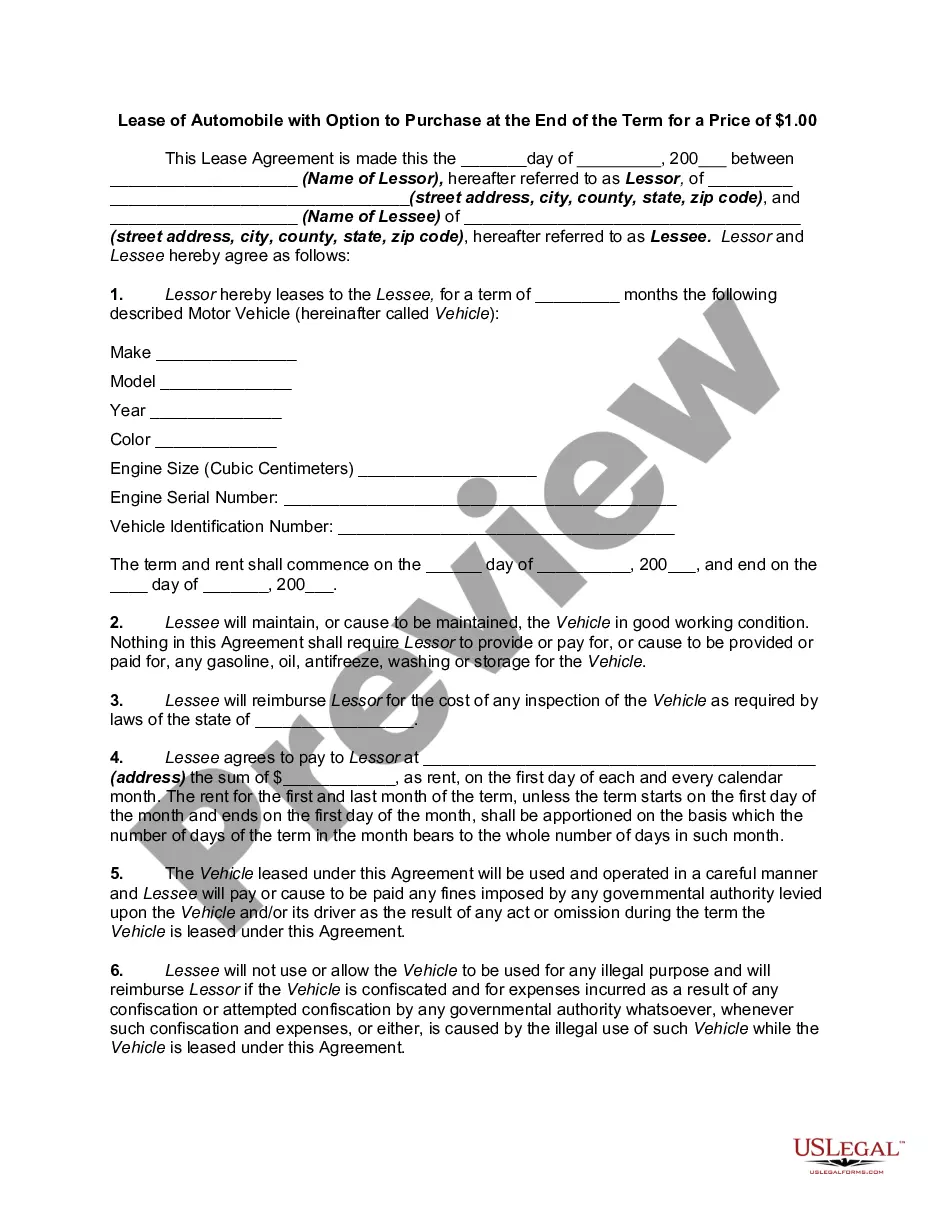
Get your form ready online
Our built-in tools help you complete, sign, share, and store your documents in one place.
Make edits, fill in missing information, and update formatting in US Legal Forms—just like you would in MS Word.
Download a copy, print it, send it by email, or mail it via USPS—whatever works best for your next step.
Sign and collect signatures with our SignNow integration. Send to multiple recipients, set reminders, and more. Go Premium to unlock E-Sign.
If this form requires notarization, complete it online through a secure video call—no need to meet a notary in person or wait for an appointment.
We protect your documents and personal data by following strict security and privacy standards.

Make edits, fill in missing information, and update formatting in US Legal Forms—just like you would in MS Word.

Download a copy, print it, send it by email, or mail it via USPS—whatever works best for your next step.

Sign and collect signatures with our SignNow integration. Send to multiple recipients, set reminders, and more. Go Premium to unlock E-Sign.

If this form requires notarization, complete it online through a secure video call—no need to meet a notary in person or wait for an appointment.

We protect your documents and personal data by following strict security and privacy standards.
Looking for another form?









Form popularity
FAQ
Key Commercial Lease Types Explained Gross Lease. Often found in office buildings and retail spaces, gross leases provide a simple, all-inclusive rental arrangement. Net Lease. In net leases, the tenant assumes a more significant share of responsibility for building expenses. Modified Gross Lease. Percentage Lease.
Fixed-Term or Long-Term Lease Agreement It's common for landlords to gravitate toward a fixed-term lease as it is guaranteed stable income for a longer time compared with short-term leases.
The proper real estate terminology depends on the state and local laws, but generally: Rental agreements are usually short-term or month-to-month. A standard lease is for more extended periods (six months or one year)
term lease is the most traditional lease. They're called fixed term because tenants and landlords are agreeing to abide by the lease for a fixed amount of time, normally six to 14 months.
The tenancy agreement should include: the deposit amount and how it will be protected. when the deposit can be fully or partly withheld, for example to repair damage caused by tenants. the property address. the start and end date of the tenancy. any tenant or landlord obligations. which bills your tenants are responsible for.
A gross lease, also known as a full-service lease, is the most common type of commercial lease agreement. In this type of lease, the lessee is responsible for paying the base rent and the lessor generally handles any other building expenses, such as utilities, maintenance costs, taxes, and insurance.
Technically, you can live in an apartment without being on the lease. But normally the lease specifies that only people listed in the lease may live in the apartment, so the person on the lease agreement may get in trouble because of an unauthorized tenant. Not all apartment buildings look at the credit reports.
What happens if one joint tenant moves out. The joint tenancy continues if no one takes any steps to end it. Your landlord cannot just take someone's name off the agreement. You're both still responsible for the rent and any arrears.
This means that you're each on the hook for all rent and all damages to the rental—it doesn't matter how you split the rent or who caused the damage. You are each independently liable to the landlord for all of the rent and for complying with all terms of the lease or rental agreement.
If you're looking for affordable housing and want to share responsibility with roommates, a joint lease might be the best option for you. If you want to live alone or don't want to share responsibility with roommates, an individual lease might be the way to go.
