Lease Agreement With Company In Harris
Description

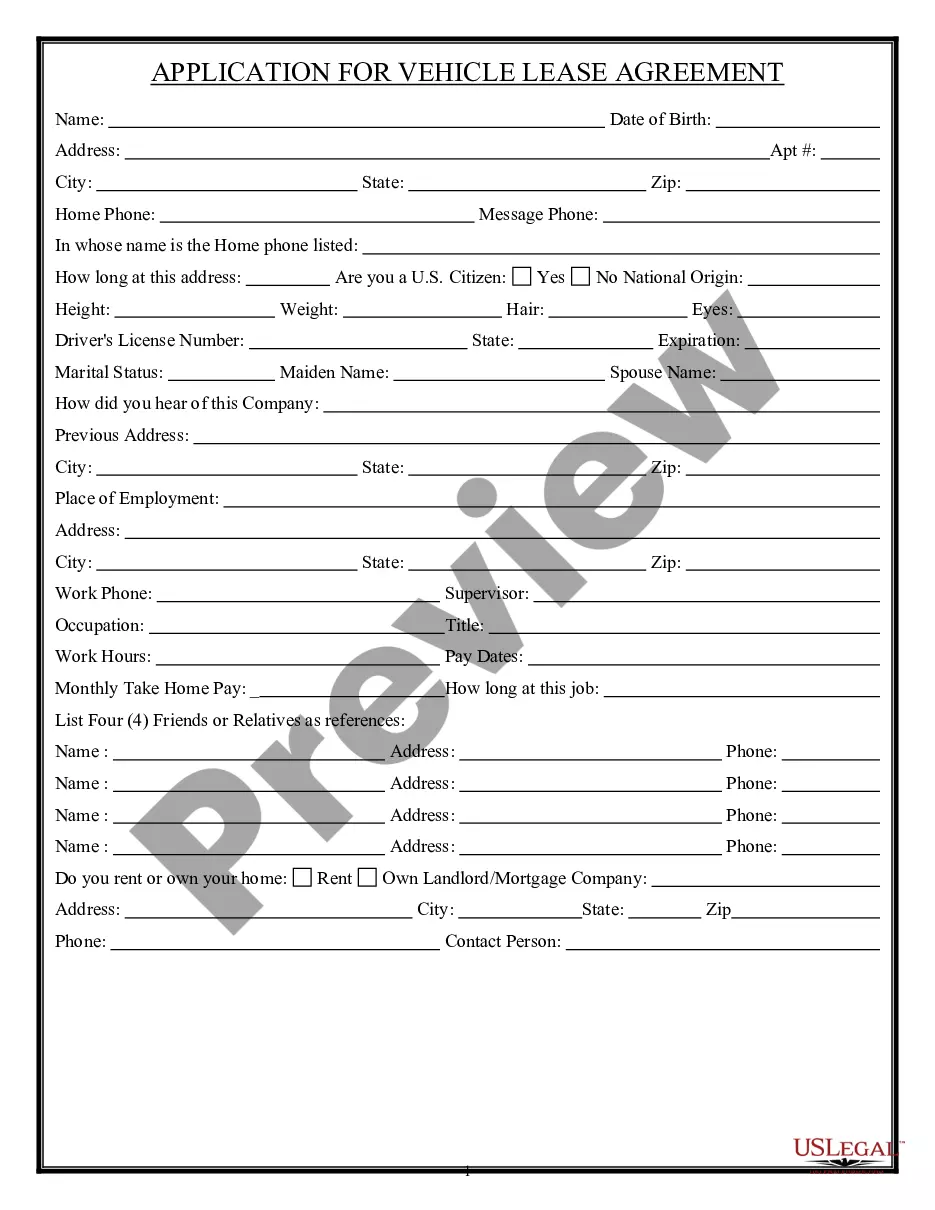
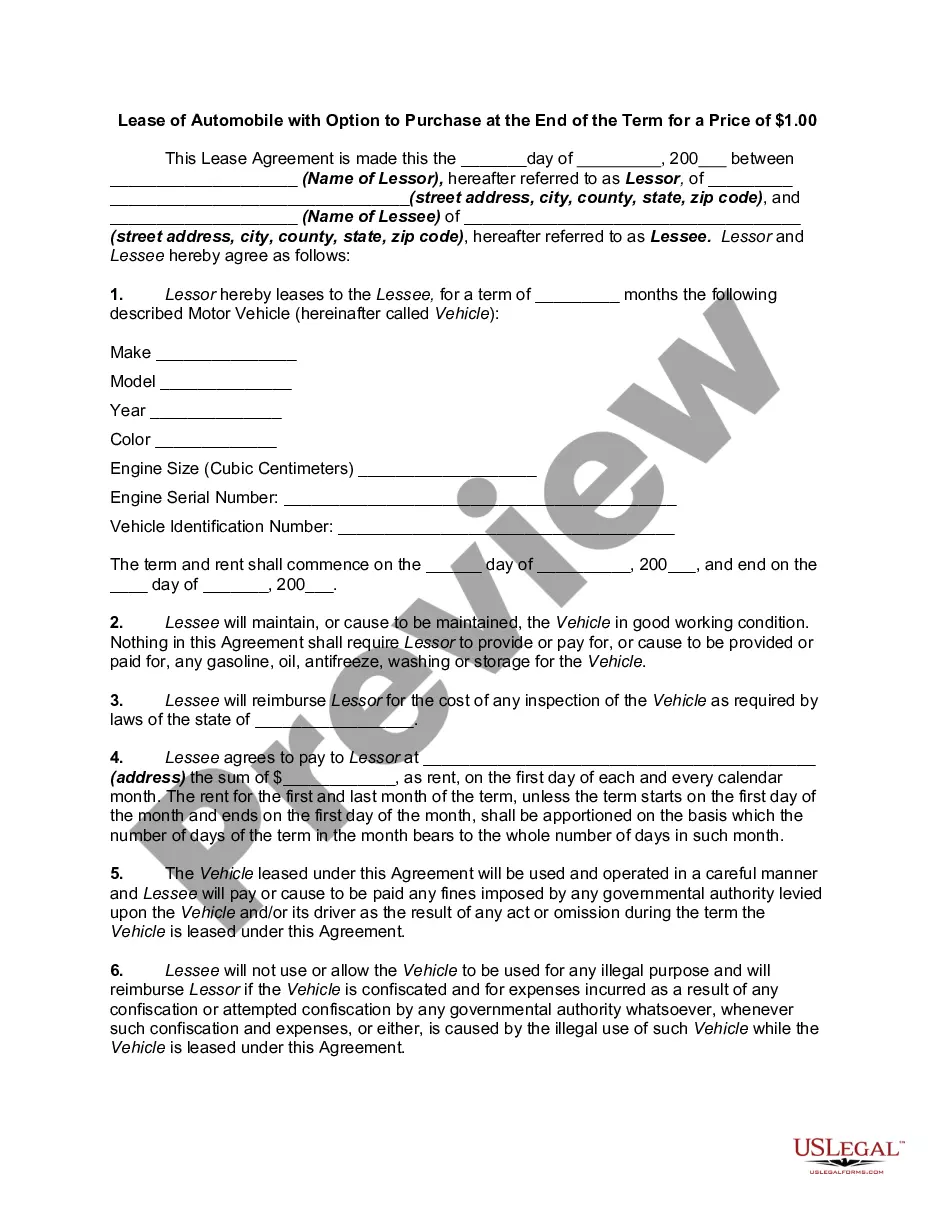
Get your form ready online
Our built-in tools help you complete, sign, share, and store your documents in one place.
Make edits, fill in missing information, and update formatting in US Legal Forms—just like you would in MS Word.
Download a copy, print it, send it by email, or mail it via USPS—whatever works best for your next step.
Sign and collect signatures with our SignNow integration. Send to multiple recipients, set reminders, and more. Go Premium to unlock E-Sign.
If this form requires notarization, complete it online through a secure video call—no need to meet a notary in person or wait for an appointment.
We protect your documents and personal data by following strict security and privacy standards.

Make edits, fill in missing information, and update formatting in US Legal Forms—just like you would in MS Word.

Download a copy, print it, send it by email, or mail it via USPS—whatever works best for your next step.

Sign and collect signatures with our SignNow integration. Send to multiple recipients, set reminders, and more. Go Premium to unlock E-Sign.

If this form requires notarization, complete it online through a secure video call—no need to meet a notary in person or wait for an appointment.

We protect your documents and personal data by following strict security and privacy standards.
Looking for another form?

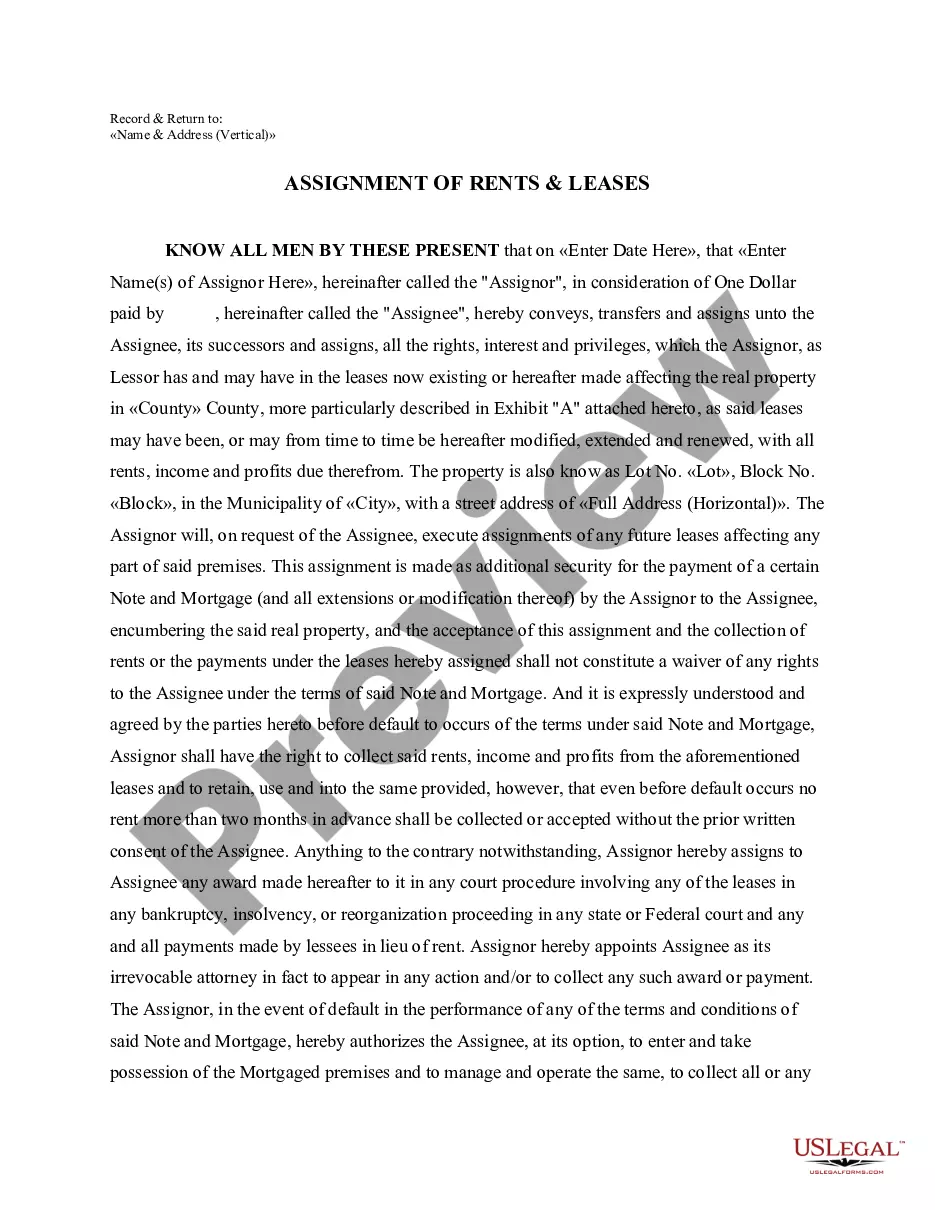






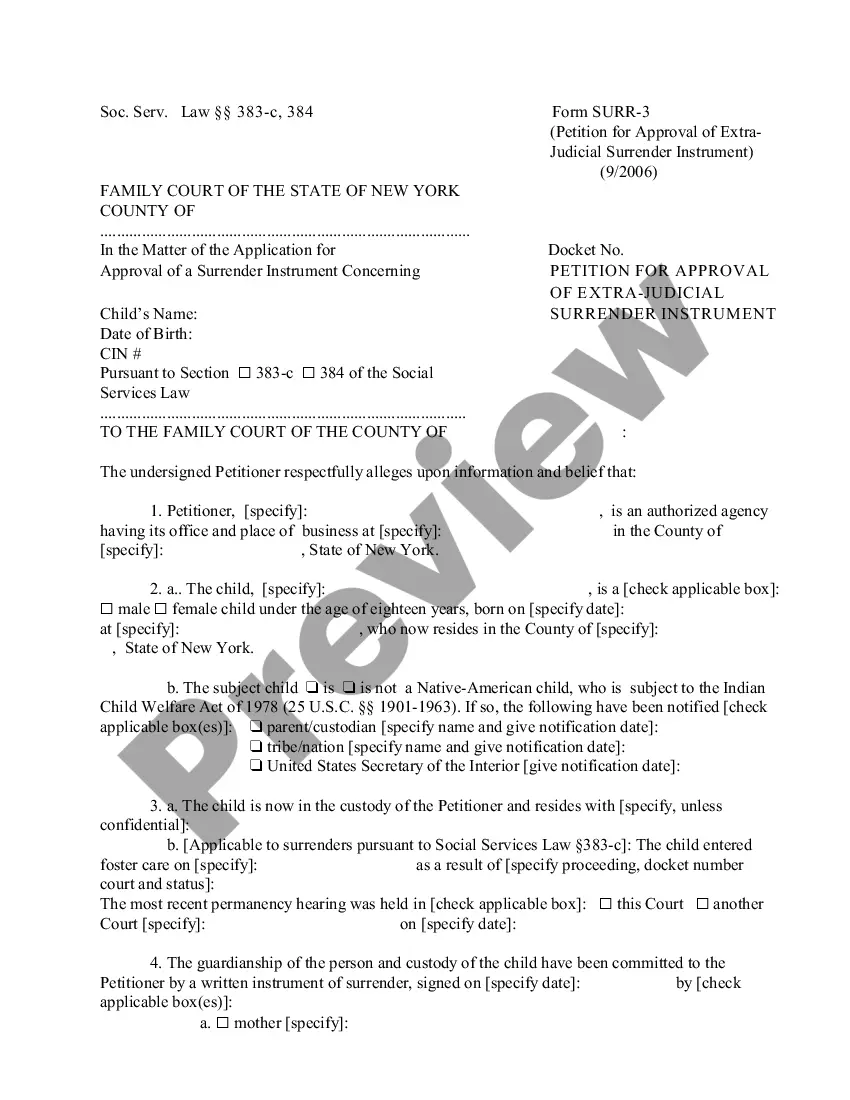
Form popularity
FAQ
Gross leases are most common for commercial properties such as offices and retail space. The tenant pays a single, flat amount that includes rent, taxes, utilities, and insurance.
1. Gross Lease. Gross leases are most common for commercial properties such as offices and retail space. The tenant pays a single, flat amount that includes rent, taxes, utilities, and insurance.
Key Commercial Lease Types Explained Gross Lease. Often found in office buildings and retail spaces, gross leases provide a simple, all-inclusive rental arrangement. Net Lease. In net leases, the tenant assumes a more significant share of responsibility for building expenses. Modified Gross Lease. Percentage Lease.
Corporate Lease means a Lease for one or more residential units under which one entity will rent all such units from Borrower and will have the right to sublease such units to individual subtenants.
Types of leasehold estates The first type is most common: Estate for years: An agreement that permits occupancy between two specified dates, at the end of which the property must be vacated. Estate from period to period: A monthly tenancy that has no specified end date.
NNN Lease: NNN leases often attract well-established, national tenants with strong credit profiles. These tenants are typically financially stable and less likely to default on lease obligations. NN Lease: NN leases may attract tenants with a varying degree of financial strength.
Per V.T.C.A., Property Code § 11.001, the deed must be filed at the County Clerk's Office.
The landlord and tenant must be present at the Sub-Registrar's office to execute the agreement. They must sign at the bottom of each page of the stamp paper on which the agreement is printed in the presence of the Registrar.
Harris County Clerk Real Property Department Harris County Civil Courthouse. 201 Caroline, Suite 320. (713) 274-8680.
