Accounts Form Statement For Divorce In Dallas
Description



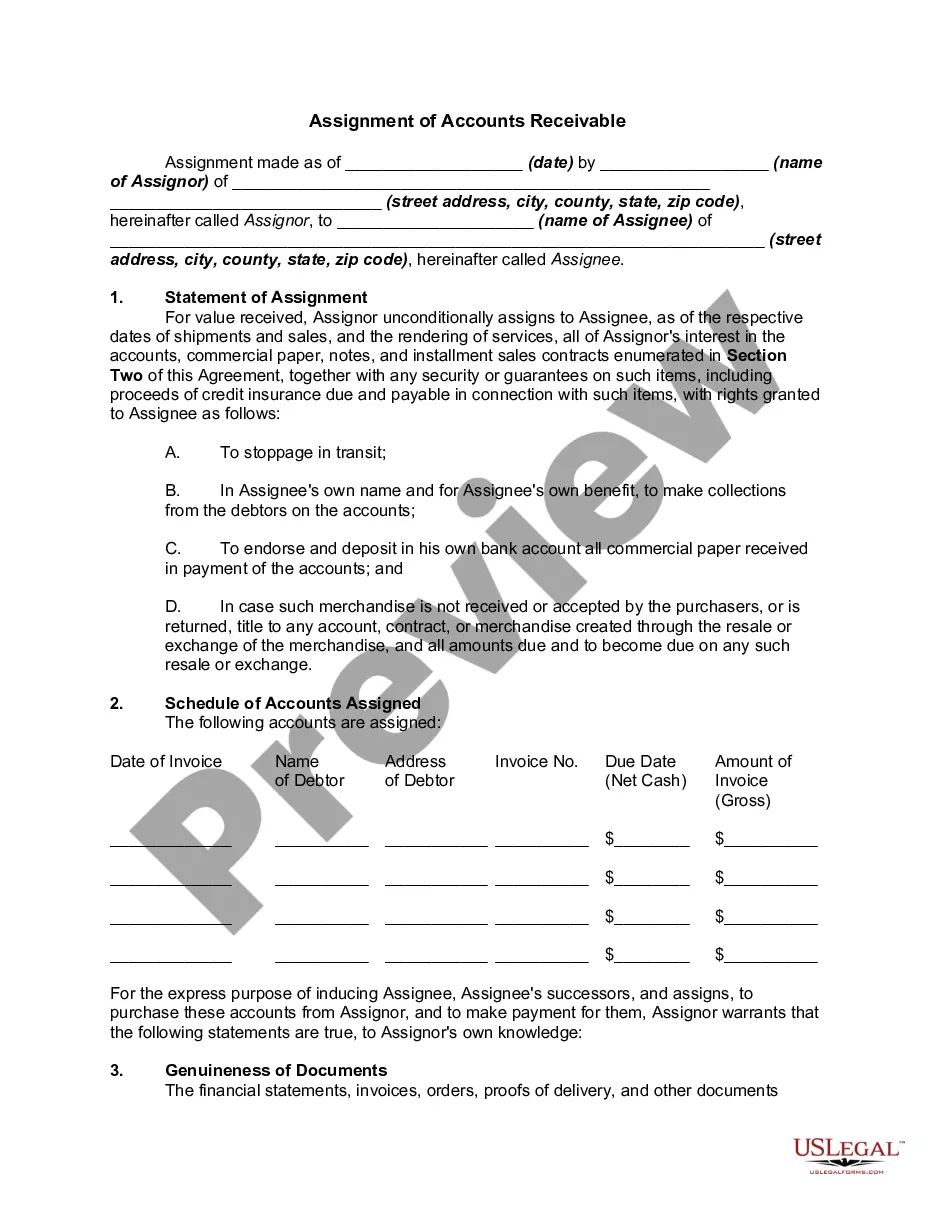
Get your form ready online
Our built-in tools help you complete, sign, share, and store your documents in one place.
Make edits, fill in missing information, and update formatting in US Legal Forms—just like you would in MS Word.
Download a copy, print it, send it by email, or mail it via USPS—whatever works best for your next step.
Sign and collect signatures with our SignNow integration. Send to multiple recipients, set reminders, and more. Go Premium to unlock E-Sign.
If this form requires notarization, complete it online through a secure video call—no need to meet a notary in person or wait for an appointment.
We protect your documents and personal data by following strict security and privacy standards.

Make edits, fill in missing information, and update formatting in US Legal Forms—just like you would in MS Word.

Download a copy, print it, send it by email, or mail it via USPS—whatever works best for your next step.

Sign and collect signatures with our SignNow integration. Send to multiple recipients, set reminders, and more. Go Premium to unlock E-Sign.

If this form requires notarization, complete it online through a secure video call—no need to meet a notary in person or wait for an appointment.

We protect your documents and personal data by following strict security and privacy standards.
Looking for another form?









Form popularity
FAQ
60-day waiting period: The Texas Family Code re- quires that your petition be on file 60 days before your divorce can be finalized. Dismissal for Want of Prosecution (DWOP): The court has the power to rid its docket of cases that are not being pursued.
Uncontested divorces are where there are no disagreements between the spouses about what they want to happen. They can be something you can do without the help of a lawyer. The links below will help you learn about what it means to be "pro se," or representing yourself, and what to expect in the divorce process.
If your spouse won't sign divorce papers in Texas, the divorce can still proceed. A spouse's refusal to sign doesn't prevent the divorce from happening. You can file for a default judgment if they ignore the petition, allowing the judge to make decisions on divorce terms without their input.
Steps for Securing an Uncontested Divorce in Texas Without a Lawyer Step 1: Meet the Texas Residency Requirements. Step 2: File Your Original Petition for Divorce. Step 3: Have Your Spouse Waive Service or File an Answer. Step 4: Complete the Final Decree of Divorce Form. Step 5: Wait 60 Days. Step 6: Go to Court.
Initial Financial Disclosures in Divorces The material that must be exchanged includes all information regarding deeds and liens on any property that they own and lease information for property that they rent, as well as statements for any retirement or pension plans, profit-sharing plans, and employee benefit plans.
In a pro se divorce, you can download Texas divorce forms online or get them from the District Clerk's office, complete them on your own, and have an attorney review them before filing them.
If you and your ex-spouse agree on all issues, then your divorce will move along quickly. However, typically even uncontested divorces take three to six months to finalize.
A petitioner can file for divorce in Dallas County either with the clerk's office or online. The clerk will take your petition and provide you with the stamped copies – one to keep and one to serve on your spouse. During the filing, the petitioner has to cover the filing fees which are approximately $300-350.
Initial disclosures must be sent to the opposing party within 30 days of the respondent filing an answer or a waiver of service. These disclosures must be in writing and should be served in the manner prescribed by the Texas Rules of Civil Procedure.
