Legalzoom Trademark In Wayne
Description

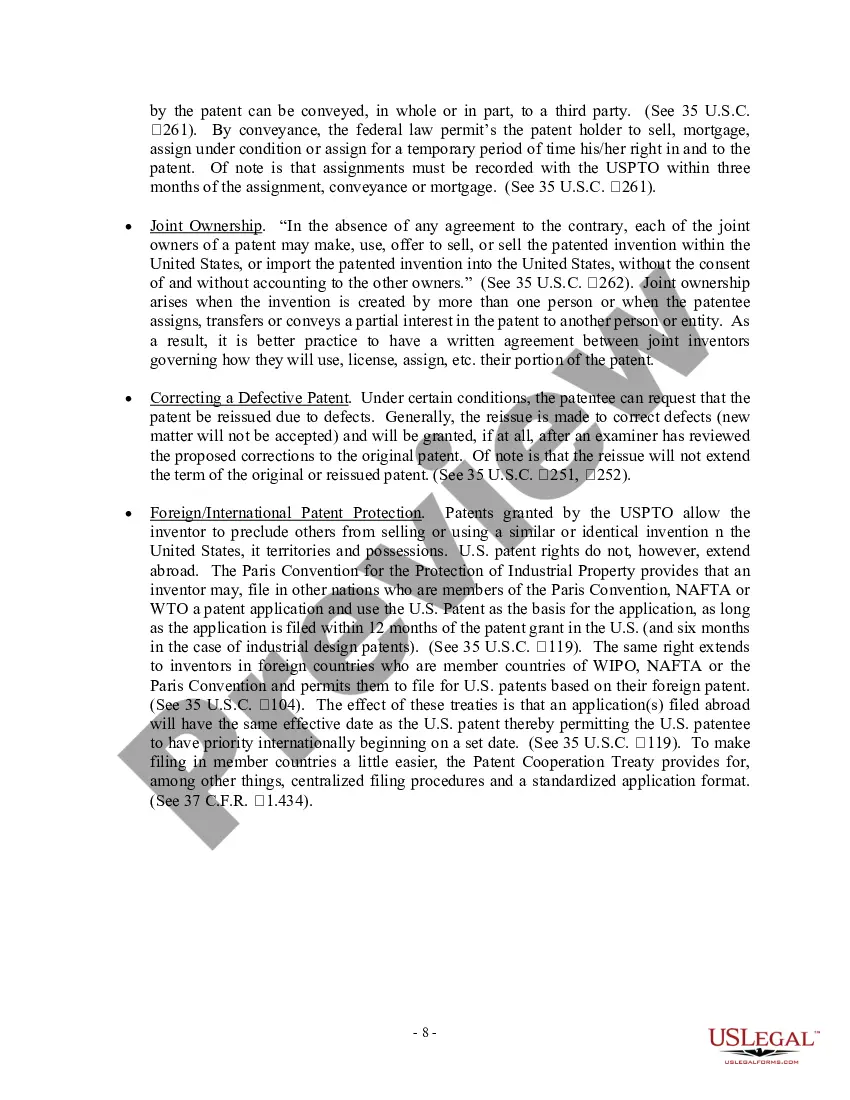



Get your form ready online
Our built-in tools help you complete, sign, share, and store your documents in one place.
Make edits, fill in missing information, and update formatting in US Legal Forms—just like you would in MS Word.
Download a copy, print it, send it by email, or mail it via USPS—whatever works best for your next step.
Sign and collect signatures with our SignNow integration. Send to multiple recipients, set reminders, and more. Go Premium to unlock E-Sign.
If this form requires notarization, complete it online through a secure video call—no need to meet a notary in person or wait for an appointment.
We protect your documents and personal data by following strict security and privacy standards.

Make edits, fill in missing information, and update formatting in US Legal Forms—just like you would in MS Word.

Download a copy, print it, send it by email, or mail it via USPS—whatever works best for your next step.

Sign and collect signatures with our SignNow integration. Send to multiple recipients, set reminders, and more. Go Premium to unlock E-Sign.

If this form requires notarization, complete it online through a secure video call—no need to meet a notary in person or wait for an appointment.

We protect your documents and personal data by following strict security and privacy standards.
Looking for another form?








Form popularity
FAQ
The cheapest way to get a trademark is to file a state trademark application, which is typically less expensive than a federal trademark application.
's trademark search will not protect you. The search that includes in its basic registration will only search the USPTO database for identical marks that have been registered — not any similar mark that the USPTO could (and will!) use to deny your application.
At the international level, you have two options: either you can file a trademark application with the trademark office of each country in which you are seeking protection, or you can use WIPO's Madrid System. What rights does trademark registration provide?
Similarly, in the US, foreign words that would otherwise be generic can quality for trademark registration. When a trademark is in a foreign language or dialect, courts as well as the United States Patent & Trademark Office apply the “doctrine of foreign equivalents.” Under this doctrine, the word is first translated.
There is No “Global Trademark” Although treaties have been entered making it easier for trademark owners to extend protection of their trademarks into other countries, the world's trademark systems remain largely separate and maintained on a country-by-country basis.
You can use someone else's trademark without permission if you are using it for informational purposes. This exception applies to situations where you are: Expressing an opinion.
You can file your completed application a few different ways: Online. The preferred method to file your trademark registration is through the USPTO Trademark Center.
You must identify at least one other country where you want to extend your trademark protection. The other country must be a member of the Madrid Protocol. You can file your international application online through the Trademark Electronic Application Service (TEAS) or through an online trademark service.
