Patent Trademark Law Without A License In Wake
Description





Get your form ready online
Our built-in tools help you complete, sign, share, and store your documents in one place.
Make edits, fill in missing information, and update formatting in US Legal Forms—just like you would in MS Word.
Download a copy, print it, send it by email, or mail it via USPS—whatever works best for your next step.
Sign and collect signatures with our SignNow integration. Send to multiple recipients, set reminders, and more. Go Premium to unlock E-Sign.
If this form requires notarization, complete it online through a secure video call—no need to meet a notary in person or wait for an appointment.
We protect your documents and personal data by following strict security and privacy standards.

Make edits, fill in missing information, and update formatting in US Legal Forms—just like you would in MS Word.

Download a copy, print it, send it by email, or mail it via USPS—whatever works best for your next step.

Sign and collect signatures with our SignNow integration. Send to multiple recipients, set reminders, and more. Go Premium to unlock E-Sign.

If this form requires notarization, complete it online through a secure video call—no need to meet a notary in person or wait for an appointment.

We protect your documents and personal data by following strict security and privacy standards.
Looking for another form?








Form popularity
FAQ
For most types of intellectual property law, the undergraduate degree does not have to have a special focus. The exception to that is patent law. If you want to become a patent lawyer, you should major in science, engineering, or physics. Other technology-related courses will also be helpful.
It's worth mentioning that you can become a patent agent without attending law school—which is someone who helps businesses navigate the patent process, but can't provide legal advice. However, you need to attend law school if you plan on becoming a patent lawyer.
Intellectual Property Lawyer requires a lot of concentration and dedication which might end up affecting the personal life of an individual. The field is highly competitive and it is difficult to stand out among so many aspirants. Also, at times, it becomes difficult to explain the laws and legal rights to the clients.
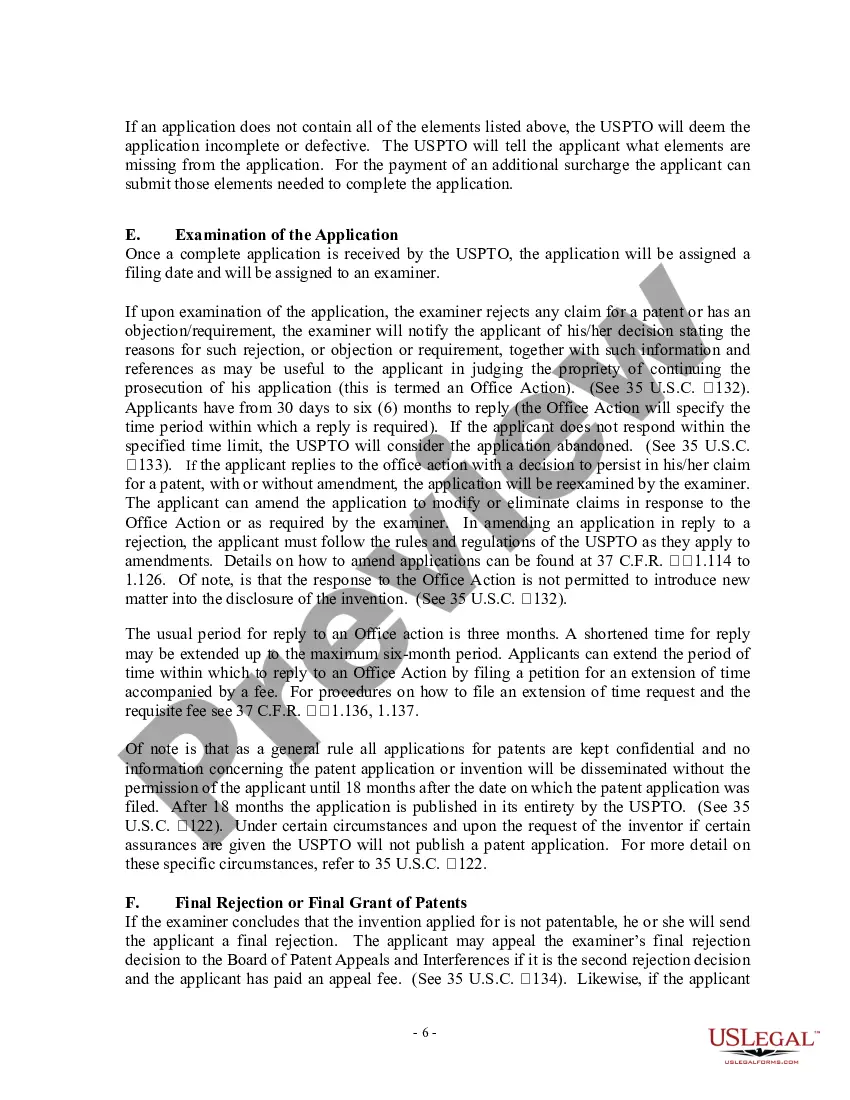
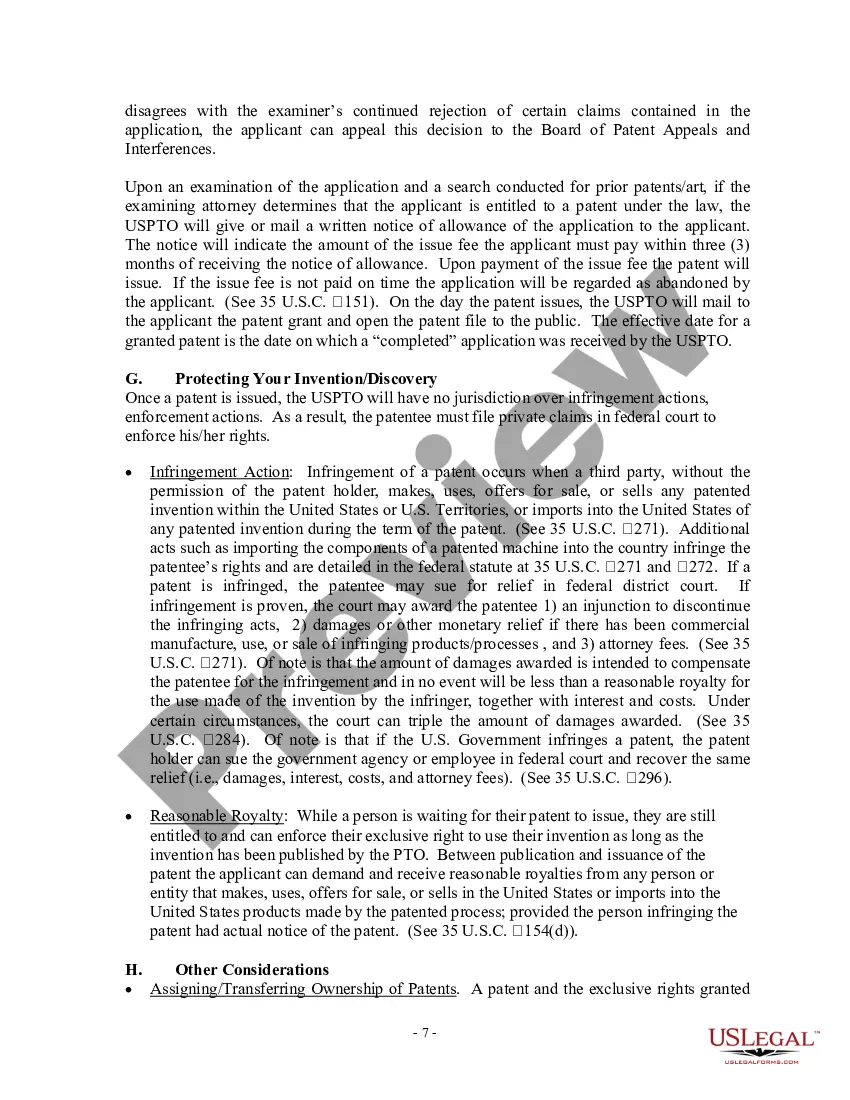
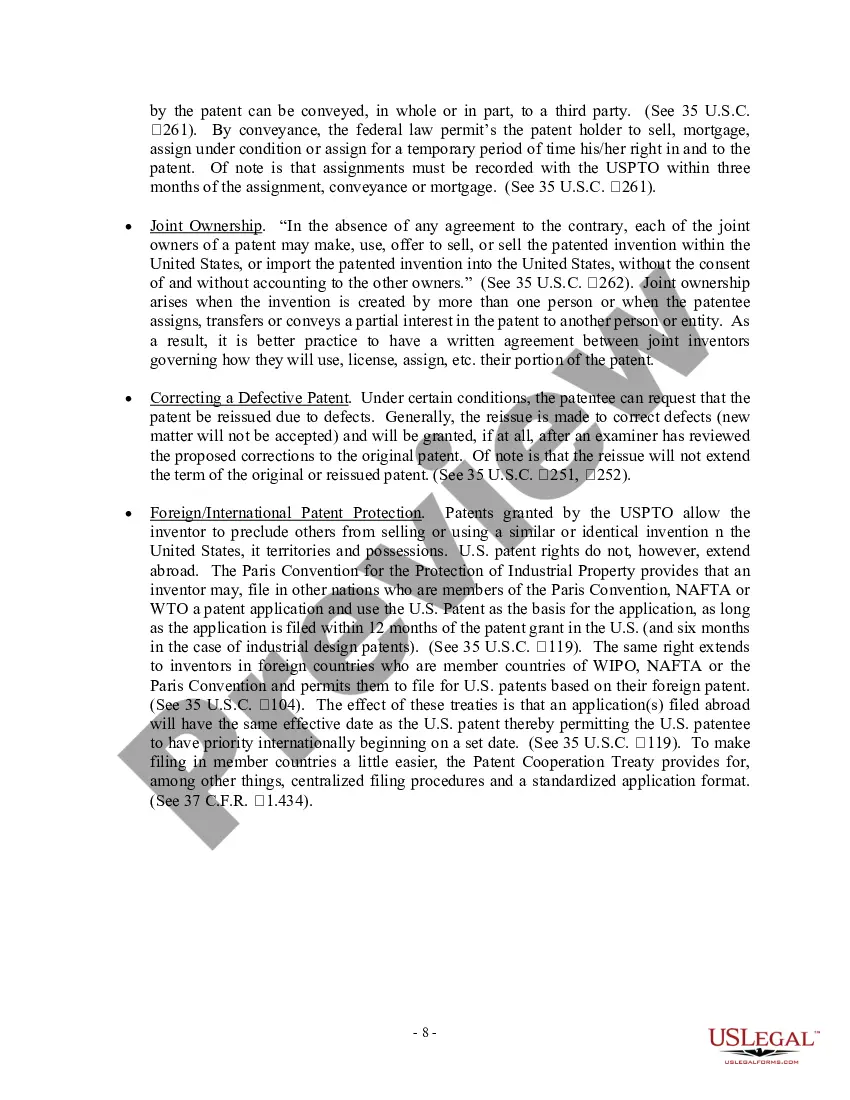
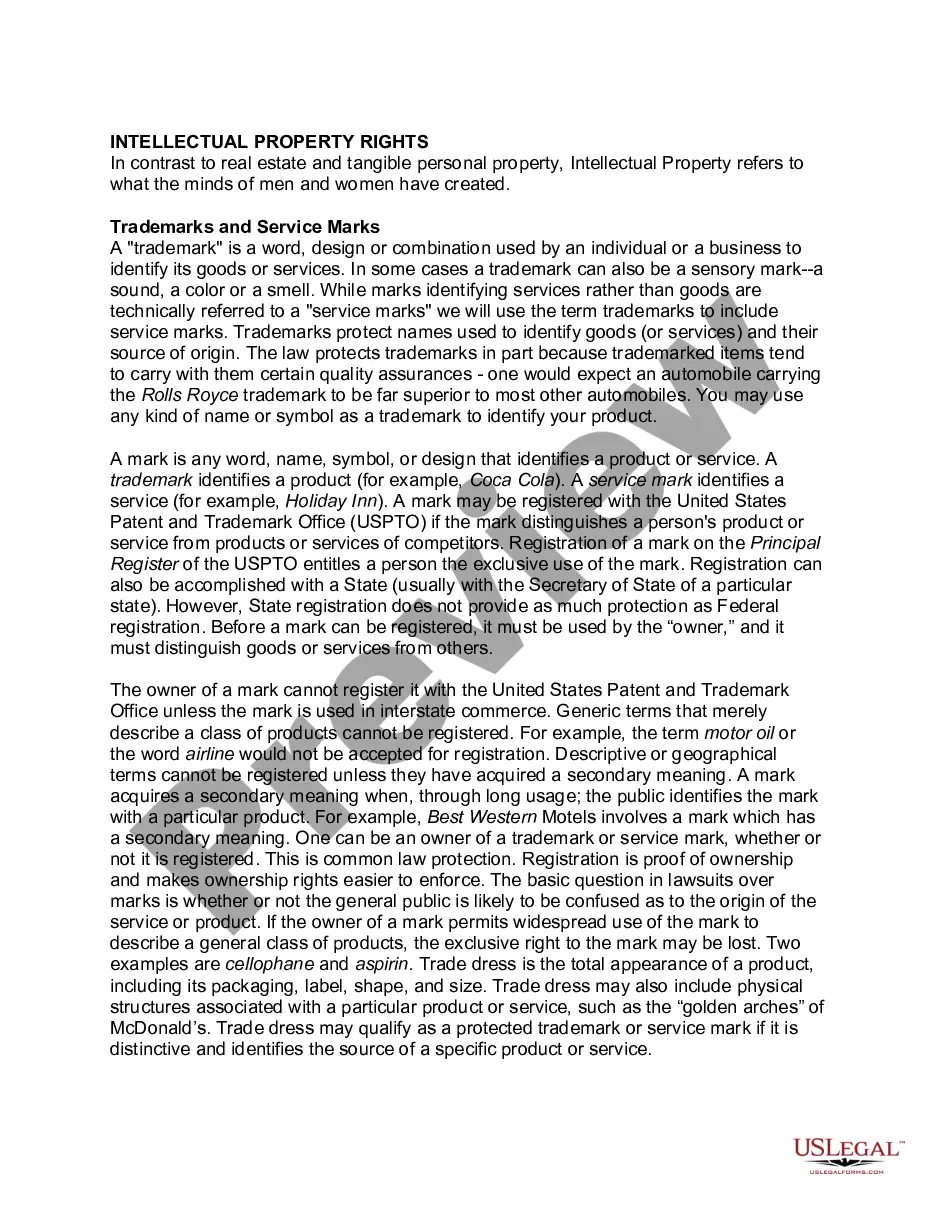
How you choose to protect your trademark is up to you. You are not required to register your trademark, but where or whether you decide to register your trademark can determine the scope of your rights. Specifically, you can rely on common law rights or file for state, federal, or international trademark registration.
