Patent Trademark Application With Priority Date In Phoenix
Description

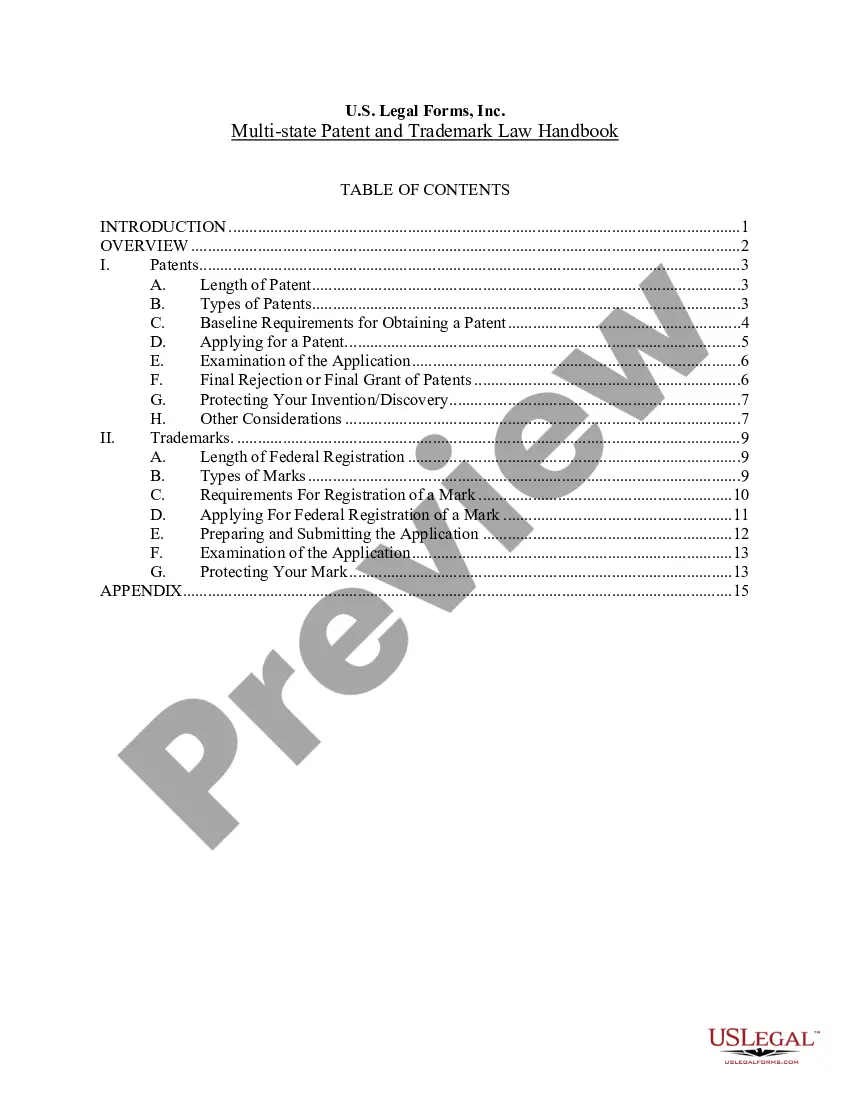
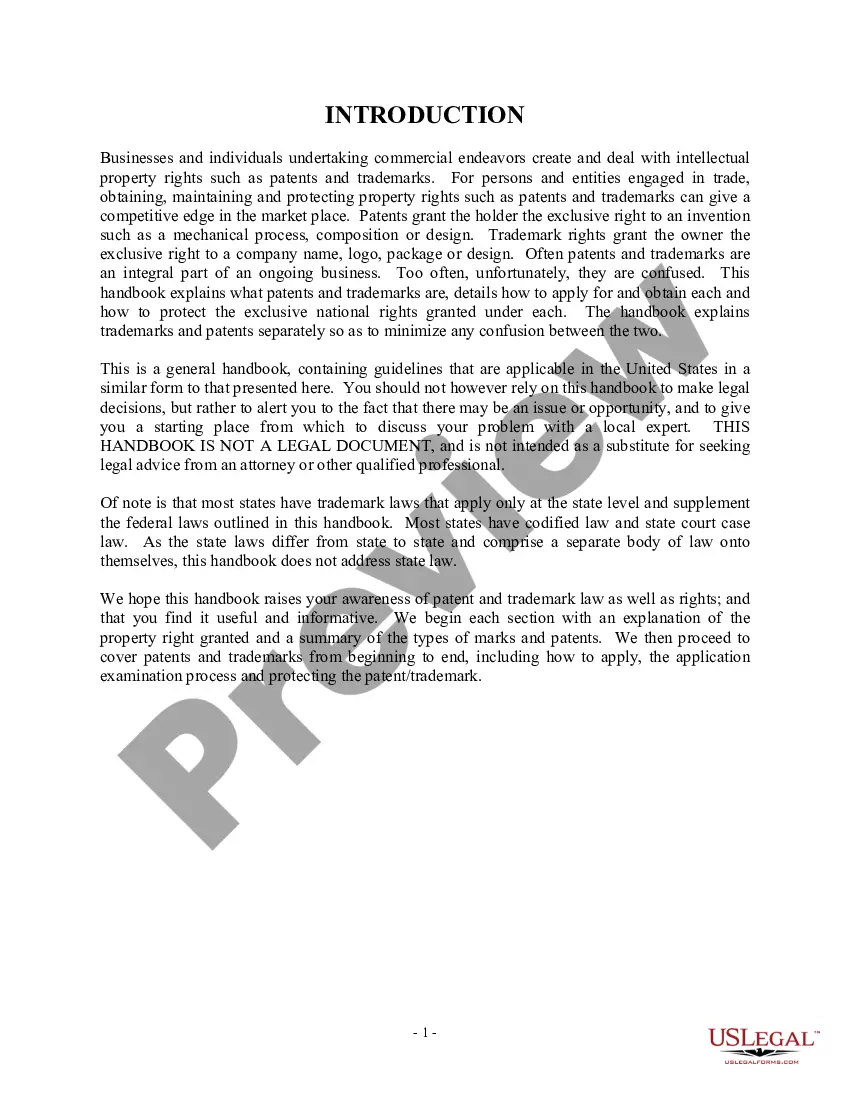
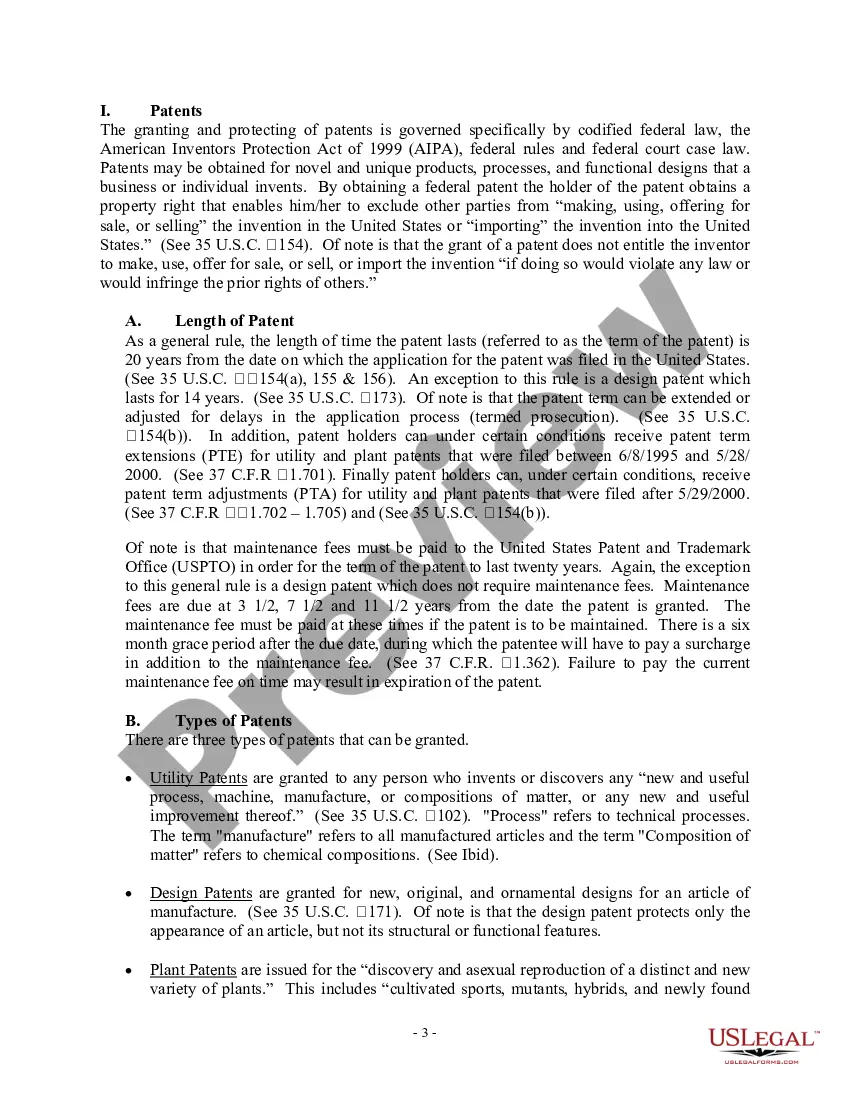
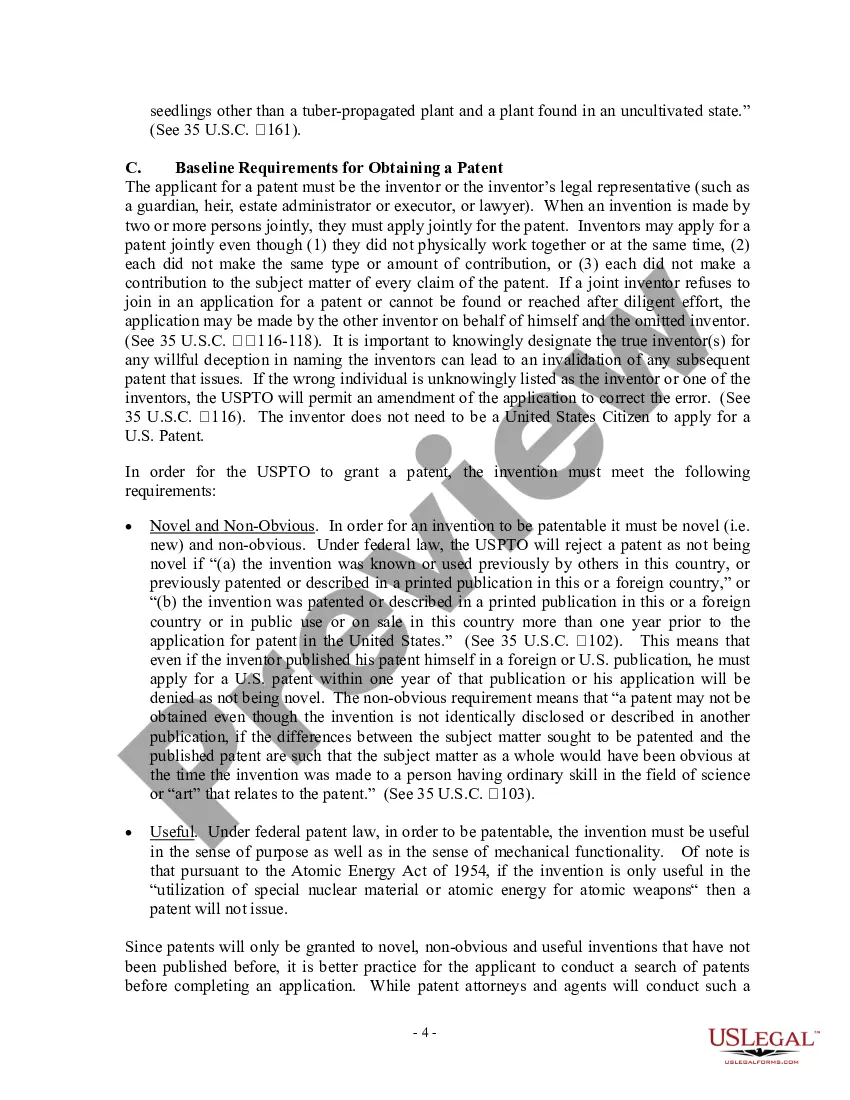
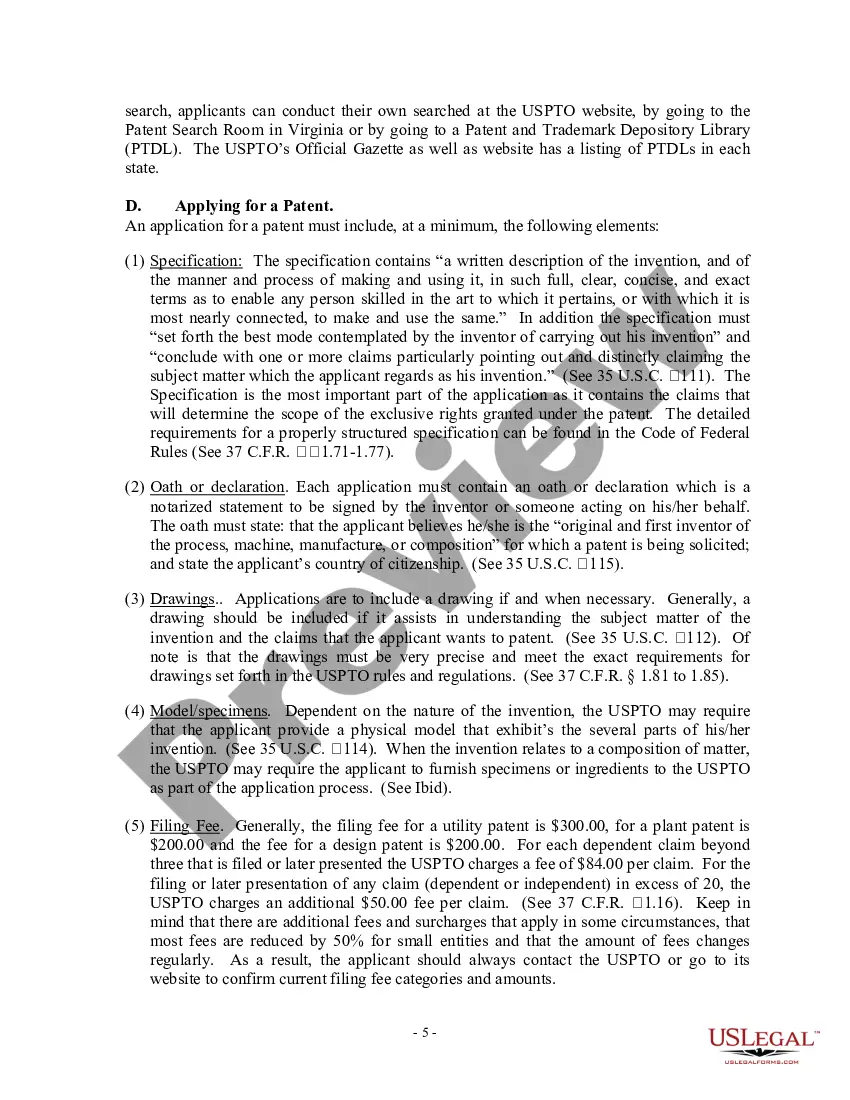
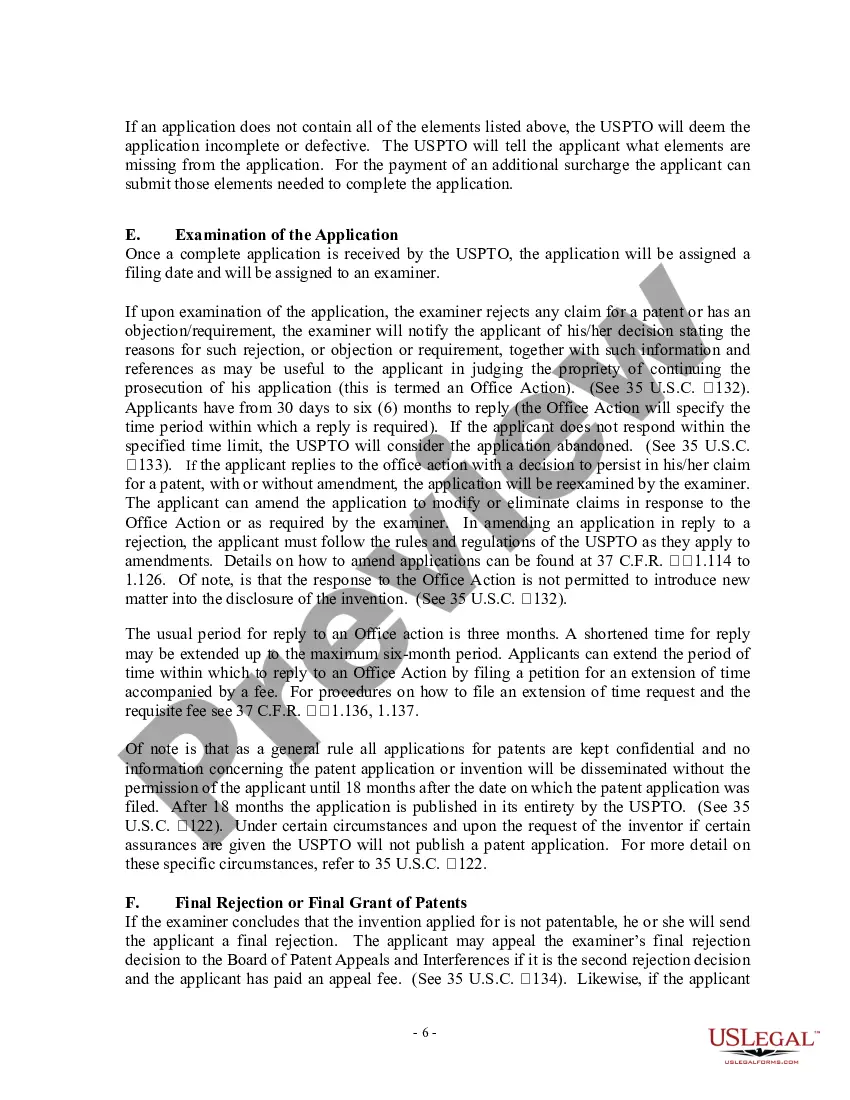
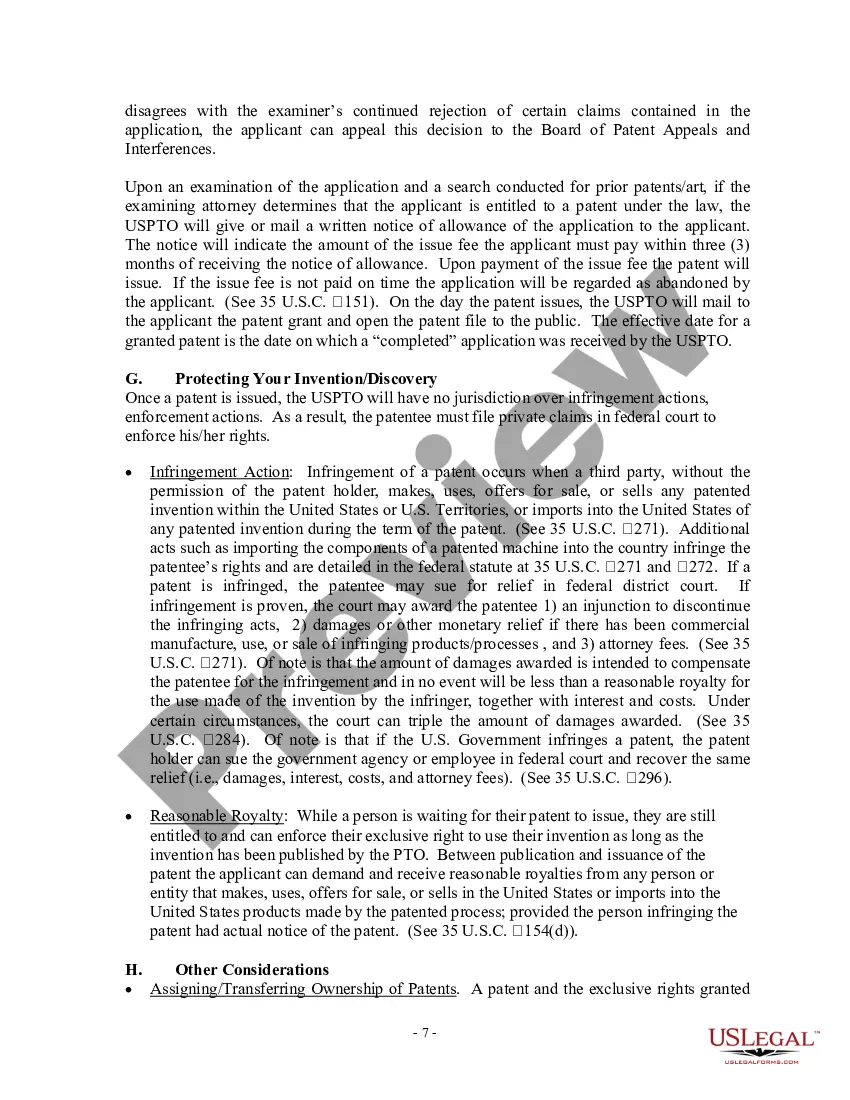



Get your form ready online
Our built-in tools help you complete, sign, share, and store your documents in one place.
Make edits, fill in missing information, and update formatting in US Legal Forms—just like you would in MS Word.
Download a copy, print it, send it by email, or mail it via USPS—whatever works best for your next step.
Sign and collect signatures with our SignNow integration. Send to multiple recipients, set reminders, and more. Go Premium to unlock E-Sign.
If this form requires notarization, complete it online through a secure video call—no need to meet a notary in person or wait for an appointment.
We protect your documents and personal data by following strict security and privacy standards.

Make edits, fill in missing information, and update formatting in US Legal Forms—just like you would in MS Word.

Download a copy, print it, send it by email, or mail it via USPS—whatever works best for your next step.

Sign and collect signatures with our SignNow integration. Send to multiple recipients, set reminders, and more. Go Premium to unlock E-Sign.

If this form requires notarization, complete it online through a secure video call—no need to meet a notary in person or wait for an appointment.

We protect your documents and personal data by following strict security and privacy standards.
Looking for another form?








Form popularity
FAQ
A priority date is the date that USCIS considers an individual to have officially declared their intent to apply for permanent residency. Priority dates determine one's place in line for a green card, and can be found on either the I-130 or I-140 receipt notice.
The priority date for a trademark is established when the application is filed and remains fixed. It does not expire or change unless the application is abandoned or withdrawn. The priority date serves as a permanent reference point for determining the order of rights and protecting the trademark.
A priority claim is a helpful, and often critical, way to link a later-filed patent application to an earlier-filed patent application. Known as a priority application, the earlier-filed application must generally have common subject matter and common inventorship in order for a priority claim to be made.
What is claiming priority? Claiming priority back-dates your protection, whether you have a registered design, a patent or a trade mark. Claiming priority from your first application for something means you don't have to file for protection in multiple places at the outset, with all the fees that would entail.
A trademark priority date is the earliest a trademark can be registered with the US Trademark Office (USPTO). This date is usually the date of first use or first filing. A trademark registration date is an actual day on which the mark is officially registered with the USPTO.
The priority date is the date when the petition for an immigrant visa or adjustment of status is filed with the USCIS. It serves as a person's place in line for visa availability.
The principle that superiority is fixed by the date of valid publication is known as Principle of Priority.
The priority date of a patent is the earliest filing date within a family of patent applications. In case of a single patent application, the priority date would be the filing date of the application.
What is claiming priority? Claiming priority back-dates your protection, whether you have a registered design, a patent or a trade mark. Claiming priority from your first application for something means you don't have to file for protection in multiple places at the outset, with all the fees that would entail.
