Patent Trademark Application Form 2023 In North Carolina
Description

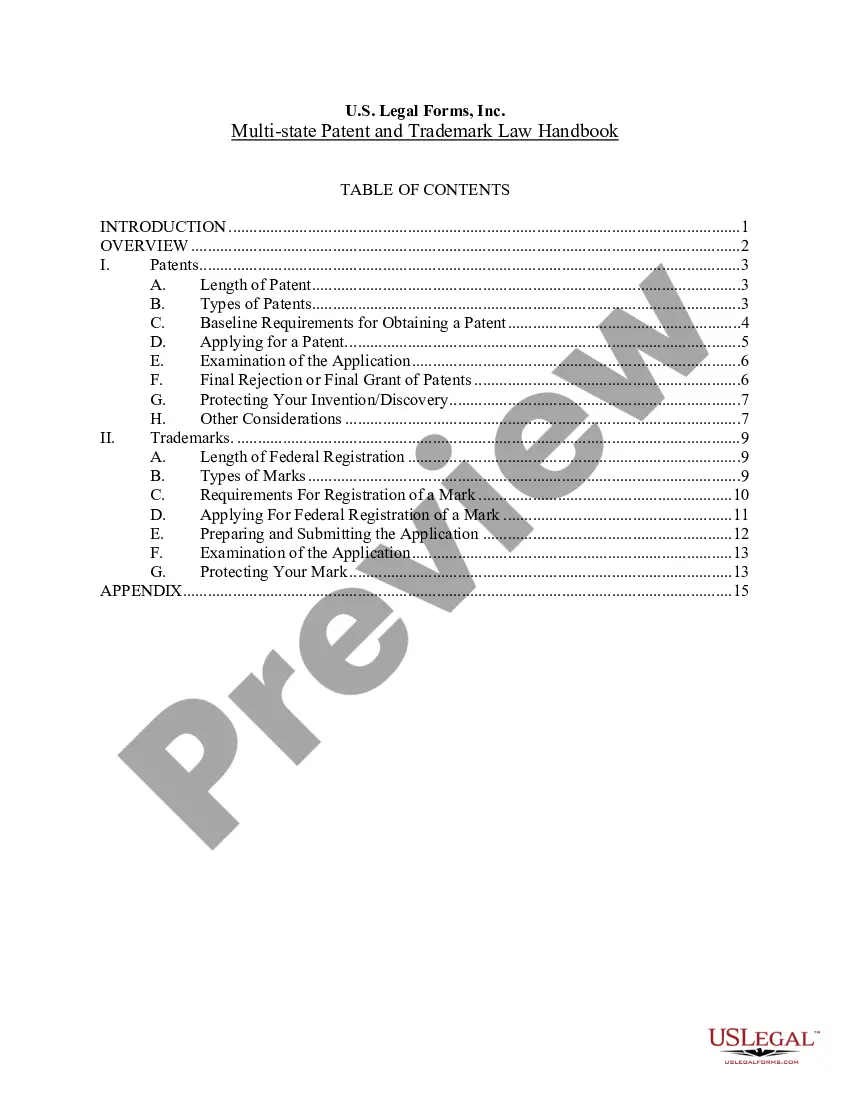
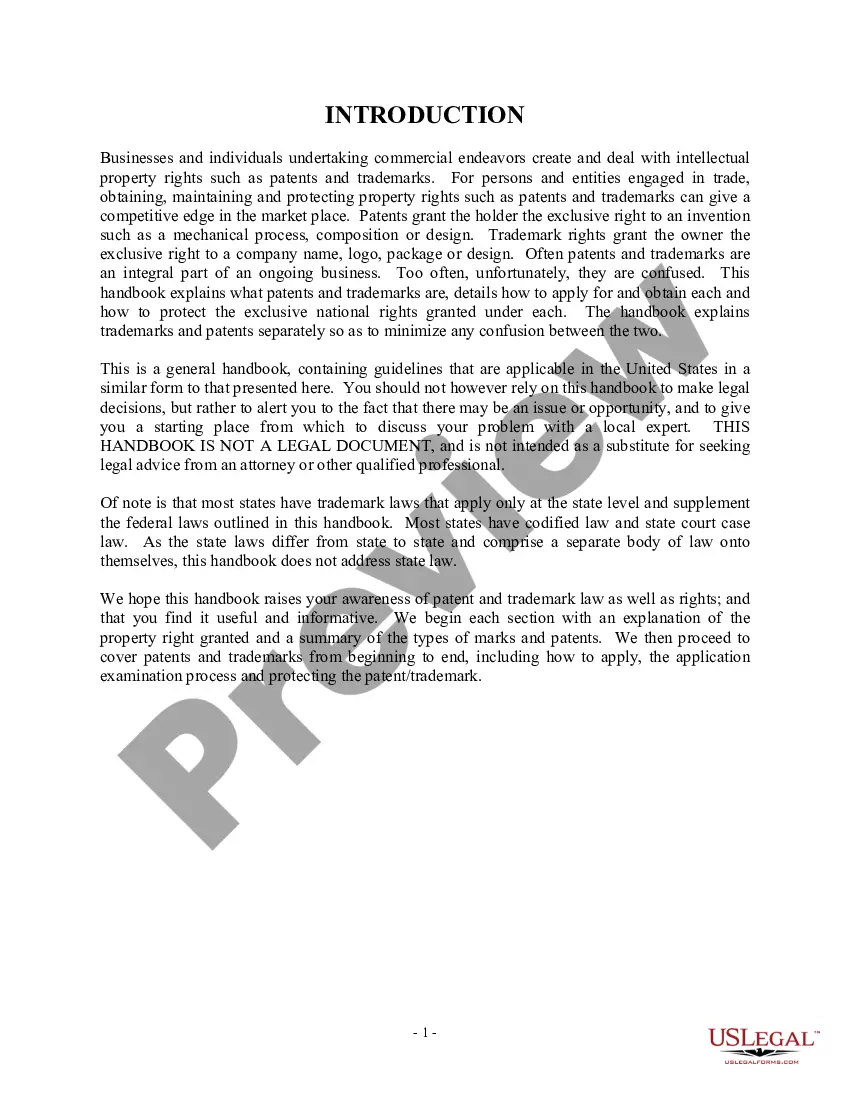
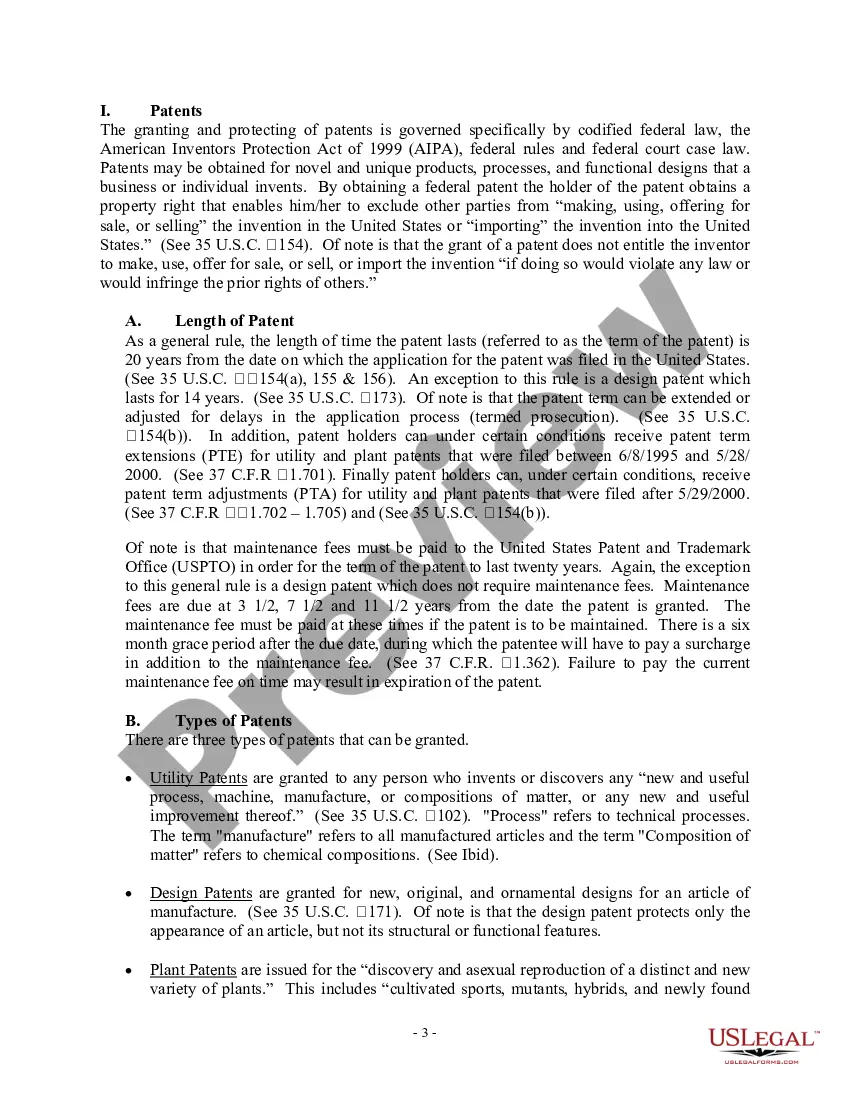



Get your form ready online
Our built-in tools help you complete, sign, share, and store your documents in one place.
Make edits, fill in missing information, and update formatting in US Legal Forms—just like you would in MS Word.
Download a copy, print it, send it by email, or mail it via USPS—whatever works best for your next step.
Sign and collect signatures with our SignNow integration. Send to multiple recipients, set reminders, and more. Go Premium to unlock E-Sign.
If this form requires notarization, complete it online through a secure video call—no need to meet a notary in person or wait for an appointment.
We protect your documents and personal data by following strict security and privacy standards.

Make edits, fill in missing information, and update formatting in US Legal Forms—just like you would in MS Word.

Download a copy, print it, send it by email, or mail it via USPS—whatever works best for your next step.

Sign and collect signatures with our SignNow integration. Send to multiple recipients, set reminders, and more. Go Premium to unlock E-Sign.

If this form requires notarization, complete it online through a secure video call—no need to meet a notary in person or wait for an appointment.

We protect your documents and personal data by following strict security and privacy standards.
Looking for another form?


Form popularity
FAQ
2005) . Thus; use , in commerce , and likelihood of confusion are three distinct elements necessary to establish a trademark infringement claim.
So, getting your Federal trademark comes down to meeting the same four trademark requirements: No conflicts with other trademarks. Trademark distinctiveness. Use in commerce. The capability to be a source identifier.
There are three most common types of trademarks: word marks, design marks, and composite marks. Legal challenges for famous trademarks include dilution by blurring and tarnishment, piracy, and varying international laws.
What Are the Three Requirements for Trademarks? Fanciful. That means the item being trademarked is entirely invented and is not found in a dictionary. Arbitrary. This is a mark that does exist in the dictionary, but how the business uses it doesn't relate to the dictionary's definition. Suggestive.
With trademarks, the entire process can be completed online pretty easily, even if you do it yourself without hiring an attorney.
So, getting your Federal trademark comes down to meeting the same four trademark requirements: No conflicts with other trademarks. Trademark distinctiveness. Use in commerce. The capability to be a source identifier.
Likelihood of confusion is a common reason for refusal of a trademark application. The USPTO will review your application and compare your mark to any existing trademark applications or registered trademarks.
The TM symbol is used when an application for trademark is made with the trademark registry. The TM symbol is thus used to indicate the fact that a trademark application exists with respect to the trademark and serves as a warning for infringers and counter-fitters.
Usually, the process takes 12 to 18 months. Registering your trademark is a complex procedure that involves your application moving through various stages. Learning about each stage in the process will help you understand why getting a trademark takes as long as it does.
As of this writing, a California trademark filing costs $70.
