Patent For Paper Clip In North Carolina
Description

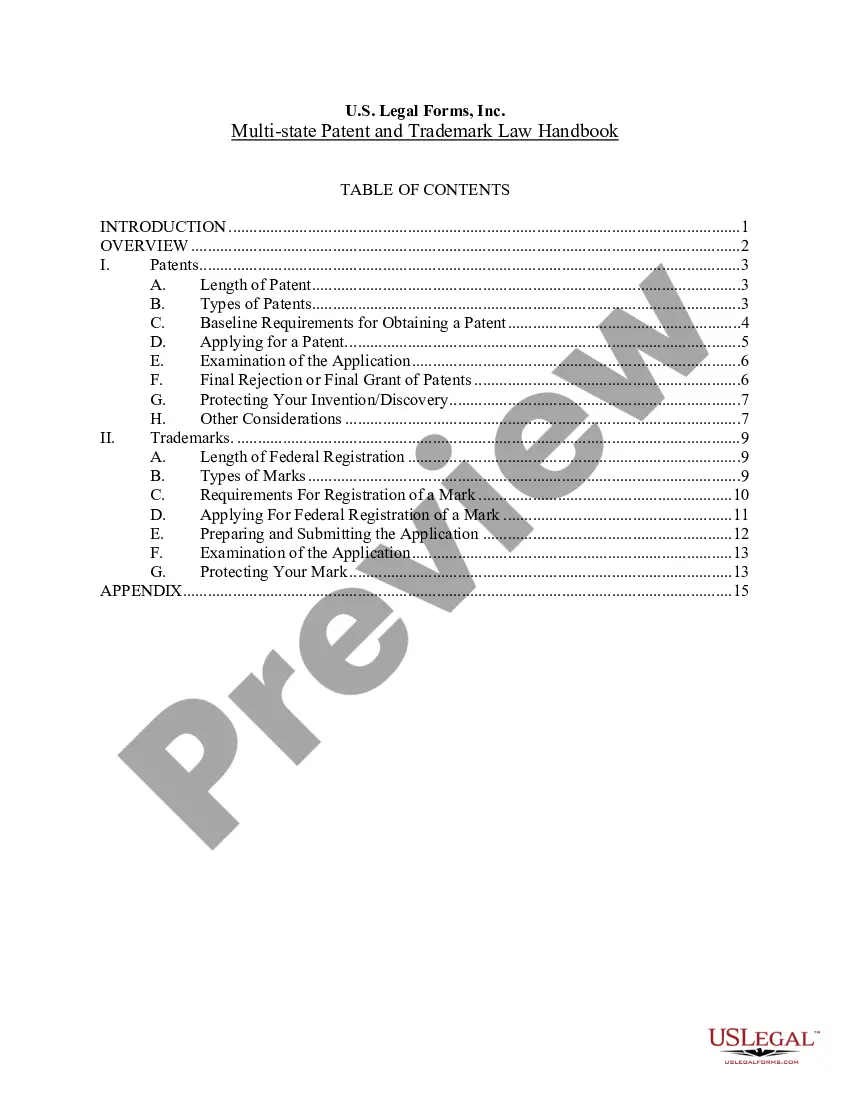
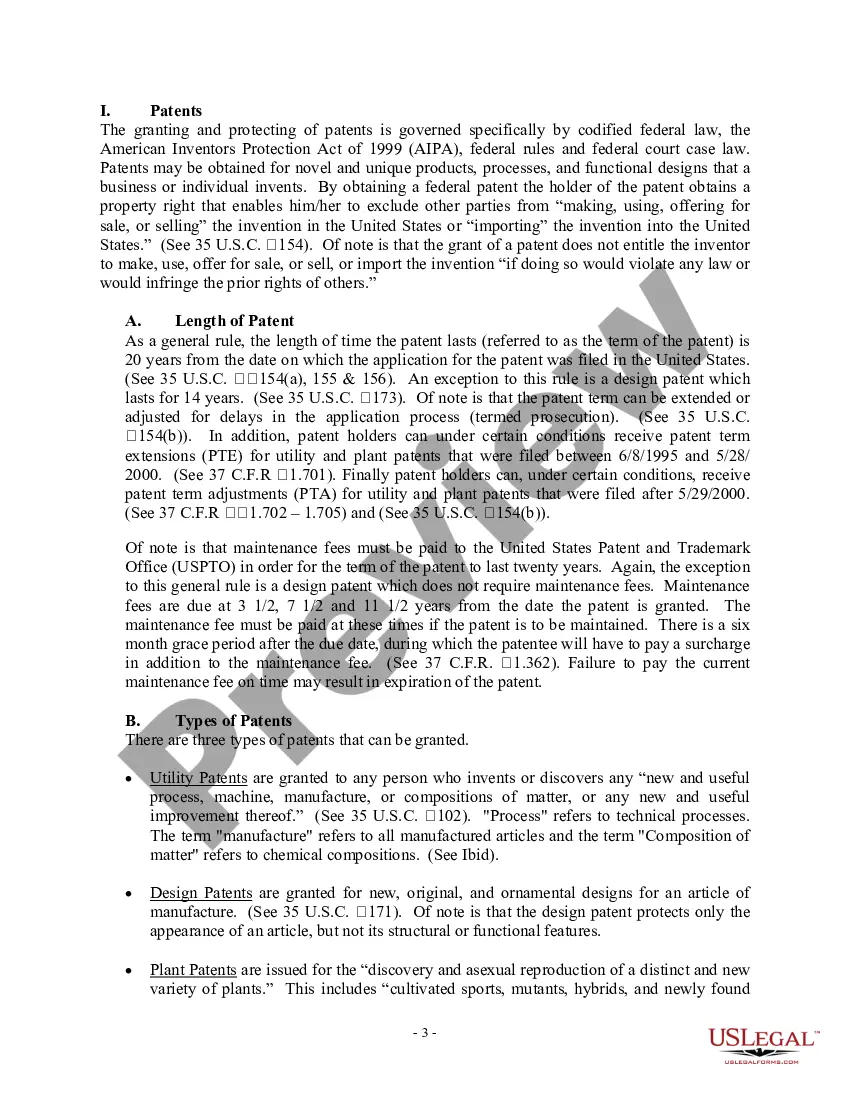


Get your form ready online
Our built-in tools help you complete, sign, share, and store your documents in one place.
Make edits, fill in missing information, and update formatting in US Legal Forms—just like you would in MS Word.
Download a copy, print it, send it by email, or mail it via USPS—whatever works best for your next step.
Sign and collect signatures with our SignNow integration. Send to multiple recipients, set reminders, and more. Go Premium to unlock E-Sign.
If this form requires notarization, complete it online through a secure video call—no need to meet a notary in person or wait for an appointment.
We protect your documents and personal data by following strict security and privacy standards.

Make edits, fill in missing information, and update formatting in US Legal Forms—just like you would in MS Word.

Download a copy, print it, send it by email, or mail it via USPS—whatever works best for your next step.

Sign and collect signatures with our SignNow integration. Send to multiple recipients, set reminders, and more. Go Premium to unlock E-Sign.

If this form requires notarization, complete it online through a secure video call—no need to meet a notary in person or wait for an appointment.

We protect your documents and personal data by following strict security and privacy standards.
Looking for another form?


Form popularity
FAQ
India holds the top rank globally in the domestic market scale indicator of the index. The Survey states that the number of patents granted increased seventeen-fold from 5,978 in 2014-15 to 1,03,057 in 2023-24. The Survey also highlights that registered designs rose from 7,147 in 2014-15 to 30,672 in 2023-24.
Format of a Patent Application The Specification. The Title. The Description. The Claims. The Drawings. The Abstract. Sample Specifications. Minimum Requirements for a Filing Date.
History. ing to the Early Office Museum, the first patent for a bent wire paper clip was awarded in the United States to Samuel B. Fay in 1867. This clip was originally intended primarily for attaching tickets to fabric, although the patent recognized that it could be used to attach papers together.
The paper clip shows the property of ductility, which is the ability of a material to be stretched or bent into different shapes without breaking.
A bigger mystery is what Americans do with the estimated 11 billion clips sold annually in the U.S. That works out to about 35 per American. "We actually can't understand how the U.S. consumption can be so huge," says Martin Yang, a senior vice president at Officemate.
The first patent for a paperclip goes to the American Samuel B. Fay in 1867. However, Fay's design and the similar designs of 50 other patents before the turn of the century are not considered similar enough to our modern paperclips, to count as true 'origins'.
In 1899, Vaaler designed his own version of a paper clip to address the same problem of binding papers without damaging them. He filed a patent for his design in Germany in 1899 and later in the United States in 1901 (US Patent 675,761).
The Poor Man's Patent Is Obsolete Being the first to invent will no longer save you is someone else filed first. So even if you did write out the idea for your invention and mailed it to yourself, that date would not matter.
Under the “first to file” system, there exists no value in obtaining a Poor Man's Patent since it now only matters who filed for the patent first and not who came up with the idea first. Essentially, a Poor Man's Patent has about as much value today as the postage affixed to the envelope.
