Patent Drafting For Beginners Nptel Assignment Answers In New York
Description

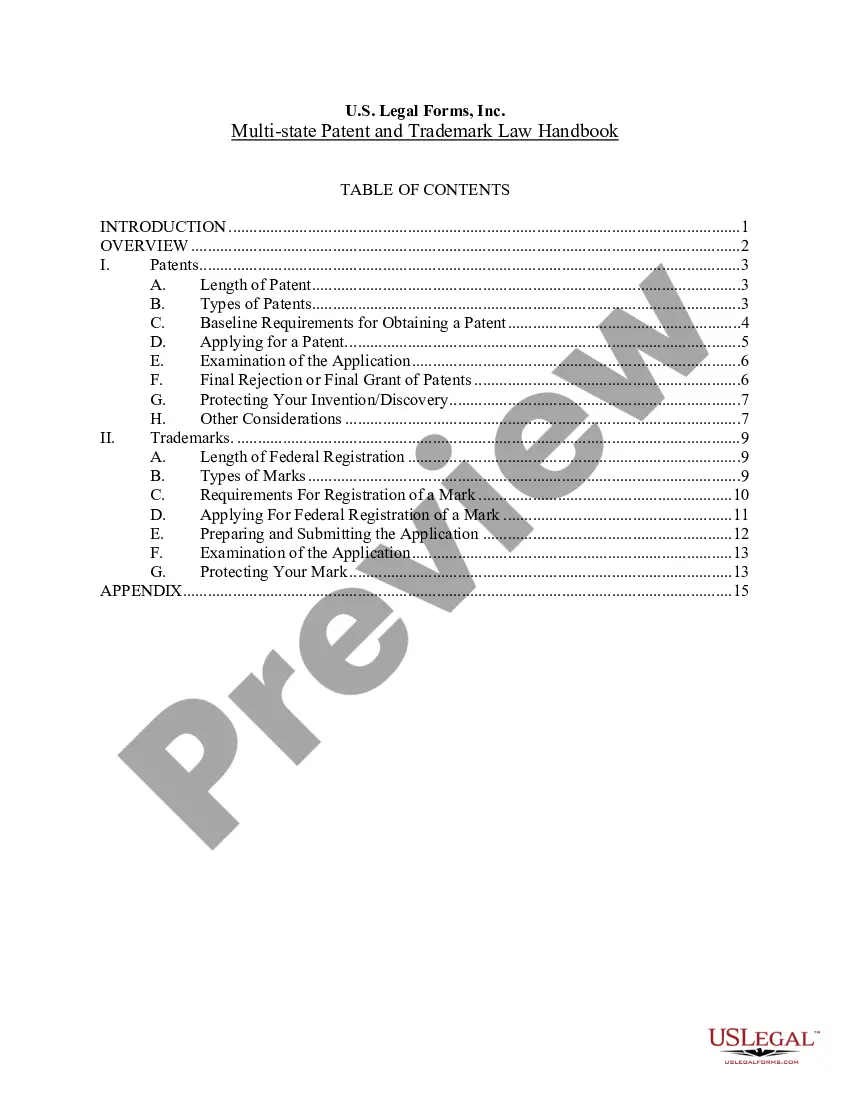
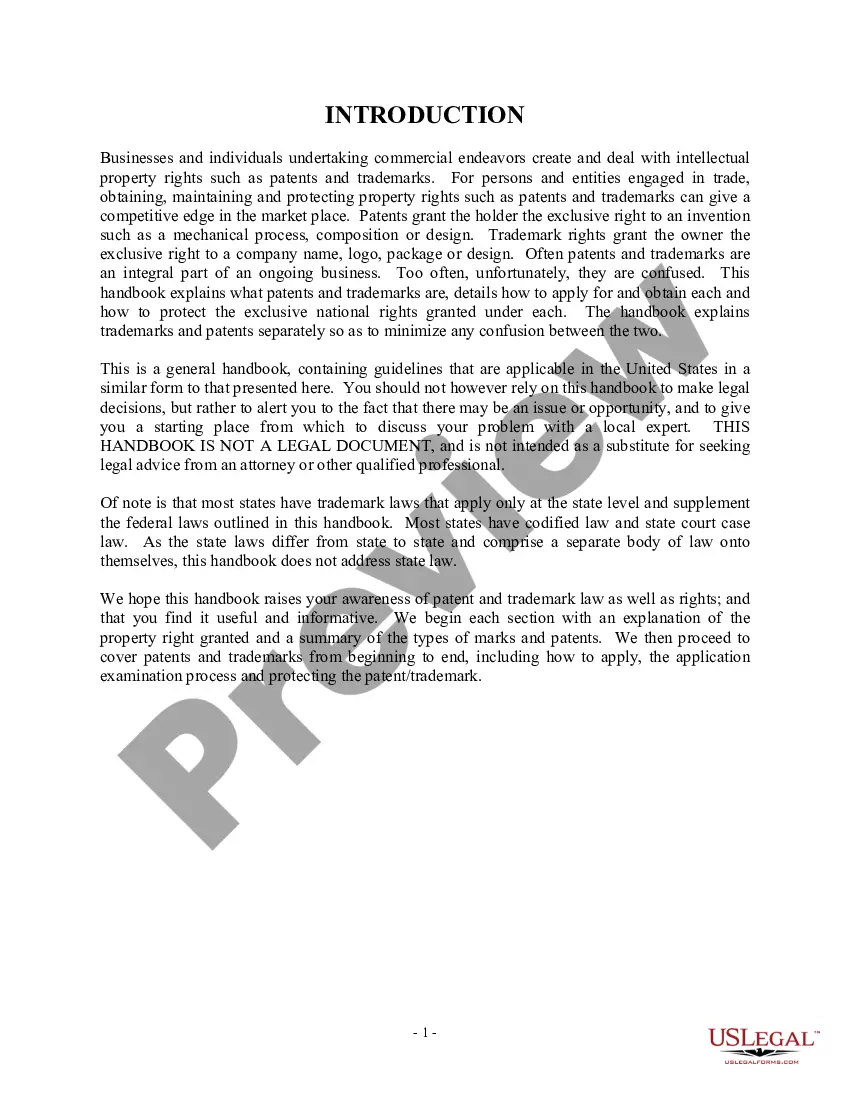
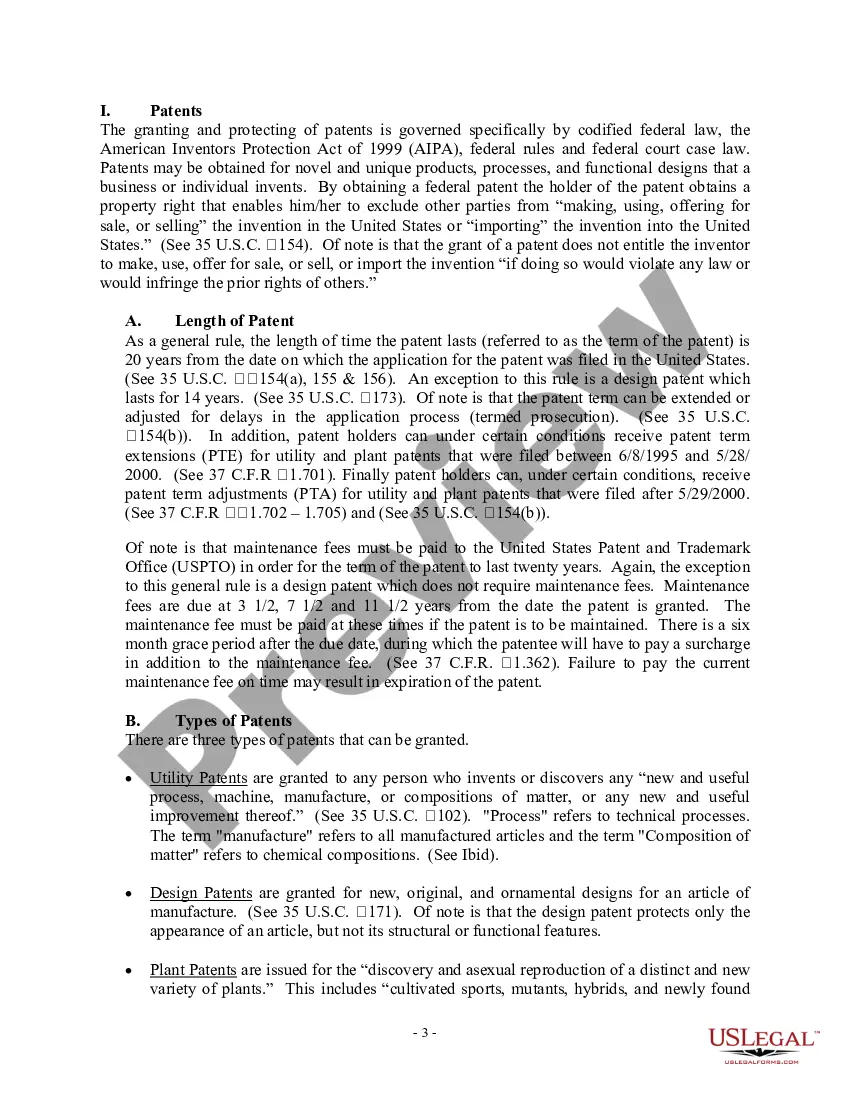

Get your form ready online
Our built-in tools help you complete, sign, share, and store your documents in one place.
Make edits, fill in missing information, and update formatting in US Legal Forms—just like you would in MS Word.
Download a copy, print it, send it by email, or mail it via USPS—whatever works best for your next step.
Sign and collect signatures with our SignNow integration. Send to multiple recipients, set reminders, and more. Go Premium to unlock E-Sign.
If this form requires notarization, complete it online through a secure video call—no need to meet a notary in person or wait for an appointment.
We protect your documents and personal data by following strict security and privacy standards.

Make edits, fill in missing information, and update formatting in US Legal Forms—just like you would in MS Word.

Download a copy, print it, send it by email, or mail it via USPS—whatever works best for your next step.

Sign and collect signatures with our SignNow integration. Send to multiple recipients, set reminders, and more. Go Premium to unlock E-Sign.

If this form requires notarization, complete it online through a secure video call—no need to meet a notary in person or wait for an appointment.

We protect your documents and personal data by following strict security and privacy standards.
Looking for another form?
Form popularity
FAQ
Best Practices for Patent Drafting Clear and Specific Language: Use clear and concise language to describe the invention. Enablement and Best Mode: Ensure the description is sufficiently detailed to enable a person skilled in the field to practice the invention without undue experimentation.
Filing for a patent includes a stringent process in which the inventor would have to provide a detailed description of their idea. This description must explain why the idea is original and innovative – chronicling all the necessary facets of the invention that make it so. This process is called patent drafting.
