Patent Trademark Law For Beginners In Minnesota
Description

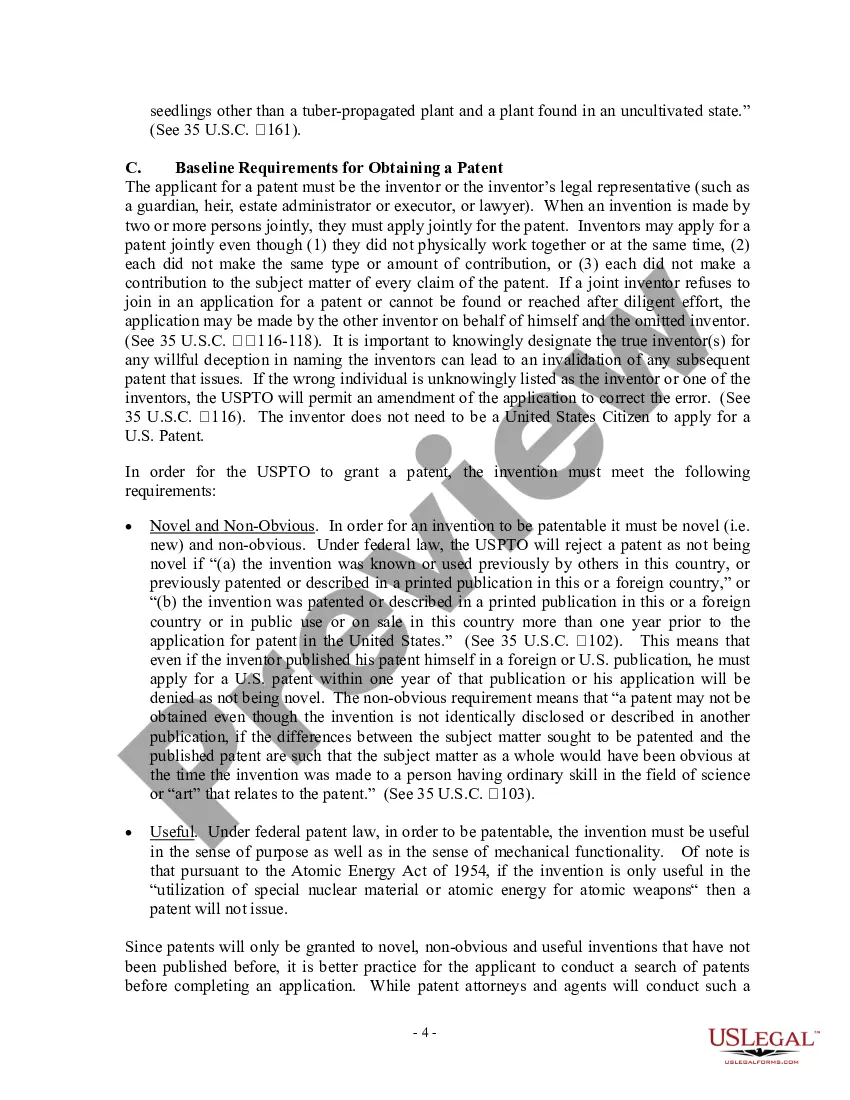
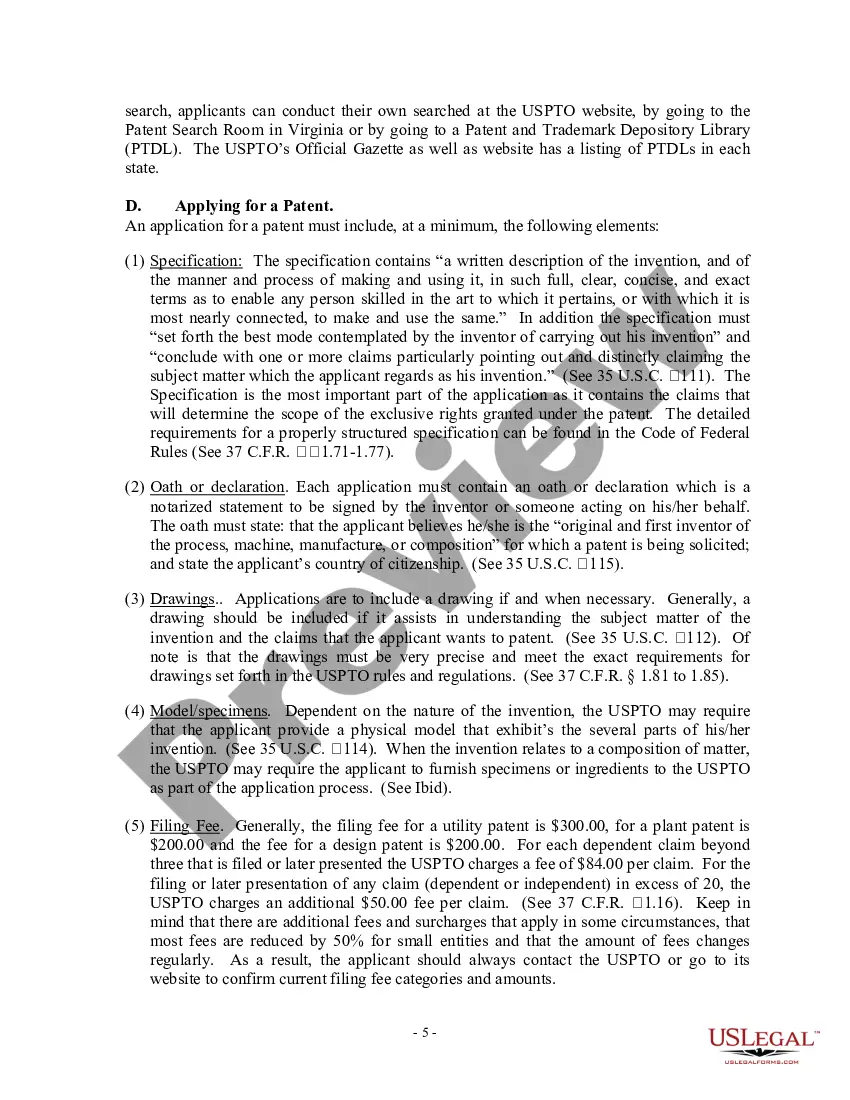
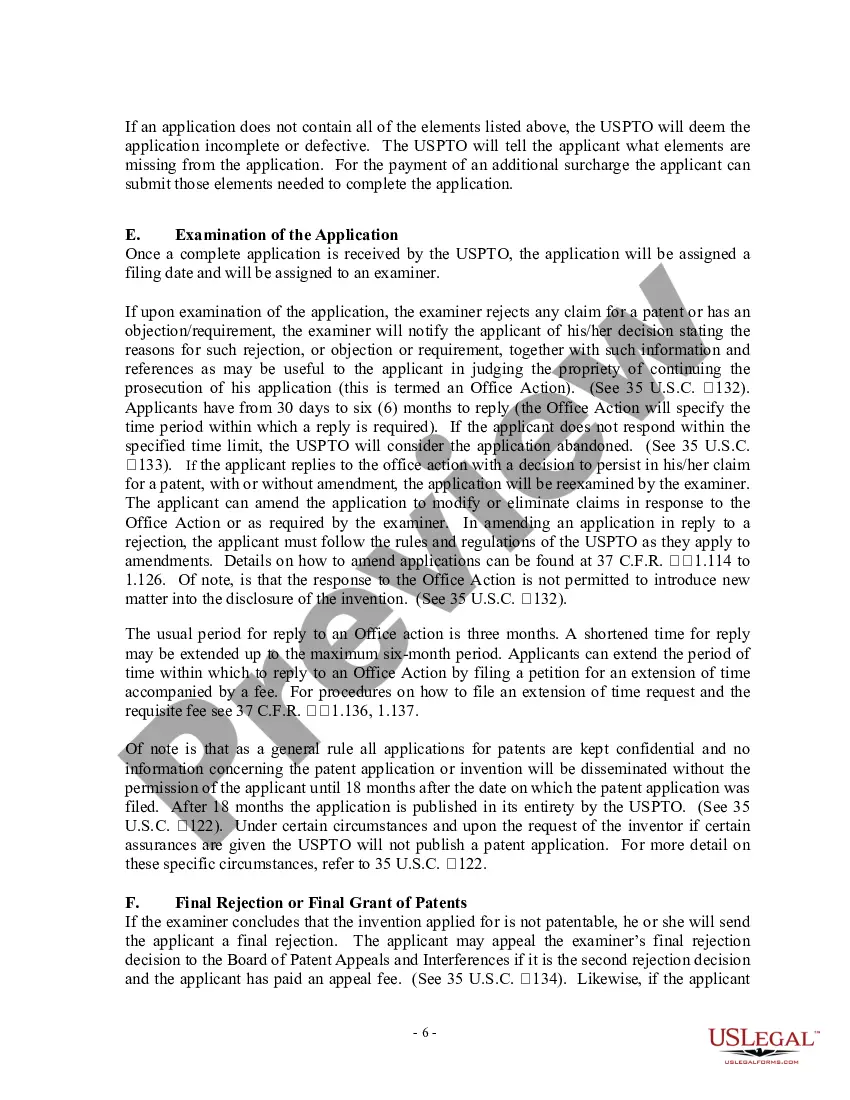
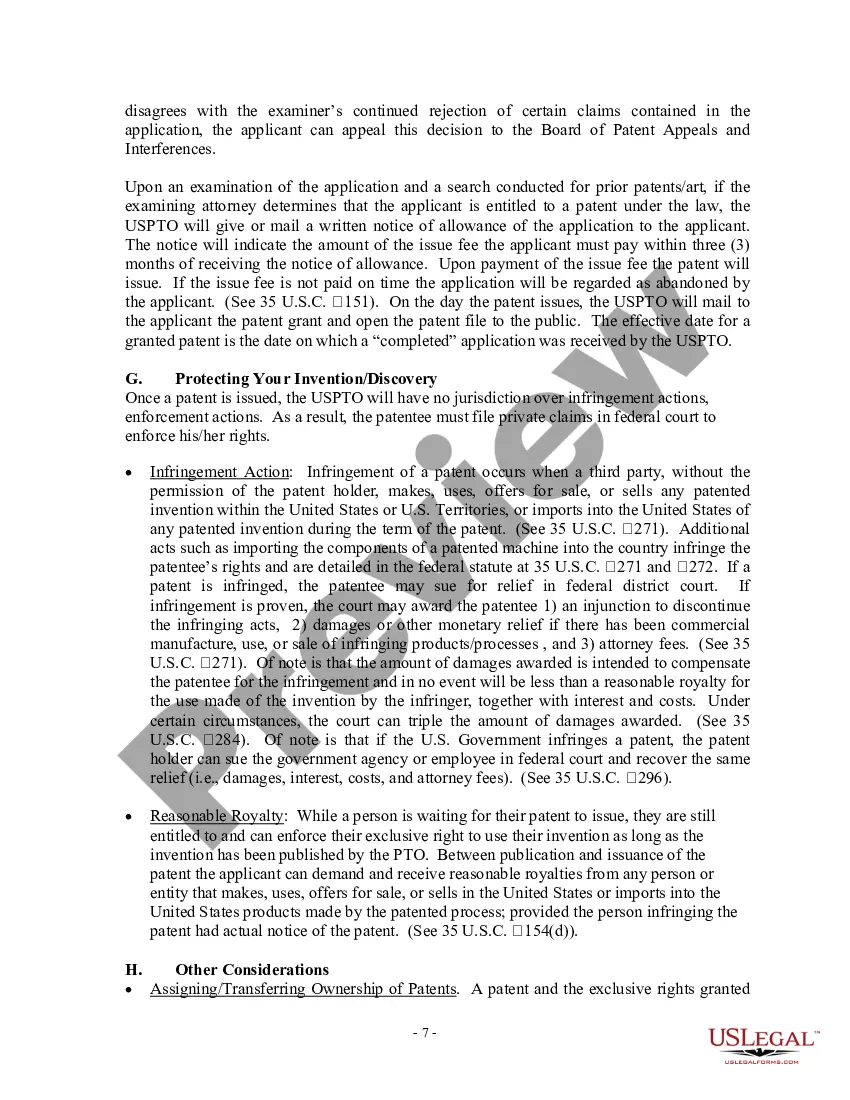



Get your form ready online
Our built-in tools help you complete, sign, share, and store your documents in one place.
Make edits, fill in missing information, and update formatting in US Legal Forms—just like you would in MS Word.
Download a copy, print it, send it by email, or mail it via USPS—whatever works best for your next step.
Sign and collect signatures with our SignNow integration. Send to multiple recipients, set reminders, and more. Go Premium to unlock E-Sign.
If this form requires notarization, complete it online through a secure video call—no need to meet a notary in person or wait for an appointment.
We protect your documents and personal data by following strict security and privacy standards.

Make edits, fill in missing information, and update formatting in US Legal Forms—just like you would in MS Word.

Download a copy, print it, send it by email, or mail it via USPS—whatever works best for your next step.

Sign and collect signatures with our SignNow integration. Send to multiple recipients, set reminders, and more. Go Premium to unlock E-Sign.

If this form requires notarization, complete it online through a secure video call—no need to meet a notary in person or wait for an appointment.

We protect your documents and personal data by following strict security and privacy standards.
Looking for another form?





Form popularity
FAQ
General Rules of Proper Trademark Use Trademarks should be used as adjectives – not as nouns or verbs. ingly, a trademark should not be used alone. Rather, a trademark term should always be used with, and immediately precede, the generic noun that describes the product or component in question.
Assuming that a patent is available for the subject matter of your concept, that's the way to prevent others from pursuing the same product concept. A trademark, however, is useful—and often crucial—when you are building a brand for your product or service.
Using a trade mark without permission is considered trade mark infringement and can result in serious consequences. Infringing on someone else's trade mark rights can result in liability for damages and penalties, which can be substantial.
Instead, patent attorneys aim to settle IP disputes outside of court through means such as cease and desist letters, opposition proceedings and revocation actions. Conversely, IP lawyers specialise in the legal and commercial issues that are associated with IP.
Marks should be used as adjectives, not nouns or verbs. Generally, use of the Mark should be followed by the common descriptive term for the goods or services. For example, you should say "please pass me a KLEENEX® tissue" and NOT "please pass me a KLEENEX®."
How to register your trademark or service mark: Trademark Application pdf form can be found here. Submit one specimen or facsimile of the mark as you have actually used it in commerce. State the words or phrase to be registered, if any. Provide a written description of the logo design to be registered, if any.
Always use the trademark consistently, including the same spelling, punctuation, and spacing. Always use a trademark as an adjective that modifies a noun, and never as a singular or plural noun. Never use a trademark as a verb. You are not xeroxing; you are using a XEROX copier.
How to register your trademark or service mark: Trademark Application pdf form can be found here. Submit one specimen or facsimile of the mark as you have actually used it in commerce. State the words or phrase to be registered, if any. Provide a written description of the logo design to be registered, if any.
The TM symbol is used when an application for trademark is made with the trademark registry. The TM symbol is thus used to indicate the fact that a trademark application exists with respect to the trademark and serves as a warning for infringers and counter-fitters.
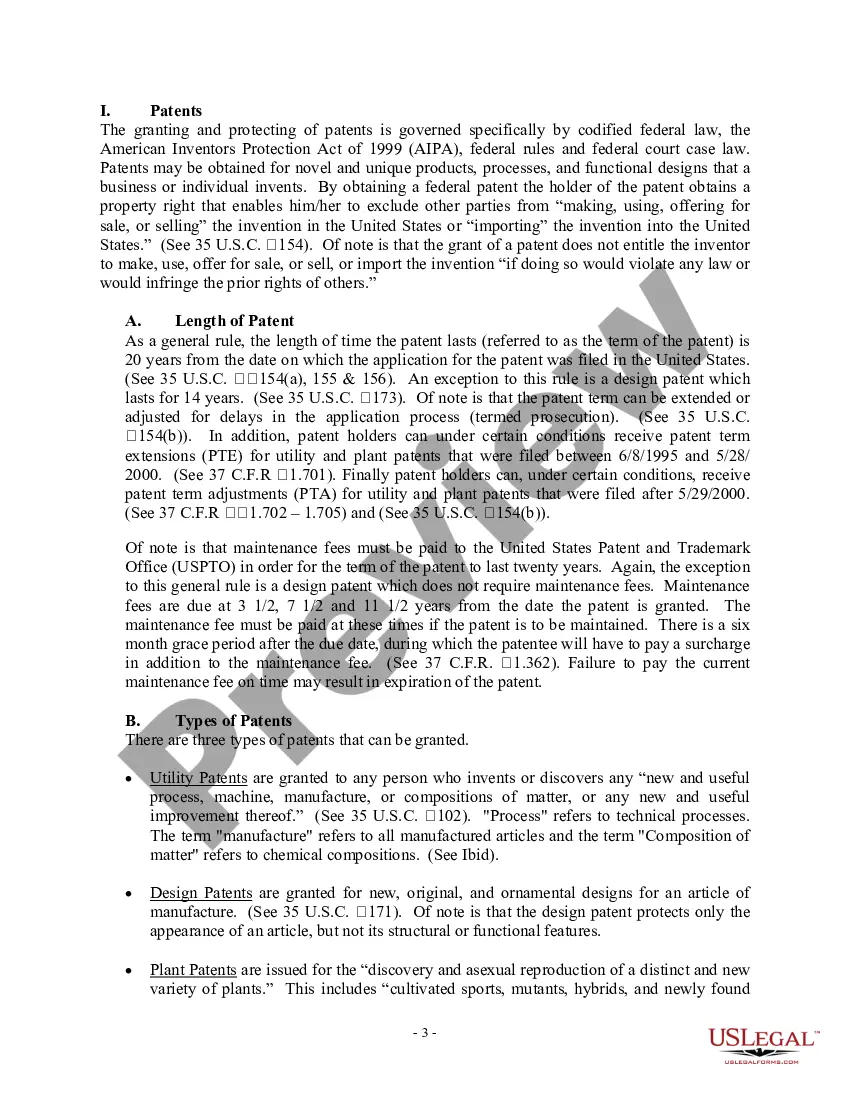
The Patent Process Determine the type of intellectual property you need. Determine if your invention is patentable. Determine what kind of patent you need. Get ready to apply. Submit your application. Work with your examiner. Receive your approval. Maintain your patent.
