Legalzoom Trademark In Middlesex
Description

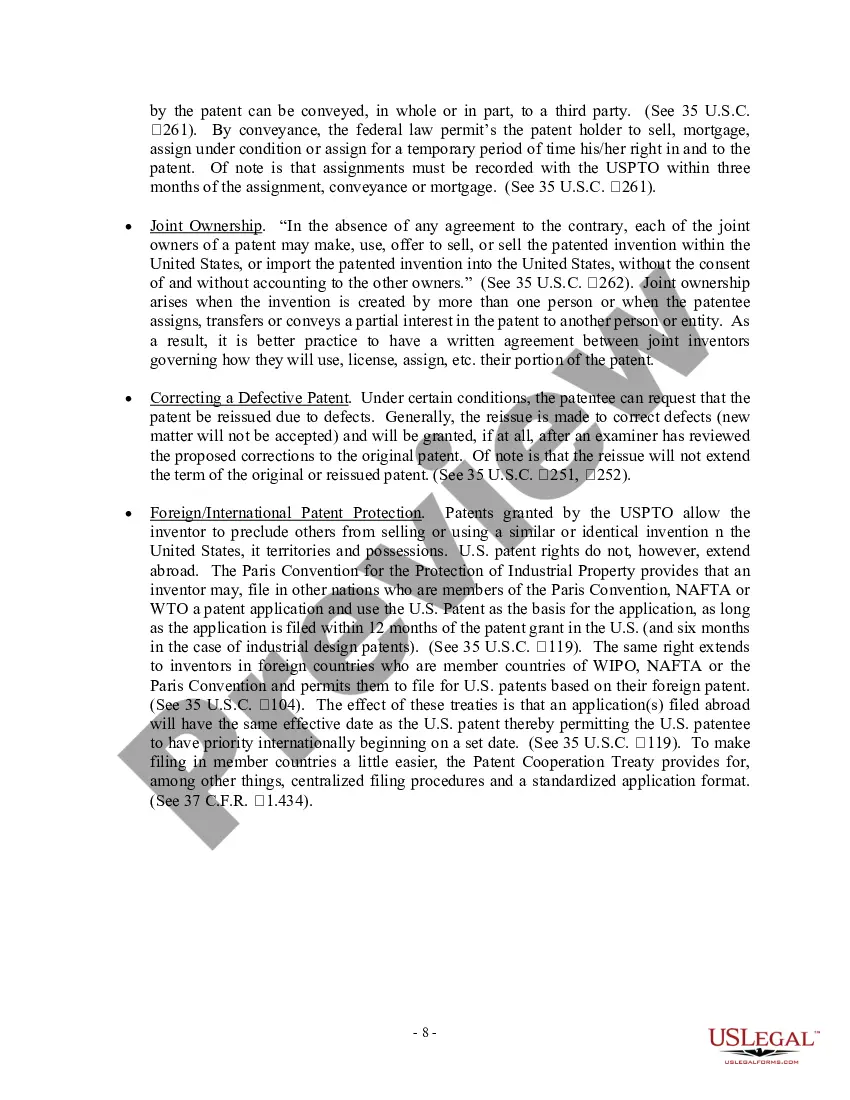


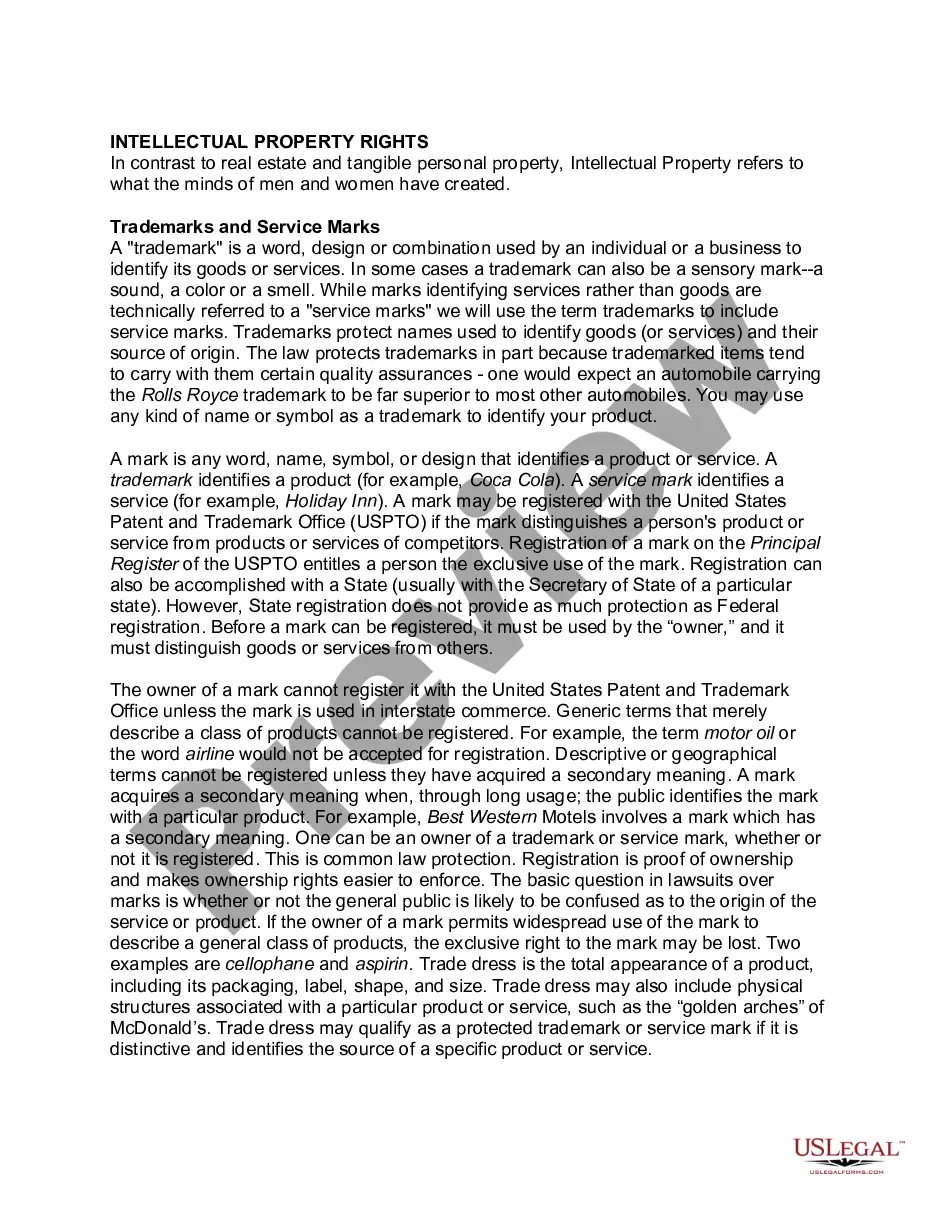
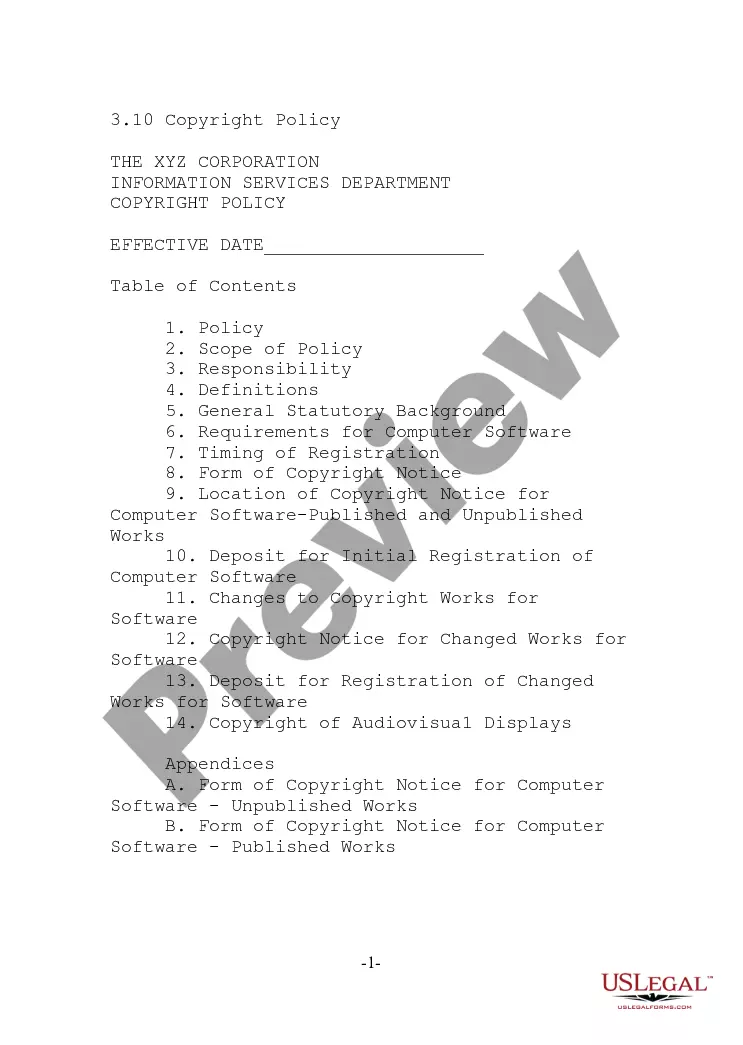
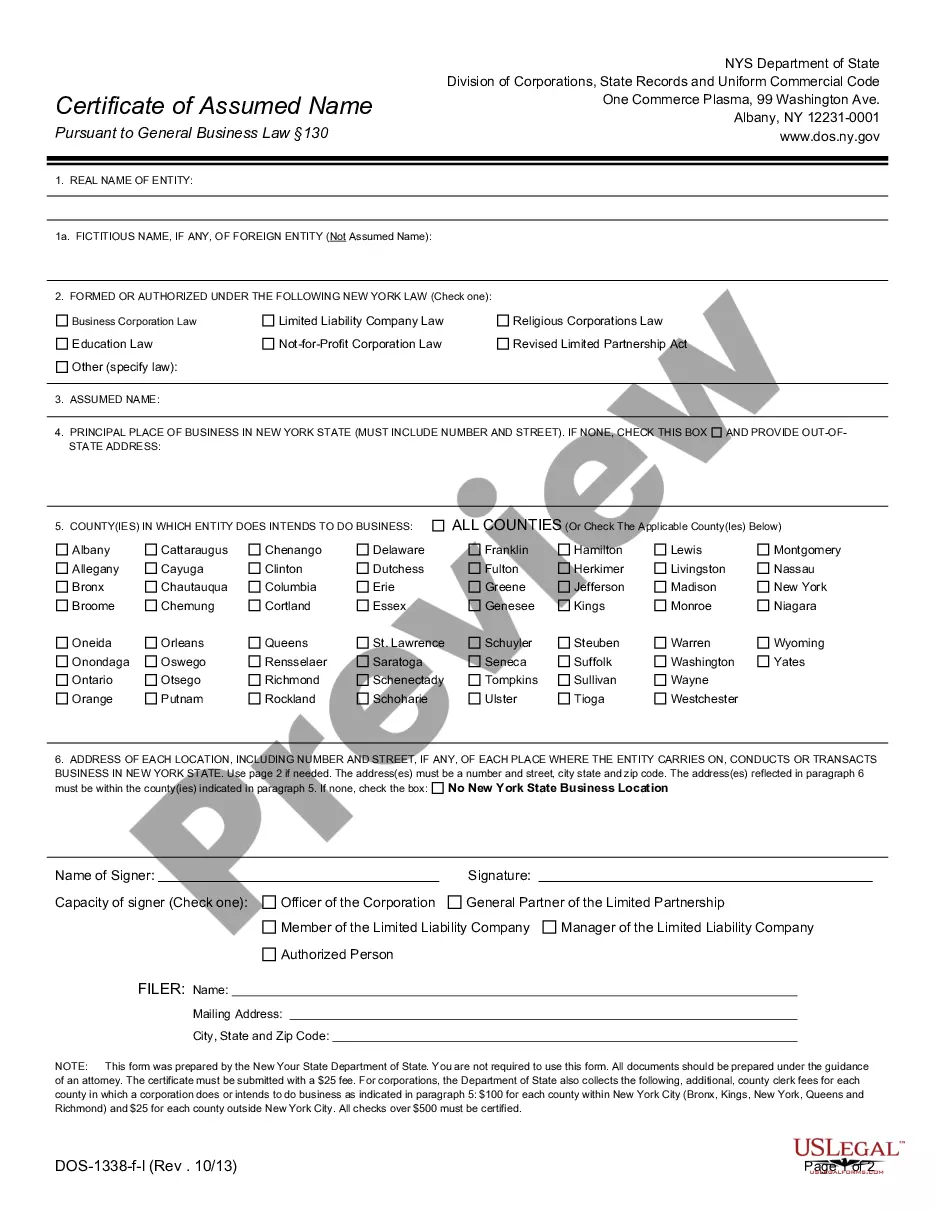
Get your form ready online
Our built-in tools help you complete, sign, share, and store your documents in one place.
Make edits, fill in missing information, and update formatting in US Legal Forms—just like you would in MS Word.
Download a copy, print it, send it by email, or mail it via USPS—whatever works best for your next step.
Sign and collect signatures with our SignNow integration. Send to multiple recipients, set reminders, and more. Go Premium to unlock E-Sign.
If this form requires notarization, complete it online through a secure video call—no need to meet a notary in person or wait for an appointment.
We protect your documents and personal data by following strict security and privacy standards.

Make edits, fill in missing information, and update formatting in US Legal Forms—just like you would in MS Word.

Download a copy, print it, send it by email, or mail it via USPS—whatever works best for your next step.

Sign and collect signatures with our SignNow integration. Send to multiple recipients, set reminders, and more. Go Premium to unlock E-Sign.

If this form requires notarization, complete it online through a secure video call—no need to meet a notary in person or wait for an appointment.

We protect your documents and personal data by following strict security and privacy standards.
Looking for another form?









Form popularity
FAQ
You can file your completed application a few different ways: Online. The preferred method to file your trademark registration is through the USPTO Trademark Center.
As of this writing, a California trademark filing costs $70.
The cheapest way to get a trademark is to file a state trademark application, which is typically less expensive than a federal trademark application.
Trade marks must be renewed every 10 years. You can renew a trade mark in the 6 months before it expires and up to 6 months afterwards. You cannot renew online if your trade mark expired more than 6 months ago.
If there are any issues the IPO will let you know. You will have to resolve them before you can register your trade mark. If there are no issues, it usually takes around 3 to 4 months from application for your trade mark to be granted.
You can use someone else's trademark without permission if you are using it for informational purposes. This exception applies to situations where you are: Expressing an opinion.
Registering a domain name and company name through Companies House is crucial. However, these do not prevent anyone else from using your business name. A registered trade mark will prevent anyone else from using your company name. It will also prevent anyone else from registering a trademark for your business name.
If you intend to operate exclusively within the UK, a national trademark will certainly suffice. However, if you also intend to do business in any countries of the EU, then a European Union trademark will offer the necessary protection.
As of 2023, an EU trademark covers 27 countries, namely: Austria, Belgium, Bulgaria, Croatia, Cyprus, Czech Republic, Denmark, Estonia, Finland, France, Germany, Greece, Hungary, Ireland, Italy, Latvia, Lithuania, Luxembourg, Malta, Netherlands, Poland, Portugal, Romania, Slovakia, Slovenia, Spain, Sweden.
A national trade mark gives protection only in the Member State in which it has been registered, while an EUTM provides its owner with exclusive rights in all current and future EU Member States.
