Patent Application With Priority Date In King
Description




Get your form ready online
Our built-in tools help you complete, sign, share, and store your documents in one place.
Make edits, fill in missing information, and update formatting in US Legal Forms—just like you would in MS Word.
Download a copy, print it, send it by email, or mail it via USPS—whatever works best for your next step.
Sign and collect signatures with our SignNow integration. Send to multiple recipients, set reminders, and more. Go Premium to unlock E-Sign.
If this form requires notarization, complete it online through a secure video call—no need to meet a notary in person or wait for an appointment.
We protect your documents and personal data by following strict security and privacy standards.

Make edits, fill in missing information, and update formatting in US Legal Forms—just like you would in MS Word.

Download a copy, print it, send it by email, or mail it via USPS—whatever works best for your next step.

Sign and collect signatures with our SignNow integration. Send to multiple recipients, set reminders, and more. Go Premium to unlock E-Sign.

If this form requires notarization, complete it online through a secure video call—no need to meet a notary in person or wait for an appointment.

We protect your documents and personal data by following strict security and privacy standards.
Looking for another form?




Form popularity
FAQ
(3) PRIORITY. —Priority under section 119, 365(a), 365(b), 386(a), or 386(b) shall not be taken into account in determining the term of a patent.
The period of priority, i.e., the period during which the priority right exists, is usually 6 months for industrial designs and trademarks and 12 months for patents and utility models. The period of priority is often referred to as the priority year for patents and utility models.
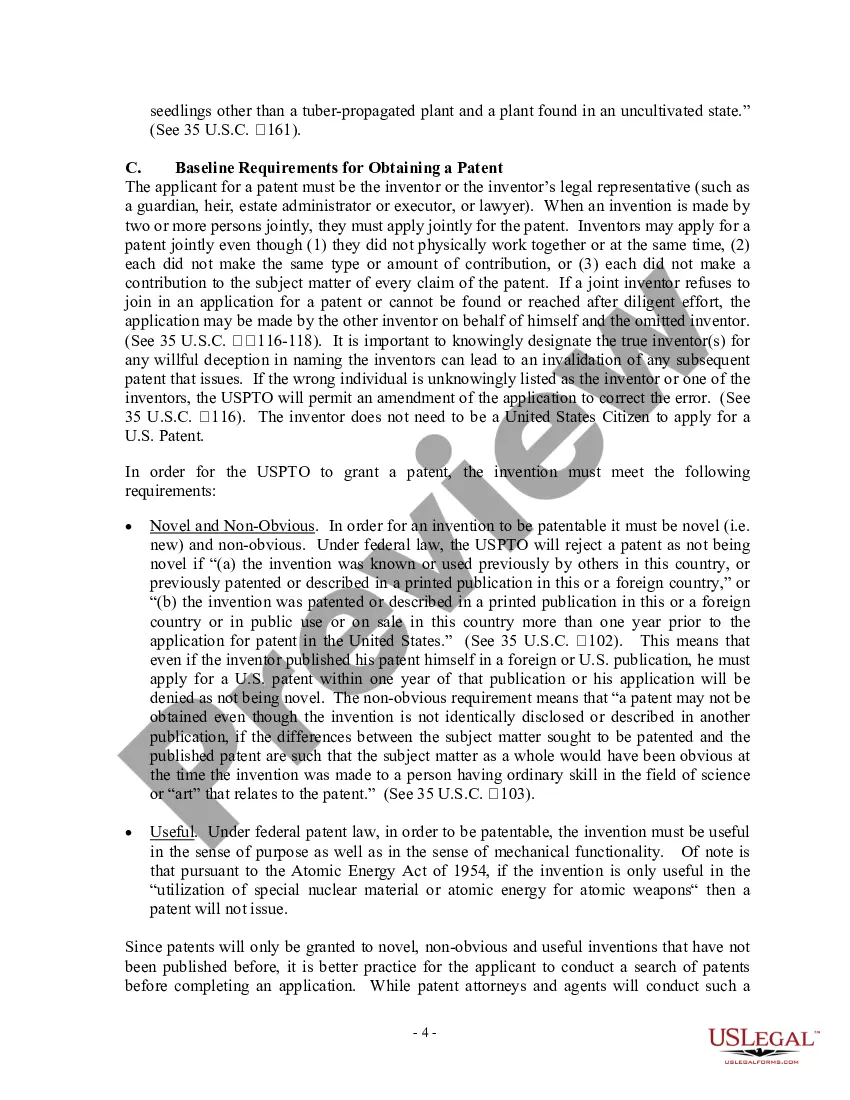
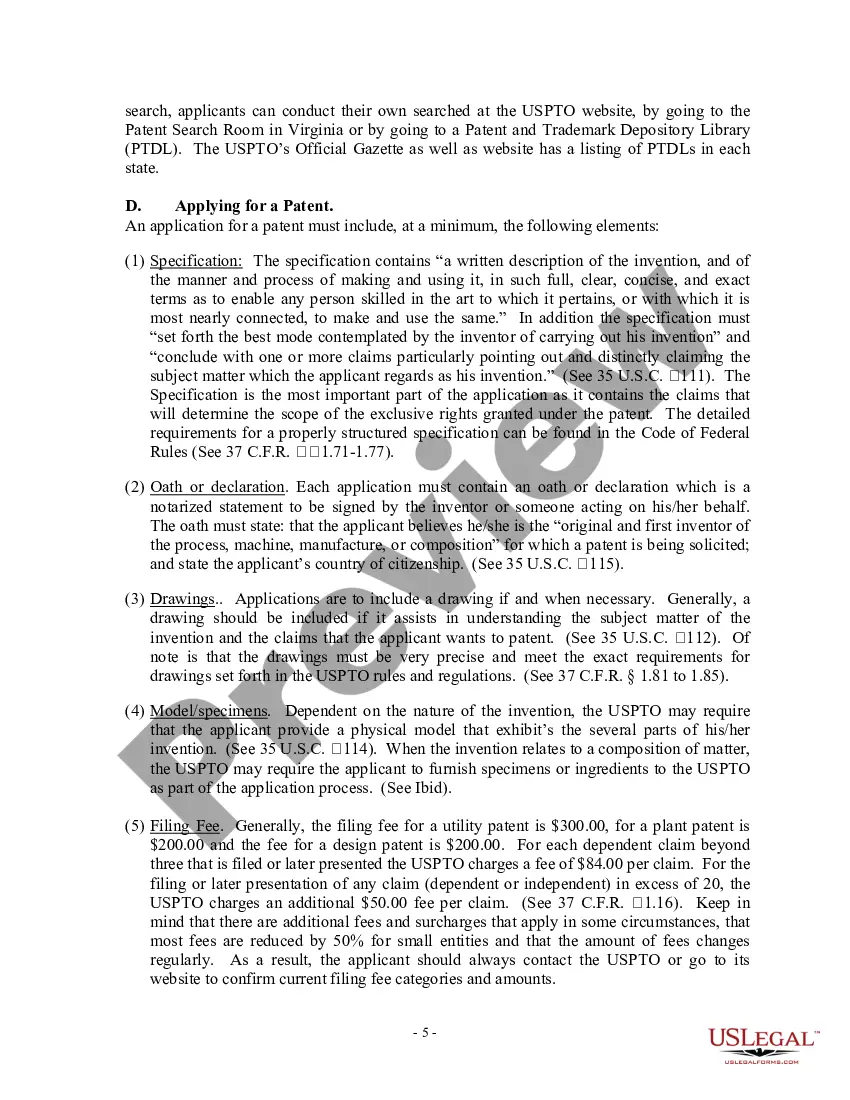
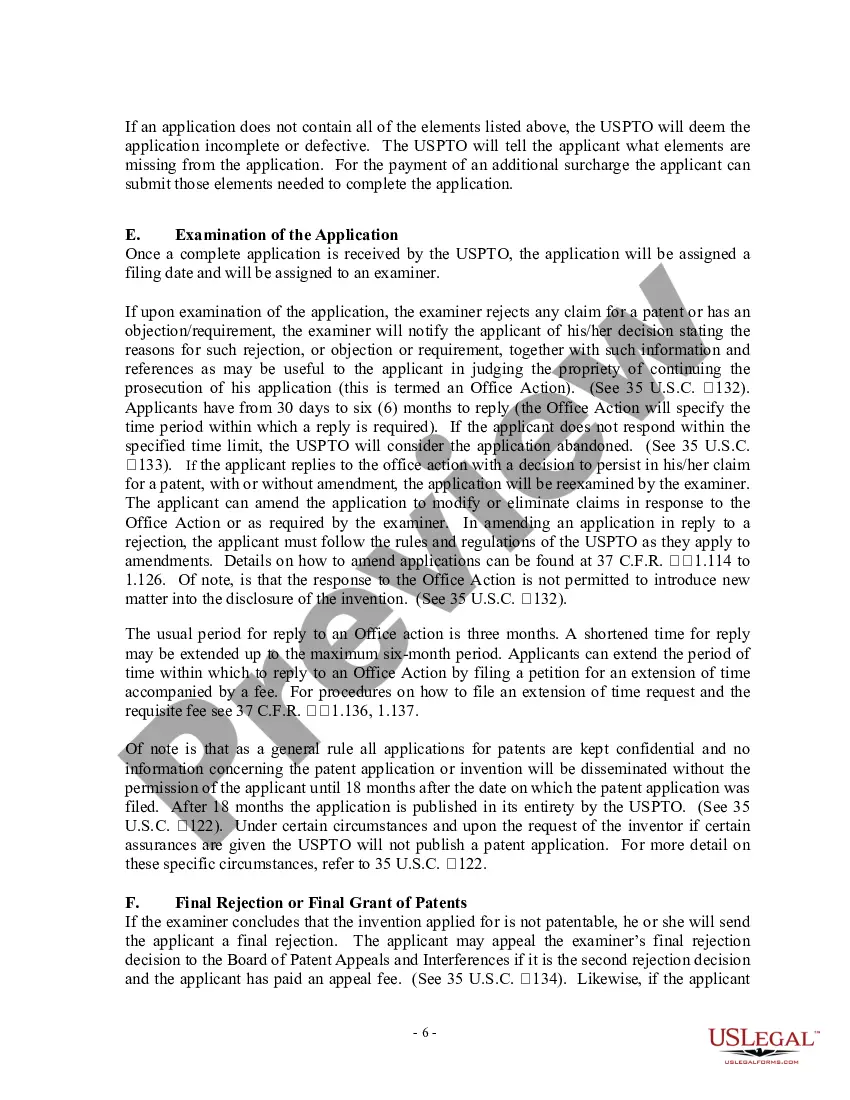
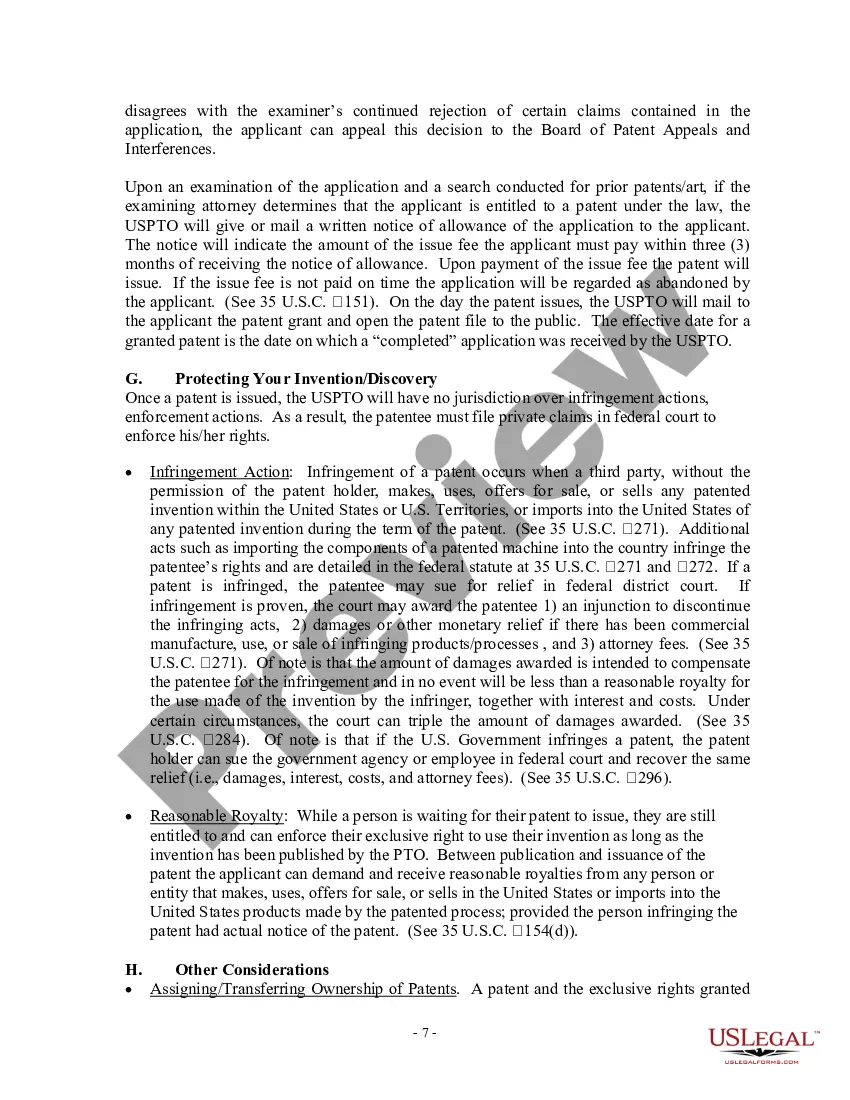
What is a priority date and why does it is matter? A. Priority date refers to the earliest filing date in a family of patent applications. If the earliest-filed patent application for a particular invention was a provisional application, then the filing date of the provisional is your priority date.
The term of every patent granted is 20 years from the date of filing of application. However, for application filed under national phase under Patent Cooperation Treaty (PCT), the term of patent will be 20 years from the international filing date ed under PCT.
A priority claim is a helpful, and often critical, way to link a later-filed patent application to an earlier-filed patent application. Known as a priority application, the earlier-filed application must generally have common subject matter and common inventorship in order for a priority claim to be made.
Foreign priority dates are not considered in determining the term of a patent. Here's a simple formula for calculating the expiration date of a US utility patent. Start with earliest filing date of a US nonprovisional, which may be a PCT application which is considered a US nonprovisional application.
The priority date of a patent is the date on which you first file a patent application in respect of your invention. The application could be for a Dutch or a Belgian patent, or for a patent in any other country. You can make your invention public from this moment on as your idea has been registered as your invention.
If the US application is filed within six months of the foreign filing date, the applicant may “claim priority” to the foreign application which means that the US application will get the benefit of the earlier foreign filing date.
A PCT application can claim priority to an earlier application, and multiple applications can claim priority to the first application within the 12-month priority period. A priority claim is only valid for subject-matter (e.g. features of the invention) that were disclosed, for the first time, in the first application.
