Trademark Laws For Logos In Illinois
Description

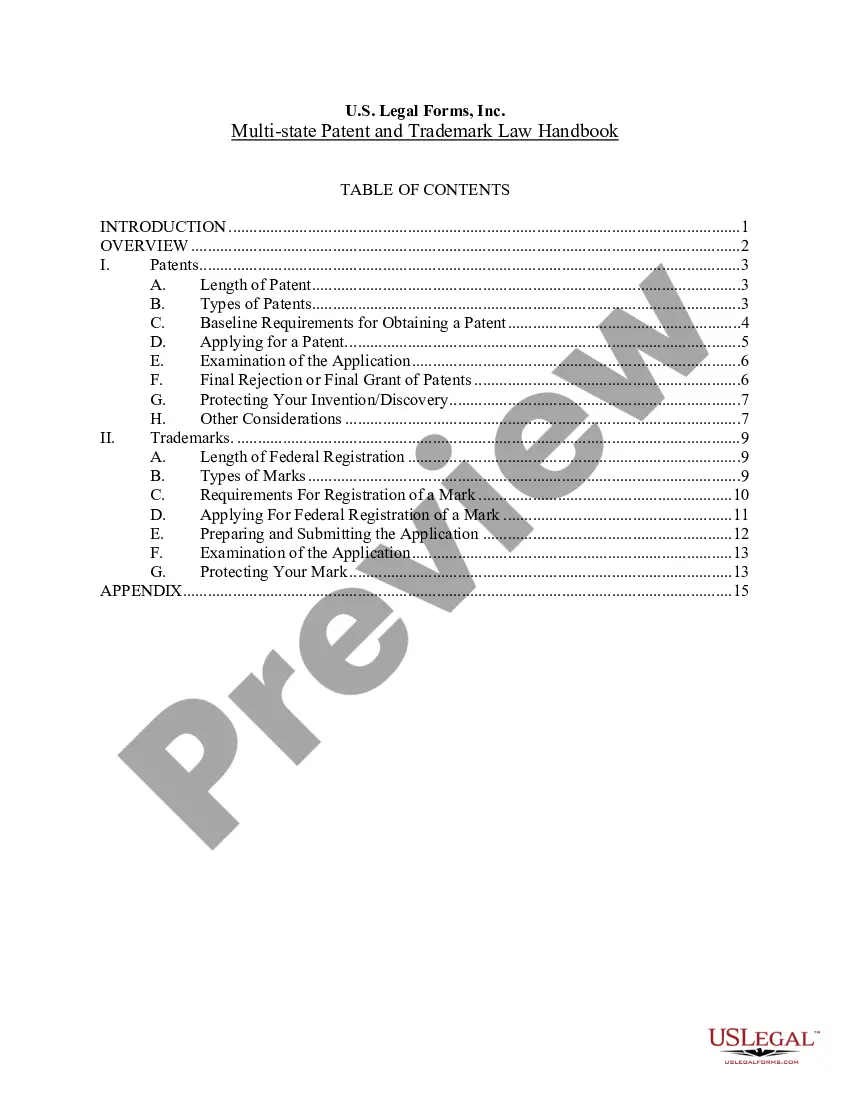
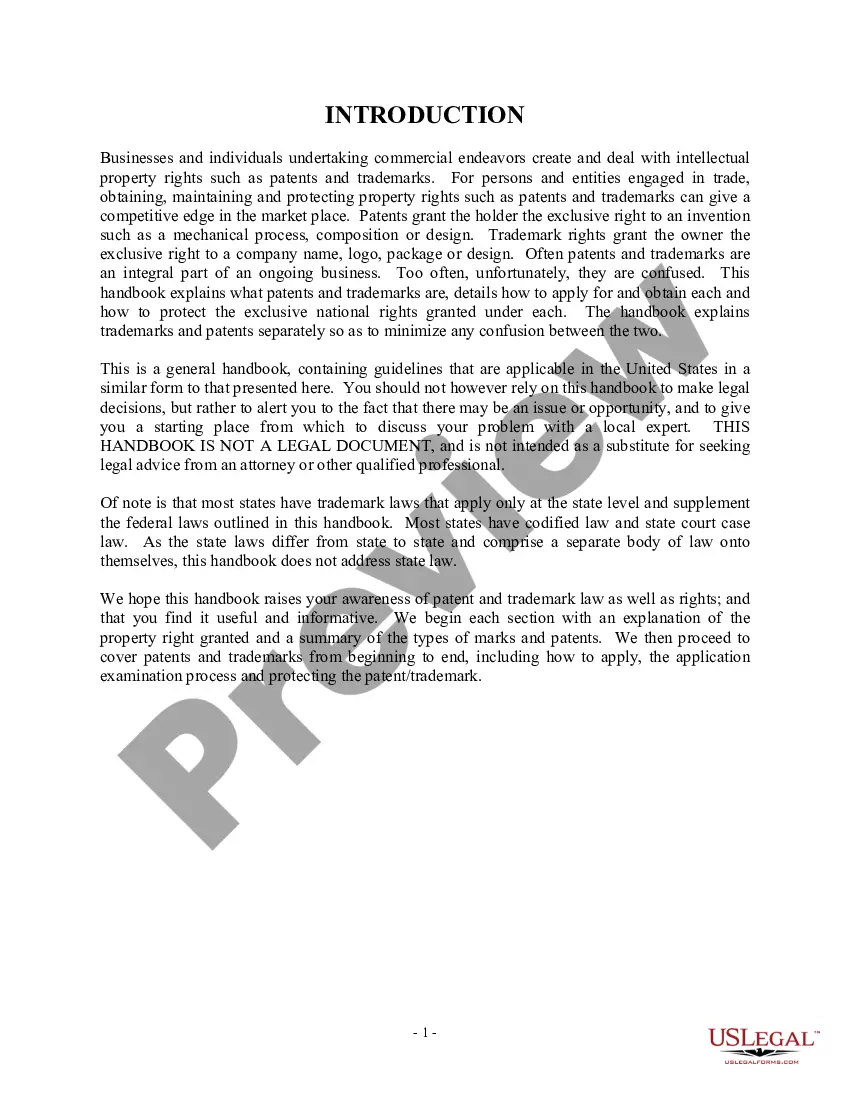

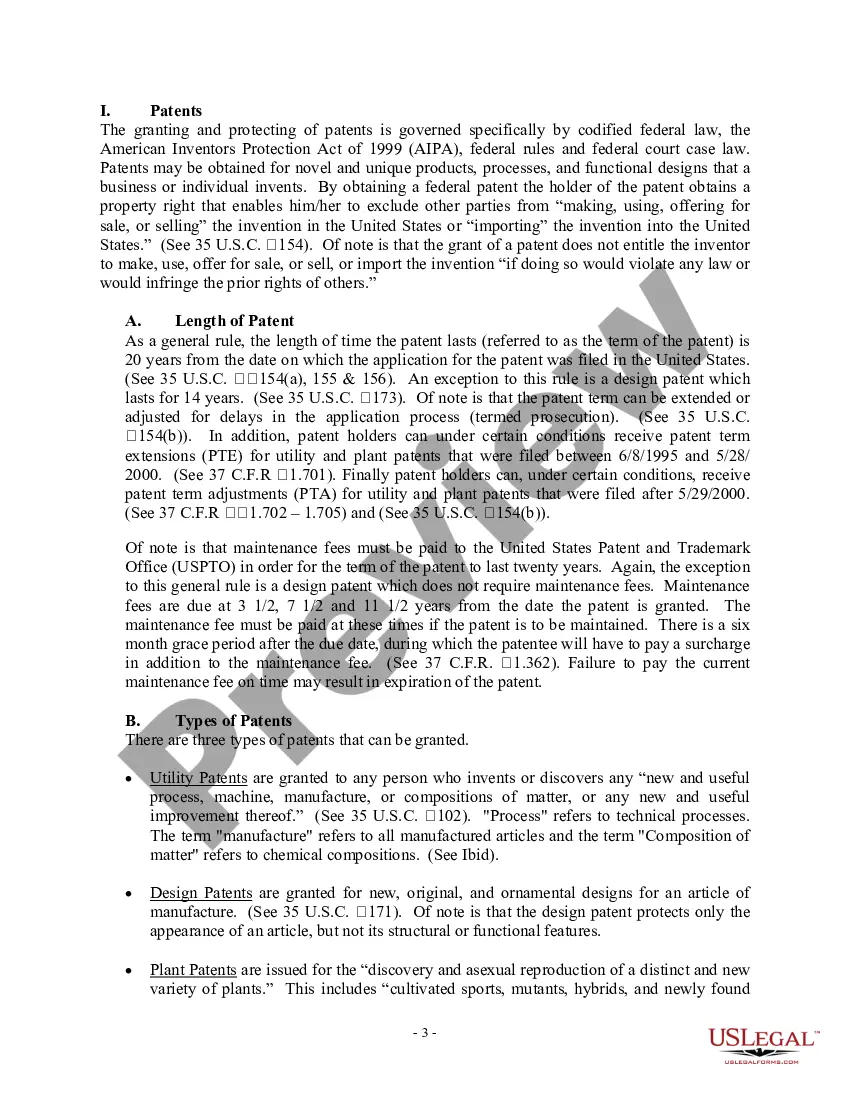
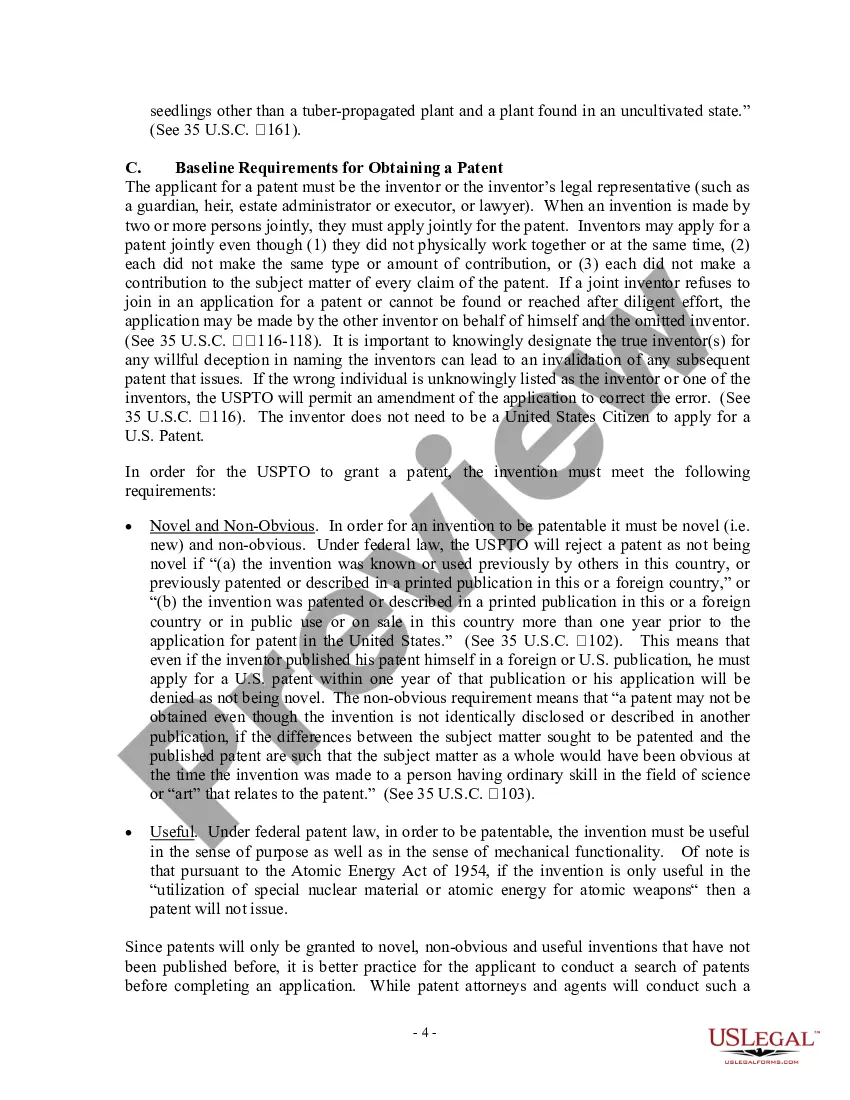


Get your form ready online
Our built-in tools help you complete, sign, share, and store your documents in one place.
Make edits, fill in missing information, and update formatting in US Legal Forms—just like you would in MS Word.
Download a copy, print it, send it by email, or mail it via USPS—whatever works best for your next step.
Sign and collect signatures with our SignNow integration. Send to multiple recipients, set reminders, and more. Go Premium to unlock E-Sign.
If this form requires notarization, complete it online through a secure video call—no need to meet a notary in person or wait for an appointment.
We protect your documents and personal data by following strict security and privacy standards.

Make edits, fill in missing information, and update formatting in US Legal Forms—just like you would in MS Word.

Download a copy, print it, send it by email, or mail it via USPS—whatever works best for your next step.

Sign and collect signatures with our SignNow integration. Send to multiple recipients, set reminders, and more. Go Premium to unlock E-Sign.

If this form requires notarization, complete it online through a secure video call—no need to meet a notary in person or wait for an appointment.

We protect your documents and personal data by following strict security and privacy standards.
Looking for another form?










Form popularity
FAQ
Many businesses have a logo that they use to promote their goods or services. Often this is in addition to their name, which might just be plain words. Ideally, if you have a logo, which is more than just a stylised version of your words, then it would be preferable to register both the plain word mark, and the logo.
To register a trademark with the U.S. Patent and Trademark Office (USPTO), you will need to fill out and submit a trademark application. You can do this online, through the USPTO Trademark Center, an online trademark filing service, an attorney, or by submitting a paper application.
It is better to form an LLC before filing a trademark application. So, before you submit a trademark application, you should create an LLC or other business entity. A business should form an LLC before applying for a trademark because the LLC will own the trademark.
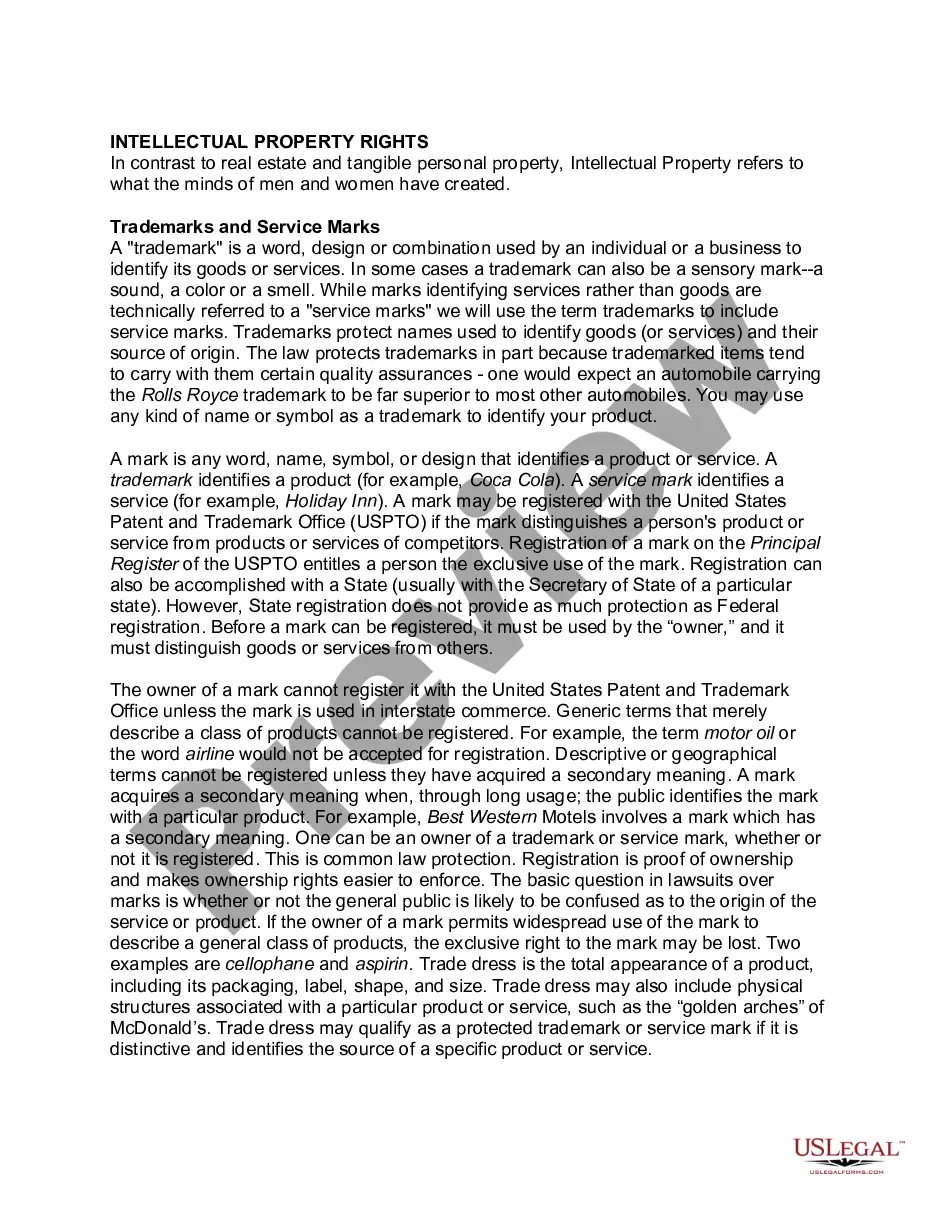
U.S. trademark law enables you to protect a logo design, word mark or any other brand identifier from being used by another third party in connection with a similar product or service to yours.
Likelihood of confusion is a common reason for refusal of a trademark application. The USPTO will review your application and compare your mark to any existing trademark applications or registered trademarks.
The cheapest way to get a trademark is to file a state trademark application, which is typically less expensive than a federal trademark application.
There are two main requirements for something to qualify as a trademark: It must be used in commerce; It must be distinctive.
How to make sure you have a strong logo design for your trademark. Use a unique image or graphic design rather than something generic. Keep it clean and clear with a good use of color and empty space. Use easy-to-read typography. Make sure your design represents your brand identity and appeals to your target audience.
A clear and concise trademark description should include an identification of the goods and/or services, the specific use of the trademark, and any distinctive features such as color schemes, design elements, and stylization. It must accurately and specifically define the scope of the trademark.
