Trademark Law In The Philippines In Fulton
Description




Get your form ready online
Our built-in tools help you complete, sign, share, and store your documents in one place.
Make edits, fill in missing information, and update formatting in US Legal Forms—just like you would in MS Word.
Download a copy, print it, send it by email, or mail it via USPS—whatever works best for your next step.
Sign and collect signatures with our SignNow integration. Send to multiple recipients, set reminders, and more. Go Premium to unlock E-Sign.
If this form requires notarization, complete it online through a secure video call—no need to meet a notary in person or wait for an appointment.
We protect your documents and personal data by following strict security and privacy standards.

Make edits, fill in missing information, and update formatting in US Legal Forms—just like you would in MS Word.

Download a copy, print it, send it by email, or mail it via USPS—whatever works best for your next step.

Sign and collect signatures with our SignNow integration. Send to multiple recipients, set reminders, and more. Go Premium to unlock E-Sign.

If this form requires notarization, complete it online through a secure video call—no need to meet a notary in person or wait for an appointment.

We protect your documents and personal data by following strict security and privacy standards.
Looking for another form?








Form popularity
FAQ
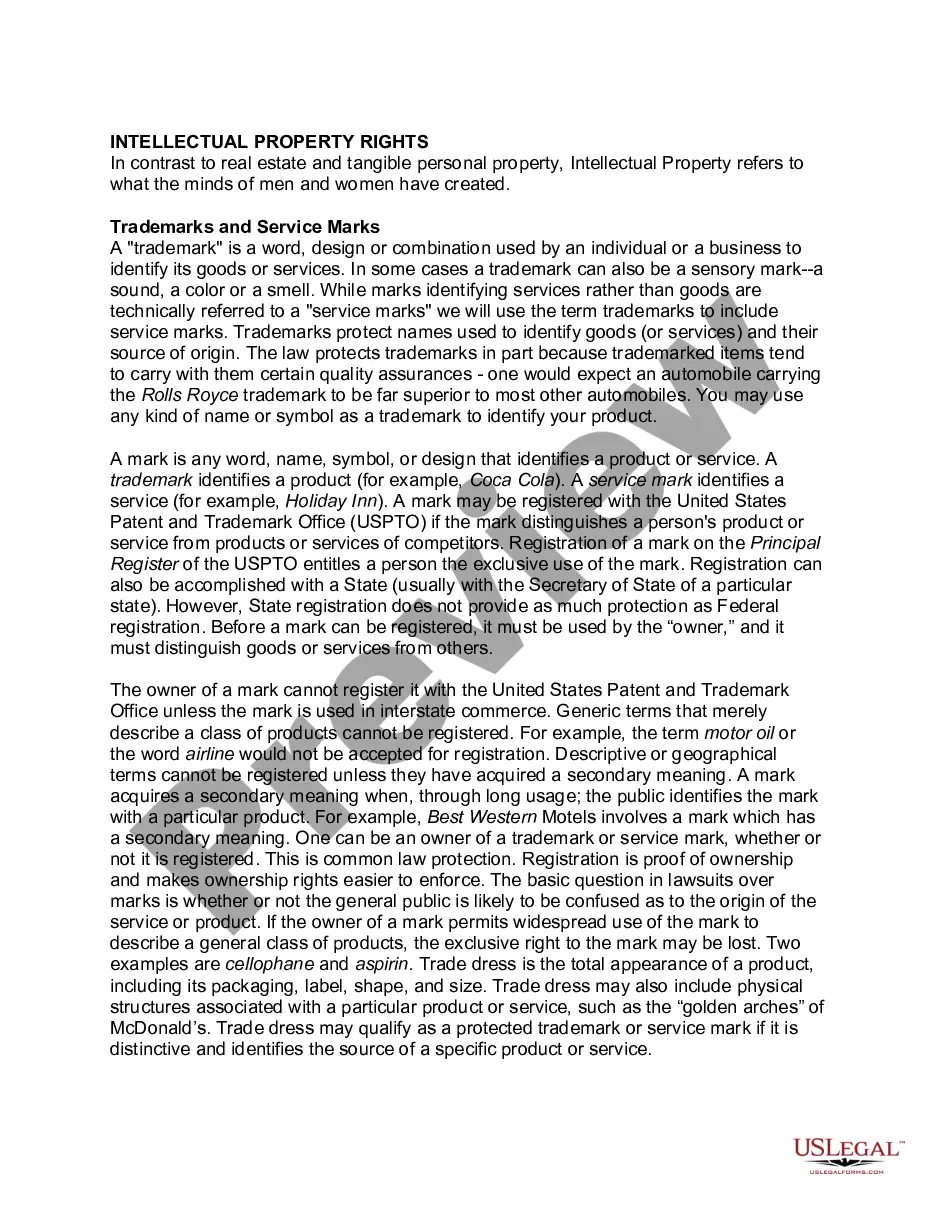
It is a legal requirement for businesses to register their trade name in order to conduct business activities and transactions in the Philippines. A trade name is often used interchangeably with a business name or a fictitious name, and it is the name that the public identifies a business with.
Acceptable proofs for filing a DAU Under the IPO, the following are the acceptable proofs of use to file a DAU for your trademark: Labels of the used mark. A website page downloaded from showing the proof of goods being sold or rendered in the Philippines. Photocopies of goods or labels of the mark.
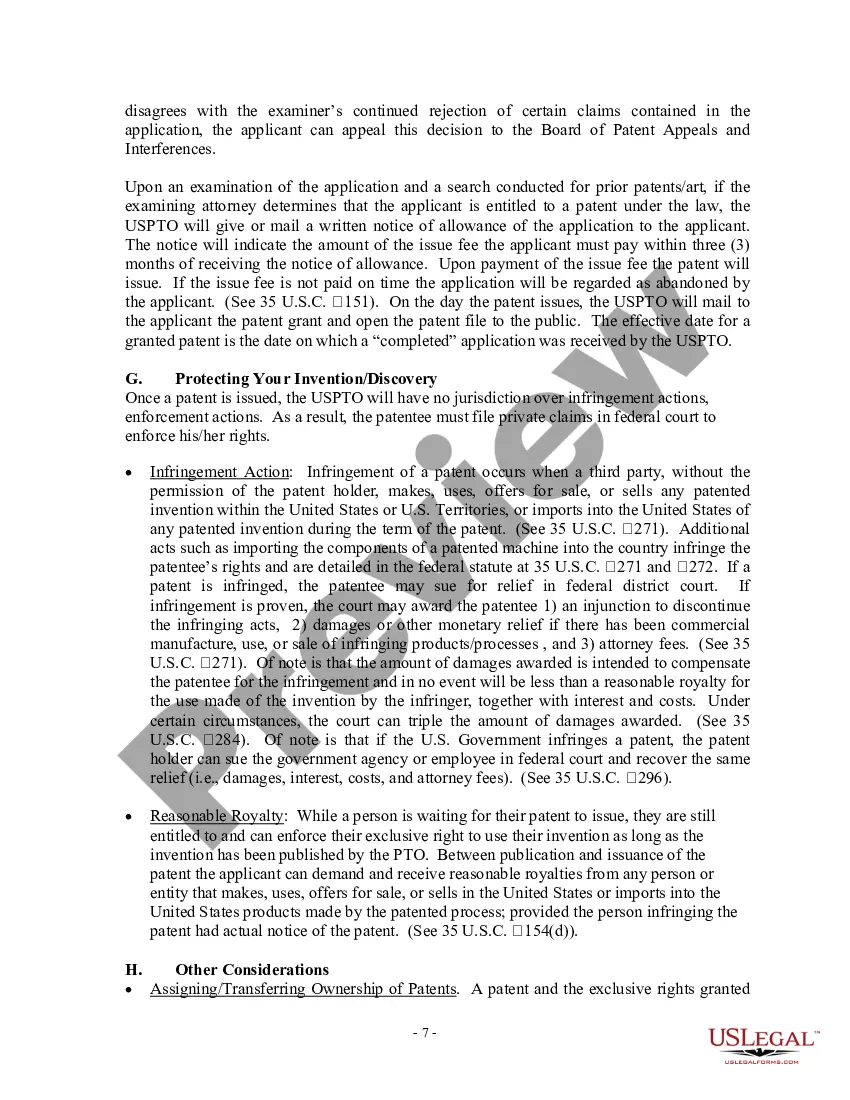
A trademark can be protected in perpetuity if regularly monitored and properly maintained. The period of protection is ten (10) years from the date of registration and is renewable for a period of ten (10) years at a time.
No, trademark registration is not required in the Philippines. In the Philippines, trade names and business names are protected without the need for prior registration.
8293, also known as the Intellectual Property Code of the Philippines, underscores the importance of the first-to-file rule in the country's trademark registration process. This rule prioritizes the date of filing over the date of first use, making timely registration crucial for securing trademark rights.
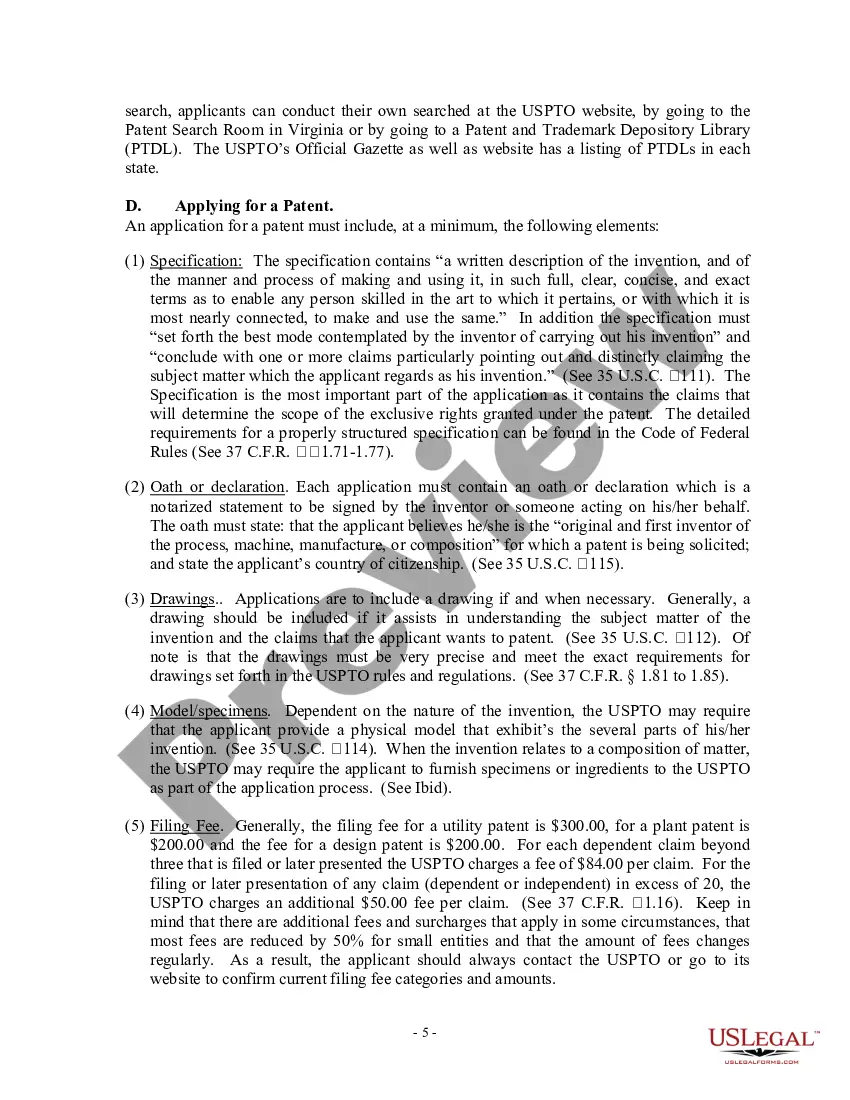
The following are the requirements for the filing of a trademark application: Request for registration; Name, address and other contact details of the applicant; Appointment of a resident agent or representative in the form of a signed Power of Attorney, if the applicant is not domiciled in the Philippines;
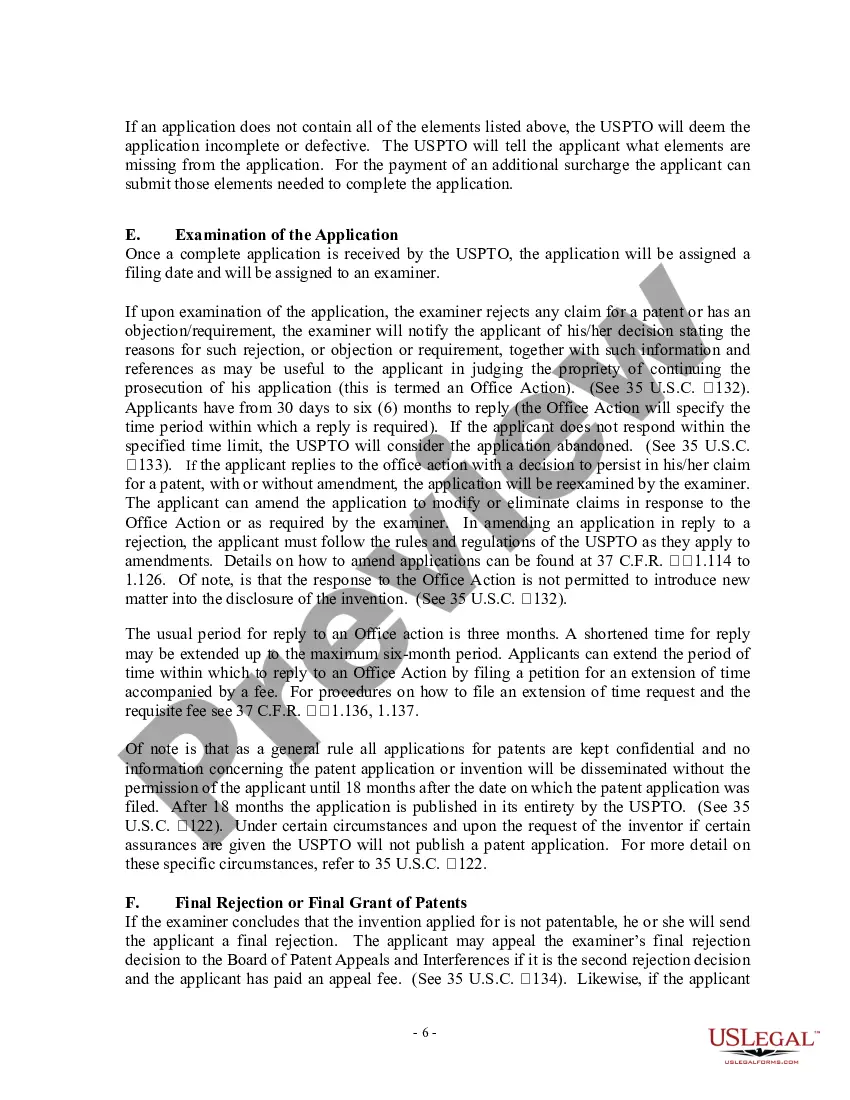
After your trademark is approved, you must file documents with the IPOPHL to prove that you have a real product or service that supports your trademark filing. This filing is called the Declaration of Actual Use (DAU).
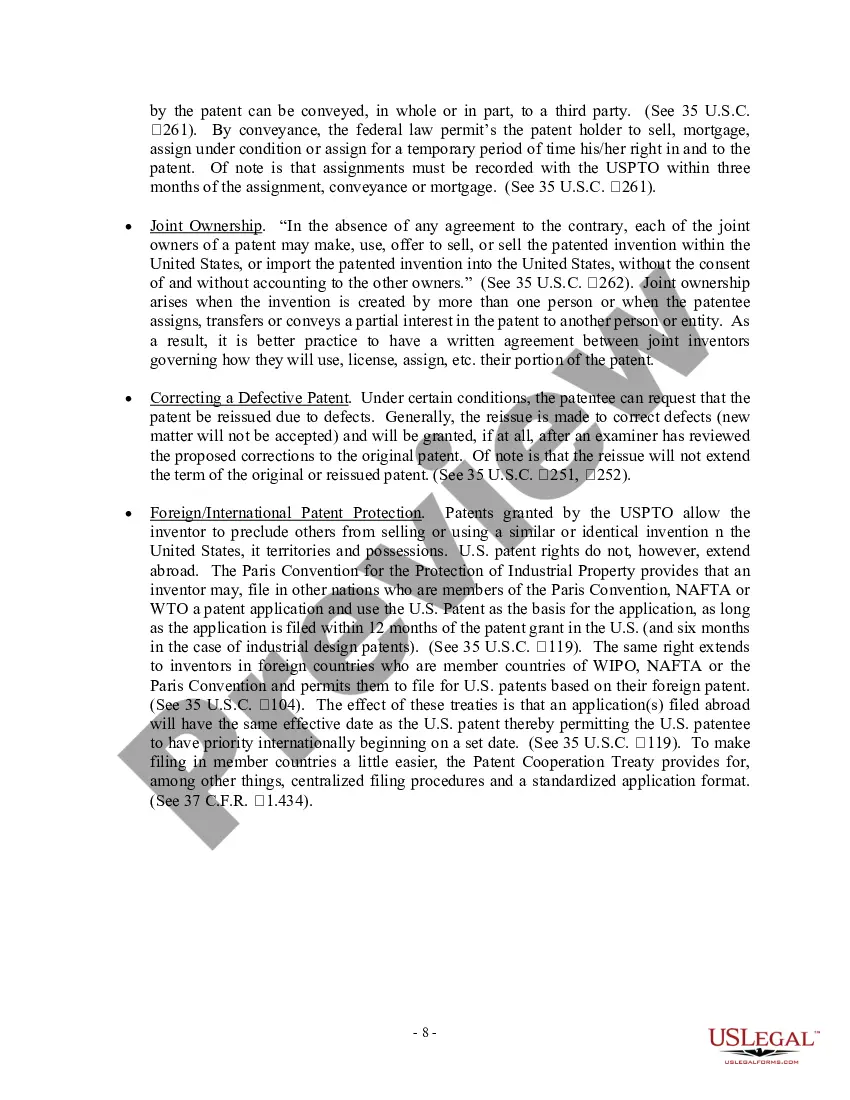
Ing to the first-to-file principle, the owner of the mark who first files their application with the IP office has priority over anyone using the same/confusingly similar mark on the same market.
8293, also known as the Intellectual Property Code of the Philippines, underscores the importance of the first-to-file rule in the country's trademark registration process. This rule prioritizes the date of filing over the date of first use, making timely registration crucial for securing trademark rights.
