Patent Draft With Ai In Cook
Description

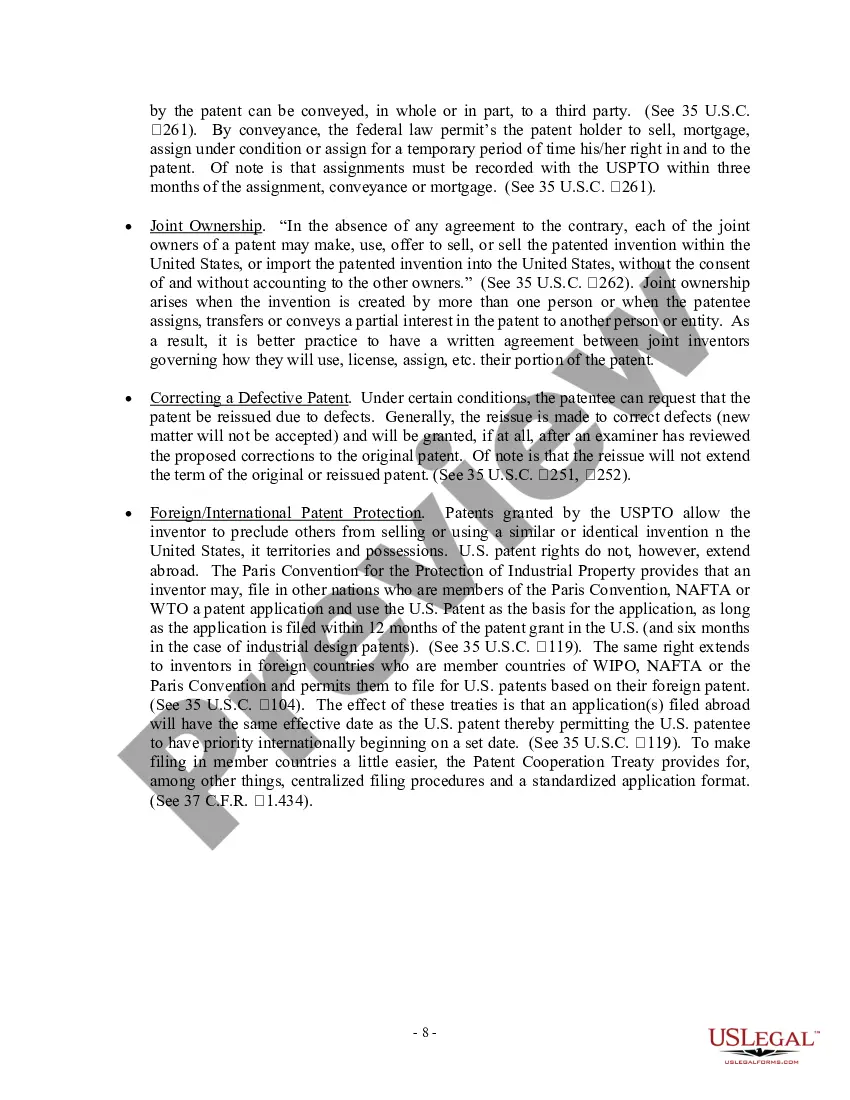


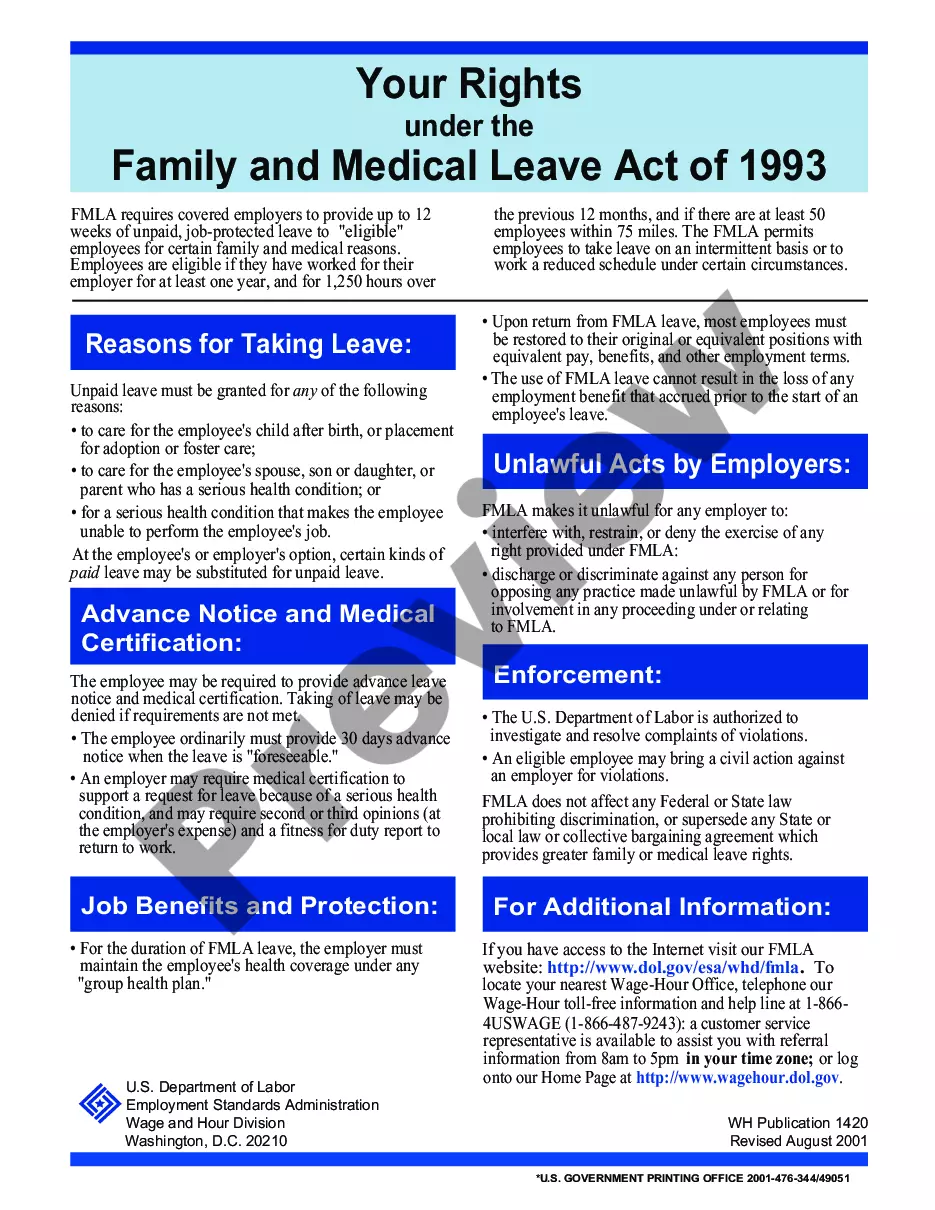
Get your form ready online
Our built-in tools help you complete, sign, share, and store your documents in one place.
Make edits, fill in missing information, and update formatting in US Legal Forms—just like you would in MS Word.
Download a copy, print it, send it by email, or mail it via USPS—whatever works best for your next step.
Sign and collect signatures with our SignNow integration. Send to multiple recipients, set reminders, and more. Go Premium to unlock E-Sign.
If this form requires notarization, complete it online through a secure video call—no need to meet a notary in person or wait for an appointment.
We protect your documents and personal data by following strict security and privacy standards.

Make edits, fill in missing information, and update formatting in US Legal Forms—just like you would in MS Word.

Download a copy, print it, send it by email, or mail it via USPS—whatever works best for your next step.

Sign and collect signatures with our SignNow integration. Send to multiple recipients, set reminders, and more. Go Premium to unlock E-Sign.

If this form requires notarization, complete it online through a secure video call—no need to meet a notary in person or wait for an appointment.

We protect your documents and personal data by following strict security and privacy standards.
Looking for another form?



Form popularity
FAQ
Yes, you can patent an AI invention or a machine learning model. The requirements for patenting an AI invention are the same as other utility patents.
Anyone can build their own AI model with the right tools. And it's time for data analysts and other data pros to experiment — whether they're just curious about the basics of AI or they're looking for an advantage in their career.
To obtain patent protection, you will be required to publicly disclose how to make and use your AI model, which may be undesirable if your AI model is otherwise not publicly identifiable.
In the U.S., the Copyright Office guidance states that works containing AI-generated content are not copyrightable without evidence that a human author contributed creatively. New laws can help clarify the level of human contribution needed to protect works containing AI-generated content.
Indeed, ChatGPT can write patent claims by analyzing input information such as the technical field of the invention, the problem the invention solves, and a description of the invention. However, the quality of the claims that ChatGPT provides depends directly on the relevance and completeness of the input information.
The simple answer is that an invention created with the use of an AI system can be patented if that invention satisfies all of the legal requirements for patentability, even if the AI system cannot be named as an inventor on the patent application for that invention.
Technical Process: If a prompt is part of a broader technical process—such as a novel method for interacting with an AI system or a unique way of using the AI to achieve a particular technical result—then it may be eligible for patent protection.
For example, AI can take an attorney-written claim and generate a suitable title or summary. Make sure the AI tool generates contextually relevant content, understanding the specific requirements of each section of a patent application to fit seamlessly.
Generate content when and where needed: Use AI tools that offer prompt assistance features to generate specific sections of a patent application on demand. For example, AI can take an attorney-written claim and generate a suitable title or summary.
